Trump's Physical Sparks Longevity Debate: What Supplements Support Age-Related Health
A recent physical examination of a prominent 77-year-old public figure has catalyzed widespread discussion about health maintenance, cognitive preservation, and longevity strategies in advanced age. According to reporting from The New York Times, the assessment included standard cardiovascular, cognitive, and metabolic evaluations. While no specific supplement recommendations emerged from the examination itself, the media attention underscores growing public interest in evidence-based approaches to healthy aging, from nutrient supplementation to lifestyle modifications. Experts acknowledge that longevity depends on multiple factors, but several supplement categories have accumulated preliminary research support in aging populations.
What Happened
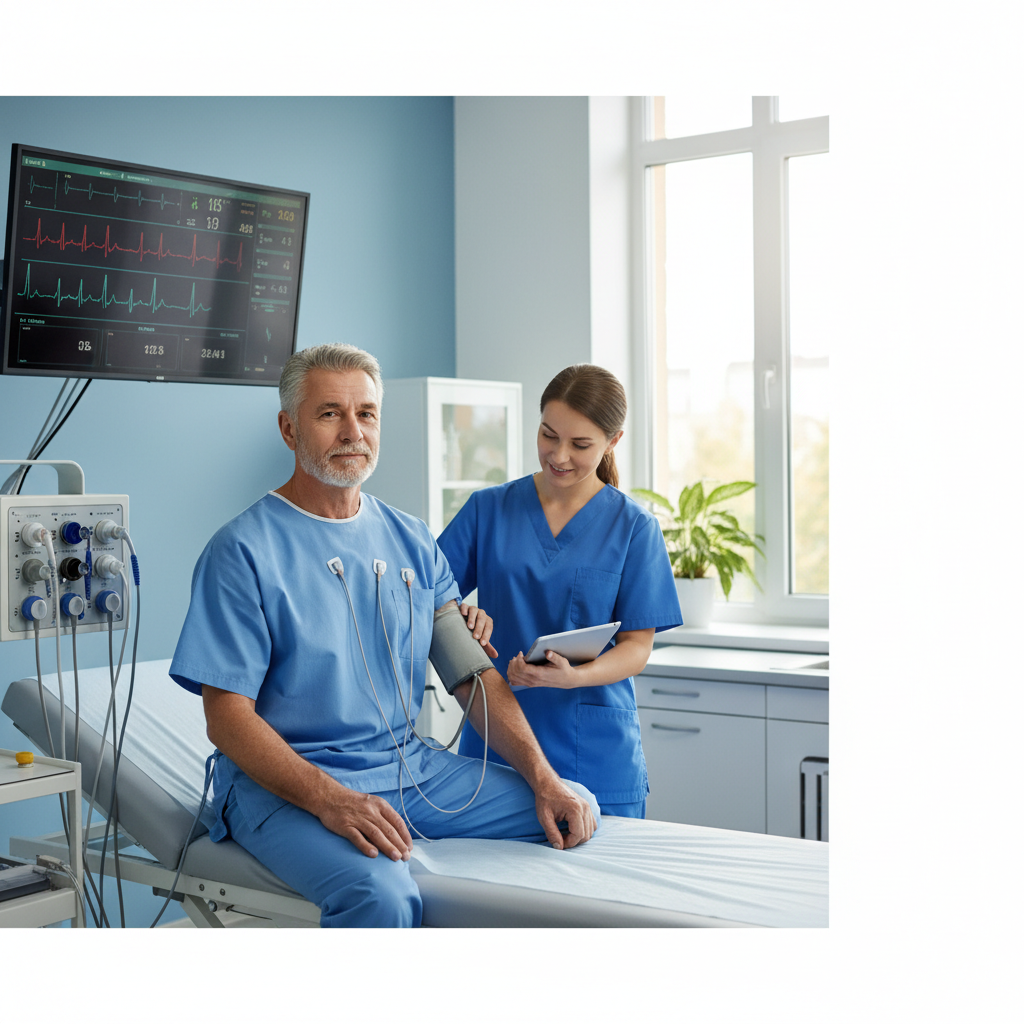
The physical examination included routine cardiovascular, cognitive, and metabolic assessments typical for comprehensive geriatric evaluation. The results sparked immediate public and clinical discussion about what sustains health and mental acuity in one's late 70s. While such examinations are standard medical practice, the prominence of the individual generated substantial media coverage and cultural interest in longevity science.
This timing coincides with a documented surge in consumer interest in anti-aging supplements. Sales of cognitive-support and cardiovascular formulations have grown substantially among adults over 65, driven by demographic aging and direct-to-consumer marketing emphasizing age-related health optimization.
What the Source Says
According to Longevity.ai's guide to supplements for individuals in their late 70s, several nutrient categories show preliminary research support for cardiovascular and cognitive health in aging populations. Omega-3 fatty acids, B-complex vitamins (particularly B6, B12, and folate), and compounds like alpha-GPC have been studied for their association with cognitive function and cardiovascular maintenance in older adults. Harvard Health Publishing notes that "seniors considering supplement use should prioritize compounds with the strongest epidemiological evidence," and recommends consulting healthcare providers about individual risk profiles before starting new regimens.
Harvard Health Publishing's supplement guide for seniors emphasizes that while some supplements may be studied for age-related health support, the quality and strength of evidence varies significantly. The guide cautions against overconfidence in preliminary studies and underscores the importance of third-party testing and regulatory transparency.
Beyond the Headline
The public fascination with anti-aging supplements often outpaces the underlying science. While media coverage of high-profile health assessments can spark legitimate interest in longevity strategies, most supplements marketed for "anti-aging" are studied for narrower applications—such as cardiovascular function or cognitive support—rather than aging itself. The evidence base remains uneven: some compounds, like coenzyme Q10 and certain B vitamins, have stronger epidemiological associations with healthy aging in observational studies, while others rely on smaller or preliminary trials.
Longevity research increasingly demonstrates that supplement efficacy depends heavily on individual baseline nutritional status, genetics, existing health conditions, and concurrent medications. A person with documented B12 deficiency may benefit significantly from B12 supplementation, while someone with adequate baseline levels may see minimal benefit. This individualized reality—less marketable than one-size-fits-all "longevity stacks"—is often overlooked in popular discussion.
What This Means for Consumers
If you are considering supplements to support cardiovascular or cognitive health as you age, take these specific steps: (1) Request blood work from your healthcare provider to identify any actual nutrient deficiencies (B12, folate, vitamin D, iron); (2) Discuss your current medications with a pharmacist to identify potential interactions before starting any new supplement; (3) If considering omega-3 supplementation, ask your provider whether a dose of 1,000–2,000 mg EPA+DHA daily is appropriate for you, and monitor for any gastrointestinal effects or changes in bleeding tendency if you take anticoagulants; (4) For B-complex supplementation, clarify the specific daily doses recommended (e.g., B12 1,000–2,000 mcg daily, if indicated) and watch for any tingling or neurological symptoms that might suggest excessive B6 intake at high doses over time.
Be cautious of marketing claims like "age-defying" or "reverses aging"—these are not supported by evidence and violate supplement labeling regulations. Instead, look for supplements marketed for specific, measurable outcomes like "supports cardiovascular function" or "is studied for cognitive health in aging." Review the regulatory framework for supplements to understand that supplements undergo less rigorous FDA pre-market review than medications, making third-party testing and transparent sourcing especially important.
What to Watch Next
Ongoing clinical trials are examining several supplement categories in aging populations. Large-scale, randomized controlled trials investigating omega-3 supplementation, B-complex vitamin combinations, and novel compounds in cognitive decline prevention are underway and should provide stronger evidence over the next 3–5 years. Additionally, pharmacogenomic research—studying how individual genetic variation affects supplement metabolism and efficacy—may eventually allow more personalized recommendations than current population-level guidelines permit.
Consumer awareness of supplement quality and regulatory transparency is also evolving. The FDA's enforcement actions against unsubstantiated anti-aging claims will likely continue, and third-party testing organizations are gaining prominence. If you're evaluating specific supplement formulations, prioritize brands that have undergone NSF Certified for Sport, USP Verified, or ConsumerLab testing to confirm label accuracy and purity.
The broader lesson from renewed interest in longevity science is that healthy aging remains multifactorial. While supplements may play a modest supporting role for specific nutritional gaps, cardiovascular exercise, cognitive engagement, sleep quality, and social connection remain the strongest evidence-supported pillars of healthy aging in older adults.