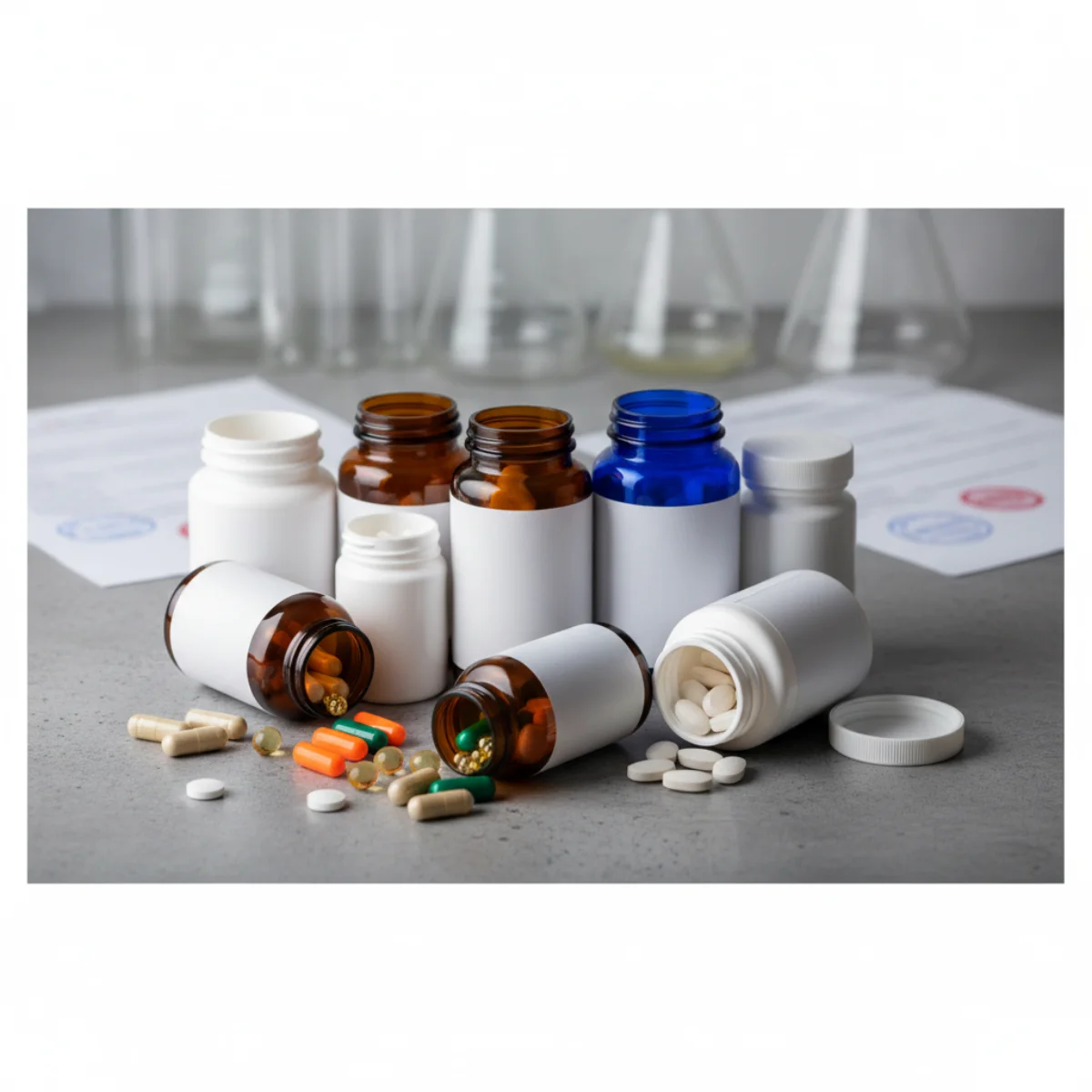
The question of whether dietary supplements are regulated is a common and important one, and the answer is nuanced: Yes, dietary supplements are regulated in the United States, but the regulatory framework differs significantly from that applied to prescription drugs. Under the Dietary Supplement Health and Education Act of 1994 (DSHEA), the Food and Drug Administration (FDA) oversees dietary supplements, treating them as a category of food rather than drugs. This distinction means that while the FDA has authority over supplements, the regulatory approach emphasizes post-market surveillance and places a substantial burden of proof on manufacturers to ensure product safety and label accuracy before products reach consumers.
Understanding the Regulatory Landscape: DSHEA's Foundation
The Dietary Supplement Health and Education Act of 1994 (DSHEA) is the cornerstone of dietary supplement regulation in the United States. Before DSHEA, supplements were often subject to the same strict regulations as drugs, which many argued stifled innovation and consumer access. DSHEA redefined dietary supplements, establishing them as a distinct category under the general umbrella of foods. This act clarified that a dietary supplement is a product intended to supplement the diet, containing one or more dietary ingredients such as vitamins, minerals, herbs or other botanicals, amino acids, or other substances used to supplement the diet by increasing the total dietary intake.
A critical aspect of DSHEA is its allocation of responsibility. Unlike new drugs, which must undergo rigorous FDA review and approval for safety and efficacy before they can be marketed, dietary supplements do not require pre-market approval. Instead, DSHEA places the primary responsibility on manufacturers to ensure that their products are safe and that any claims made on their labels are truthful and not misleading. This fundamental difference shapes the entire regulatory environment for supplements, shifting the FDA's role largely to post-market oversight rather than pre-market gatekeeping.
FDA's Role Before a Supplement Hits the Market
While the FDA does not approve dietary supplements before they are sold, it does have some pre-market responsibilities, particularly concerning new dietary ingredients (NDIs). If a manufacturer introduces a new dietary ingredient (one not marketed in the U.S. before October 15, 1994), they must submit a New Dietary Ingredient (NDI) notification to the FDA at least 75 days before marketing the product. This notification must include information demonstrating that the NDI is reasonably expected to be safe under the conditions of use recommended in the labeling. However, this NDI notification is not an approval process; it's a notification process. The FDA can object to an NDI notification if the safety information is insufficient, but it does not proactively approve the ingredient.
For ingredients that were on the market before DSHEA, no such notification is required. This means that for the vast majority of dietary supplements available today, manufacturers are solely responsible for ensuring the safety of their products and the accuracy of their labels before they are introduced to the market. They do not need to provide the FDA with evidence of safety or effectiveness before selling their products. This places a significant onus on manufacturers to conduct their due diligence and adhere to ethical practices, as the FDA's direct intervention typically occurs only after a product has already been released.
Ensuring Quality: Good Manufacturing Practices (GMPs)
One of the most crucial aspects of dietary supplement regulation is the requirement for manufacturers to adhere to Current Good Manufacturing Practices (CGMPs or GMPs). These regulations, established by the FDA, are designed to ensure that dietary supplements are consistently produced and controlled according to quality standards. GMPs cover various aspects of manufacturing, including facility design, equipment maintenance, personnel training, quality control procedures, and record-keeping. The goal is to prevent contamination, ensure accurate labeling, and guarantee that products contain the ingredients and amounts declared on their labels.
Specifically, GMPs require manufacturers to:
- Establish quality control systems.
- Manufacture supplements free of contaminants or impurities.
- Accurately label their products.
- Ensure that the correct ingredients and amounts are included in each product.
The FDA enforces GMPs through inspections of manufacturing facilities. If a facility is found to be non-compliant, the FDA can issue warning letters, seize products, or even shut down operations. While GMPs are vital for product quality and safety, it's important to understand that compliance with GMPs does not mean the FDA has approved the supplement itself, nor does it guarantee the product's efficacy. It primarily ensures that the product is manufactured in a controlled, sanitary, and consistent manner.
Labeling Requirements and Permitted Claims
Dietary supplement labels are subject to specific FDA regulations to ensure consumers receive accurate information. Every supplement label must include:
- The name of the product and the word 'supplement'.
- The net quantity of contents.
- The name and place of business of the manufacturer, packer, or distributor.
- A 'Supplement Facts' panel, similar to the 'Nutrition Facts' panel on foods, listing dietary ingredients, amount per serving, and percent daily value (if established).
- A complete list of all ingredients in descending order of predominance by weight.
Regarding claims, manufacturers can make 'structure/function claims' on their labels. These claims describe the role of a nutrient or dietary ingredient intended to affect the structure or function in humans, or characterize the documented mechanism by which a nutrient or dietary ingredient acts to maintain such structure or function. Examples include 'calcium builds strong bones' or 'fiber maintains bowel regularity'. However, these claims must be truthful and not misleading, and manufacturers must have substantiation for them. Crucially, structure/function claims cannot imply that the supplement diagnoses, cures, mitigates, treats, or prevents any disease. If a manufacturer makes a structure/function claim, they must also include a mandatory disclaimer on the label stating: 'This statement has not been evaluated by the Food and Drug Administration. This product is not intended to diagnose, treat, cure, or prevent any disease.'
Any claim that suggests a supplement can treat or prevent a disease is considered a 'disease claim' and would classify the product as an unapproved drug, making it illegal to market as a supplement. The distinction between these claim types is a frequent area of FDA enforcement.
Post-Market Surveillance and Enforcement Actions
Given the limited pre-market oversight, the FDA's primary role in regulating dietary supplements occurs after products are already on the market. This post-market surveillance involves several key activities:
- Adverse Event Reporting: Manufacturers are required to report serious adverse events associated with their products to the FDA. Consumers and healthcare professionals can also voluntarily report adverse events. This system helps the FDA identify potential safety issues with supplements.
- Inspections: The FDA regularly inspects manufacturing facilities to ensure compliance with GMPs and other regulations.
- Label and Website Monitoring: The FDA monitors product labels, promotional materials, and company websites for illegal claims (e.g., disease claims) or misleading information.
- Product Testing: The FDA can test supplements on the market if there are concerns about contamination, adulteration, or mislabeling.
When the FDA identifies violations, it has several enforcement tools at its disposal. These can include issuing warning letters to manufacturers, requiring product recalls, seizing adulterated or misbranded products, and even pursuing criminal charges in severe cases. For a deeper dive into the specific mechanisms and historical context of how the FDA enforces these regulations, you can refer to our article on supplement regulation.
It's important to note that while the FDA has these enforcement powers, its resources are finite, and the sheer volume of dietary supplements on the market makes comprehensive, proactive surveillance challenging. This means that some non-compliant or even unsafe products may remain on shelves for a period before being identified and addressed by the agency.
The Role of Third-Party Testing and Certifications
Because the FDA does not pre-approve supplements and its post-market surveillance has limitations, third-party testing and certification programs have emerged as valuable tools for consumers. These independent organizations test supplements to verify their contents, purity, and quality, offering an additional layer of assurance beyond what FDA regulation alone provides.
Reputable third-party certifiers include:
- U.S. Pharmacopeia (USP): The USP Verified Mark indicates that a supplement contains the ingredients listed on its label in the declared potency and amount, does not contain harmful levels of specified contaminants, will break down and release into the body within a specified amount of time, and has been made using safe, sanitary, and quality manufacturing practices.
- NSF International: NSF certification ensures that products are tested for contaminants, banned substances (important for athletes), and that the product contains the ingredients listed on the label.
- ConsumerLab.com: This organization independently tests supplements and publishes its findings, helping consumers identify products that meet quality standards.
While not legally required, a supplement bearing a third-party certification seal provides consumers with greater confidence that the product has been independently verified for quality, purity, and label accuracy. These certifications can be particularly helpful in navigating a market where regulatory oversight is primarily reactive.
Navigating the Supplement Market Safely: A Consumer's Guide
Understanding that dietary supplements are regulated but not approved by the FDA is key to making informed choices. As a consumer, you play a critical role in your own safety and well-being when considering supplements. Here are some practical tips for navigating the supplement market safely:
- Research Brands: Choose reputable brands that are transparent about their manufacturing processes, ingredient sourcing, and quality control. Look for companies with a history of good practices.
- Look for Third-Party Certifications: Prioritize products that have been independently tested and certified by organizations like USP, NSF, or ConsumerLab.com. These seals indicate an extra layer of quality assurance.
- Consult Healthcare Professionals: Always discuss any supplements you are considering with your doctor, pharmacist, or a registered dietitian, especially if you have underlying health conditions, are pregnant or breastfeeding, or are taking other medications. They can help assess potential interactions or contraindications.
- Be Skeptical of Grandiose Claims: If a supplement claims to be a 'miracle cure' or promises unrealistic results, it's a red flag. Remember that supplements cannot legally claim to diagnose, treat, cure, or prevent diseases.
- Report Adverse Events: If you experience any unexpected or serious side effects from a supplement, report it to your healthcare provider and to the FDA through their MedWatch program. This helps the FDA identify and address potential safety issues.
- Understand 'Regulated' vs. 'Approved': Reiterate to yourself that 'regulated' does not mean 'approved' for safety or effectiveness by the FDA. The responsibility for ensuring product quality and safety largely rests with the manufacturer.
By taking these steps, consumers can better protect themselves in a complex regulatory environment. For more detailed information on the specific regulations governing dietary supplements and how they impact product availability and safety, exploring resources like our comprehensive guide on supplement regulation can provide valuable insights.