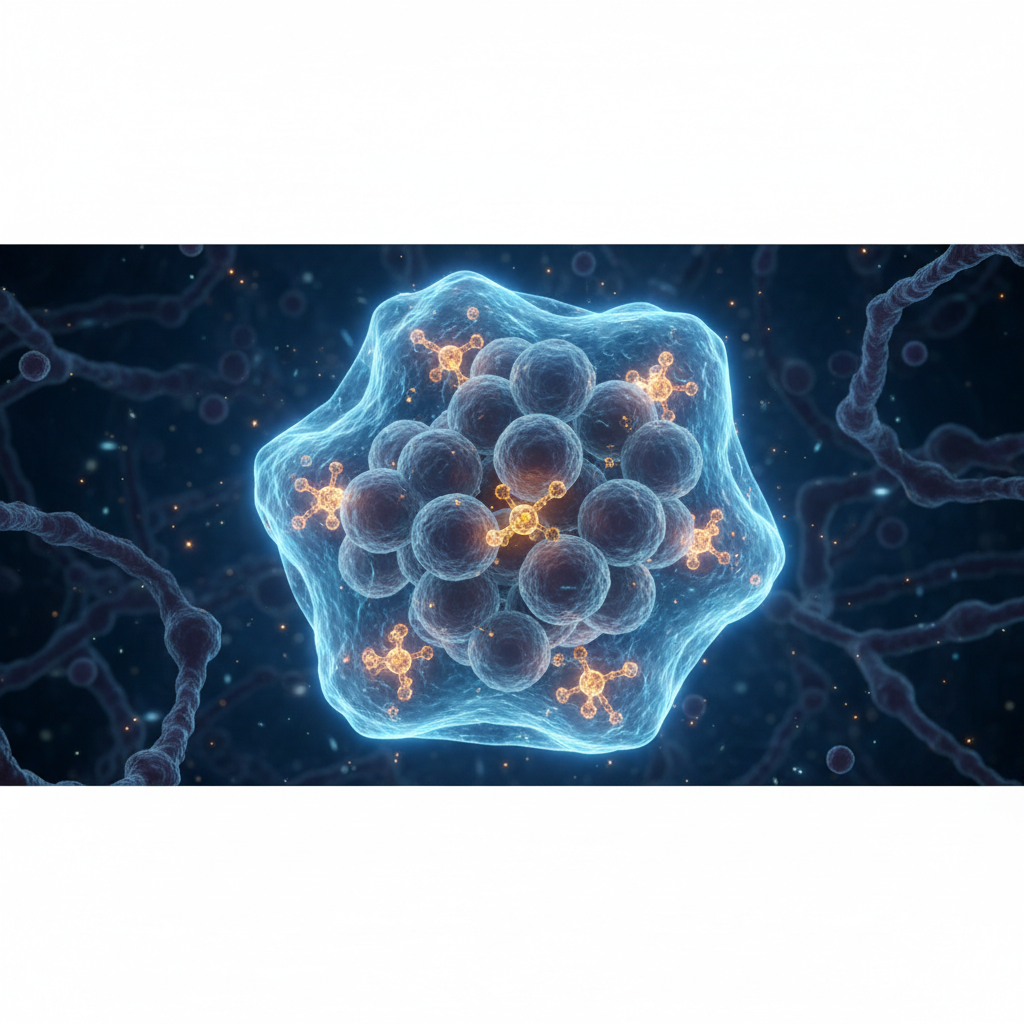
Vitamin B2 May Help Cancer Cells Resist Cell Death, New Research Shows
Researchers have identified a potentially concerning mechanism in laboratory studies: vitamin B2 (riboflavin), a common ingredient in B-complex and prenatal vitamin formulations, may bolster antioxidant systems that protect cancer cells from ferroptosis—a form of iron-dependent cell death that normally acts as a tumor-suppression pathway. According to ScienceDaily's report on the research, the finding emerged from cell-culture experiments and raises questions about routine B2 supplementation in cancer patients or those at elevated genetic risk. The discovery adds a new dimension to a decades-long scientific debate over whether antioxidant supplements pose hidden risks in vulnerable populations.
What Happened
Scientists investigating how metabolic compounds influence ferroptosis—an iron-dependent form of controlled cell death distinct from apoptosis—discovered that vitamin B2 enhances protective antioxidant enzymes in cancer cell lines. The research examined how elevated B2 levels activate flavin adenine dinucleotide (FAD)-dependent antioxidant pathways that neutralize reactive oxygen species before they accumulate to lethal levels in tumor cells. Testing across multiple cancer cell models showed consistent reduction in ferroptotic markers, including lower lipid peroxidation and sustained glutathione peroxidase activity, when cells were cultured with higher riboflavin concentrations.
Crucially, the finding does not mean B2 causes cancer. Rather, it suggests that B2 may inadvertently create cellular conditions that shield existing cancer cells from a natural death mechanism. This distinction is important for interpreting the research accurately and avoiding overstatement.
What the Source Says
ScienceDaily's coverage indicates the research tested cancer cell lines under varying riboflavin concentrations to evaluate ferroptosis resistance. The mechanism centers on how B2-dependent enzyme systems prevent oxidative stress from accumulating to the point where it triggers ferroptotic cell death. The researchers demonstrated reproducibility across multiple tumor cell types, suggesting the metabolic principle may apply broadly rather than being limited to a single cancer phenotype.
However, a critical gap remains unaddressed in the preliminary findings: the study does not clarify whether oral B2 supplementation at typical dietary doses (1.3–1.6 mg/day for adults) achieves concentrations in actual tumor tissue that would meaningfully activate this protective mechanism in living patients. This in-vitro-to-clinical translation remains unknown and represents a significant distinction between laboratory observation and real-world risk.
Beyond the Headline
This research reflects a larger scientific tension in cancer biology. For decades, antioxidant supplements have been marketed as cancer-protective, yet major randomized controlled trials—including the ATBC study on beta-carotene and the CARET study on vitamin E—demonstrated that high-dose antioxidant supplementation may paradoxically increase cancer risk or mortality in certain populations. Ferroptosis represents a newer frontier in understanding how cells resist death, and emerging evidence suggests that blocking ferroptosis, rather than accelerating it, can sometimes be tumor-protective under specific biochemical conditions.
The B2 finding also underscores that individual supplement ingredients do not function in isolation. A person taking a B-complex supplement receives multiple cofactors simultaneously, and their combined effect on ferroptosis resistance remains unstudied. Additionally, dietary sources of B2—including eggs, almonds, mushrooms, and fortified grains—contribute to total riboflavin intake and may interact with supplemental doses in ways not yet characterized.
What This Means for Consumers
For most healthy people, routine B2 supplementation at standard dietary-replacement doses poses no known immediate concern based on this single laboratory study. However, cancer patients and those with a strong family history of cancer should discuss B2 supplementation with their oncologist or primary care physician before starting or continuing a B-complex or multivitamin formulation. Specific questions to raise include:
- Whether your current supplementation regimen includes B2, and at what dose
- Whether the oncology team recommends avoiding high-dose antioxidant supplements during active treatment
- Whether dietary sources of B2 (eggs, mushrooms, almonds) require restriction
This conversation is especially important if you are undergoing ferroptosis-based cancer therapies (an emerging but not yet mainstream treatment approach) or taking medications designed to induce ferroptotic cell death in tumors.
What to Watch Next
The next critical step is publication of the full peer-reviewed study, which should include detailed effect sizes, cell counts, and mechanistic data currently absent from the ScienceDaily summary. Researchers must also conduct pharmacokinetic studies to determine whether oral B2 supplementation at realistic doses achieves tumor-tissue concentrations high enough to replicate the in-vitro protective effect observed in the laboratory.
Beyond B2, the broader implication is that antioxidant supplements warrant closer scrutiny in cancer populations. Future research should examine whether other B-vitamin cofactors similarly enhance ferroptosis resistance, and whether the protective effect varies by cancer type, genetic background, or existing metabolic state. Clinical trials specifically enrolling cancer patients or high-risk individuals would provide the evidence needed to update supplementation guidelines.
Until that evidence arrives, the safest approach for cancer patients is individualized discussion with their treatment team rather than routine self-directed supplementation.