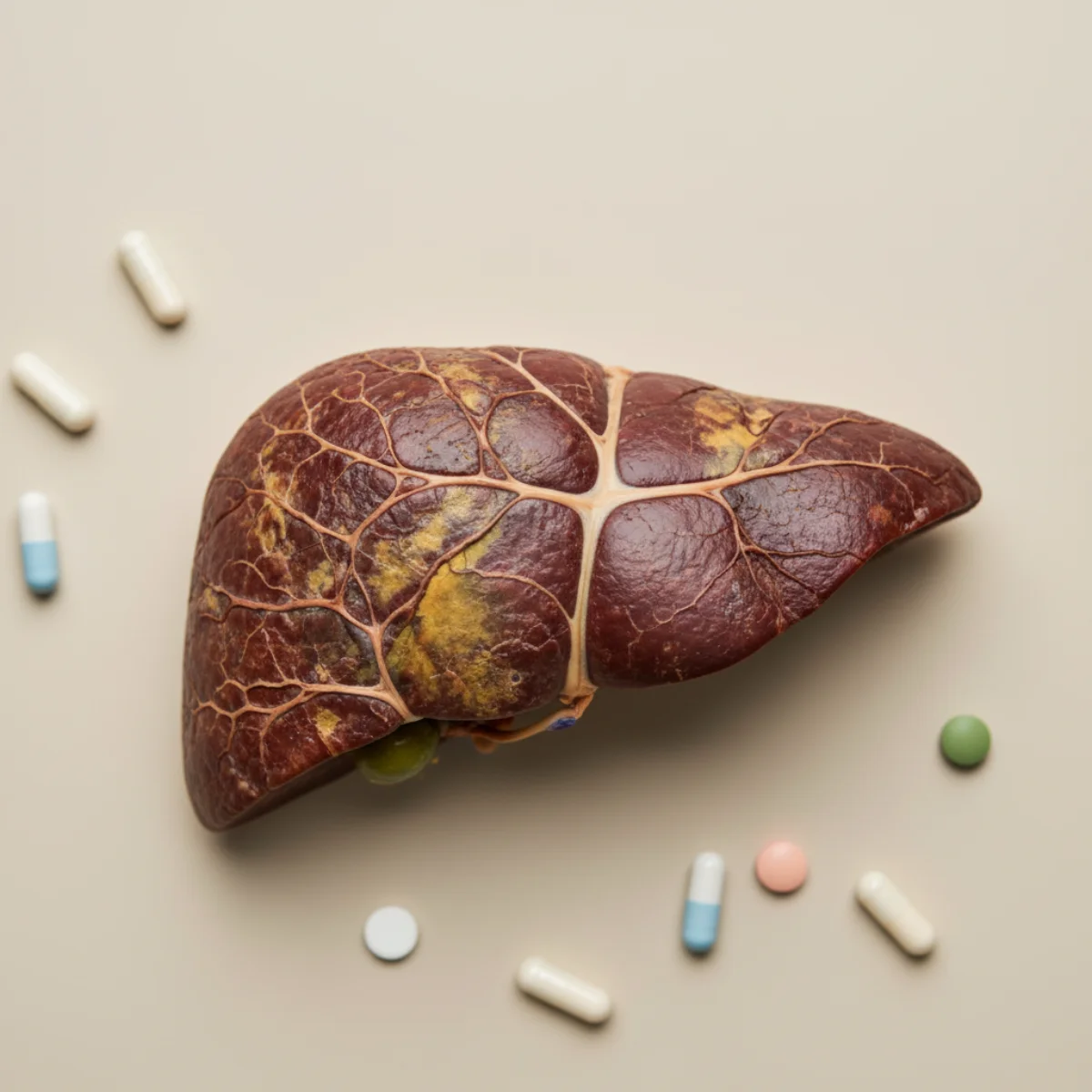
Dietary supplements are widely assumed to be safe because they're "natural" or available over-the-counter, but some can damage the liver—either directly or by interacting with other substances. Unlike prescription drugs, supplements are not required to undergo pre-market safety testing, and adverse events are often reported only after people have already been harmed. Understanding which supplements carry documented hepatotoxic risk, at what doses, and why is essential for protecting one of your body's most vital organs.
What Is Liver Damage and How Do Supplements Cause It?
The liver metabolizes most drugs and supplements, breaking them down into forms your body can eliminate. When a supplement—or more often, a combination of supplements, alcohol, or other stressors—overwhelms this metabolic capacity, liver cells can become inflamed, develop fatty deposits, or undergo scarring. This damage is called hepatotoxicity.
Supplement-induced liver injury usually develops through one of two mechanisms. Direct hepatotoxicity occurs when the supplement or one of its metabolites is inherently toxic to liver cells. Idiosyncratic hepatotoxicity happens when a person's unique genetic or immunological makeup causes an unexpected severe reaction to a normally tolerable dose. This is why two people taking the same supplement at the same dose may have very different outcomes: genetic variations in liver enzymes (especially the cytochrome P450 family) affect how quickly you metabolize compounds.
Risk factors that increase your susceptibility to supplement-induced liver injury include older age, female sex, pre-existing liver disease, alcohol use, nutritional deficiencies, and concurrent use of hepatotoxic medications or other supplements. Because the liver has limited capacity to signal distress early on, damage can progress silently until significant scarring occurs.
High-Risk Herbal Supplements
Kava (Piper methysticum) is the most well-documented herbal hepatotoxin. Used traditionally in the South Pacific as a ceremonial beverage and sold in Western countries as a supplement for anxiety and stress relief, kava has been linked to more than 100 cases of liver injury in clinical literature, including several deaths and cases requiring liver transplantation. The active compounds, called kavalactones, are metabolized by the liver, and their metabolites appear to damage hepatocytes directly. Germany banned kava supplements in 2002, and many other countries have restricted or warned against them. The risk is dose- and duration-dependent: people taking high doses daily for weeks to months face substantially higher risk.
Greater celandine (Chelidonium majus), an herbal remedy used historically for liver and digestive complaints in Eastern Europe and Asia, paradoxically causes liver injury in some users. Case reports document acute hepatitis and cholestasis (bile flow impairment) following greater celandine ingestion. The mechanism is not fully understood, but the alkaloid content may play a role. Because evidence is limited and reporting is sporadic, the true incidence is unknown.
Pennyroyal oil and pennyroyal tea, derived from mint species and marketed for digestive health and menstrual regulation, contain pulegone—a compound metabolized to toxic byproducts that cause hepatocyte necrosis and fatty infiltration. Even small doses can cause severe liver damage; multiple cases of acute liver failure have been reported in the literature. Pennyroyal is particularly dangerous because it is sometimes used in traditional medicine at concentrations far exceeding safe exposure.
Usnic acid, extracted from lichen and marketed for weight loss, has been linked to acute hepatitis and liver failure. The mechanism is not fully elucidated, but case reports cluster around high-dose or prolonged use. The FDA has issued warnings about usnic acid supplements, and several products have been withdrawn from the market.
Herbalife and other multi-ingredient weight-loss supplements have been implicated in dozens of cases of acute liver injury. While no single ingredient is universally blamed, these formulations often combine multiple botanical extracts with stimulants and high-dose vitamins at concentrations rarely tested together. Because recipes vary widely and quality control is inconsistent, the hepatotoxic risk differs by batch and brand.
Vitamins and Minerals at High Doses
Niacin (vitamin B3), particularly in extended-release formulations, can cause cholestasis and hepatocellular injury when used at doses above 2 grams daily. Niacin is often taken for cholesterol management, and the doses recommended for that purpose (1–3 grams daily) can cause liver enzyme elevations and, in susceptible individuals, acute liver injury. Standard supplemental doses (10–50 mg daily) are generally considered safe, but high-dose supplementation should only occur under medical supervision with regular liver function monitoring.
Vitamin A, both from retinol supplements and from excessive beta-carotene conversion, accumulates in liver tissue. Chronic high-dose supplementation (>10,000 IU daily from retinol, sustained over months or years) is associated with hepatic fibrosis, cirrhosis, and portal hypertension. Plant-based beta-carotene supplements are generally safer because the body regulates conversion, but high-dose synthetic retinol carries real risk. Vitamin A toxicity is more common than many people realize, especially in those taking multiple supplements with added vitamin A or eating fortified foods while supplementing.
Iron, when supplemented in excess of physiological need (particularly in those without iron-deficiency anemia), catalyzes the formation of free radicals that damage hepatocytes and promote fibrosis. Hemochromatosis—a condition of iron overload—is a well-established cause of cirrhosis. Supplemental iron should only be taken if a deficiency has been diagnosed.
Vitamin E at very high doses (>1000 IU daily, sustained) may increase liver enzyme levels and, in rare cases, cause hepatic steatosis (fatty liver). The evidence is less robust than for niacin or vitamin A, but high-dose vitamin E supplementation is generally discouraged except under medical supervision for specific indications.
Anabolic Steroids and Prohormones
Anabolic-androgenic steroids (AAS) and prohormone supplements used for muscle building cause dose-dependent hepatotoxicity through direct cellular injury and the induction of cholestasis. These compounds methylate at the 17-alpha position, a chemical modification that makes them resistant to first-pass liver metabolism but also makes them inherently hepatotoxic. Oral AAS like methyltestosterone and stanozolol carry the highest risk. Users report elevated liver enzymes with doses as low as 50 mg daily, and prolonged use (months to years) is associated with peliosis hepatis (blood-filled cysts in the liver), tumors, cirrhosis, and liver failure.
Prohormones—supplements that convert to anabolic steroids in the body—carry similar risk. Compounds like DHEA and androstenedione, sold as "natural" alternatives to synthetic AAS, still undergo 17-alpha methylation in the liver and cause comparable hepatotoxicity. The evidence linking these supplements to liver disease is substantial, yet they remain available in many markets because regulatory oversight is inconsistent.
Combination and Interaction Risks
Taking multiple supplements simultaneously multiplies hepatotoxic risk in ways that go beyond simple dose addition. When the liver must process several compounds at once—especially if they share metabolic pathways—the capacity for each to be safely metabolized decreases. For example, combining kava with other liver-stressing herbs (such as greater celandine or pennyroyal), or mixing any high-risk supplement with high-dose niacin or weight-loss products, substantially increases the probability of injury.
Alcohol is a major amplifier of supplement hepatotoxicity. The liver metabolizes both alcohol and most supplements, and when both are present, they compete for metabolic enzymes. This competition slows clearance of the supplement, prolonging liver cell exposure and increasing damage. Anyone taking a potentially hepatotoxic supplement should minimize or avoid alcohol entirely.
Drug-supplement interactions also elevate risk. Supplements that inhibit or induce cytochrome P450 enzymes—such as St. John's Wort, garlic, and ginseng—alter how the liver metabolizes medications and other supplements. If you take prescription drugs, always disclose your full supplement regimen to your healthcare provider, and consult our supplement safety guide before adding new products.
Recognizing Symptoms of Liver Damage
Supplement-induced liver injury often progresses silently, with no symptoms until significant damage has occurred. When symptoms do appear, they can be subtle and easily attributed to other causes. Early warning signs include persistent fatigue, nausea, abdominal discomfort (especially in the upper right quadrant, where the liver sits), and pale or clay-colored stools.
More obvious signs of acute liver injury include jaundice (yellowing of skin and eyes), dark urine, severe nausea or vomiting, abdominal swelling, and persistent itching. If you experience any of these symptoms while taking a supplement—especially a high-risk product—stop the supplement immediately and seek medical evaluation. Your healthcare provider can order liver function tests (AST, ALT, bilirubin, alkaline phosphatase) to determine if injury is occurring.
Because asymptomatic liver enzyme elevation can precede clinical symptoms by weeks or months, people taking potentially hepatotoxic supplements should have baseline liver function tests before starting and periodic monitoring (every 3–6 months) while using the product. This is particularly important for those over 65, those with a history of liver disease, or those taking multiple supplements or hepatotoxic medications.
Safe Supplementation Practices
The safest approach to supplement use is informed skepticism. Before starting any supplement, ask yourself: Is there robust human evidence that it works for my specific goal? Does it carry documented safety risks? Am I the right candidate for it (age, sex, health status, medications)? Do I really need it, or can I meet my nutritional needs through diet?
If you decide to take a supplement, follow these practices:
- Start with recognized third-party testing. Look for products certified by NSF International, USP, or ConsumerLab, which verify that the product contains what it claims and no undeclared contaminants.
- Stick to established doses. Higher is not better; taking more than the recommended dose does not accelerate benefits and often increases risk. If you're unsure of the right dose, consult a healthcare provider.
- Avoid multi-ingredient formulas with vague ingredient profiles. The more ingredients in a product, the harder it is to identify which one caused an adverse effect if one occurs. Weight-loss supplements, energy blends, and "proprietary formula" products are particularly concerning.
- Tell your doctor about every supplement you take. Provide a complete list—doses, frequency, and duration. This allows your provider to spot drug-supplement interactions and assess your cumulative hepatotoxic risk.
- Monitor your liver function if taking high-risk supplements. Discuss with your doctor whether baseline and periodic liver function testing is appropriate for you.
- Avoid alcohol. If you're taking a supplement, especially one with any hepatotoxic potential, minimize or eliminate alcohol use during supplementation.
- Stop the supplement if you develop concerning symptoms. Jaundice, dark urine, severe fatigue, nausea, or abdominal pain warrant immediate medical evaluation and cessation of the suspect supplement.
Who Should Avoid High-Risk Supplements Entirely
Certain populations should not use potentially hepatotoxic supplements under any circumstances, or should use them only under close medical supervision:
- People with pre-existing liver disease (cirrhosis, chronic hepatitis, fatty liver disease, or a history of liver injury). Even supplements considered "safe" for the general population can precipitate acute decompensation in this group.
- Older adults (65+), who have reduced liver metabolic capacity and are more susceptible to drug and supplement toxicity.
- People taking multiple medications, especially those metabolized by the liver (most do). Drug-supplement interactions multiply risk.
- Heavy alcohol users. Even moderate supplementation can cause liver injury in the setting of ongoing alcohol use.
- Pregnant or nursing women. Many supplements are poorly studied in pregnancy, and hepatotoxic compounds can cross the placenta or enter breast milk, harming the fetus or infant.
- People with autoimmune liver disease or a strong family history of liver disease, who may be genetically predisposed to idiosyncratic reactions.
The Bottom Line
Supplements are not automatically safe because they're natural or available over-the-counter. A growing body of clinical evidence documents that certain herbal products (kava, greater celandine, pennyroyal, usnic acid), high-dose vitamins (niacin, vitamin A, iron), and anabolic steroids can cause serious, sometimes irreversible liver damage. Many cases are preventable through informed choice, careful dose selection, medical supervision, and honest conversations with your healthcare provider about your full supplement regimen.
The liver is your body's primary detoxification organ, and it works silently until significant injury has occurred. Treat it with respect by using only supplements with clear evidence of benefit, avoiding high-risk products (especially in combination), having baseline and periodic liver function testing if you take potentially hepatotoxic supplements, and seeking immediate medical attention if you develop symptoms of liver disease. When in doubt, consult a healthcare provider before starting any supplement.