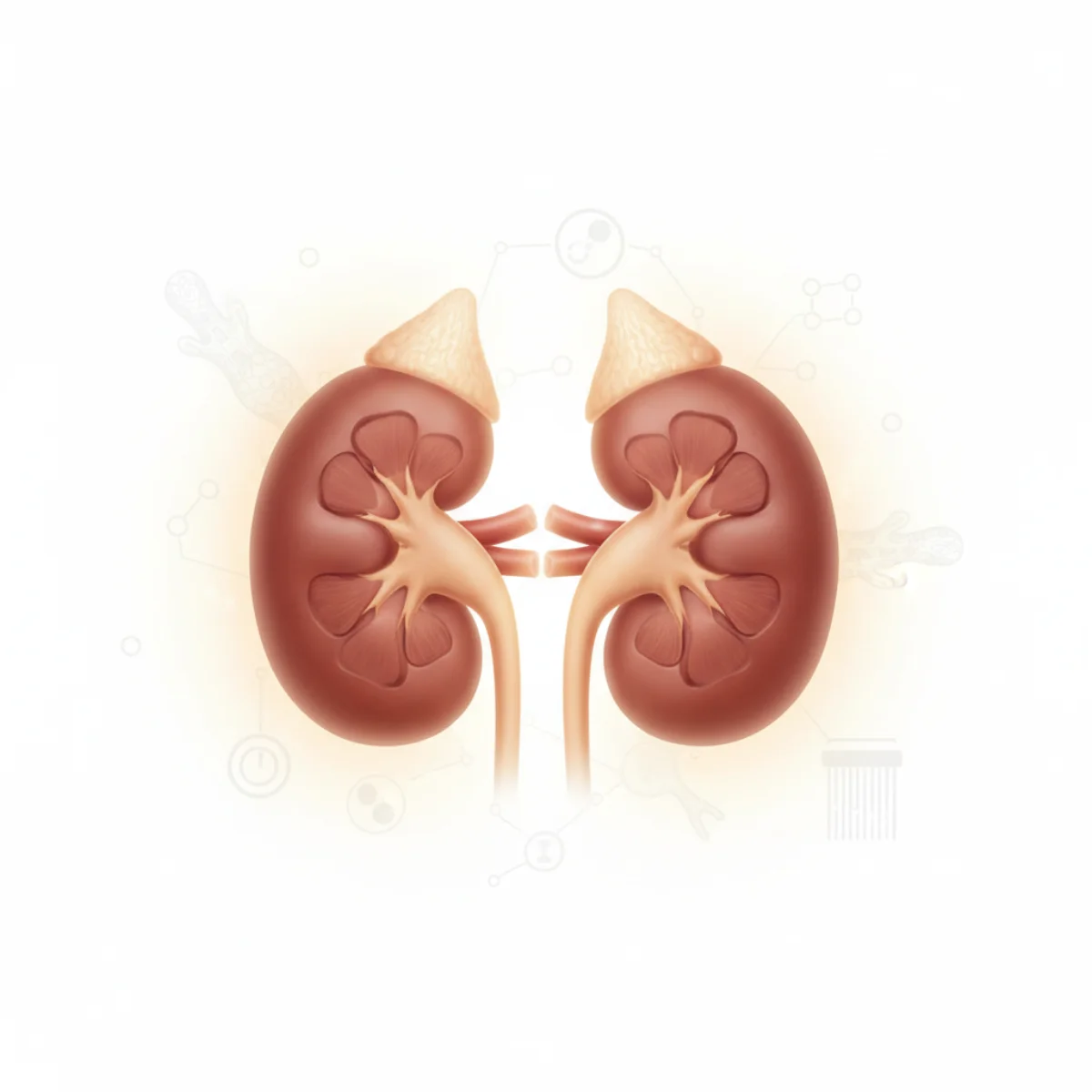
Dietary supplements are often perceived as natural and therefore safe, but some can strain or damage kidney function—particularly at high doses, with prolonged use, or in people with existing kidney disease. Your kidneys filter waste and excess water from your blood; when supplements place undue metabolic burden on these organs, kidney damage can develop silently over months or years. Understanding which supplements carry kidney risks and how to use them safely is essential, especially if you have diabetes, high blood pressure, or any history of kidney problems.
How Supplements Can Stress Kidney Function
The kidneys filter approximately 120–150 quarts of blood daily to produce about 1–2 quarts of urine. Any substance that increases electrolyte load, raises blood pressure, dehydrates tissues, or promotes stone formation can strain this delicate system. Supplements can harm kidneys through several mechanisms:
- Electrolyte imbalance: Excess sodium, potassium, or phosphorus forces kidneys to work harder to maintain blood chemistry.
- Direct toxicity: Some herbs or minerals accumulate in kidney tissue and trigger inflammation or scarring.
- Stone formation: High-dose vitamin C, vitamin D, and certain minerals increase the risk of kidney stones, which can obstruct urine flow.
- Dehydration: Stimulant supplements and diuretic herbs reduce fluid volume, concentrating waste in the kidneys.
- Drug interactions: Supplements can interfere with medications used to protect kidney health, reducing their effectiveness.
High-Risk Supplements for Kidney Health
The following supplements have the most evidence linking them to kidney stress or damage, especially when used at high doses or long-term.
Vitamin D
While vitamin D is essential for bone health and immune function, excessive intake can raise blood calcium (hypercalcemia), which damages kidney tissue and promotes stone formation. Doses above 4,000 IU daily warrant caution in susceptible individuals. People with kidney disease, sarcoidosis, or a history of kidney stones should not take supplemental vitamin D without medical guidance. Normal dietary intake and moderate sun exposure are generally safe; the risk lies in high-dose supplements.
Vitamin C (Ascorbic Acid)
The body converts excess vitamin C into oxalate, a compound that accumulates in the kidneys and urine. High supplemental doses (above 2,000 mg daily) significantly increase kidney stone risk, particularly in men and people with a personal or family history of stones. Those with chronic kidney disease, diabetes, or gout are at especially high risk. Food sources of vitamin C (citrus, berries, leafy greens) are safe because the amounts are naturally limited.
Niacin (Vitamin B3)
Niacin is sometimes taken in megadoses to lower cholesterol or support circulation, but high intake can raise uric acid levels and precipitate gout; it also stresses the kidneys' filtering capacity. Doses above 1,500 mg daily should only be taken under medical supervision and with regular kidney function tests. People taking niacin for cholesterol should discuss this with their doctor, as safer alternatives exist.
Herbal Supplements and Diuretics
Many popular herbal products directly damage kidney tissue or promote stone formation. Aristolochia (also called birthwort or Guan Mu Tong, found in some traditional Asian remedies) causes progressive kidney scarring and has been banned in many countries. Creatine monohydrate, popular with athletes, increases creatinine levels and can accelerate kidney decline in those with existing disease. Herbal diuretics like juniper, horseradish, and excessive caffeine promote fluid loss and electrolyte imbalance. Licorice root, when used long-term or in high doses, raises blood pressure and sodium retention, straining kidneys further.
Calcium Supplements
Excessive supplemental calcium—especially when combined with high-dose vitamin D—increases kidney stone risk. Food sources of calcium are safer because the body absorbs them more moderately. People should aim to meet calcium needs through diet first; supplementation should only happen when dietary intake is genuinely inadequate and under medical guidance.
Phosphate Binders and Herbal Stimulants
Some weight-loss and energy supplements contain stimulants (ephedrine, caffeine, synephrine) that raise blood pressure and reduce kidney blood flow. Ephedrine in particular has been linked to acute kidney injury. Yohimbine, extracted from the yohimbe tree, similarly elevates blood pressure and has caused kidney problems in case reports. These are best avoided, especially in those with hypertension or kidney risk factors.
Who Is at Higher Risk
Certain groups are far more vulnerable to supplement-induced kidney damage and should be especially cautious:
- People with chronic kidney disease: Any reduction in kidney function makes them exquisitely sensitive to supplement burden. Even