Taurine for Cats: Essential Amino Acid Supplementation Guide
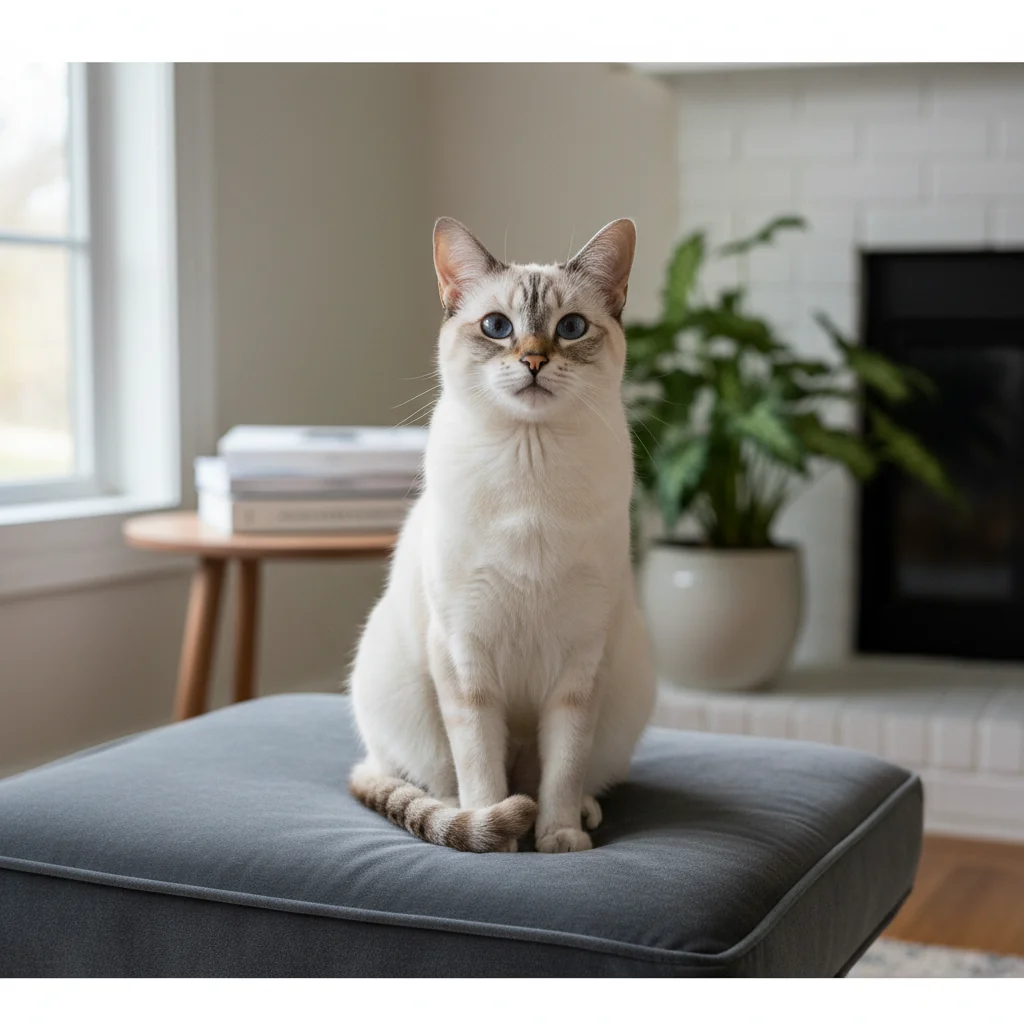
Taurine is an essential amino acid cats cannot synthesize; learn evidence-based dosing, heart health links, and safety considerations for feline supplementation.
What Is Taurine and Why Cats Need It
Taurine is a semi-essential amino acid found in high concentrations in animal tissues. Unlike dogs and humans, cats cannot synthesize adequate taurine from other amino acids (such as methionine and cysteine); they must obtain it from diet or supplementation. This metabolic difference makes taurine genuinely essential for feline health, not merely beneficial.
Taurine functions in multiple critical systems:
- Cardiac health: Taurine stabilizes cardiac myocytes and supports contractility; deficiency leads to dilated cardiomyopathy (DCM), a potentially fatal heart condition.
- Vision: Taurine is concentrated in the retina and is necessary for photoreceptor function; deficiency causes retinal degeneration and blindness.
- Immune function: Taurine modulates inflammatory responses and supports white blood cell activation.
- Neurological development: Essential for kittens' brain and nerve development.
- Bile acid conjugation: Taurine helps cats digest dietary fats efficiently.
Cats obtain taurine primarily from meat and fish. Commercial cat foods formulated to AAFCO standards now routinely include taurine supplementation after widespread DCM outbreaks in the 1980s–2000s linked to taurine deficiency. However, homemade and some grain-free diets may still fall short.
Evidence for Taurine Supplementation in Cats
Cardiac Protection: The strongest evidence for taurine supplementation concerns dilated cardiomyopathy (DCM). Published veterinary cardiology research (JAVMA, JFMS) documents that taurine-deficient cats develop DCM, and supplementation can reverse early-stage disease in some cases. A landmark study by Pion et al. (1992, JAVMA) demonstrated that taurine supplementation resolved DCM in taurine-deficient cats within weeks to months. However, this research focused on cats with documented deficiency (plasma taurine <40 μmol/L); benefit in adequately nourished cats is not established.
Vision and Retinal Health: Taurine deficiency causes central retinal degeneration and blindness in cats. Studies confirm that supplementation prevents this outcome, but again, evidence applies to deficient populations. No published RCTs examine whether extra taurine improves vision in cats with normal baseline taurine levels.
Evidence Gaps in Healthy Cats: Limited published data exists for supplementing taurine in cats eating adequate commercial diets. Most clinical evidence addresses rescue and reversal of deficiency, not enhancement beyond AAFCO requirements. Extrapolation from human endurance-athlete studies (showing ergogenic benefits) is not appropriate for felines.
Recommendation: Taurine supplementation is evidence-supported for cats with documented deficiency (diagnosed via plasma or whole-blood taurine assay) or those on homemade, raw, or non-AAFCO-compliant diets. For cats eating complete commercial food, supplementation is generally unnecessary and should only be pursued under veterinary supervision if there is clinical concern (e.g., early DCM, poor coat condition, vision changes).
Dosing by Cat Weight
Taurine dosing in cats varies by clinical context. Always work with your veterinarian to determine the appropriate amount for your cat's specific situation.
Maintenance (Adequate Diet Support): AAFCO recommends minimum 1,000 mg/kg dry matter (approximately 0.1% by weight in a typical 4% crude fat diet). This translates to roughly 10–15 mg/kg body weight daily for most adult cats.
Deficiency Reversal: Therapeutic supplementation typically ranges from 250–500 mg per cat daily, though some cardiologists use higher doses. Weight-based calculation:
- 3–4 kg cat (6–9 lb): 75–200 mg daily
- 4–5 kg cat (9–11 lb): 100–250 mg daily
- 5–6 kg cat (11–13 lb): 125–300 mg daily
- 6–7 kg cat (13–15 lb): 150–350 mg daily
- 7+ kg cat (15+ lb): 175–500 mg daily
Many supplements come as capsules (250–500 mg) or powders. Capsules can be opened and mixed into food if your cat will not swallow them whole. Dosing should be confirmed by your veterinarian, especially if your cat has a diagnosed cardiac or ophthalmologic condition.
Side Effects, Contraindications, and Drug Interactions
Safety Profile: Taurine is non-toxic at recommended doses in cats. The amino acid is water-soluble and excess amounts are excreted in urine, making overdose unlikely. No published studies document adverse effects of taurine supplementation in cats at doses used clinically (up to 500 mg daily).
High-Dose Concerns: While rare, extremely high supplemental doses (well above therapeutic ranges) lack long-term safety data in cats. Do not exceed veterinary dosing recommendations without explicit instruction.
Species-Specific Interactions: Taurine itself has no known major drug interactions in cats. However, if your cat is on cardiac medications (e.g., enalapril, pimobendan, furosemide) for DCM, taurine supplementation should be part of a coordinated protocol—inform your cardiologist of all supplements to ensure compatibility.
No Known Toxicities: Taurine is not on the ASPCA Animal Poison Control Center's toxic substance list for cats. Unlike xylitol, grapes, raisins, onions, lilies, or essential oils, taurine poses no inherent toxicity risk at any reasonable dose.
Pregnancy and Kittens: Taurine is critical during fetal development and lactation. Pregnant and nursing queens should receive adequate dietary taurine; supplementation is safe and may be necessary if diet is suboptimal. Kittens nursing from taurine-deficient mothers may develop developmental abnormalities; consult your veterinarian about supplementation for nursing litters if the dam's diet is questionable.
Choosing a Quality Taurine Product for Your Cat
Third-Party Testing: Look for products bearing a National Animal Supplement Council (NASC) quality seal or verified by independent labs (e.g., USP, NSF, ConsumerLab). These certifications confirm that the product contains the labeled amount of taurine and is free of contaminants.
Form Considerations: Taurine supplements for cats come as:
- Capsules: Easy to dose and store; can be opened and sprinkled on food if needed.
- Powders: Flexible dosing but less stable if exposed to moisture; mix into wet food or treats immediately before feeding.
- Liquid suspensions: Faster absorption and easier administration for some cats; check for added sugars or artificial sweeteners (especially xylitol, which is toxic to cats).
Purity and Inactive Ingredients: Confirm that the product contains L-taurine (the bioavailable form) and avoid products with unnecessary fillers, colorants, or flavoring agents that may upset a sensitive feline digestive system. Check the label for xylitol, which is toxic to cats and occasionally appears in chewable supplements.
Storage: Store taurine products in a cool, dry place away from direct sunlight and moisture. Some powder formulations degrade if exposed to humidity.
When to Contact Your Veterinarian
Seek immediate veterinary attention if your cat shows any of the following while on or considering taurine supplementation:
- Respiratory distress or labored breathing: May indicate DCM progression or other cardiac disease unrelated to supplementation.
- Sudden lethargy, weakness, or collapse: Possible sign of acute heart failure or other serious illness.
- Vision loss, dilated pupils, or disorientation: Suggests retinal degeneration or neurological compromise.
- Persistent vomiting, diarrhea, or loss of appetite: Possible adverse reaction or sign of underlying disease.
- Abdominal distension or pain: Rare but may indicate GI upset or other conditions.
- Changes in heart rate or irregular heartbeat: Requires cardiac evaluation; inform your vet that your cat is on taurine.
Additionally, contact your veterinarian if you notice that your cat's coat condition, energy level, or weight has not improved after 4–6 weeks on supplementation, or if you are uncertain whether your cat's current diet provides adequate taurine. A blood plasma or whole-blood taurine assay can confirm whether your cat is deficient and help guide supplementation decisions.
Key Takeaway
Taurine is a genuinely essential nutrient for cats, and supplementation is backed by strong clinical evidence for preventing and reversing deficiency-related heart and eye disease. However, most cats eating complete commercial diets already receive adequate taurine. Before adding a supplement, consult your veterinarian to confirm whether your cat needs it—especially if your cat is on a homemade, raw, or grain-free diet. Work with your vet to determine the right dose, monitor your cat's response, and ensure the product is quality-tested and free of contaminants.
Frequently asked questions
Can I give my cat taurine without a veterinarian's recommendation?
While taurine is very safe, supplementation is not routinely necessary for cats eating complete commercial diets. Your vet can assess whether your cat's current diet is adequate by checking the product label (AAFCO statement) or ordering a plasma taurine assay. Supplementing without professional guidance risks over-dosing or masking an underlying condition. Always consult your vet before starting.
What are the signs that my cat may have taurine deficiency?
Deficiency manifests gradually and may include dilated cardiomyopathy (shortness of breath, lethargy, collapse), retinal degeneration (vision loss, dilated pupils), poor coat condition, or developmental delays in kittens. These signs are serious and require veterinary evaluation. A plasma taurine test can confirm deficiency (normal level >40 μmol/L; deficient <40 μmol/L).
Is taurine safe for kittens?
Yes, taurine is essential for kitten growth and development. Kittens nursing from adequately nourished mothers obtain sufficient taurine through milk. Weaned kittens eating AAFCO-compliant food get adequate taurine. Supplementation is only necessary if a kitten's diet is homemade, inadequate, or the mother is taurine-deficient. Always consult your vet before supplementing.
Can taurine interact with my cat's heart or thyroid medications?
Taurine itself has no direct drug interactions reported in the veterinary literature. However, if your cat is on cardiac medications (e.g., enalapril, pimobendan, furosemide) for dilated cardiomyopathy, taurine supplementation should be coordinated with your cardiologist as part of a comprehensive treatment plan. Always inform your vet of all supplements.
How long does it take for taurine supplementation to work?
In cats with documented deficiency and early dilated cardiomyopathy, cardiac improvement may be observed within 2–8 weeks of supplementation. Vision loss from taurine deficiency may partially reverse if caught early, though retinal damage can be permanent. Monitor your cat's energy, breathing, and appetite during this period, and follow up with your vet as scheduled.
What should I do if my cat will not take taurine supplements?
Many cats resist capsules or powders. Options include: opening capsules and mixing powder into wet food, pâté, or a small amount of tuna juice; trying liquid suspensions; or asking your vet about compounded, flavored formulations. If administration remains difficult, discuss alternative strategies (e.g., diet change to a high-taurine food) with your veterinarian.