FDA Recalls Better Weather Fix Elixir Over Undeclared, Potentially Fatal Kratom
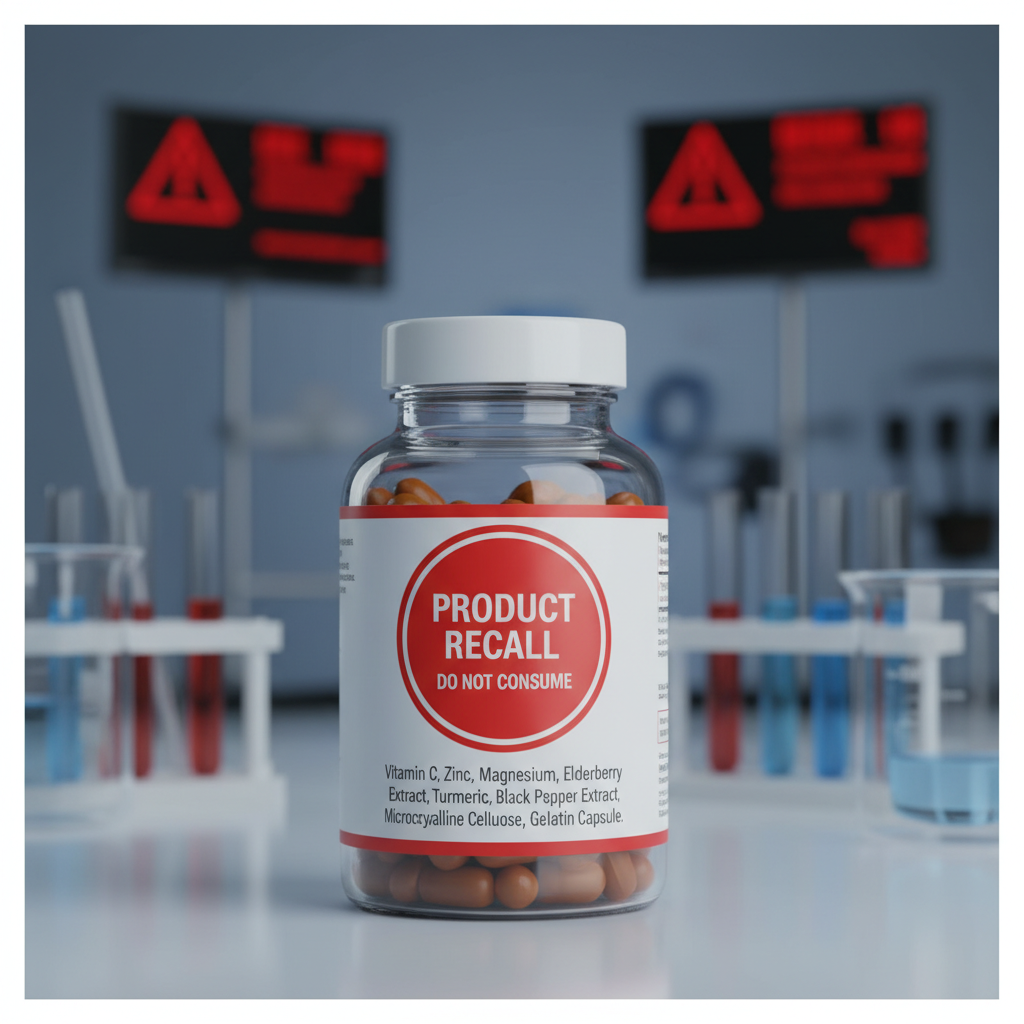
The Food and Drug Administration has issued an urgent recall for Better Weather Fix Elixir dietary supplement products due to undeclared kratom, a plant-derived stimulant capable of causing serious adverse effects. According to FOX 13 Tampa Bay, the FDA recalled the elixir across multiple batches after laboratory testing confirmed the presence of kratom alkaloids—the plant's psychoactive compounds—at undisclosed concentrations. The product was marketed as a mood or energy support supplement but contained kratom that was not listed on the label, creating risk for unintended overdose and dangerous drug interactions. The recall underscores persistent compliance gaps in dietary supplement manufacturing and the critical need for consumers to verify ingredient lists and third-party testing before purchase.
What Happened
The FDA initiated the recall of Better Weather Fix Elixir after inspection and laboratory analysis confirmed undeclared kratom in products that had been distributed to retailers and online sellers nationwide. Affected batches were identified through FDA testing, and consumers who have purchased these items are advised to cease use immediately and return the product to the point of purchase. The manufacturer failed to disclose kratom on the product label despite its presence in the formulation, violating labeling requirements under the Dietary Supplement Health and Education Act (DSHEA).
What the Source Says
Kratom (Mitragyna speciosa) is a tropical plant from Southeast Asia containing over 40 active alkaloids, with mitragynine and 7-hydroxymitragynine being the most studied compounds. The alkaloid profile and concentration vary widely by strain and harvest condition, making dosing unpredictable in unlabeled products. The FDA's recall notice specifies that undeclared kratom in dietary supplements poses a risk of adverse events including nausea, vomiting, tremor, tachycardia, and in severe cases, seizures or respiratory depression. At low to moderate doses (1–5 grams), kratom produces stimulant-like effects; at higher doses (8+ grams), it exhibits opioid-like properties. Users who unknowingly combine kratom with prescription opioids, stimulants, or certain medications face amplified risk of overdose or organ damage. The FDA does not recognize kratom as a safe dietary ingredient, and no randomized controlled trials have established a safe upper limit for kratom consumption in humans.
Beyond the Headline
This recall reflects a systemic issue in the U.S. dietary supplement market: manufacturers are responsible for ensuring label accuracy and safety, but FDA enforcement is reactive rather than preventive. Under DSHEA, companies are not required to obtain pre-market approval from the FDA; instead, the agency must prove a product is unsafe to remove it from shelves. Kratom has become a common adulterant in botanical blends and elixirs marketed for mood, energy, or pain relief, often because its psychoactive effects provide perceived consumer benefit without transparent disclosure. Prior FDA recalls and warning letters involving undeclared kratom, kava, and other botanicals have exposed this pattern of inadequate supply-chain oversight and insufficient manufacturer testing before distribution. The persistence of mislabeled kratom products suggests that current compliance mechanisms are insufficient to prevent these violations.
What This Means for Consumers
Anyone who has purchased Better Weather Fix Elixir should stop consuming it immediately and check their product packaging for batch numbers listed in the FDA recall notice. If you have taken this product and experience tremor, nausea, heart palpitations, unusual drowsiness, or seizure activity, contact poison control immediately at 1-800-222-1222 or seek emergency care. Consumers taking prescription opioids, stimulants (including high-dose caffeine), or sedatives are at particularly high risk from undeclared kratom and should consult their pharmacist or physician before using any supplement that lacks independent third-party verification. To reduce your risk of encountering adulterants: purchase supplements only from manufacturers that provide third-party testing certification (NSF International, USP, or ConsumerLab) and that list a complete ingredient statement with specific quantities. For mood and energy support, explore evidence-based alternatives with transparent labeling, such as ashwagandha for stress and mood support or B-complex vitamins, which carry lower risk of undeclared adulterants when sourced from certified manufacturers.
What to Watch Next
Monitor the FDA's official recall page for updated batch numbers, lot codes, and distribution channels as the investigation continues. The agency may expand the recall if additional testing identifies kratom in other Better Weather Fix product lines or if adverse event reports tied to this recall are submitted to the FDA's MedWatch system. Consumers should also watch for class action lawsuits filed against the manufacturer, which may offer compensation or product refunds. The FDA is expected to issue a warning letter to the company detailing manufacturing and labeling practice violations. Finally, expect increased regulatory scrutiny of kratom-containing supplements: the FDA may move toward restricting kratom's use in dietary supplements or requiring mandatory disclosure and third-party ingredient verification, similar to actions taken on ephedra in the early 2000s.