What Happened
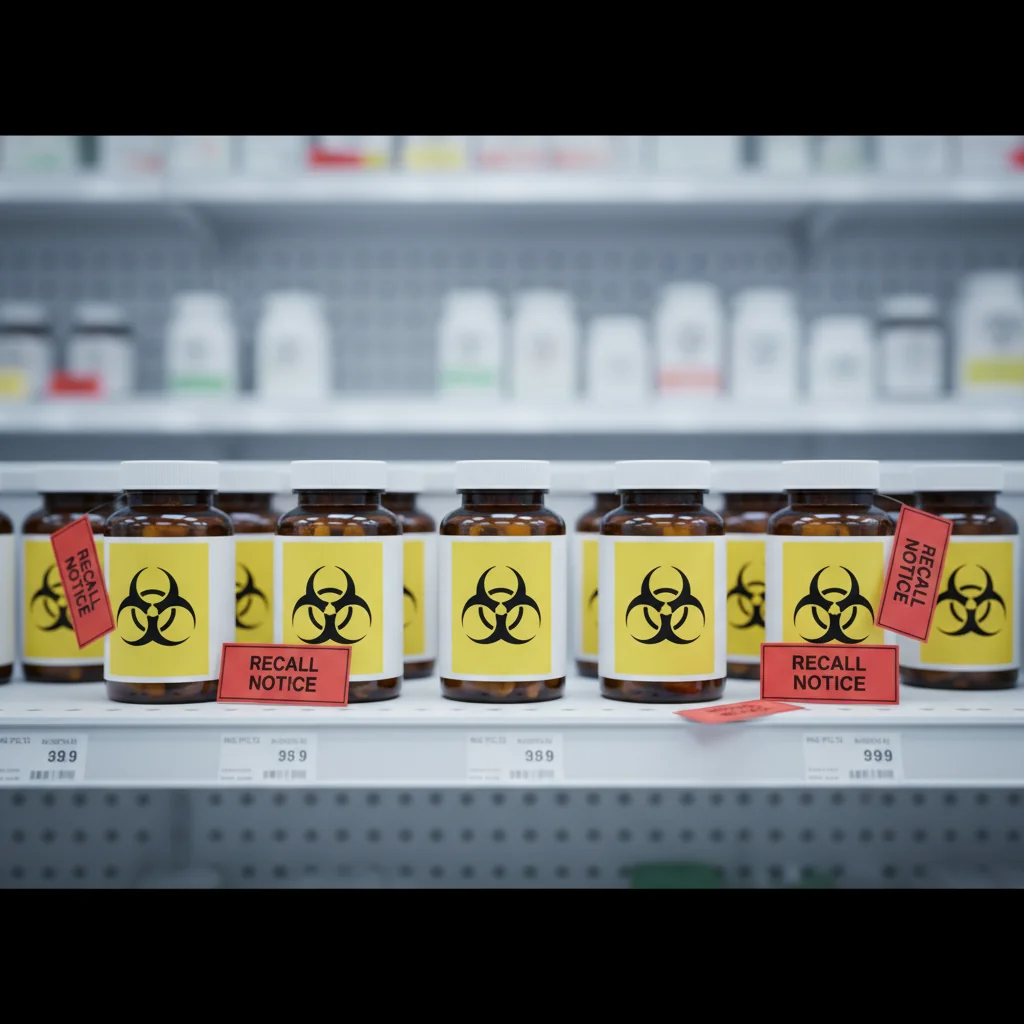
Federal health authorities reopened a multistate Salmonella outbreak investigation on May 27, 2026, after detecting a spike in cases tied to moringa dietary supplements. Since the initial closure on March 17, 2026, an additional 22 illnesses from 4 states prompted the FDA and CDC to resume their probe, bringing the total case count to 119 people sickened across multiple states. On May 26, 2026, Total Nutrition Inc. recalled TNVitamins Ultra Potent Complete Green Superfood Moringa and Doctor's Pride Complete Green Superfood Ultra Potent Moringa capsules due to possible Salmonella contamination, with specific lot numbers and expiration dates identified. Mogo Moringa LLC simultaneously announced a voluntary recall of select lots of Mogo Moringa Capsules.
Recalled TNVitamins and Doctor's Pride products are white HDPE bottles containing 120 clear capsules filled with green moringa powder. TNVitamins affected lots include lot 2507199 (exp. 09/2027), lot 2512-304 (exp. 02/2028), and lot 2793 (exp. 02/2028); Doctor's Pride lot 2507199 (exp. 09/2027); and Mogo Moringa Capsules lots 15525AA (exp. 06/2027) and 00926AA (exp. 01/2028). The products were sold nationally through Amazon, Walmart, TikTok Shop, Target, and company websites.
What the FDA and CDC Report
According to the FDA's outbreak investigation page, as of May 27, 2026, 119 people have been sickened across multiple states, with illness typically appearing within 12 to 72 hours of consuming contaminated supplements. The outbreak involves two distinct Salmonella strains: Salmonella Typhimurium and Salmonella Newport. Symptoms typically last four to seven days and include diarrhea, fever, nausea, vomiting, and abdominal cramps.
The contamination appears linked to imported moringa leaf powder used in multiple supplement formulations, indicating a potential upstream source rather than isolated manufacturing failures. Children under five, adults over 65, and immunocompromised individuals face heightened risk of severe infection. In rare cases, Salmonella infection can progress to arterial infections, endocarditis, or arthritis.
Beyond the Headlines: Supply Chain Vulnerabilities
This outbreak represents the second phase of a contamination incident that began in January 2026. The investigation was initially closed on March 17, 2026, but the emergence of new cases forced the FDA and CDC to reverse that determination and resume the probe. This pattern underscores a broader supply-chain vulnerability in dietary supplements: many ingredients, including moringa leaf powder, are imported from regions with less stringent food safety protocols than domestic manufacturers face.
Prior to the May 2026 recalls, multiple other moringa products had been recalled, including Food to Live Organic Moringa Leaf and Supergreens Mix, Why Not Natural Organic Moringa, and Live it Up Super Greens (original and wild berry flavors). This pattern suggests contamination may be endemic to a particular batch or shipment of imported moringa ingredient rather than linked to a single manufacturer's facility. The continued emergence of new cases demonstrates that supply chain tracing remains incomplete.
What This Means for Consumers
Consumers who have purchased moringa supplements—whether as standalone capsules or as ingredients in green superfood blends—should immediately check their homes for the recalled lot numbers listed by the FDA. Do not consume these products; dispose of them in household waste and contact the manufacturer for a refund if purchased.
If you have consumed moringa supplements in the past two months and develop symptoms of Salmonella infection (diarrhea, fever, abdominal cramps, nausea, vomiting), contact your healthcare provider and inform them of the supplement exposure. Healthy adults typically recover within a week, but those over 65, very young children, or individuals with weakened immune systems should seek medical attention promptly if symptoms develop, as severe infection can require hospitalization.
Consumers interested in green superfood supplements should consider alternatives that do not rely on imported moringa leaf powder until the investigation concludes and supply chains are cleared. When purchasing supplements, verify expiration dates and lot numbers against the FDA's recall list before purchase, and carefully clean any surfaces that contacted recalled products to reduce cross-contamination risk.
What to Watch Next
The FDA and CDC investigation remains ongoing. Key milestones to monitor include confirmation of whether contamination originates in the imported moringa ingredient itself or in a specific manufacturing facility, publication of an official epidemiologic summary once case numbers stabilize, and any expansion of recalls beyond currently identified brands. The agencies may issue updated lot number lists as new contaminated products are identified through distribution tracking.
Regulatory actions may include import alerts on specific suppliers of moringa leaf powder or heightened inspection of supplement manufacturers using moringa ingredients. Consumers and retailers should check the FDA website regularly for updated recall notices, as additional lot numbers may be added if new illnesses continue to be reported.