Brain Scans Link Low Choline Levels to Anxiety Disorders
Researchers have identified significantly reduced choline levels in the brains of people with anxiety disorders, according to a neuroimaging study reported by ScienceDaily. Using advanced brain imaging techniques, scientists measured brain choline concentrations in individuals with clinical anxiety and healthy controls, establishing an objective biological link between this essential micronutrient and anxiety symptoms. The discovery suggests that choline deficiency—a modifiable nutritional factor—may contribute to anxiety pathology and could potentially be addressed through dietary or supplemental approaches. This finding adds to growing evidence that micronutrient insufficiencies may underlie psychiatric conditions previously attributed primarily to genetic or psychological factors.
What Happened
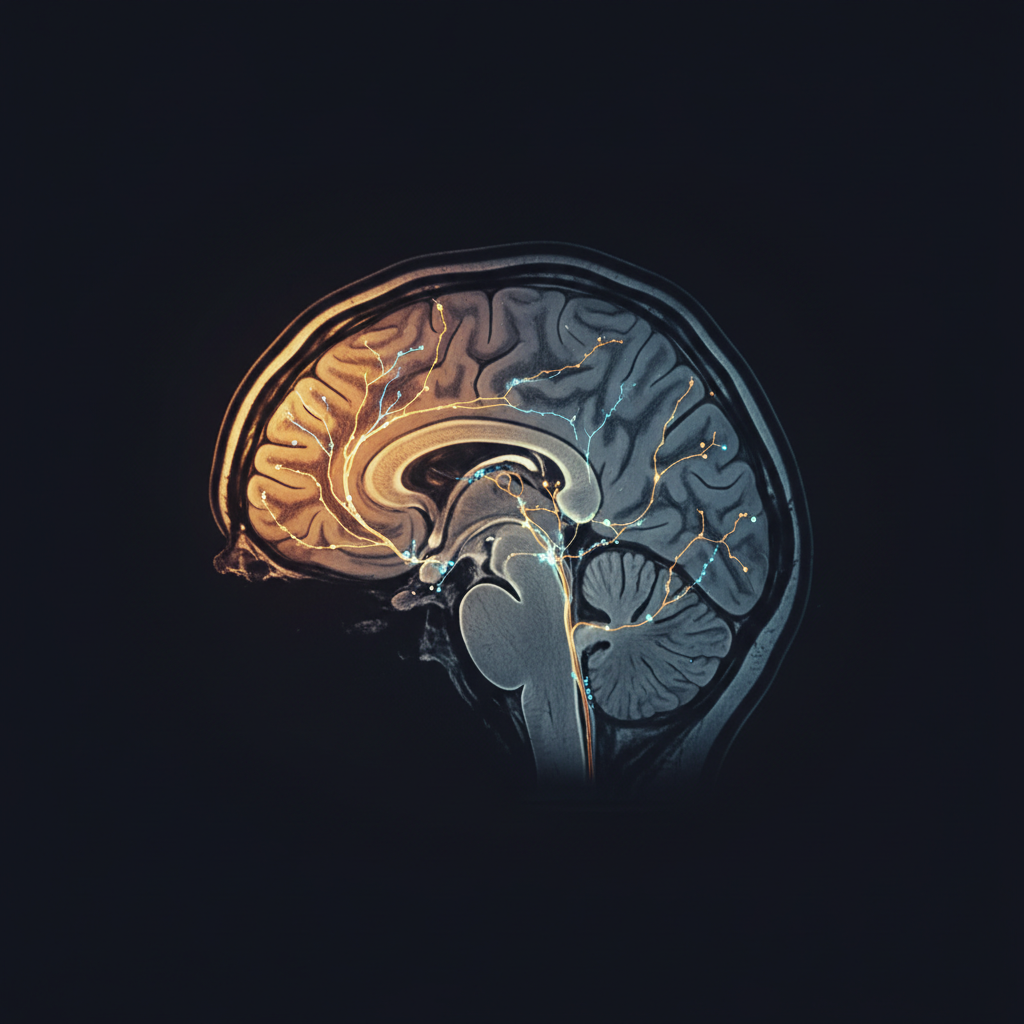
Research teams conducted a neuroimaging study comparing brain choline levels across individuals diagnosed with anxiety disorders and matched healthy control participants. Using magnetic resonance spectroscopy (MRS), a noninvasive quantitative neuroimaging technique, investigators measured choline concentration in specific brain regions implicated in fear processing and emotional regulation, including the prefrontal cortex and limbic structures. The study found that people with clinical anxiety had measurably lower choline levels in these regions compared to healthy controls. This objective, brain-based finding distinguishes the research from symptom-based or self-reported measures, providing quantitative neurochemical evidence for a potential nutritional contributor to anxiety disorders. According to ScienceDaily's coverage of the research, the timing is significant as anxiety disorders continue to rise globally, affecting roughly 4% of the adult population, and researchers increasingly examine whether modifiable nutritional factors could complement existing treatments like cognitive behavioral therapy and pharmaceutical interventions.
What the Research Says
Brain choline serves as a building block for acetylcholine, a neurotransmitter essential for attention, memory, and emotional regulation. When choline availability declines, acetylcholine synthesis drops, potentially impairing the brain's ability to dampen anxiety signals and maintain emotional homeostasis. The researchers used proton magnetic resonance spectroscopy (¹H-MRS) to directly quantify metabolite concentrations in living brain tissue—a rigorous approach that allowed them to correlate objective choline measurements with standardized anxiety assessments such as the GAD-7 (Generalized Anxiety Disorder-7) scale and rule out confounding variables including medication use and comorbid depression.
The neurochemical finding aligns with prior epidemiological data showing that dietary choline intake is often suboptimal in Western populations. The adequate intake (AI) for choline is 550 mg/day for adult men and 425 mg/day for adult women, yet many people consume significantly less. Choline deficiency has previously been linked to cognitive decline and neuroinflammation in animal models and smaller human studies, but direct brain imaging evidence of choline insufficiency in a psychiatric disorder represents a relatively novel contribution to the field of nutritional psychiatry.
Beyond the Headline
This neuroimaging finding sits at the intersection of nutritional psychiatry—a growing field examining how micronutrients influence mental health—and neurobiology. Anxiety disorders are heterogeneous, encompassing generalized anxiety disorder (GAD), social anxiety, panic disorder, and others. The fact that reduced brain choline appears across multiple anxiety diagnoses suggests a shared neurobiological vulnerability rather than a disorder-specific mechanism. This aligns with emerging models viewing psychiatric conditions as partially rooted in modifiable metabolic and nutritional dysfunctions.
The supplement industry has already begun responding to such findings. Manufacturers marketing choline-containing products—including Alpha-GPC (L-alpha-glycerylphosphorylcholine) and CDP-choline (citicoline)—will likely cite this research. Psychiatrists and functional medicine practitioners may increasingly ask patients about dietary choline sources and consider supplementation as an adjunct therapy. However, no major psychiatric or regulatory body has yet issued clinical guidance on choline dosing for anxiety based on this single study, and the findings should not be interpreted as definitive proof that supplementation will treat anxiety in all individuals.
What This Means for Consumers
For individuals with diagnosed anxiety disorders, this finding raises a practical question: should I take a choline supplement? The answer depends on several factors:
- Assess dietary intake first. People concerned about choline status should evaluate whether their diet includes adequate choline-rich foods: one large egg contains approximately 147 mg of choline, while grass-fed beef, wild salmon, Brussels sprouts, and broccoli are also rich sources. Many people can meet the adequate intake through food alone.
- If supplementing, know the standard dosages. Common forms include Alpha-GPC (typically 300–600 mg daily in divided doses) and citicoline (500–1000 mg daily). Starting at the lower end of the dose range is prudent, as individual tolerance varies. Some individuals report improved mental clarity or reduced anxiety within 2–4 weeks; others notice no subjective change. Response is highly variable between people.
- Use as a complement, not a replacement. This research does not suggest choline supplementation alone will treat clinical anxiety. Rather, it may be one element of a broader nutritional and psychological approach. Anyone with diagnosed anxiety should continue working with a mental health professional and not discontinue prescribed medications without medical guidance.
- Optimize form and timing. Choline supplements may improve absorption and blood-brain barrier penetration when taken with meals and in phospholipid forms (Alpha-GPC or citicoline) rather than simple choline chloride.
- Monitor for potential side effects. Choline supplements are generally well-tolerated, but high doses can cause headaches, dizziness, or a fishy body odor (trimethylamine). People taking medications affecting liver function or choline metabolism should consult a healthcare provider before starting supplementation.
What to Watch Next
Several developments will clarify the clinical relevance of this finding:
- Full peer-reviewed publication. The complete journal article will contain detailed methods, sample size, participant demographics, and statistical analyses. This will clarify effect sizes and whether low choline is a cause or consequence of anxiety.
- Randomized controlled trials. The next logical step is a double-blind, placebo-controlled trial testing whether choline supplementation actually reduces anxiety symptoms in people with low brain choline. Such a study would likely require 50–200+ participants, 8–12 weeks of active treatment, and standardized anxiety outcome measures.
- Biomarker refinement. Researchers may investigate whether peripheral blood choline levels or genetic variants affecting choline metabolism predict treatment response, enabling more personalized clinical recommendations.
- Clinical guideline development. Psychiatry and nutrition professional societies may eventually incorporate choline screening and supplementation into anxiety disorder protocols, though widespread adoption is likely years away and would require robust trial evidence.
In the interim, this finding underscores an important principle: many psychiatric conditions have modifiable nutritional underpinnings worthy of investigation. For consumers, the takeaway is neither to dismiss anxiety as purely psychological nor to expect a supplement to replace evidence-based therapy—but rather to adopt a comprehensive approach that includes optimal nutrition, stress management, and professional mental health care.