Yohimbine HCl: Alpha-2 Antagonist for Fat Loss & Exercise Performance
60-Second Summary
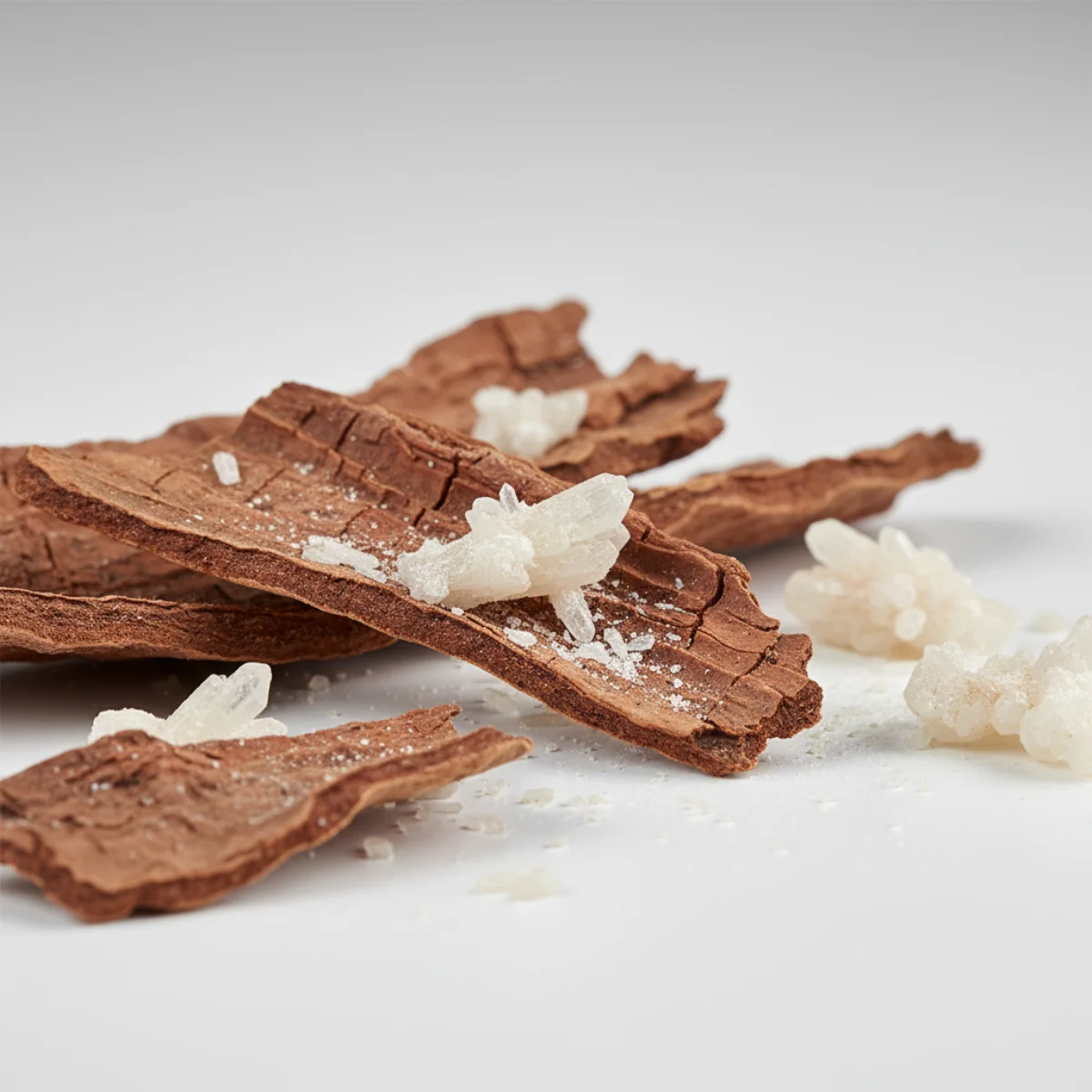
Yohimbine HCl is the hydrochloride salt form of yohimbine, an alkaloid extracted from the West African yohimbe tree bark. It works as an alpha-2 adrenergic antagonist, blocking receptors that normally suppress fat mobilization and adrenaline release. A growing body of research suggests yohimbine HCl may support fat loss, particularly during fasting or low-calorie phases, and enhance exercise performance in trained individuals. Effects are modest and individual variation is substantial; it is not suitable for people with certain cardiovascular conditions.
What is Yohimbine HCl?
Yohimbine HCl is a purified, standardized form of yohimbine—an alkaloid alkaloid compound derived from the bark of the yohimbe tree (Pausinystalia johimbe), native to West Africa. The hydrochloride (HCl) salt form improves stability, solubility, and absorption compared to raw yohimbe bark extract, making it the standard used in clinical research and commercial supplements.
Yohimbine works primarily by antagonizing (blocking) alpha-2 adrenergic receptors on cell membranes. These receptors normally suppress the release of noradrenaline (norepinephrine) and inhibit lipolysis (fat breakdown). By blocking them, yohimbine removes an inhibitory brake on sympathetic nervous system activity and fat mobilization. This mechanism is thought to increase metabolic rate slightly, enhance blood flow to adipose tissue, and potentiate the fat-mobilizing effects of other stimulants (e.g., caffeine).
Yohimbine is rapidly absorbed orally, peaks in plasma within 0.5–2 hours, and has a half-life of approximately 36 minutes. It is metabolized hepatically and excreted primarily via urine. Because of its short half-life and rapid clearance, dosing is typically split across the day.
Evidence-based benefits of Yohimbine HCl
Evidence for yohimbine HCl is moderate in quality and most robust for fat loss in specific contexts (fasting, low-calorie diet, or pre-exercise). Benefits are typically modest, and individual response varies considerably based on prior exposure to stimulants, body composition, and genetics.
Fat Loss & Body Composition
Several controlled trials and meta-analyses suggest yohimbine HCl can modestly increase fat loss when combined with a calorie-restricted diet or fasting protocol. One mechanism appears to be increased noradrenaline-driven lipolysis; another is a small increase in resting metabolic rate. Small RCTs suggest typical fat-loss benefits are in the range of 0.5–2 kg over 8–12 weeks when paired with diet and exercise. Effects are most pronounced in lean or athletic individuals and appear blunted in individuals with obesity.
Exercise Performance & Endurance
Preliminary evidence indicates yohimbine may enhance aerobic exercise capacity and time-to-fatigue, particularly in endurance-trained athletes. This may be mediated by increased sympathetic tone, improved blood flow, and enhanced oxygen delivery. Some studies show modest improvements in VO₂ max or work output at submaximal intensities. Gains are typically small (2–5% in trained cohorts) and not consistent across all studies.
Appetite Suppression
Because yohimbine increases sympathetic signaling and catecholamine release, it may reduce appetite and increase satiety, especially when fasting. This is often cited as a secondary mechanism supporting weight loss during calorie restriction. Evidence is indirect and largely observational; the appetite-suppressing effect is not as robustly quantified as the lipolytic effect.
Blood Flow & Erectile Function
Historically, yohimbine has been studied for sexual dysfunction, particularly erectile dysfunction. Its alpha-2 antagonism may improve penile blood flow and increase sympathetic tone in the context of sexual arousal. Some small RCTs show modest improvements in erectile function, though effect sizes are small and publication bias is a concern. Evidence is preliminary by modern standards.
Mood & Anxiety (Mixed Evidence)
Yohimbine can increase alertness and focus in some users, likely via catecholamine elevation. However, it may also exacerbate anxiety, jitteriness, or panic in sensitive individuals or at higher doses. Evidence for a reliable anxiolytic benefit is absent; if anything, it is a mild stimulant with anxiogenic potential in predisposed people.
Supplement forms of Yohimbine HCl, compared
Yohimbine HCl is the standard supplement form and is available as tablets, capsules, and loose powder. It is sometimes sold as "refined yohimbe" to distinguish it from whole-bark extracts, which have variable yohimbine content (typically 2–15%). The HCl salt ensures dose consistency and clinical comparability.
How much Yohimbine HCl should you take?
Effective doses of yohimbine HCl in research typically range from 2.5–20 mg per day, divided across 2–3 doses. Most fat-loss studies use 5–20 mg per day; most sexual function studies use 15–20 mg per day. Doses above 20 mg daily markedly increase side effect risk without additional benefit.
- Typical fat-loss range: 5–20 mg per day, split into 2–3 doses (e.g., 5 mg in the morning, 5 mg mid-afternoon)
- Exercise/performance range: 2.5–5 mg pre-exercise, 30–60 minutes prior
- Starting dose (stimulant-naive): 2.5 mg once daily for 3–5 days to assess tolerance; increase by 2.5 mg increments
- No established RDA or upper limit (non-essential nutrient): Safety data above 20 mg daily is sparse
- Fasting protocols: Many studies used yohimbine during fasted morning cardio; effects may be augmented in a fasted state
Take yohimbine HCl with water; food does not significantly impair absorption, but taking on an empty stomach may accelerate onset. Split daily doses evenly across the day to maintain steady noradrenaline levels. Do not combine with other sympathomimetic stimulants (e.g., caffeine at very high doses, ephedrine, DMAA) without medical guidance; synergistic effects can elevate cardiovascular stress. Allow at least 4–6 hours between the last dose and bedtime to minimize sleep disruption.
Safety, side effects, and risks
Yohimbine HCl is generally well-tolerated at doses ≤20 mg daily in healthy adults without cardiovascular contraindications. However, it is a sympathomimetic agent and carries real risks for certain populations. Always consult a clinician before using yohimbine if you have hypertension, heart disease, anxiety disorders, or are taking psychiatric medications.
Common Side Effects
Mild to moderate tremor, jitteriness, insomnia, increased heart rate, and mild anxiety are frequent, especially in stimulant-naive users or at doses >10 mg daily. These typically diminish with continued use (tolerance develops) or resolve upon dose reduction. Nausea and headache are less common.
Serious Risks (Rare)
At higher doses or in susceptible individuals, yohimbine can cause significant increases in blood pressure, tachycardia, and palpitations. Cases of acute hypertensive crisis, myocardial infarction, and stroke have been reported, particularly in individuals with undiagnosed or poorly controlled hypertension. Yohimbine can also trigger or worsen panic attacks and anxiety disorders in predisposed people. These serious events are rare but documented, especially when combined with other stimulants or in individuals with cardiovascular disease.
Pregnancy & Lactation
Insufficient safety data exist to recommend yohimbine HCl during pregnancy or breastfeeding. The stimulant effects and theoretical uterotonic activity warrant avoidance in these populations. If you are pregnant, planning pregnancy, or breastfeeding, do not use yohimbine HCl.
Psychiatric & Neurological Considerations
Yohimbine may exacerbate anxiety, panic disorder, PTSD, and certain mood disorders. People with a history of anxiety or panic should use yohimbine cautiously, if at all. Additionally, yohimbine can raise blood glucose and may interact with diabetes medications.
Important Safety Notes
This supplement is not approved by the FDA for any indication and is sold as a dietary supplement under minimal regulatory oversight. Talk to your clinician if you have hypertension, cardiovascular disease, anxiety or panic disorder, diabetes, hyperthyroidism, glaucoma, or take any psychiatric, cardiovascular, or anti-diabetic medications before using yohimbine HCl. Some over-the-counter and prescription yohimbine products are marketed for sexual function; clinical evidence for this use is modest and mixed.
Drug and nutrient interactions
- Caffeine and other stimulants (pseudoephedrine, ephedrine, DMAA): Concurrent use increases risk of excessive sympathomimetic effects, including dangerous elevations in blood pressure, heart rate, and anxiety. Separate dosing by at least 4–6 hours or avoid combination.
- Monoamine oxidase inhibitors (MAOIs) and serotonergic antidepressants (SSRIs, SNRIs): Theoretical risk of serotonin syndrome or hypertensive crisis; yohimbine is a weak monoamine reuptake inhibitor and could amplify effects of serotonergic drugs. Use only under medical supervision.
- Antihypertensive medications (ACE inhibitors, beta-blockers, calcium-channel blockers): Yohimbine's sympathomimetic and hypertensive effects may antagonize the action of blood-pressure-lowering drugs, potentially reducing their efficacy.
- Tricyclic antidepressants (amitriptyline, nortriptyline): Yohimbine may potentiate sympathetic effects and increase risk of cardiac arrhythmias or hypertension; use only under clinician guidance.
- Insulin and oral antidiabetic agents: Yohimbine can increase blood glucose; individuals on insulin or diabetes medications should monitor glucose closely and adjust dosing as needed.
- Decongestants and appetite suppressants: Combination with other sympathomimetics (phenylephrine, pseudoephedrine) increases cardiovascular stress and side effect risk.
- Thyroid hormones: Yohimbine may amplify sympathetic effects of excessive thyroid replacement; monitor closely if hyperthyroid or on high-dose thyroid hormone.
For a comprehensive check of your personal medications and supplements, use our interaction checker.
Who might benefit — and who shouldn't self-supplement without guidance
| Most Likely to Benefit from Supplementing | Use with Caution or Seek Medical Guidance First |
|---|---|
| Lean or athletic individuals on a calorie-restricted or fasting diet seeking modest fat loss enhancement | Anyone with uncontrolled or treated hypertension; yohimbine may raise blood pressure further |
| Endurance-trained athletes looking for a modest boost in aerobic performance or time-to-fatigue | People with a history of anxiety, panic disorder, PTSD, or other anxiety-related conditions |
| Stimulant-tolerant individuals (regular caffeine users) with no cardiovascular contraindications | Anyone with a history of heart disease, arrhythmias, myocardial infarction, or stroke |
| Men seeking support for sexual function with no cardiovascular risk factors (evidence is modest) | Individuals taking serotonergic antidepressants (SSRIs, SNRIs) or MAOIs without medical clearance |
| People interested in sympathomimetic stimulation for focus and alertness during fasted exercise | Pregnant women, breastfeeding women, and individuals with uncontrolled diabetes or hyperthyroidism |
| Those combining yohimbine with a structured diet and exercise program (effects are modest alone) | Individuals taking multiple other stimulants (caffeine, DMAA, ephedrine) or cardiovascular medications |
Frequently asked questions
What is the difference between yohimbine HCl and raw yohimbe bark?
Yohimbine HCl is a purified, standardized salt form of the yohimbine alkaloid extracted from yohimbe bark. Raw yohimbe bark extracts contain variable amounts of yohimbine (2–15%) plus many other alkaloids, making dosing unpredictable. Yohimbine HCl allows precise, researched dosing and is the form used in clinical trials.
How quickly does yohimbine HCl work for fat loss?
Yohimbine reaches peak blood levels within 30–120 minutes and is rapidly cleared (half-life ~36 minutes). Fat-loss benefits typically emerge over 4–8 weeks of consistent use combined with diet and exercise; it is not an overnight solution. Acute effects on energy and focus may be noticed within the first dose.
Can I stack yohimbine with caffeine or other supplements?
Yohimbine and caffeine can be used together, but both are sympathomimetics and their effects are additive. Start with lower doses of each if combining them, and monitor for excessive jitteriness, anxiety, or elevated heart rate. Avoid stacking yohimbine with other stimulants like DMAA, DMHA, or ephedrine without medical supervision.
Is yohimbine HCl safe to use long-term?
Limited long-term safety data exist beyond 12 weeks of continuous use. Many studies are 8–12 weeks in duration. Some users report tolerance development within 2–4 weeks, requiring dose increases or cycling off for a period. Consult a clinician before using yohimbine long-term, especially if you have any cardiovascular or psychiatric risk factors.
Will yohimbine HCl cause anxiety or panic attacks?
Yohimbine can increase anxiety, jitteriness, and even trigger panic attacks in sensitive individuals, especially at higher doses or in those with a history of anxiety disorders. If you have anxiety or panic disorder, use yohimbine cautiously at low doses, or avoid it entirely and consult your doctor first.
What is the best time of day to take yohimbine for fat loss?
Most research on fat loss used yohimbine during fasted morning cardio or early in the day. Splitting doses (e.g., 5 mg in the morning and 5 mg mid-afternoon) maintains steady noradrenaline levels. Take the last dose at least 4–6 hours before bed to prevent sleep disruption.
Does yohimbine HCl really work for sexual function?
Historical evidence for yohimbine in sexual dysfunction is modest and mixed; some small trials show mild improvements in erectile function, while others show no benefit. Evidence is much weaker than for pharmaceutical treatments. If sexual dysfunction is a concern, discuss prescription or evidence-based options with your doctor first.
Related ingredients
Caffeine Anhydrous
Related ingredient — see the Caffeine Anhydrous reference page.
Alpha Lipoic Acid Ala
Related ingredient — see the Alpha Lipoic Acid Ala reference page.
Acetyl L Carnitine Alcar
Related ingredient — see the Acetyl L Carnitine Alcar reference page.
Cla Conjugated Linoleic Acid
Related ingredient — see the Cla Conjugated Linoleic Acid reference page.
Coleus Forskohlii
Related ingredient — see the Coleus Forskohlii reference page.
Beta Alanine
Related ingredient — see the Beta Alanine reference page.
Disclaimer: This information is for educational purposes only and should not replace medical advice. Always consult a qualified healthcare provider before starting any supplement, especially if you have a medical condition, are pregnant, or take prescription medications. These statements have not been evaluated by the Food and Drug Administration. This product is not intended to diagnose, treat, cure, or prevent any disease.