Mucuna Pruriens: Natural L-Dopa Source for Dopamine, Mood & Movement
60-Second Summary
Mucuna pruriens is a tropical legume (velvet bean) rich in L-dopa (levodopa), a precursor to the neurotransmitter dopamine. Traditionally used in Ayurvedic medicine, it is studied for supporting mood, motivation, motor function, and as a complementary approach in Parkinson's disease management. Evidence suggests potential benefits for dopamine-related concerns, though clinical data remains limited and supplementation requires medical oversight, especially alongside conventional treatments.
What is Mucuna Pruriens?
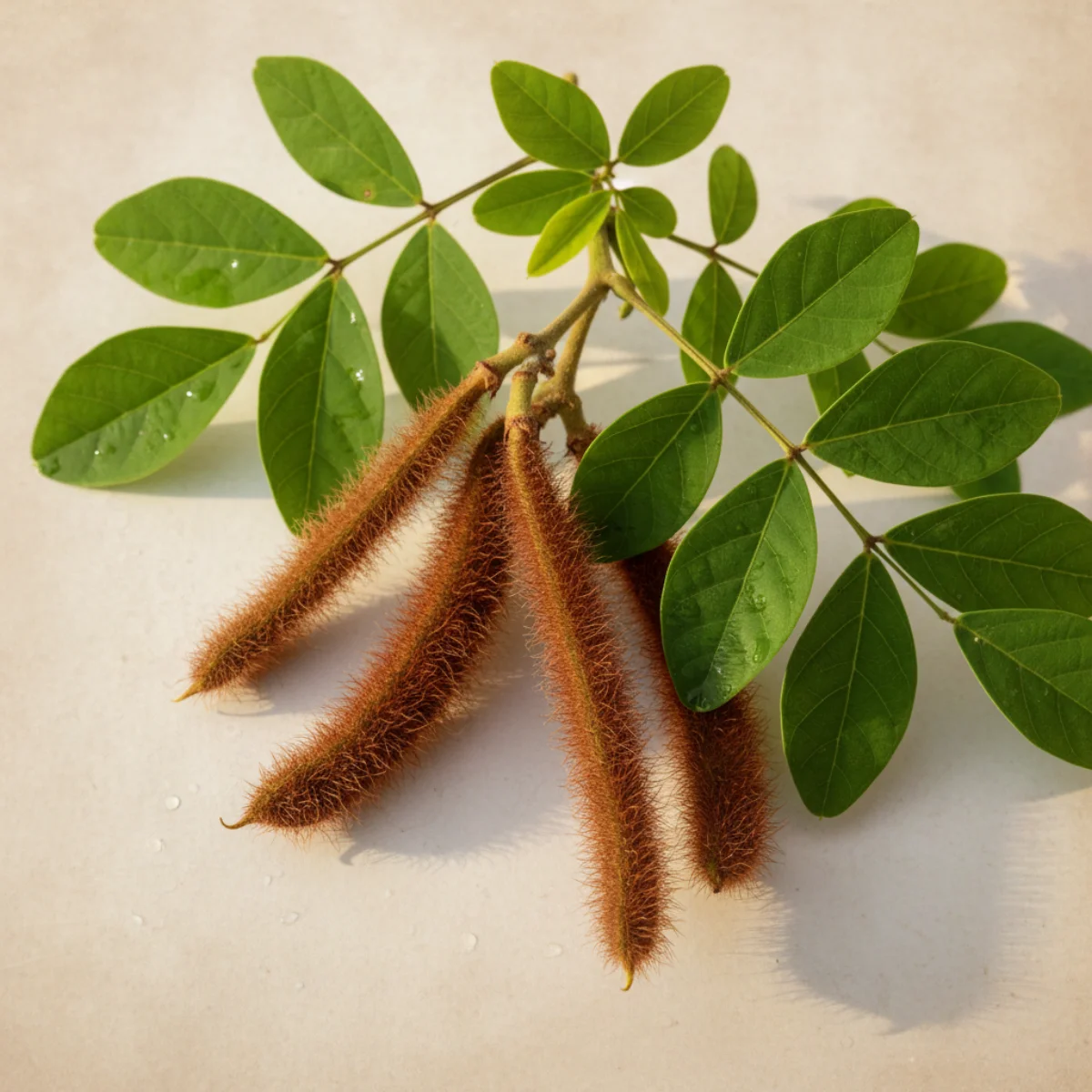
Mucuna pruriens, commonly known as velvet bean or kapikacchu, is a tropical climbing plant native to Africa and India. The plant is named for the fine hairs covering its seed pods that produce an itching sensation when touched. Commercially, the standardized extract or whole powder is valued primarily for its content of L-dopa (levodopa), a non-protein amino acid that serves as the immediate precursor to dopamine synthesis in the brain and peripheral nervous system.
L-dopa crosses the blood-brain barrier more readily than dopamine itself, making it an attractive natural source for supporting dopamine levels. Once absorbed and delivered to dopamine-producing neurons, L-dopa is converted to dopamine via the enzyme aromatic amino acid decarboxylase (AADC). This mechanism has made mucuna pruriens a subject of interest both in traditional Ayurvedic practice and in modern neuroscience research, particularly for conditions characterized by dopamine insufficiency.
The bioavailability of L-dopa from mucuna pruriens seed powder varies depending on the extraction method and standardization level. Standardized extracts typically contain 15-40% L-dopa by weight, whereas whole-seed powders contain lower and more variable concentrations. Absorption is enhanced when taken on an empty stomach or with carbohydrates, though timing relative to other amino acids (particularly those competing for large neutral amino acid transporters) affects its delivery to the central nervous system.
Evidence-based benefits of Mucuna Pruriens
Mucuna pruriens has been investigated for a range of neurological and mood-related applications, with evidence quality varying considerably. The most established use relates to dopamine support, though human clinical trial evidence remains modest compared to pharmaceutical standards.
Dopamine and Mood Support
Small clinical studies and multiple in vitro/animal models suggest that mucuna pruriens L-dopa supplementation may support baseline dopamine levels and subjective mood markers. A few small human trials in non-Parkinson's populations have noted modest improvements in motivation and mood-related measures, though these studies are often limited in size and duration. Effects are not equivalent to prescription dopaminergic drugs and onset is typically gradual over weeks.
Motor Function and Parkinson's Disease
Mucuna pruriens has garnered attention as a potential complementary approach in Parkinson's disease, where dopamine depletion is central to symptom progression. A small number of case reports and open-label studies suggest that mucuna-derived L-dopa may produce measurable improvements in motor symptoms (rigidity, tremor, bradykinesia) in some individuals. However, evidence remains preliminary and non-comparative; no large, well-controlled trials have directly compared mucuna pruriens to carbidopa-levodopa. Individuals with Parkinson's disease should regard this only as an adjunctive option under neurologist supervision.
Sexual Function and Libido
Traditional Ayurvedic use and a handful of small clinical studies suggest mucuna pruriens may support sexual function and arousal, with proposed mechanisms involving dopamine-mediated motivation and penile blood flow. Evidence is limited and largely observational; high-quality randomized controlled trials in this indication are lacking.
Fertility and Sperm Health
Some preliminary studies in animals and small human cohorts have suggested that mucuna pruriens seed powder may support semen parameters (volume, motility, count) and male fertility markers. Mechanisms may involve antioxidant effects of seed compounds alongside dopamine support. Human evidence remains sparse and heterogeneous.
Antioxidant Activity
Beyond L-dopa, mucuna seed contains polyphenols and other phytochemicals with in vitro antioxidant capacity. Whether whole-plant antioxidant effects translate to meaningful clinical benefit in humans is not yet established from rigorous trials.
Supplement forms of Mucuna Pruriens, compared
Mucuna pruriens is commercially available as a whole seed powder, standardized extract (typically standardized to 15-40% L-dopa), and occasionally as a dried bean preparation. Standardized extracts provide more consistent L-dopa dosing and are generally preferred for clinical use; whole seed powders vary widely in L-dopa content and may carry higher contamination risk.
How much Mucuna Pruriens should you take?
Typical effective doses of mucuna pruriens vary based on the form and standardization. Most clinical studies have used standardized extracts delivering 250–1000 mg of L-dopa per dose, taken once or twice daily.
- Standardized extract (15–40% L-dopa): 500–1500 mg once or twice daily, providing roughly 75–600 mg L-dopa per dose.
- Whole seed powder: 3–5 g once daily, though L-dopa content is unpredictable (typically 50–150 mg per serving depending on source).
- Parkinson's disease (adjunctive): Some small studies used 5–15 g of whole powder or equivalent standardized extracts; never replace or modify prescribed carbidopa-levodopa without specialist input.
- Optimized timing: Take on an empty stomach or with a carbohydrate source to enhance L-dopa absorption; avoid concurrent intake of high-protein meals or branched-chain amino acids, which compete for transport.
Onset of effects typically requires 2–4 weeks of consistent use. Long-term safety data beyond 6–12 months of continuous use is limited. If stacking with 5-HTP, dopamine agonists, or other neurotransmitter-supporting supplements, seek professional guidance to avoid overstimulation or interactions.
Safety, side effects, and risks
Mucuna pruriens is generally well tolerated at recommended doses, though L-dopa is a potent neuroactive compound and carries real risks, particularly in those with cardiovascular disease, psychiatric conditions, or concurrent medications. Serious adverse events are uncommon at supplemental doses but require vigilance.
Common Side Effects
Nausea is the most frequently reported side effect, often dose-dependent and typically managed by taking the supplement with food or by gradually titrating the dose upward. Headache, dizziness, and mild gastrointestinal upset have been noted in some users. Insomnia or mild stimulation (especially if taking higher doses) can occur due to increased dopamine tone.
Serious Risks and Contraindications
Individuals with a personal or family history of psychosis, bipolar disorder, or schizophrenia should avoid mucuna pruriens, as dopamine elevation may exacerbate psychotic symptoms. Those with uncontrolled hypertension, recent myocardial infarction, or severe cardiac arrhythmias should not use this supplement without cardiologist clearance. Excessive L-dopa intake may precipitate dyskinesia (involuntary movements), especially in Parkinson's patients already on carbidopa-levodopa. Do not exceed recommended doses in an attempt to accelerate benefits.
Pregnancy and Lactation
Safety data in pregnancy and lactation are insufficient; this supplement should be avoided in pregnant and nursing women until more evidence accrues.
YMYL Disclaimer
This information is educational and does not replace professional medical advice. If you have Parkinson's disease, cardiovascular disease, psychiatric conditions, or take medications affecting dopamine or blood pressure, consult your physician or neurologist before starting mucuna pruriens. Do not discontinue or modify prescribed medications based on supplement use.
Drug and nutrient interactions
- Levodopa/Carbidopa (Sinemet): Concurrent supplementation with mucuna pruriens (which contains additional L-dopa) may unpredictably increase dopaminergic effect and risk of dyskinesia or motor complications. Medical supervision and dose adjustment of pharmaceuticals may be necessary.
- Monoamine Oxidase (MAO) Inhibitors (phenelzine, tranylcypromine, moclobemide): These psychiatric medications impair dopamine breakdown. Combined use with mucuna pruriens risks dangerous elevation of dopamine and hypertensive crisis. Contraindicated without specialist guidance.
- Dopamine Agonists (bromocriptine, pramipexole, ropinirole): Concurrent use may potentiate dopaminergic effects and increase dyskinesia or cardiovascular stress. Medical monitoring is essential.
- Antipsychotics (haloperidol, risperidone, olanzapine): These drugs block dopamine receptors, potentially counteracting mucuna pruriens' effects and increasing psychiatric instability. Avoid combination without psychiatrist oversight.
- 5-HTP: Combining L-dopa and serotonin precursors may cause excessive neurotransmitter stimulation. Stack cautiously and under professional guidance.
- Antihypertensive medications: L-dopa can elevate blood pressure; concurrent antihypertensives may require dose adjustment. Monitor BP regularly if combining.
- Large Neutral Amino Acids (BCAAs, phenylalanine, tyrosine): These compete with L-dopa for intestinal and blood-brain transport, potentially reducing mucuna pruriens bioavailability. Separate dosing by 2–3 hours when possible.
For a comprehensive interaction check, consult our interaction-checker tool or speak with a pharmacist or physician before starting supplementation, especially if you take prescription medications.
Who might benefit — and who shouldn't self-supplement without guidance
| Most likely to benefit from supplementing | Use with caution or seek medical guidance first |
|---|---|
| Healthy adults seeking mood and motivation support; those with mild dopamine-related fatigue or reduced libido | Individuals with Parkinson's disease (adjunctive use only, under neurologist supervision) |
| Men exploring natural support for fertility and sexual function | Those with a history of psychosis, bipolar disorder, or schizophrenia |
| Individuals interested in plant-based dopamine precursor sources as part of a comprehensive wellness regimen | People with uncontrolled hypertension, cardiovascular disease, or recent heart events |
| Patients currently taking MAO inhibitors, antipsychotics, dopamine agonists, or other psychotropic medications | |
| Pregnant and nursing women (insufficient safety data) |
Frequently asked questions
How much L-dopa is in a typical mucuna pruriens supplement?
Standardized extracts typically contain 15–40% L-dopa by weight; a 500 mg standardized extract capsule might deliver 75–200 mg of L-dopa. Whole seed powders are less predictable, often ranging from 50–150 mg L-dopa per 3–5 g serving. Always check the label for L-dopa content or standardization percentage.
How long does it take to feel effects from mucuna pruriens?
Most users report noticeable changes in mood, motivation, or motor symptoms after 2–4 weeks of consistent daily use. Effects are generally subtle and gradual, not immediate. If no benefit is observed after 4–6 weeks at an adequate dose, the supplement may not be effective for you.
Can I take mucuna pruriens if I have Parkinson's disease?
Mucuna pruriens may be explored as an adjunctive supplement under close neurologist supervision, but should never replace carbidopa-levodopa or other prescribed treatments. The combination can increase dyskinesia risk and requires professional monitoring of motor symptoms and dose adjustments. Always inform your neurologist before use.
Is mucuna pruriens safe to take long-term?
Long-term safety data beyond 6–12 months of continuous use are limited. While short-term use at recommended doses is generally well tolerated, chronic high-dose supplementation risks tolerance, dyskinesia, and cardiovascular strain. Periodic breaks and medical oversight are prudent for long-term use.
Can I stack mucuna pruriens with 5-HTP or other mood supplements?
Combining L-dopa with serotonin precursors like 5-HTP may cause excessive neurotransmitter stimulation and increase the risk of side effects. If you wish to combine supplements, do so cautiously and under professional guidance, ideally with a practitioner experienced in supplement-drug interactions.
What should I avoid taking with mucuna pruriens?
Avoid high-protein meals, branched-chain amino acids (BCAAs), and other large neutral amino acids within a few hours, as they compete with L-dopa for absorption. Do not combine with MAO inhibitors, antipsychotics, or dopamine agonists without medical supervision. Inform your doctor of all medications and supplements before starting.
Does mucuna pruriens cause nausea, and how can I minimize it?
Nausea is the most common side effect, particularly at higher doses or on an empty stomach. Taking the supplement with a carbohydrate-rich snack (banana, oats) often reduces nausea. You can also start with a lower dose and gradually increase it over 1–2 weeks to allow tolerance to build.
Related ingredients
5 Htp
Related ingredient — see the 5 Htp reference page.
Coq10 Coenzyme Q10
Related ingredient — see the Coq10 Coenzyme Q10 reference page.
Ashwagandha
Related ingredient — see the Ashwagandha reference page.
Bacopa Monnieri
Related ingredient — see the Bacopa Monnieri reference page.
Eleuthero Siberian Ginseng
Related ingredient — see the Eleuthero Siberian Ginseng reference page.
Disclaimer: This information is for educational purposes only and should not replace medical advice. Always consult a qualified healthcare provider before starting any supplement, especially if you have a medical condition, are pregnant, or take prescription medications. These statements have not been evaluated by the Food and Drug Administration. This product is not intended to diagnose, treat, cure, or prevent any disease.