Magnolia Bark: Stress & Sleep Support from Traditional Asian Medicine
60-Second Summary
Magnolia bark is a botanical extract from Magnolia officinalis, a tree native to East Asia, traditionally used to support relaxation and sleep quality. Its primary bioactive compounds—honokiol and magnolol—are studied for their potential to modulate stress response and promote calm without sedation. While evidence is preliminary in humans, animal and in vitro research suggests these compounds may interact with GABA and other relaxation-related pathways. Safety data is generally favorable for short-term use, though long-term human evidence remains limited.
What is Magnolia Bark?
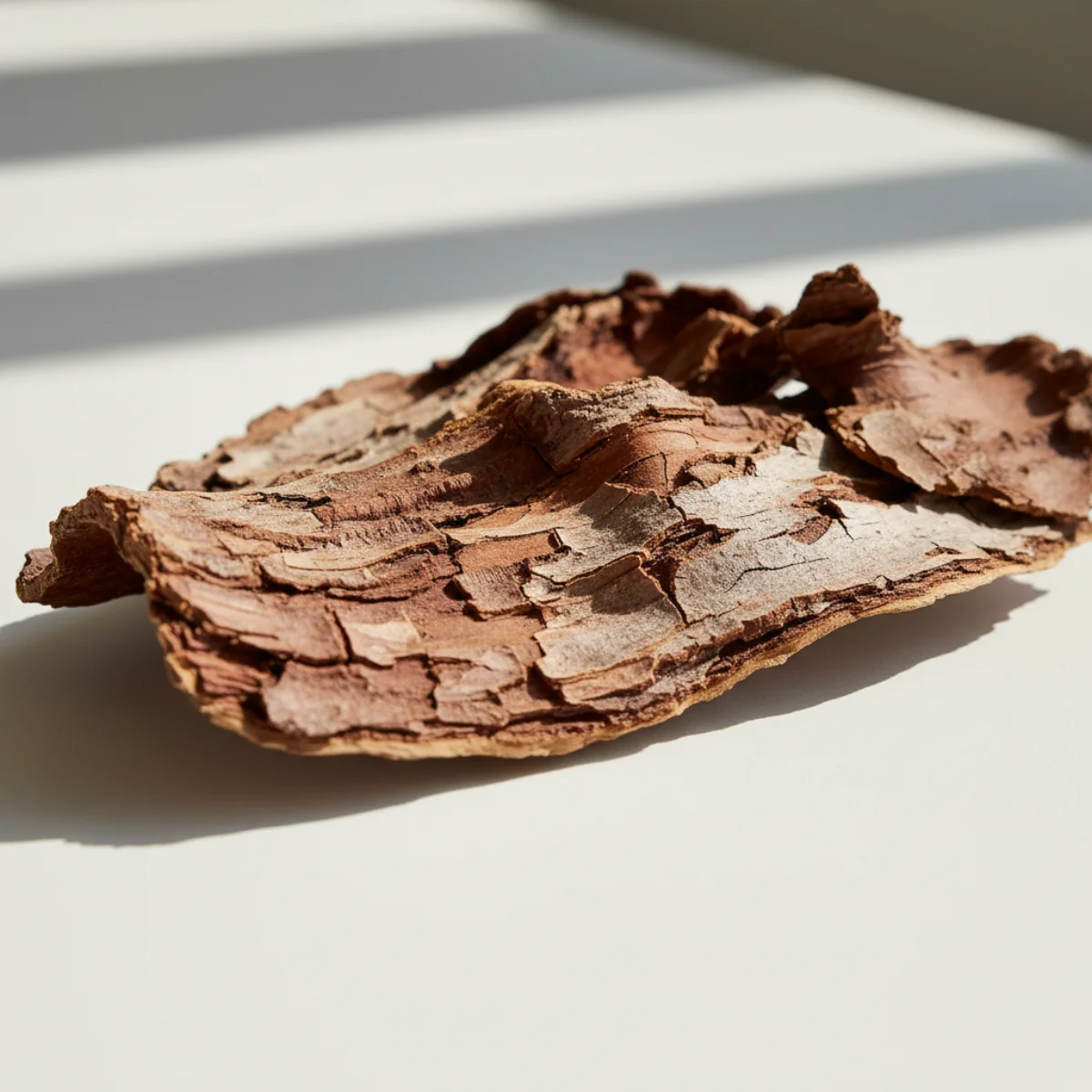
Magnolia bark is an herbal extract derived from the bark of Magnolia officinalis, a deciduous tree native to China and Japan that has been used in traditional Chinese and Japanese medicine for over a thousand years. The extract is standardized to contain its principal bioactive alkaloids and lignans: honokiol and magnolol, which make up roughly 0.5–1% of the dried bark by weight.
The mechanism by which magnolia bark is thought to support relaxation involves its interaction with multiple neural and hormonal pathways. Honokiol and magnolol are believed to modulate GABA (γ-aminobutyric acid) receptor signaling, the brain's primary inhibitory neurotransmitter system, potentially promoting a calm state without the sedation typical of classical GABA agonists. Additionally, the compounds may influence serotonin and dopamine pathways and may help modulate cortisol—the primary stress hormone—though human evidence for cortisol suppression remains limited.
Magnolia bark is commercially available as a dried powder, standardized liquid extract, or encapsulated extract, typically standardized to 20–50% honokiol and magnolol content. Bioavailability studies in animals suggest that honokiol and magnolol are absorbed through the gut, though human pharmacokinetic data are sparse. The compounds are metabolized hepatically and excreted relatively quickly, which is consistent with the traditional use pattern of taking magnolia bark doses multiple times daily.
Evidence-based benefits of Magnolia Bark
Magnolia bark is primarily studied for its calming and sleep-supporting properties. While human clinical trials remain limited, in vitro research and animal models suggest several potential benefits related to stress response, relaxation, and sleep architecture.
Sleep Quality and Relaxation
Small studies and animal models suggest that honokiol and magnolol may help promote relaxation and support sleep onset without producing morning grogginess. A limited number of human studies have reported improvements in subjective sleep quality and latency to sleep onset at typical doses, though these studies are often small and lack robust control groups. The proposed mechanism involves enhancement of GABAergic tone and possible sigma-1 receptor modulation.
Stress and Anxiety Response
Preliminary evidence suggests magnolia bark may help modulate the physiological stress response. Animal studies show honokiol can reduce anxiety-like behavior in models of acute and chronic stress. Human clinical trial data are sparse, but observational reports and small open-label studies suggest that magnolia bark users report subjective reductions in nervousness and tension, particularly when combined with other adaptogenic herbs. More rigorous RCTs in human volunteers are needed to confirm efficacy.
Cortisol Modulation
Some in vitro and animal research indicates that honokiol and magnolol may suppress excessive cortisol secretion or buffer cortisol-induced cellular stress. However, robust human RCTs measuring cortisol suppression at clinically relevant doses are lacking. The evidence remains mechanistic and preclinical rather than clinically validated.
Neuroprotection and Cognitive Support
Honokiol has shown neuroprotective properties in cell and animal models, including potential antioxidant and anti-inflammatory effects on neurons. Some early research suggests a role in supporting cognitive resilience under stress, though human efficacy data for cognitive enhancement are not yet established. This remains an area of active research rather than a validated health claim.
Anti-Inflammatory Effects
The lignans in magnolia bark exhibit in vitro and animal-model anti-inflammatory activity, possibly through NF-κB pathway modulation. Whether these effects translate to clinically meaningful reductions in systemic inflammation in humans is not yet clear, and magnolia bark should not be relied upon as a primary anti-inflammatory therapeutic agent.
Supplement forms of Magnolia Bark, compared
Magnolia bark is commercially available as a standardized extract (typically 20–50% honokiol and magnolol by weight), supplied as a dried powder, encapsulated extract, or liquid tincture. Most clinical research and traditional use have centered on standardized extracts at this level; whole-bark powders are less standardized and may have lower and more variable bioactive content.
How much Magnolia Bark should you take?
Effective doses of magnolia bark extract in human studies and traditional use typically range from 250 mg to 1,000 mg per day of standardized extract (20–50% honokiol and magnolol), often divided into two to three doses. Long-term optimal dosing and maximum safe duration of use have not been formally established in humans.
- Standardized extract: 250–500 mg once or twice daily for sleep and relaxation support; up to 1,000 mg per day in divided doses for more pronounced stress-response support.
- Whole-bark powder: 1–3 grams per day, though bioactive content is less standardized and less predictable.
- Tincture or liquid extract: Typically 2–4 mL (as directed on product label) once or twice daily.
- Duration: Most studies have examined short-term use (4–12 weeks). Long-term safety beyond 3–6 months has not been formally studied in humans.
Magnolia bark extract can be taken with or without food, though some users report mild GI effects if taken on an empty stomach. If using magnolia bark for sleep, a single dose 1–2 hours before bedtime is common. Do not exceed manufacturer recommendations without medical guidance. Combining magnolia bark with other sedating herbs (valerian, passionflower) or benzodiazepines may potentiate effects and should be done only under professional supervision.
Safety, side effects, and risks
Magnolia bark extract has a relatively favorable safety profile for short-term use, with few serious adverse events reported in the limited human literature. However, long-term safety, especially beyond 6 months of continuous use, has not been rigorously evaluated in humans. As with any herbal supplement, quality and contamination risks vary by manufacturer.
Common Side Effects
Reported side effects are generally mild and infrequent, including headache, dizziness, dry mouth, and mild gastrointestinal discomfort (particularly nausea if taken on an empty stomach). Some users report vivid dreams or slight drowsiness the morning after use, though this is not universal. Most side effects resolve upon dose reduction or discontinuation.
Serious or Rare Risks
No deaths or serious organ toxicity have been formally reported with magnolia bark supplementation at recommended doses. However, allergic reactions (though rare) are theoretically possible, particularly in individuals with tree pollen allergies. Individuals with a history of hypersensitivity to magnolia or related plants should exercise caution. The long-term neuropharmacological effects of chronically elevated GABA-modulating compounds are not fully characterized in humans.
Pregnancy and Lactation
Safety data in pregnancy and lactation are absent. Magnolia bark has been used in some traditional medicine contexts during pregnancy, but there is no modern clinical evidence supporting its safety for pregnant or nursing individuals. It is prudent to avoid magnolia bark supplementation during pregnancy and lactation unless explicitly cleared by an obstetrician.
Important Safety Notes
Magnolia bark is not a replacement for standard medical care for anxiety disorders, sleep disorders, or major depressive disorder. If you have a diagnosed anxiety disorder, insomnia, depression, or uncontrolled stress-related symptoms, speak with a clinician before adding magnolia bark. Individuals taking prescription anxiolytics, sedatives, antidepressants, or medications for mood or sleep should consult a healthcare provider before using magnolia bark, as the potential for additive effects exists.
Drug and nutrient interactions
- Benzodiazepines (e.g., alprazolam, lorazepam): Additive central nervous system depression is theoretically possible; concurrent use should be medically supervised.
- Barbiturates (e.g., phenobarbital): Potential for enhanced sedation or CNS depression; medical supervision advised.
- Sedating antihistamines (e.g., diphenhydramine): Combined use may increase drowsiness or CNS depression; separate doses or use during evening hours only.
- Antidepressants (SSRIs, SNRIs): No direct pharmacokinetic interaction documented, but additive effects on mood and serotonin signaling are theoretically possible; inform your healthcare provider.
- Alcohol: Magnolia bark may potentiate alcohol's depressant effects on the central nervous system; concurrent use should be minimized or avoided.
- Other GABAergic or sedating herbs (valerian, passionflower, chamomile, lemon balm): Additive relaxation or sedation may occur; stacking should be done cautiously and under guidance.
This list is not exhaustive. For a comprehensive interaction check based on your full medication and supplement profile, use our Interaction Checker or consult your pharmacist or healthcare provider.
Who might benefit — and who shouldn't self-supplement without guidance
| Most Likely to Benefit from Magnolia Bark | Use with Caution or Seek Medical Guidance First |
|---|---|
| Individuals with occasional stress or mild tension who prefer herbal support over prescription anxiolytics. | Those with diagnosed anxiety disorders, panic disorder, or major depressive disorder. |
| People seeking non-habit-forming support for sleep quality and relaxation. | Individuals taking benzodiazepines, barbiturates, or other CNS depressants. |
| Individuals interested in traditional Asian botanical medicine and adaptogenic approaches to wellness. | Pregnant or nursing individuals (safety not established). |
| Those looking for a mild, non-sedating calming agent that can be used during the day or evening. | People with a history of allergic reactions to tree pollens or magnolia species. |
| Individuals integrating magnolia bark with other stress-reduction practices (meditation, exercise, therapy) as part of a holistic approach. | Those considering long-term use beyond 6 months without periodic medical reassessment. |
Frequently asked questions
How long does magnolia bark take to work for sleep or anxiety?
Some users report effects within 30 minutes to 1 hour of taking magnolia bark extract, particularly for relaxation and sleep onset. However, onset varies widely depending on the dose, form, stomach contents, and individual metabolism. For consistent sleep support, most research suggests regular use over several days to weeks may be more beneficial than single-dose use.
Is magnolia bark safe to take long-term?
Short-term safety (4–12 weeks) is supported by limited human data and traditional use. Long-term safety beyond 6 months has not been formally studied in modern clinical trials. If you are considering extended use, discuss periodic monitoring with your healthcare provider to ensure continued appropriateness.
Can I take magnolia bark with my antidepressant or anxiety medication?
Magnolia bark may have additive effects on the central nervous system when combined with prescription anxiolytics, sedatives, or antidepressants. Do not add magnolia bark without consulting your prescriber, as dose adjustments or monitoring may be necessary to avoid excessive sedation or other interactions.
What form of magnolia bark is most effective—powder, extract, or tincture?
Standardized extracts (20–50% honokiol and magnolol) have the most consistent bioactive content and are most commonly used in research and traditional practice. Encapsulated standardized extracts offer convenience and accurate dosing, while tinctures allow flexible dosing. Whole-bark powders are less standardized and may be less reliable for consistent effects.
Can magnolia bark be combined with other supplements like ashwagandha or valerian?
Combining magnolia bark with other calming herbs (ashwagandha, valerian, passionflower) is sometimes done, but additive sedation or relaxation is possible. If you wish to stack magnolia bark with other supplements, start with lower doses of each and monitor your response, or consult an herbalist or healthcare provider for personalized guidance.
Will magnolia bark cause drowsiness during the day?
Most users do not report significant daytime drowsiness at typical doses, particularly when magnolia bark is taken in the evening or before bed. However, individual sensitivity varies; some people may feel more relaxed or slightly sleepy during the day. If daytime use is desired, start with a lower dose and assess your response.
Are there any quality or safety concerns when choosing a magnolia bark supplement?
As with any herbal supplement, quality and purity vary by manufacturer. Look for products that are third-party tested for potency (standardized to honokiol and magnolol content) and contaminants. Reputable brands will provide a certificate of analysis and clear labeling of standardization levels. Avoid products making exaggerated health claims.
Related ingredients
Ashwagandha
Related ingredient — see the Ashwagandha reference page.
Chamomile
Related ingredient — see the Chamomile reference page.
5 Htp
Related ingredient — see the 5 Htp reference page.
Apigenin
Related ingredient — see the Apigenin reference page.
L Theanine
Related ingredient — see the L Theanine reference page.
Disclaimer: This information is for educational purposes only and should not replace medical advice. Always consult a qualified healthcare provider before starting any supplement, especially if you have a medical condition, are pregnant, or take prescription medications. These statements have not been evaluated by the Food and Drug Administration. This product is not intended to diagnose, treat, cure, or prevent any disease.