DGL Licorice: Natural Stomach & Digestive Support Without Glycyrrhizin
60-Second Summary
DGL licorice (deglycyrrhizinated licorice) is a processed form of licorice root with the glycyrrhizin compound removed, making it safer for long-term use than whole licorice. Traditionally used in herbal medicine to support digestive comfort, it is studied for potential benefits in heartburn, gastritis, and stomach ulcer support. While evidence is preliminary in humans, DGL is generally well-tolerated and commonly used by those seeking natural digestive wellness without the blood-pressure effects of whole licorice.
What is DGL Licorice?
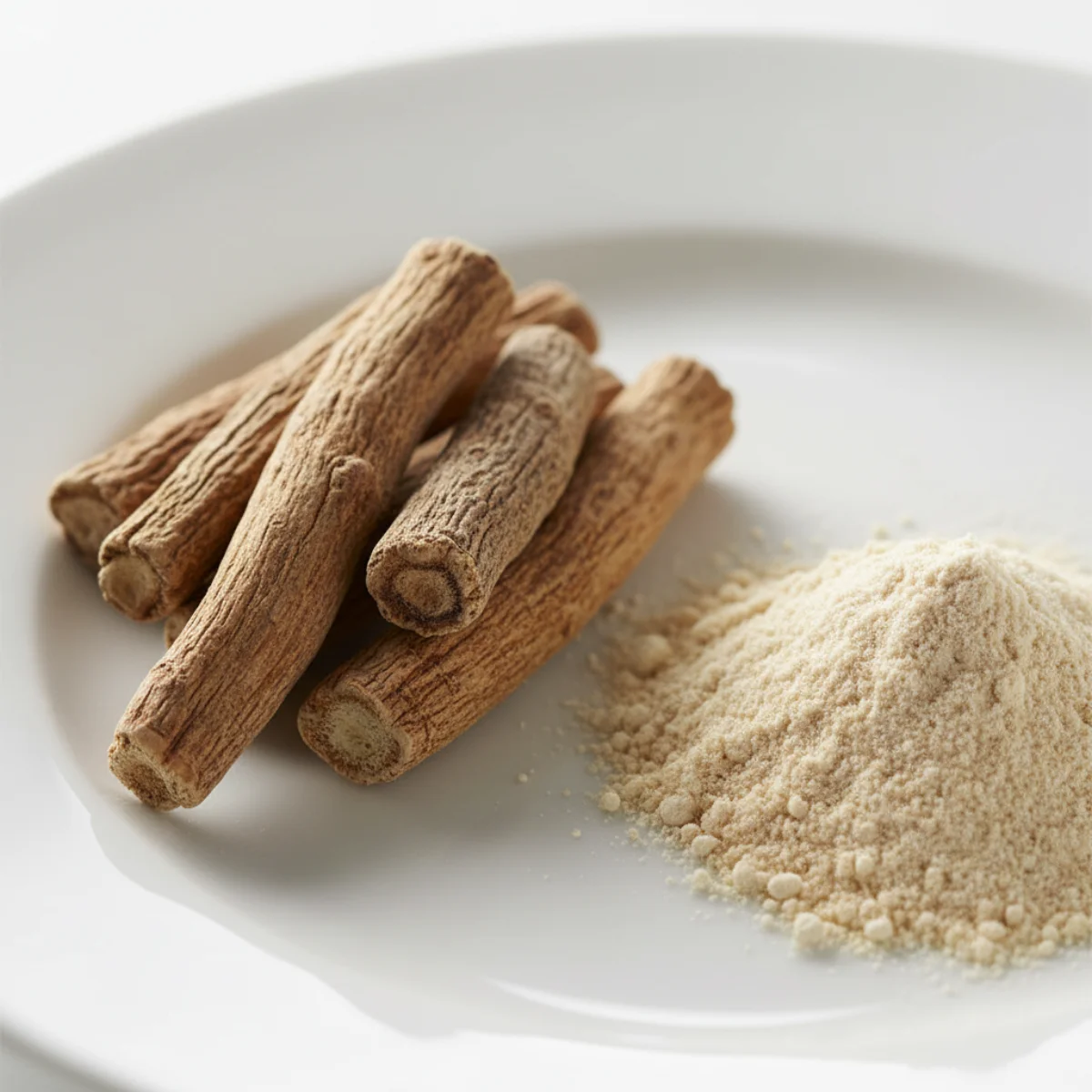
DGL licorice is a standardized herbal extract derived from the root of Glycyrrhiza glabra, a plant native to the Mediterranean and Middle East. The key distinction is in its name: deglycyrrhizinated licorice has the compound glycyrrhizin (also called glycyrrhizic acid) removed or significantly reduced through a specialized extraction and processing method. Whole licorice root contains glycyrrhizin, which can raise blood pressure and cause electrolyte imbalances with long-term use; removing it allows for safer supplementation.
DGL is typically supplied as a dried extract, often in chewable tablets or powder form. The remaining active compounds include flavonoids, polysaccharides, and other phytochemicals that are believed to support mucosal health and digestive comfort. When chewed or dissolved in the mouth, DGL may stimulate salivary secretion and coat the digestive tract; it is poorly absorbed in the small intestine, which is why topical contact in the mouth and upper gastrointestinal tract is thought to be its primary mechanism.
Licorice has been used in traditional Chinese medicine and Ayurveda for centuries to soothe digestive upset. Modern herbal practitioners often recommend DGL specifically for those seeking the digestive benefits of licorice while avoiding the systemic effects of glycyrrhizin, making it a safer choice for daily or long-term use in sensitive populations.
Evidence-based benefits of DGL Licorice
DGL licorice is studied for its potential to support digestive and gastric health, though evidence remains largely preliminary and drawn mainly from smaller trials and in-vitro research. The proposed mechanisms center on mucosal protection, reduced inflammation, and enhanced healing rather than acid suppression.
Heartburn and Acid Reflux Support
Small clinical trials and observational evidence suggest DGL may help manage occasional heartburn and reflux symptoms. A mechanism proposed in the literature is that DGL stimulates mucus production and strengthens the protective lining of the esophagus and stomach, potentially reducing irritation. However, robust large-scale RCTs are limited, and DGL is often used alongside lifestyle changes or conventional antacids rather than as a replacement.
Gastritis and Stomach Comfort
DGL is traditionally used to ease gastritis—inflammation of the stomach lining—and preliminary evidence suggests it may help reduce symptoms and support healing. Some small studies indicate benefit in both acute and chronic gastritis, though the evidence base is not as extensive as for pharmaceutical treatments. The flavonoid and polysaccharide compounds in DGL are hypothesized to reduce inflammatory signals in the gastric mucosa.
Peptic Ulcer Support
Historical and some modern case reports, as well as a handful of older clinical trials, suggest DGL may support the healing process in peptic ulcers and reduce ulcer-related discomfort. Evidence is considered preliminary by current standards, and DGL is typically used as a complementary approach alongside medical management rather than as a primary treatment. Studies on whole licorice have shown more robust anti-ulcer effects, but the glycyrrhizin removal in DGL may reduce some of those benefits.
Mucosal Integrity and Protection
The theoretical appeal of DGL lies in its potential to reinforce the protective mucous barrier of the digestive tract, reducing direct contact between acid and inflamed tissue. In-vitro and animal research supports this mechanism, but human clinical evidence is mixed and limited. Regular use by practitioners is based more on traditional safety and tolerability than on large controlled trials.
Supplement forms of DGL Licorice, compared
DGL licorice is commercially available primarily in chewable tablet form, with some suppliers offering it as a loose powder or capsule. Most clinical-trial evidence and traditional recommendations favor chewable tablets, which are designed to be dissolved slowly in the mouth to maximize mucosal contact before swallowing.
How much DGL Licorice should you take?
Typical supplemental doses of DGL licorice range from 380 to 1,500 mg per day, divided into 2–3 doses. Chewable tablets are most common, usually standardized to contain 10:1 or similar extraction ratios. No official RDA exists (as it is an herbal supplement), and optimal dosing varies based on the formulation and individual response.
- General digestive support: 380–760 mg daily in divided doses (often 2–3 tablets of 250–400 mg each).
- Acute gastric symptoms: 1,000–1,500 mg daily, divided into 2–3 doses, for 2–4 weeks; then reassess.
- Maintenance: 380–750 mg daily for ongoing support, often taken between meals.
- Chewing tablets: Allow tablets to dissolve slowly in the mouth rather than swallowing whole, to maximize mucosal contact.
DGL is best taken 30 minutes to 1 hour before meals or 2–3 hours after eating, on an empty stomach, to allow proper contact with affected tissues. Some users find splitting doses (morning and evening, or even three times daily) more effective than a single dose. Discontinue or reduce dose if symptoms improve, and consult a healthcare provider if symptoms persist beyond 2–4 weeks, as this may indicate a condition requiring professional diagnosis.
Safety, side effects, and risks
DGL licorice is generally considered safe and well-tolerated when used as directed, particularly because the glycyrrhizin has been removed. Unlike whole licorice, DGL does not significantly raise blood pressure or cause electrolyte disturbances in typical doses. However, some individuals may experience mild gastrointestinal side effects, and allergic reactions are possible though rare.
Common Side Effects
Most users tolerate DGL well. Occasionally reported effects include mild nausea, stomach upset, or loose stools, particularly if taken on an empty stomach or in high doses. These effects are usually transient and resolve with dose reduction or taking DGL with food (though this may reduce efficacy). Headache and mild fatigue have been anecdotally reported but are uncommon.
Allergic Reactions and Sensitivities
Allergic reactions to licorice or DGL are rare but possible, particularly in individuals with plant allergies (especially birch pollen allergy, as there is known cross-reactivity). Signs include itching in the mouth, swelling of lips or throat, or hives. Discontinue immediately and seek medical attention if such symptoms occur.
Pregnancy and Lactation
Safety data on DGL use during pregnancy and lactation are limited. While DGL removes glycyrrhizin—a compound of concern in pregnancy—clinical evidence is insufficient. Pregnant or lactating individuals should consult a healthcare provider before use to weigh potential benefits against theoretical risks.
Drug and Nutrient Interactions
DGL is unlikely to interact significantly with most medications because it is poorly absorbed systemically. However, if you take medications for blood pressure, heart disease, diabetes, or corticosteroids, or if you have a bleeding disorder, consult a clinician before use. Some sources suggest DGL may slightly reduce the absorption of certain medications if taken simultaneously; spacing doses by 2–3 hours is a reasonable precaution.
When to Seek Medical Guidance
Speak with a healthcare provider if you have chronic heartburn, suspected peptic ulcers, ulcerative colitis, Crohn's disease, severe gastrointestinal bleeding, or undiagnosed abdominal pain. DGL may help some digestive complaints, but persistent symptoms warrant professional evaluation to rule out serious conditions. Do not use DGL as a substitute for medical care in cases of severe or emergency digestive distress.
Drug and nutrient interactions
- Corticosteroids: Whole licorice can potentiate steroid-related electrolyte loss; DGL is unlikely to cause this, but concurrent use of high-dose steroids warrants clinician oversight.
- Antihypertensive drugs: Whole licorice can raise blood pressure; DGL is unlikely to do so, but individuals on blood-pressure medication should confirm with their healthcare provider before adding any herbal supplement.
- Digoxin and cardiac glycosides: Theoretical risk if licorice caused hypokalemia; DGL is unlikely to cause this, but those on cardiac medications should use caution and seek guidance.
- Oral medications (general): DGL may slightly slow gastrointestinal absorption if taken at the same time; spacing doses 2–3 hours apart is a sensible precaution.
- NSAIDs (ibuprofen, naproxen): No direct interaction, but both DGL and NSAIDs target gastrointestinal comfort; combining them requires awareness that the overall effect is unproven.
- Spironolactone and potassium-sparing diuretics: Whole licorice can lower potassium; DGL does not, but caution is prudent given the ingredient family.
For a comprehensive check of your specific medications and supplements, consult our interaction-checker tool or speak with your pharmacist or healthcare provider.
Who might benefit — and who shouldn't self-supplement without guidance
| Most likely to benefit from supplementing | Use with caution or seek medical guidance first |
|---|---|
| Individuals with occasional heartburn or reflux seeking natural support | Those with diagnosed peptic ulcer disease or severe gastrointestinal bleeding (requires medical supervision) |
| People with mild gastritis or digestive discomfort who prefer herbal approaches | Individuals on blood-pressure medication or corticosteroids (check with clinician first) |
| Those avoiding or unable to tolerate conventional antacids or acid-suppressing drugs | Pregnant or breastfeeding individuals (insufficient safety data; seek professional guidance) |
| Herbal medicine users interested in traditional digestive tonics | People with undiagnosed abdominal pain or symptoms lasting more than 2–4 weeks (requires diagnosis) |
| Individuals sensitive to whole licorice glycyrrhizin effects (blood pressure, electrolytes) | Those with allergies to plant compounds or known licorice sensitivity |
Frequently asked questions
Is DGL licorice safe to take long-term?
Yes, DGL is generally considered safe for long-term use because glycyrrhizin—the compound in whole licorice that can raise blood pressure—has been removed. However, no supplement is recommended indefinitely without periodic review by a healthcare provider. If your symptoms improve, consider gradually reducing or discontinuing to assess whether ongoing use is necessary.
Can I take DGL licorice with my blood-pressure or heart medications?
DGL is unlikely to interact with these medications because it does not contain significant glycyrrhizin, which is responsible for whole licorice's blood-pressure effects. Nevertheless, inform your healthcare provider or pharmacist before starting any herbal supplement, as individual factors vary and direct guidance is prudent.
How long does it take DGL to work for heartburn?
Some users report relief within a few days to a week, while others may need 2–4 weeks of consistent use to notice improvement. Much depends on the severity of symptoms, individual physiology, and concurrent lifestyle factors. If symptoms persist beyond 4 weeks, seek medical evaluation.
Should I take DGL with or without food?
DGL is most effective when taken on an empty stomach, 30 minutes to 1 hour before meals, so it can make direct contact with the stomach and esophageal lining. However, if an empty stomach causes nausea, you may take it with a light meal—though this may slightly reduce its efficacy.
Can I chew or swallow DGL tablets whole?
DGL tablets are designed to be chewed or dissolved slowly in the mouth, as this allows the active compounds to coat the mouth and upper digestive tract. Swallowing whole tablets reduces this local contact and may diminish the effect. Check the package instructions for your specific product.
Are there different forms of DGL, and which is best?
DGL is most commonly sold as chewable tablets, with some brands offering powder or capsules. Chewable tablets are the traditional and most researched form and allow for the mucosal contact thought to be key to its benefit. Capsules are more convenient but may be less effective for local digestive support.
Is DGL licorice the same as whole licorice root?
No. Whole licorice root contains glycyrrhizin, a compound that can raise blood pressure and cause electrolyte imbalances with long-term use. DGL has glycyrrhizin removed, making it much safer for prolonged use, though some propose that this removal may also reduce certain benefits found in whole licorice.
Related ingredients
Digestive Enzymes
Related ingredient — see the Digestive Enzymes reference page.
Betaine Hcl Pepsin
Related ingredient — see the Betaine Hcl Pepsin reference page.
Chamomile
Related ingredient — see the Chamomile reference page.
Disclaimer: This information is for educational purposes only and should not replace medical advice. Always consult a qualified healthcare provider before starting any supplement, especially if you have a medical condition, are pregnant, or take prescription medications. These statements have not been evaluated by the Food and Drug Administration. This product is not intended to diagnose, treat, cure, or prevent any disease.