Hesperidin: Citrus Bioflavonoid for Vein Health & Antioxidant Support
60-Second Summary
Hesperidin is a bioflavonoid found primarily in citrus fruits and their peels that is studied for its role in supporting vascular health and circulation. Evidence suggests hesperidin may help strengthen blood vessel walls, reduce inflammation, and provide antioxidant protection. While research shows promise, particularly for vein-related concerns, human studies remain limited and more robust clinical data is needed to establish definitive efficacy.
What is Hesperidin?
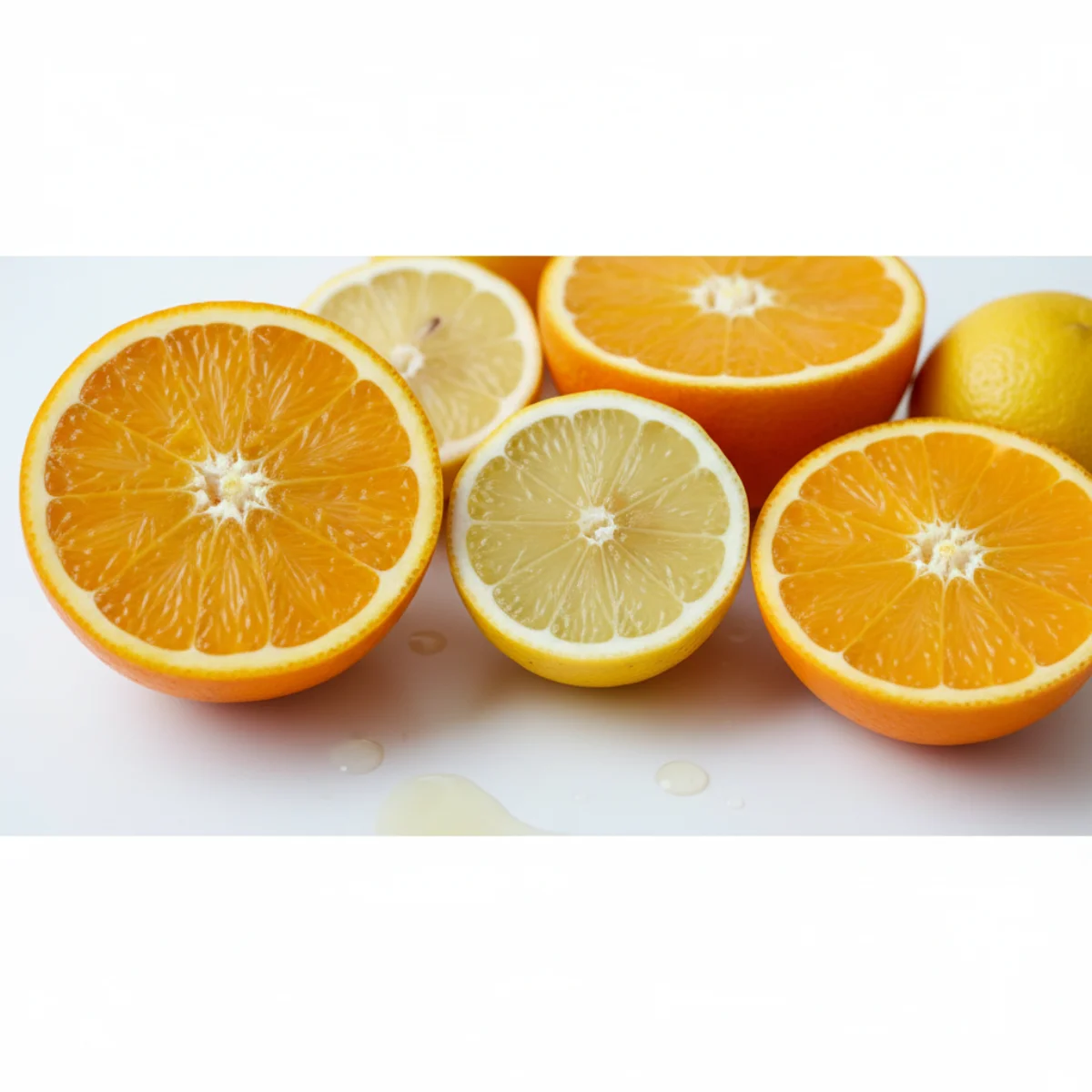
Hesperidin is a flavanone bioflavonoid—a class of polyphenol compounds naturally present in citrus fruits, especially in the white pith and peels of oranges, lemons, and grapefruits. It is chemically a glycoside of hesperetin, meaning hesperidin carries a sugar moiety that is cleaved during digestion or by gut microbiota to release the aglycone form (hesperetin), which is the active metabolite absorbed into circulation.
In the body, hesperidin and its metabolite hesperetin act as antioxidants, scavenging free radicals and supporting endothelial function in blood vessel walls. The compound is metabolized by intestinal microbiota and the liver, and circulating metabolites can accumulate in tissues including blood vessel walls, where they may reduce oxidative stress and support vascular integrity.
Hesperidin is poorly absorbed in its glycoside form due to its molecular weight and lack of specific intestinal transporters; however, conversion to hesperetin by gut bacteria and hepatic metabolism improves bioavailability. Supplement forms often use hesperidin or standardized citrus bioflavonoid extracts to deliver consistent doses beyond what whole citrus fruits provide.
Evidence-based benefits of Hesperidin
Hesperidin is studied primarily for its potential to support vascular health, strengthen capillaries, and reduce symptoms related to poor circulation. The following evidence-graded benefits represent the main research directions.
Vein and Capillary Health
Small clinical trials suggest hesperidin may help improve capillary fragility and reduce symptoms of venous insufficiency, such as leg heaviness and swelling. The mechanism appears to involve strengthening the structural proteins (collagen and elastin) in blood vessel walls and reducing inflammatory signaling. Evidence is preliminary and effect sizes are modest, but several RCTs in populations with chronic venous disease show benefit at doses of 500–1000 mg daily.
Antioxidant and Anti-Inflammatory Activity
In vitro and animal studies consistently demonstrate that hesperidin and hesperetin neutralize free radicals and inhibit pro-inflammatory cytokines. Human evidence of systemic antioxidant benefit is less robust, but small trials suggest hesperidin may reduce markers of oxidative stress and inflammation in people with metabolic or inflammatory conditions. The clinical significance of these biomarker changes remains uncertain.
Lymphatic and Circulatory Support
Preliminary evidence suggests hesperidin may support lymphatic drainage and microcirculation, potentially benefiting individuals with poor circulation-related symptoms. A few small RCTs report improvements in edema and heaviness when hesperidin is combined with other bioflavonoids like diosmin. However, high-quality standalone human studies are lacking.
Endothelial Function
Hesperidin may support the health and reactivity of the endothelium (the inner lining of blood vessels) by promoting nitric oxide production and reducing endothelial oxidative stress. This mechanism is well-supported in cell and animal models but has been tested in only a handful of human trials, mostly in small cohorts.
Supplement forms of Hesperidin, compared
Hesperidin supplements are typically available as pure hesperidin extract (the glycoside) or as standardized citrus bioflavonoid blends that contain hesperidin alongside related flavonoids like diosmin and naringin. Some formulas use microionized or micronized hesperidin to enhance dissolution and absorption.
How much Hesperidin should you take?
Clinical trials investigating hesperidin for vascular support have used doses ranging from 250 mg to 1000 mg daily, most commonly 500–1000 mg per day, often divided into two doses. No formal RDA or UL has been established for hesperidin.
- Typical supplemental range: 250–1000 mg daily (often as 500 mg twice daily)
- Vein/circulation support studies: 500–1000 mg daily, often combined with diosmin or other bioflavonoids
- Antioxidant support: 100–500 mg daily as part of broader polyphenol intake
- Duration: Studies typically run 4–12 weeks; longer-term safety data is limited
Hesperidin is best absorbed with food and may be taken with or without meals, though some evidence suggests a small amount of fat can modestly improve bioavailability. Splitting doses (e.g., 500 mg twice daily rather than 1000 mg once daily) may improve absorption and symptom relief. Hesperidin is often combined with diosmin, vitamin C, or other vascular-support herbs; no major antagonistic interactions are known, but discuss stacking with a healthcare provider if you are taking blood thinners or medications affecting vascular tone.
Safety, side effects, and risks
Hesperidin has a favorable safety profile in short-term supplemental use. It is generally recognized as safe (GRAS) when derived from food sources and has low systemic toxicity in animal models at very high doses. However, long-term safety data in humans is limited, and some individuals report mild gastrointestinal or allergic effects.
Common Side Effects
Most reported adverse effects are mild: occasional gastrointestinal upset, nausea, or headache. Allergic reactions (rash, itching) are rare but possible in individuals sensitive to citrus bioflavonoids. Symptoms typically resolve upon dose reduction or discontinuation.
Serious Risks and Considerations
Hesperidin may have mild anticoagulant or antiplatelet properties at high doses. Individuals taking blood thinners (warfarin, aspirin, clopidogrel) or with bleeding disorders should consult a clinician before supplementing. Rare cases of photosensitivity or phototoxic reactions have been reported with certain citrus bioflavonoid preparations, though causality is unclear.
Pregnancy and Lactation
Safety during pregnancy and breastfeeding has not been adequately studied in humans. Hesperidin should be avoided or used only under medical supervision in these populations unless specifically recommended by a healthcare provider.
Important Note
This information is not medical advice. Talk to a clinician if you have a history of bleeding disorders, are taking anticoagulant or antiplatelet medications, have citrus allergies, or plan to use hesperidin long-term or in high doses. Always inform your healthcare provider of supplement use.
Drug and nutrient interactions
- Anticoagulants and antiplatelets (warfarin, aspirin, clopidogrel): Hesperidin may have mild blood-thinning properties; concurrent use could potentiate bleeding risk. Medical supervision is recommended.
- CYP3A4 substrates (certain statins, calcium channel blockers, immunosuppressants): In vitro data suggest hesperidin may modestly inhibit CYP3A4; clinically significant interactions are unlikely but possible with high-dose supplementation.
- P-glycoprotein substrates (digoxin, certain chemotherapy agents): Bioflavonoids may affect P-gp transporter activity; monitor drug levels or efficacy if used concurrently.
- Estrogen or hormone-based medications: Some bioflavonoids have weak estrogenic activity; use with caution if on hormone replacement or oral contraceptives.
- Vitamin C: Hesperidin may enhance absorption and antioxidant effect of vitamin C; this is generally additive and not harmful, but high combined doses should be discussed with a clinician.
- Other citrus bioflavonoids and quercetin: Combining hesperidin with diosmin, naringin, or quercetin in high doses may increase gastrointestinal effects and theoretical anticoagulant action.
For a comprehensive drug–supplement interaction check, visit our interaction checker tool.
Who might benefit — and who shouldn't self-supplement without guidance
| Most likely to benefit from supplementing | Use with caution or seek medical guidance first |
|---|---|
| Individuals with chronic venous insufficiency or varicose veins seeking symptom relief | Those taking anticoagulant or antiplatelet medications (warfarin, aspirin, clopidogrel) |
| People with mild to moderate poor circulation or leg swelling and heaviness | Individuals with a history of bleeding disorders or clotting abnormalities |
| Those seeking broad antioxidant support and dietary polyphenol intake enhancement | Pregnant or breastfeeding women (safety not established) |
| Individuals with metabolic or inflammatory conditions who tolerate bioflavonoids well | People with citrus allergies or known sensitivities to bioflavonoid supplements |
| Those willing to commit to 4–12 weeks of consistent use to assess vascular symptom improvement | Anyone taking multiple medications affecting liver metabolism (CYP3A4 substrates) |
Frequently asked questions
What is the difference between hesperidin and hesperetin?
Hesperidin is the glycoside form (sugar-bound) found in citrus peel, while hesperetin is the aglycone form released after digestion or microbial metabolism. Both contribute to the bioflavonoid benefits, but hesperetin is the primary form absorbed into the bloodstream and is responsible for most antioxidant activity in tissues.
How long does it take hesperidin to work for circulation or vein symptoms?
Clinical trials typically show measurable improvements in vein-related symptoms (heaviness, swelling, fatigue) over 4–12 weeks of consistent supplementation. Individual response varies; some people notice changes within 2–4 weeks, while others may require 8–12 weeks or longer. Consistency and dose matter.
Can I get enough hesperidin from eating citrus fruit?
Whole citrus fruits contain hesperidin (especially in the pith and peel), but levels are variable and usually modest—a typical orange provides roughly 40–50 mg. Supplemental doses used in clinical trials (500–1000 mg daily) are difficult to achieve through diet alone, which is why supplements are preferred for therapeutic intent.
Is hesperidin safe to take long-term?
Short-term safety (up to 12 weeks) is well-established; however, long-term human safety data beyond 12 weeks is limited. Most clinicians view cautious long-term use as likely safe, but high-dose or indefinite supplementation should be discussed with a healthcare provider, especially if you take other medications.
Can hesperidin be combined with diosmin or other bioflavonoids?
Yes, hesperidin and diosmin are often combined in vascular-support formulas and show complementary activity. Clinical trials frequently use combination products. However, very high combined doses of multiple bioflavonoids may increase gastrointestinal effects or anticoagulant action; follow label dosing or consult a clinician if stacking multiple bioflavonoid products.
Does hesperidin interact with blood thinners?
Hesperidin may have mild anticoagulant properties and could theoretically potentiate blood thinners like warfarin or aspirin, raising bleeding risk. If you take these medications, discuss hesperidin supplementation with your doctor before starting.
What form of hesperidin supplement is best—pure hesperidin or citrus bioflavonoid blends?
Both have merit: pure hesperidin isolates provide a standardized, high dose, while citrus bioflavonoid blends offer synergistic activity from multiple flavonoids (diosmin, naringin, etc.). Blends are often used in clinical trials for vein support; choose based on your specific goal and clinician recommendation.
Related ingredients
Cocoa Flavanols
Related ingredient — see the Cocoa Flavanols reference page.
Anthocyanins
Related ingredient — see the Anthocyanins reference page.
Bilberry
Related ingredient — see the Bilberry reference page.
Alpha Lipoic Acid Ala
Related ingredient — see the Alpha Lipoic Acid Ala reference page.
Disclaimer: This information is for educational purposes only and should not replace medical advice. Always consult a qualified healthcare provider before starting any supplement, especially if you have a medical condition, are pregnant, or take prescription medications. These statements have not been evaluated by the Food and Drug Administration. This product is not intended to diagnose, treat, cure, or prevent any disease.