Fenugreek Extract: Herbal Support for Blood Sugar, Testosterone & Lactation
60-Second Summary
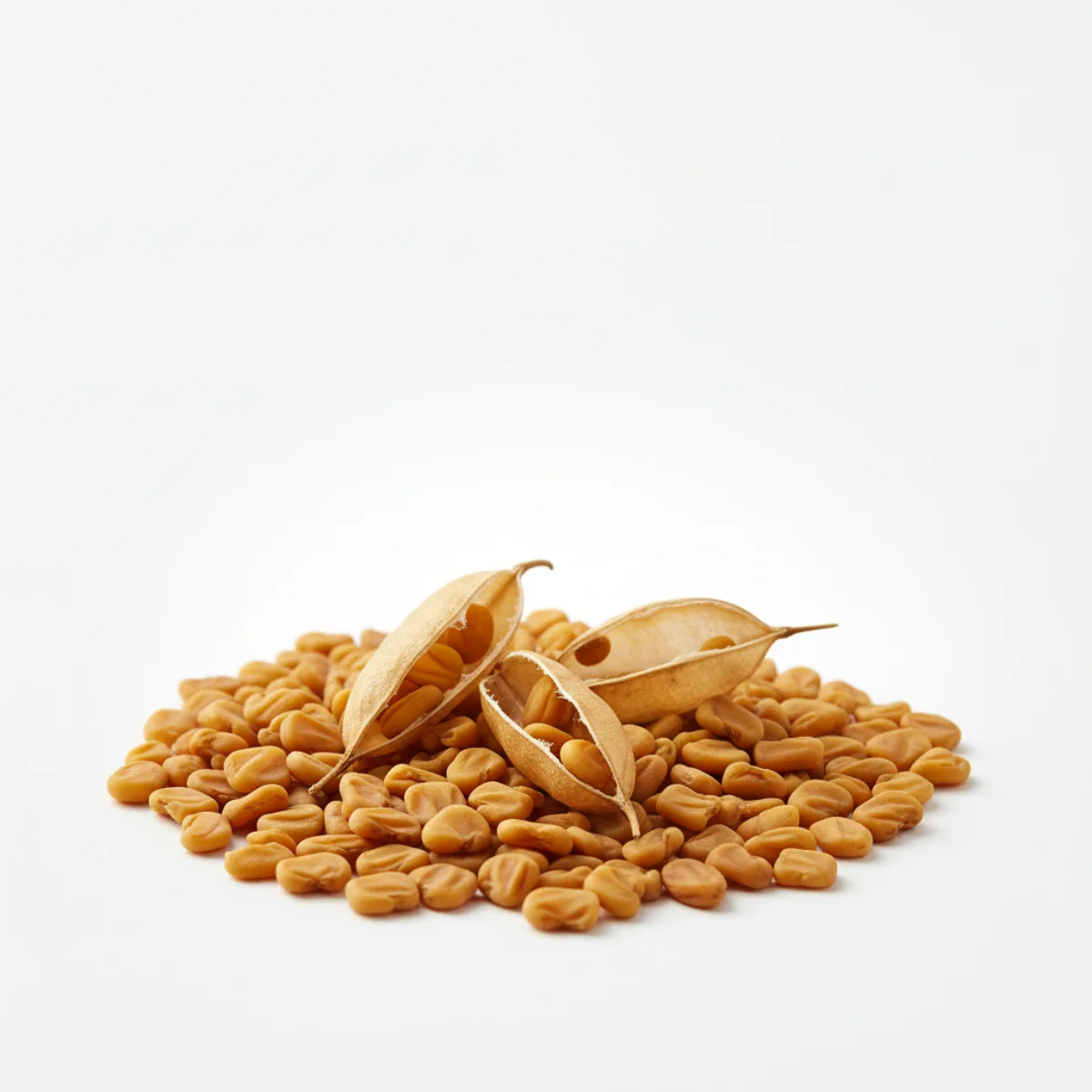
Fenugreek extract is derived from the seeds of Trigonella foenum-graecum, a legume used in traditional medicine and cooking for thousands of years. Early research suggests it may help support healthy blood glucose levels, potentially enhance testosterone status in men, and aid lactation in nursing mothers. While evidence is promising in several areas, human studies remain relatively small and additional research is needed to confirm optimal dosing and long-term safety.
What is Fenugreek Extract?
Fenugreek extract is a concentrated preparation made from the seeds of Trigonella foenum-graecum, a small legume plant native to the Mediterranean and South Asia. The seeds are rich in alkaloids (including trigonelline), saponins, flavonoids, and amino acids such as 4-hydroxyisoleucine, which are believed to be the primary bioactive compounds responsible for its physiological effects.
Fenugreek has been used in Ayurvedic and traditional Chinese medicine for centuries, and it remains a common culinary spice in Indian and Middle Eastern cuisines. Commercial fenugreek extracts are typically standardized to contain a defined level of key alkaloids or saponins, making dosing more consistent than whole seed. The extract is absorbed in the gastrointestinal tract, though the exact bioavailability and metabolism of its active constituents in humans remains incompletely characterized.
The primary proposed mechanisms involve the alkaloid 4-hydroxyisoleucine stimulating insulin secretion from pancreatic beta cells, and potential modulation of testosterone-related enzymes and signaling pathways, though human evidence for these mechanisms is still emerging.
Evidence-based benefits of Fenugreek Extract
Fenugreek extract has been studied for several potential health benefits, particularly in metabolic and endocrine contexts. While no supplement can cure or treat disease, evidence suggests fenugreek may support certain physiological functions. Below are the areas with the strongest research attention.
Blood Sugar and Glucose Metabolism
Small RCTs and several human trials suggest that fenugreek extract or seed powder may help support healthy fasting blood glucose levels and postprandial (after-meal) glucose responses in people with or at risk for type 2 diabetes. The alkaloid 4-hydroxyisoleucine is thought to enhance insulin secretion. Studies typically used 1–5 grams of seed or extract daily for 8–12 weeks, with modest reductions in fasting glucose reported. However, effect sizes are generally small to moderate, and evidence is not yet robust enough to recommend fenugreek as a substitute for proven diabetes medications.
Testosterone and Androgen Status
A number of small trials, particularly using a branded extract called Testofen, have investigated fenugreek's effects on testosterone, strength, and body composition in men. Results show mixed but somewhat encouraging findings: some studies report modest increases in total or free testosterone and improvements in sexual function, while others show minimal changes. The proposed mechanism involves fenugreek inhibiting enzymes that break down testosterone or modulating 5-alpha reductase activity, but human data remain preliminary. More large-scale RCTs are needed.
Lactation Support
Traditional use of fenugreek for promoting breast milk production is well documented, and several small clinical trials have examined this effect in postpartum women. Evidence is encouraging but preliminary: some RCTs show increased milk volume or milk composition markers in nursing mothers who took fenugreek supplements or tea. The mechanism is not fully understood, though galactagogue (milk-promoting) properties are attributed to saponins and other compounds. Women considering fenugreek for lactation should consult a lactation specialist or clinician.
Lipid Profile
A few small studies suggest fenugreek extract may support healthy cholesterol and triglyceride levels, though evidence is limited and heterogeneous. Some trials found modest reductions in total cholesterol or triglycerides, while others showed no significant effect. Larger RCTs would be needed to establish clinical relevance.
Appetite and Body Composition
Preliminary research indicates fenugreek may promote satiety and support healthy body weight management, possibly through increased fiber content and effects on appetite hormones. Evidence remains preliminary and is primarily derived from animal and very small human studies.
Supplement forms of Fenugreek Extract, compared
Fenugreek extract is available in several commercial forms: powdered seed, capsule/tablet extracts (often standardized to alkaloids or saponins), tinctures, and teas brewed from whole or ground seed. Most clinical studies have used either powdered seed (1–5 g daily) or proprietary extracts standardized to alkaloid content (such as Testofen, typically 600 mg daily). Standardized extracts offer more consistent dosing, while whole seed provides added fiber and may have complementary effects, though absorption and bioavailability may differ between forms.
How much Fenugreek Extract should you take?
Fenugreek extract dosing varies depending on the form and intended use. Human studies have employed a range of doses, and an established RDA or UL does not exist for this herbal extract. Typical effective doses in research have been 600 mg to 1500 mg of standardized extract or 1–5 grams of powdered seed daily, divided into one to three doses, usually taken with meals.
- Standardized extract: 600–1500 mg daily, divided into 1–3 doses (often based on alkaloid or saponin content)
- Powdered seed: 1–5 grams daily, typically divided into 2–3 doses with meals
- For blood sugar support: 1–5 grams powdered seed or equivalent extract daily for 8–12 weeks in clinical trials
- For testosterone support: 600 mg (Testofen) once or twice daily in studies examining androgen effects
- For lactation: 500–3000 mg daily (seed or extract) in postpartum women, typically for 2–4 weeks; consult a lactation specialist
Take fenugreek extract with food to minimize gastrointestinal upset. If using for blood sugar support, allow 2–8 weeks before assessing effects. Do not abruptly combine high-dose fenugreek with glucose-lowering medications or testosterone therapies without medical supervision, as additive effects are theoretically possible. Splitting doses across the day may improve tolerance.
Safety, side effects, and risks
Fenugreek extract has a long history of culinary and traditional use and is generally well tolerated at typical supplement doses. However, human safety data remain limited compared to pharmaceutical drugs, and rare serious adverse events have been reported. Pregnant women should avoid supplemental fenugreek, and nursing mothers should consult a clinician before use despite traditional use for lactation.
Common Side Effects
The most frequent complaint is a distinctive maple-syrup-like odor in urine and perspiration, which is harmless but may be cosmetically bothersome. Gastrointestinal symptoms such as nausea, diarrhea, bloating, or abdominal discomfort occur in a minority of users, particularly at higher doses or on an empty stomach. Allergic reactions are rare but possible, especially in people with peanut or legume allergies (fenugreek is a legume).
Serious or Rare Risks
Cases of hypoglycemia (dangerously low blood sugar) have been reported in people taking fenugreek alongside diabetes medications; this highlights the importance of medical supervision if combining them. Hepatotoxicity (liver injury) has been reported anecdotally but is extremely rare. A few cases of thyroid dysfunction or altered thyroid hormone absorption have been noted, though causality is unclear.
Pregnancy and Lactation
Fenugreek is traditionally used postpartum to support milk production, and limited evidence suggests it is likely safe for nursing mothers at typical doses; however, formal safety trials in pregnancy have not been conducted, and fenugreek is contraindicated during pregnancy due to uterotonic (labor-promoting) properties in animal models. Women who are pregnant or planning to become pregnant should avoid fenugreek supplements and consult their obstetrician.
When to Consult a Clinician
Talk to your doctor or healthcare provider if you have diabetes or prediabetes and are considering fenugreek, as it may lower blood glucose and require medication adjustment. Similarly, consult a clinician if you are taking testosterone replacement therapy, bleeding medications, or have liver disease, autoimmune thyroid disease, or a known legume allergy. Do not use fenugreek as a replacement for proven medical treatments.
Drug and nutrient interactions
- Diabetes medications (metformin, sulfonylureas, insulin): Fenugreek may additively lower blood glucose; concurrent use requires medical monitoring and possible dose adjustment of medications.
- Anticoagulants and antiplatelet agents (warfarin, aspirin): Fenugreek contains compounds with mild anticoagulant potential; combined use may increase bleeding risk. Monitor INR if on warfarin.
- Thyroid medications (levothyroxine): Fenugreek seed is high in fiber and may reduce absorption of thyroid hormones if taken together; separate dosing by 2–4 hours.
- Testosterone replacement therapy: Theoretical additive effects on androgen levels; medical monitoring may be warranted.
- Estrogen-based medications (hormonal contraceptives, HRT): Fenugreek is a mild phytoestrogen and could theoretically interact, though evidence is sparse.
- Iron supplements: Fenugreek's tannin and fiber content may reduce iron bioavailability; separate dosing by at least 2 hours.
For a comprehensive check of fenugreek interactions with your current medications or supplements, use our interaction checker tool.
Who might benefit — and who shouldn't self-supplement without guidance
| Most Likely to Benefit from Supplementing | Use with Caution or Seek Medical Guidance First |
|---|---|
| Nursing mothers seeking to support milk supply (with lactation specialist guidance) | Pregnant women or those planning pregnancy |
| Men interested in natural androgen support and willing to use for 8+ weeks | People with diabetes or prediabetes currently on glucose-lowering medications |
| Individuals with prediabetes or impaired fasting glucose seeking dietary adjuncts | People taking anticoagulants or antiplatelet drugs |
| Those seeking a plant-based approach to metabolic health alongside lifestyle changes | Those with liver disease or unexplained liver enzymes |
| Individuals with legume allergies should avoid entirely | People taking thyroid medications without dose separation |
Frequently asked questions
How long does fenugreek extract take to work for blood sugar?
Most clinical studies have observed changes in fasting glucose or postprandial glucose after 2–4 weeks of consistent use, though full effects may take 8–12 weeks. Results vary by individual and depend on dose, form, and overall diet and exercise habits.
Can I use fenugreek extract if I'm taking metformin for diabetes?
Fenugreek may lower blood glucose additively, so combining it with metformin requires medical supervision. Do not start fenugreek without informing your doctor; your blood glucose should be monitored, and medication doses may need adjustment.
Does fenugreek extract raise testosterone naturally?
Small studies using standardized fenugreek extracts (Testofen) suggest modest improvements in testosterone and sexual function in some men, but results are mixed and evidence is preliminary. Effects are typically modest and take 8–12 weeks to appear, if at all. Consult a doctor to have testosterone levels properly tested.
Is it safe to use fenugreek long-term?
Fenugreek has a long culinary history and is generally well tolerated at typical doses over several months. However, comprehensive long-term safety data in humans are limited, so extended use should ideally be discussed with a healthcare provider, especially if you have underlying medical conditions.
What is the maple-syrup smell from fenugreek?
A distinctive maple-syrup odor in urine and sweat is a common and harmless side effect caused by a compound called sotolon, a metabolite of fenugreek alkaloids. It typically appears within 24–48 hours of taking fenugreek and fades once supplementation stops.
Can I use fenugreek extract while breastfeeding?
Fenugreek has a long traditional use for supporting milk supply, and small studies suggest it is likely safe for nursing mothers at typical doses. However, consult with your lactation specialist or obstetrician before starting, especially if you have liver disease or are taking medications.
Does fenugreek work better as a seed powder or extract?
Clinical trials have used both forms with varying results. Standardized extracts offer consistent dosing, while whole seed powder provides added fiber and may have complementary effects. The best form depends on individual tolerance, convenience, and the intended use; both are reasonable options.
Related ingredients
Curcumin
Related ingredient — see the Curcumin reference page.
Berberine
Related ingredient — see the Berberine reference page.
American Ginseng
Related ingredient — see the American Ginseng reference page.
Ashwagandha
Related ingredient — see the Ashwagandha reference page.
Cinnamon
Related ingredient — see the Cinnamon reference page.
Disclaimer: This information is for educational purposes only and should not replace medical advice. Always consult a qualified healthcare provider before starting any supplement, especially if you have a medical condition, are pregnant, or take prescription medications. These statements have not been evaluated by the Food and Drug Administration. This product is not intended to diagnose, treat, cure, or prevent any disease.