Deer Antler Velvet: IGF-1 & Growth Factors for Recovery & Joint Health
60-Second Summary
Deer antler velvet is a traditional supplement derived from the velvet covering young deer antlers, valued for its natural content of growth factors including IGF-1 (insulin-like growth factor-1), amino acids, and minerals. It is studied for potential benefits in athletic recovery, joint health, and physical performance, though human clinical evidence remains limited. Safety is generally good at typical doses, but sourcing quality and regulatory oversight vary.
What is Deer Antler Velvet?
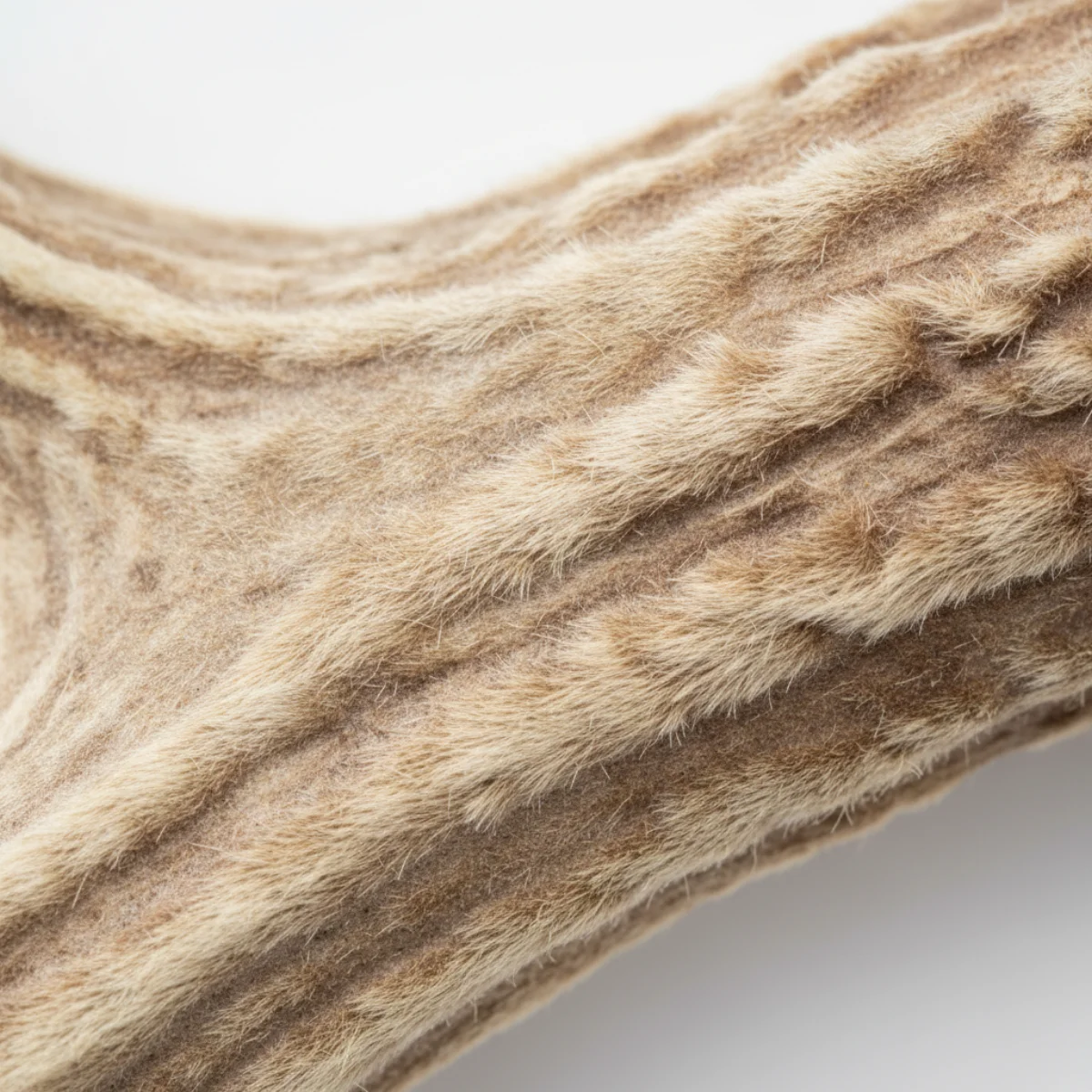
Deer antler velvet is the soft, fuzzy tissue that covers the growing antlers of deer species (most commonly red deer, Cervus elaphus). This velvet layer is harvested before the antler hardens and is then dried, processed, and sold as a supplement in powder, extract, or capsule form.
The velvet tissue is rich in bioactive compounds including insulin-like growth factor-1 (IGF-1), collagen, amino acids, minerals (calcium, phosphorus, zinc), and glycosaminoglycans. These constituents are believed to support bone remodeling, connective tissue synthesis, and cellular growth processes. The velvet is absorbed in the digestive tract and its active components may enter systemic circulation, though bioavailability and metabolism of the complex matrix have not been extensively characterized in humans.
Deer antler velvet has been used in traditional East Asian medicine for centuries, particularly in Traditional Chinese Medicine, where it is said to tonify Qi and blood. Western interest has grown among athletes and fitness enthusiasts seeking natural ergogenic aids and recovery support, though clinical evidence lags behind traditional use and industry marketing claims.
Evidence-based benefits of Deer Antler Velvet
Deer antler velvet is promoted primarily for athletic recovery and joint support. Evidence in humans is preliminary, but preclinical and limited clinical studies suggest several plausible mechanisms.
Athletic Recovery & Physical Performance
Small trials and observational studies hint that deer antler velvet may support muscle recovery and stamina. The presence of IGF-1 and amino acids theoretically supports protein synthesis and muscle adaptation, and a few small human studies have reported modest improvements in strength or endurance parameters. However, effect sizes are typically small and sample sizes are limited, so claims of dramatic performance enhancement are not supported by robust evidence.
Joint & Connective Tissue Support
The collagen and glycosaminoglycan content of deer antler velvet, combined with its traditional use for bone and joint health, has led to investigation for joint comfort and mobility. Some small studies suggest it may support cartilage integrity and reduce joint discomfort, particularly when combined with other joint-support nutrients. Evidence remains preliminary, and high-quality RCTs are lacking.
Growth Hormone & Hormonal Support
IGF-1 is a key anabolic hormone involved in muscle and bone growth. Deer antler velvet's natural IGF-1 content has led to marketing as a natural growth-factor booster. However, it is unclear whether orally ingested IGF-1 survives gastric acid and is systemically absorbed in meaningful quantities. Most benefits, if real, may derive from other constituents rather than direct IGF-1 supplementation.
Bone & Mineral Metabolism
The mineral profile (calcium, phosphorus, magnesium traces) and growth-factor content suggest a potential role in bone health and remodeling. Traditional use and preclinical work support this, but human bone density or fracture-prevention studies are absent.
Immune & General Wellness Support
Deer antler velvet contains polysaccharides and other compounds that may have immunomodulatory effects. Evidence is speculative, with no clear human trials demonstrating immune benefit, but traditional use and in-vitro studies keep this as a plausible secondary benefit.
Supplement forms of Deer Antler Velvet, compared
Deer antler velvet is commercially available in several forms: freeze-dried powder (whole velvet), standardized extracts (often adjusted to a nominal IGF-1 or amino-acid content), capsules, tablets, and liquid tinctures. Freeze-dried powder preserves the full nutrient matrix but has variable potency; extracts offer standardization but may concentrate certain compounds while losing others. There is no single
How much Deer Antler Velvet should you take?
).bestSafety, side effects, and risks
, form—choice depends on preference (pill vs. powder), potency assurance, and budget.Drug and nutrient interactions
- Insulin and Insulin-Secreting Drugs: Deer antler velvet's IGF-1 and growth-factor content may theoretically enhance insulin sensitivity or interact with blood-glucose regulation; caution is advised in diabetes or in those taking insulin or oral hypoglycemic agents.
- Anabolic Steroids & Hormonal Agents: Combining deer antler velvet with prescription anabolic steroids, testosterone replacement, or growth hormone may produce additive effects; medical supervision is recommended if concurrent use is considered.
- Anticoagulants & Antiplatelet Drugs: Some sources suggest deer antler velvet may have mild anticoagulant properties; caution is warranted with warfarin, apixaban, or aspirin at high doses.
- Thyroid Medications: Deer antler velvet's mineral content and potential immunomodulatory activity warrant caution in those on levothyroxine or other thyroid agents; separate dosing and monitor thyroid function.
- Estrogen-Sensitive Conditions: Deer antler velvet has been claimed to have mild estrogenic properties in some traditional contexts; those with hormone-sensitive cancers or conditions should consult a clinician.
For a comprehensive check of interactions with your specific medications, consult our interaction-checker tool.
Who might benefit — and who shouldn't self-supplement without guidance
| Most likely to benefit from supplementing | Use with caution or seek medical guidance first |
|---|---|
| Athletes seeking natural recovery & muscle support | Those on insulin, oral diabetes medications, or insulin pumps |
| Individuals with joint discomfort or mobility concerns | Pregnant or nursing women (safety data insufficient) |
| Older adults interested in bone & muscle maintenance | Those on anticoagulants (warfarin, apixaban) or high-dose aspirin |
| Fitness enthusiasts wanting ergogenic support | Individuals with hormone-sensitive cancers or conditions |
| Those seeking traditional wellness tonics | People with thyroid disorders on levothyroxine or similar drugs |
Frequently asked questions
What is the difference between deer antler velvet and deer antler?
Deer antler velvet is the soft, fuzzy covering on growing antlers and is harvested before the antler hardens. Whole antler is the hard bone itself and is processed differently, often into powder or extract. Velvet is preferred in supplements because it contains higher concentrations of growth factors and is more easily digested; antler is denser and lower in bioactive molecules.
Does deer antler velvet really contain IGF-1?
Yes, deer antler velvet naturally contains insulin-like growth factor-1 (IGF-1) and other growth factors. However, it is unclear how much orally ingested IGF-1 survives digestion and is absorbed intact into the bloodstream, since it is a peptide hormone typically broken down by stomach acid. Most benefits, if real, may come from amino acids, minerals, and other constituents rather than direct IGF-1 absorption.
How much deer antler velvet should I take daily?
Typical doses range from 1-3 grams of freeze-dried powder or 500–1500 mg of standardized extract per day, divided into one or two servings. Dosing varies by product potency and intended use; follow the label or consult a healthcare provider. Deer antler velvet is often taken consistently for several weeks to months to observe potential benefits.
Is deer antler velvet safe to take long-term?
Deer antler velvet has a long safety history in traditional medicine and no major toxicities are known at standard doses. However, long-term safety studies in humans are limited. Those with hormone-sensitive conditions, diabetes, or on blood thinners should consult a doctor before long-term use. Quality and sourcing also vary, so choose a reputable, third-party-tested product.
Can I take deer antler velvet if I am an athlete competing in drug-tested sports?
Deer antler velvet has historically raised questions in sports because some products were mislabeled or contaminated with banned substances. However, the substance itself is not on most major sports-anti-doping lists (WADA, NCAA). Verify the purity and sourcing of your product, and consult your sport's governing body if compliance is critical.
Does deer antler velvet work better with other supplements?
Deer antler velvet is often combined with joint-support supplements like collagen peptides, chondroitin, or boswellia, or with amino-acid blends for recovery. There is no strong evidence that stacking these improves efficacy, but the combination aligns with traditional practice. Avoid combining with hormone-modulating supplements or drugs without medical guidance.
How long does it take to notice benefits from deer antler velvet?
Users in small studies typically reported subjective improvements in recovery or joint comfort after 4–8 weeks of consistent supplementation. Individual response varies widely, and more rigorous trials are needed to define true onset time and magnitude of effect.
Related ingredients
Bcaa
Related ingredient — see the Bcaa reference page.
Collagen Peptides
Related ingredient — see the Collagen Peptides reference page.
Coq10 Coenzyme Q10
Related ingredient — see the Coq10 Coenzyme Q10 reference page.
Creatine
Related ingredient — see the Creatine reference page.
Cordyceps
Related ingredient — see the Cordyceps reference page.
Boswellia
Related ingredient — see the Boswellia reference page.
Disclaimer: This information is for educational purposes only and should not replace medical advice. Always consult a qualified healthcare provider before starting any supplement, especially if you have a medical condition, are pregnant, or take prescription medications. These statements have not been evaluated by the Food and Drug Administration. This product is not intended to diagnose, treat, cure, or prevent any disease.