Cinnamon Extract: Blood Sugar Support & Insulin Sensitivity
60-Second Summary
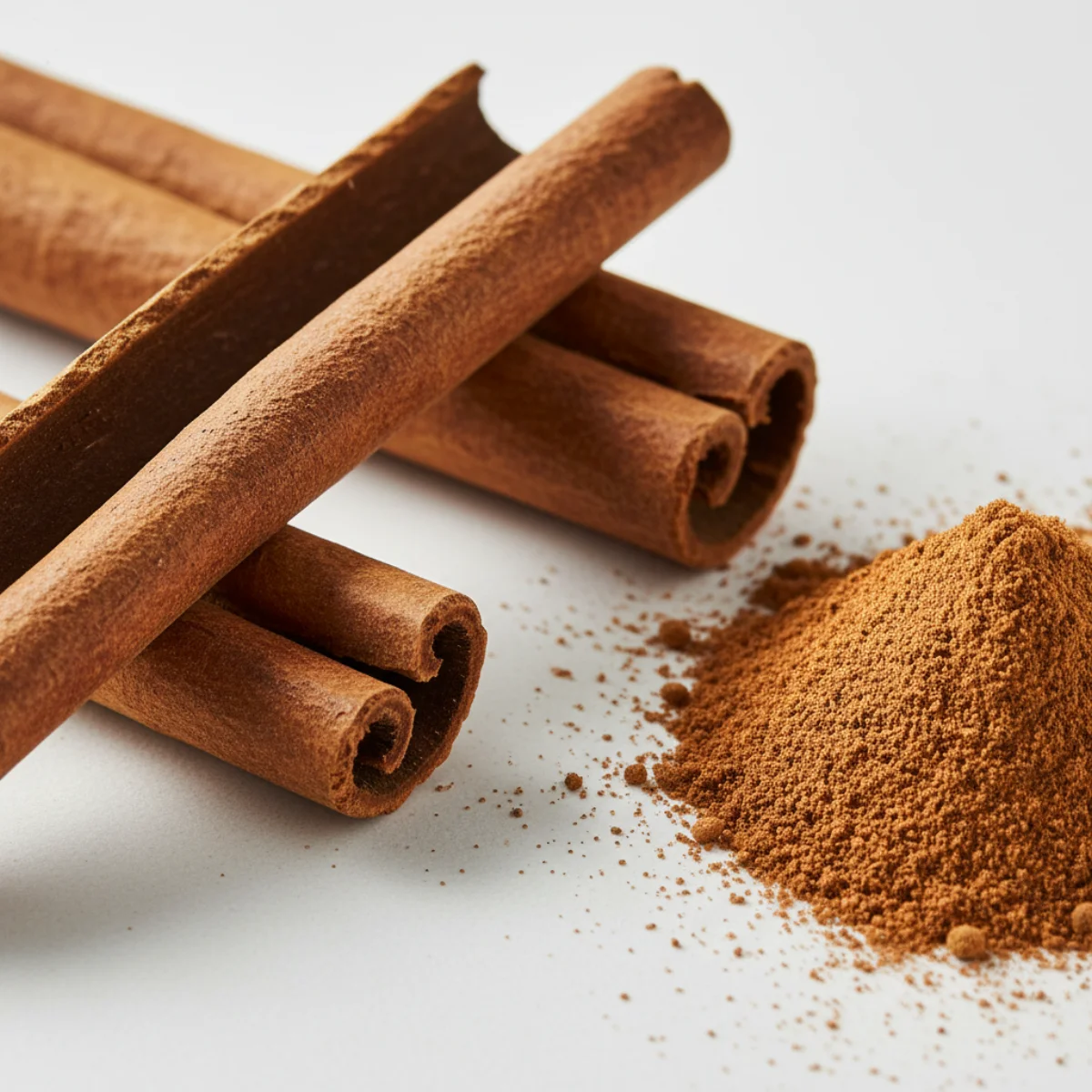
Cinnamon Extract is a concentrated form of the spice derived from Cinnamomum cassia or Ceylon cinnamon bark, standardized for its active compounds including cinnamaldehyde and polyphenols. It is studied primarily for its potential to support healthy blood glucose levels and improve insulin sensitivity in people with prediabetes or metabolic concerns. Evidence is moderate but promising from several small randomized controlled trials, though results are mixed and cinnamon extract should not replace medical management of diabetes or related conditions.
What is Cinnamon Extract?
Cinnamon Extract is a concentrated botanical preparation derived from the inner bark of Cinnamomum cassia (cassia cinnamon) or Cinnamomum verum (Ceylon cinnamon), processed to isolate and concentrate its bioactive compounds. The extract contains cinnamaldehyde, cinnamic acid, and a variety of polyphenolic compounds including flavonoids and catechins, which are responsible for much of its biological activity.
Mechanistically, cinnamon extract is believed to work on glucose metabolism through multiple pathways. Research suggests its compounds may enhance insulin signaling by activating insulin receptor autophosphorylation, inhibit alpha-glucosidase enzymes that slow carbohydrate digestion, and improve the sensitivity of peripheral tissues to insulin. Some evidence also points to antioxidant and anti-inflammatory effects that may support metabolic health indirectly.
Cinnamon extract is typically absorbed through the gastrointestinal tract, with cinnamaldehyde and other volatiles showing relatively modest systemic bioavailability; much of the beneficial activity may occur at the level of the gut and through local modulation of glucose-handling enzymes. Water-soluble extracts and proprietary formats (such as Cinnulin PF) have been developed to improve absorption and standardization.
Evidence-based benefits of Cinnamon Extract
Cinnamon extract has been investigated for several metabolic and cardiometabolic endpoints. The following benefit areas have received the most research attention:
Blood Glucose & Fasting Glucose
Multiple small RCTs suggest that cinnamon extract at doses of 500–2000 mg/day may modestly reduce fasting blood glucose in people with prediabetes or type 2 diabetes. A meta-analysis of these studies indicated a pooled reduction in fasting glucose of approximately 9–29 mg/dL depending on baseline status and study duration. Heterogeneity in results is notable, and some high-quality trials show minimal effect, suggesting responses may vary by individual or extract type.
Insulin Sensitivity & Insulin Resistance
Small RCTs have examined markers of insulin sensitivity (HOMA-IR) and found that cinnamon extract may improve insulin resistance indices in people with metabolic syndrome or type 2 diabetes. Evidence is preliminary but suggestive; typical trial durations are 8–12 weeks, and longer-term effects remain less clear. The magnitude of improvement is modest and not consistently replicated across all studies.
Hemoglobin A1c (HbA1c)
Some trials have measured HbA1c as a marker of average blood glucose control over 2–3 months. Results are mixed; a few studies report reductions of 0.3–0.5% in people with type 2 diabetes, while others show no significant change. Evidence is not strong enough to recommend cinnamon extract as monotherapy for glycemic control.
Lipid Profile & Cholesterol
Preliminary evidence suggests cinnamon extract may have modest effects on triglycerides and LDL cholesterol in some metabolic populations. These benefits appear secondary to glucose-modulating effects and are not consistently demonstrated across all trials.
Antioxidant & Anti-Inflammatory Activity
In vitro and animal studies consistently show that cinnamon polyphenols exhibit antioxidant and anti-inflammatory properties. Some human trials have measured inflammatory markers (e.g., TNF-α, CRP) and reported reductions, though sample sizes are typically small and clinical significance is uncertain.
Supplement forms of Cinnamon Extract, compared
Cinnamon extract is available in several commercially relevant formats, including water-soluble extracts, standardized powders (often standardized to cinnamaldehyde or polyphenol content), and proprietary blends such as Cinnulin PF, which is a water-soluble extract designed for enhanced absorption and consistency. Most clinical trials have used standardized extract forms rather than raw cinnamon powder; research-grade extracts typically deliver 20–50 mg of cinnamaldehyde per dose, whereas plain cinnamon powder contains variable concentrations and shows lower bioavailability.
How much Cinnamon Extract should you take?
Cinnamon extract doses studied in clinical trials range from 500 to 2000 mg per day, with many positive results clustering around 1000–1500 mg daily divided into 2–3 doses. No official RDA exists for cinnamon extract, as it is not an essential nutrient. The effective dose for glucose modulation appears to be in the range of 1000–2000 mg/day of standardized extract, though individual response varies considerably.
- General metabolic support: 500–1000 mg/day in divided doses
- For blood glucose & insulin sensitivity studies: 1000–2000 mg/day, typically split across 2–3 doses with meals
- Duration: Most trials lasted 8–12 weeks; effects may take 4–6 weeks to become apparent
- Proprietary formats (e.g., Cinnulin PF): Manufacturer recommendations typically suggest 250–500 mg, 1–2 times daily
Take cinnamon extract with meals to optimize absorption and reduce gastrointestinal upset. Doses are often divided to maintain steadier bioavailability throughout the day. Do not exceed recommended doses without consulting a healthcare provider, especially if you are taking blood-glucose–lowering medications or have a history of liver concerns.
Safety, side effects, and risks
Cinnamon extract is generally well tolerated at recommended doses in short-term use (weeks to a few months). Most adverse effects are mild and gastrointestinal in nature. However, long-term safety data in humans is limited, and a small number of safety considerations warrant attention, particularly for certain populations.
Common Side Effects
Gastrointestinal complaints—including nausea, heartburn, and mild abdominal discomfort—occur in a minority of users and often resolve with dose reduction or taking the extract with food. Mouth irritation or allergic reactions are rare but possible in sensitive individuals.
Liver & Coumarin Concerns
Cassia cinnamon contains higher levels of coumarin (a naturally occurring compound) compared to Ceylon cinnamon, and excessive intake has been associated with hepatotoxicity in case reports and animal studies. Most clinical trials have used relatively short durations and moderate doses without serious adverse events, but chronic high-dose use warrants caution. Ceylon cinnamon is considered safer if long-term supplementation is intended, as it contains negligible coumarin.
Interactions with Blood-Glucose–Lowering Medications
Because cinnamon extract may lower blood glucose, concurrent use with insulin or oral antidiabetic medications (metformin, sulfonylureas, SGLT2 inhibitors, GLP-1 agonists) could theoretically increase hypoglycemia risk. Monitoring is essential if combining cinnamon extract with diabetes medications.
Pregnancy & Lactation
Safety in pregnancy and lactation has not been rigorously studied. Cinnamon was traditionally used in folk medicine and is present in foods, but concentrated extracts at supplemental doses are not recommended without medical supervision during pregnancy or breastfeeding.
Important Safety Notice
Cinnamon extract is not a substitute for medical management of diabetes, prediabetes, or metabolic disorders. Talk to a clinician before starting cinnamon extract if you have type 2 diabetes, prediabetes, liver disease, coagulation disorders, or are pregnant or nursing. Discontinue and seek medical advice if you experience signs of liver dysfunction (jaundice, dark urine, abdominal pain) or unexplained hypoglycemia.
Drug and nutrient interactions
- Insulin & oral antidiabetic agents (metformin, sulfonylureas, SGLT2 inhibitors, GLP-1 agonists): Cinnamon extract may potentiate glucose-lowering effects, increasing hypoglycemia risk. Coordinate dosing and glucose monitoring with your healthcare provider.
- Anticoagulants & antiplatelet drugs (warfarin, aspirin, clopidogrel): Cinnamon polyphenols have mild anticoagulant properties; concurrent use may increase bleeding risk. Medical supervision is advised.
- Cytochrome P450 substrates (especially CYP1A2, CYP2C9, CYP3A4): Cinnamon extract may inhibit or induce these enzymes, potentially affecting metabolism of statins, some antidepressants, and other medications. Consult a pharmacist if taking multiple medications.
- NSAIDs (ibuprofen, naproxen): Both cinnamon and NSAIDs have anti-inflammatory activity; combined use may increase GI irritation risk and should be monitored.
- Curcumin & other polyphenolic supplements: Synergistic anti-inflammatory effects are possible, but combined high-dose polyphenol intake may amplify hepatic stress in sensitive individuals.
For a comprehensive check of cinnamon extract interactions with your specific medications and supplements, use our interaction-checker tool.
Who might benefit — and who shouldn't self-supplement without guidance
| Most Likely to Benefit from Supplementing | Use with Caution or Seek Medical Guidance First |
|---|---|
| People with prediabetes or impaired fasting glucose seeking adjunctive metabolic support | Anyone taking insulin or oral antidiabetic medications (risk of compounded glucose-lowering effect) |
| Individuals with metabolic syndrome and elevated fasting glucose or HOMA-IR markers | People with known liver disease or elevated liver enzymes (especially if using cassia cinnamon) |
| People with normal glucose control but interested in preventive metabolic health optimization | Pregnant or nursing women (safety data insufficient) |
| Those seeking natural adjunctive support alongside lifestyle modifications (diet, exercise) for cardiometabolic health | Individuals on anticoagulants or antiplatelet therapy (potential bleeding risk) |
Frequently asked questions
How long does it take for cinnamon extract to lower blood glucose?
Most clinical trials show measurable changes in fasting glucose or insulin sensitivity within 4–6 weeks of consistent supplementation at effective doses (1000–2000 mg/day). However, individual response varies widely, and some people may see benefits sooner while others may require 8–12 weeks. Consistent use with meals and lifestyle modifications (diet, exercise) optimizes results.
Can I use cinnamon extract instead of diabetes medication?
No. Cinnamon extract is not a replacement for prescribed diabetes or prediabetes medications. While some studies suggest modest blood-glucose–lowering effects, the evidence is not robust enough to support discontinuing medical treatment. Always discuss any supplementation plan with your healthcare provider before making changes to your diabetes management.
What is the difference between cassia and Ceylon cinnamon extract?
Both come from cinnamon bark, but Ceylon (Cinnamomum verum) contains significantly less coumarin than cassia (Cinnamomum cassia). Coumarin can cause liver toxicity at high doses. If you plan long-term supplementation, Ceylon cinnamon extract is the safer choice. Most clinical glucose studies have used cassia, but for safety-conscious consumers, Ceylon is preferred.
Should I take cinnamon extract with food?
Yes. Taking cinnamon extract with meals improves absorption, reduces gastrointestinal irritation, and mimics the context in which it was studied (with carbohydrate intake). This pairing may also amplify its glucose-modulating effect by slowing carbohydrate digestion.
Is cinnamon extract safe to take long-term?
Short-term safety (up to 12 weeks) is generally good at recommended doses. Long-term human safety data is limited, particularly for cassia cinnamon due to coumarin concerns. If you intend to take cinnamon extract long-term, Ceylon cinnamon is preferred, and periodic liver function monitoring is a reasonable precaution. Consult your healthcare provider before committing to long-term use.
Can I combine cinnamon extract with other glucose-support supplements?
Combining cinnamon extract with other ingredients like berberine, alpha-lipoic acid, or chromium may offer complementary metabolic support, but simultaneous use increases the risk of additive glucose-lowering effects—especially if you are on diabetes medication. Discuss multi-ingredient stacks with a healthcare provider to monitor glucose levels safely.
Does cinnamon extract have side effects?
Most users tolerate it well. Common mild side effects include nausea, heartburn, and abdominal discomfort, typically seen at higher doses or on an empty stomach. Serious adverse effects are rare at recommended doses, but long-term cassia cinnamon use carries a theoretical risk of liver stress due to coumarin content. Ceylon cinnamon is a safer option for extended use.
Related ingredients
Berberine
Related ingredient — see the Berberine reference page.
Alpha Lipoic Acid Ala
Related ingredient — see the Alpha Lipoic Acid Ala reference page.
Chromium
Related ingredient — see the Chromium reference page.
Curcumin
Related ingredient — see the Curcumin reference page.
Banaba Leaf
Related ingredient — see the Banaba Leaf reference page.
Cocoa Flavanols
Related ingredient — see the Cocoa Flavanols reference page.
Disclaimer: This information is for educational purposes only and should not replace medical advice. Always consult a qualified healthcare provider before starting any supplement, especially if you have a medical condition, are pregnant, or take prescription medications. These statements have not been evaluated by the Food and Drug Administration. This product is not intended to diagnose, treat, cure, or prevent any disease.