Boswellic Acid: Plant-Based Support for Joint Inflammation & Mobility
60-Second Summary
Boswellic acid is a bioactive compound extracted from Boswellia serrata resin, a traditional Ayurvedic ingredient also known as frankincense. It is studied primarily for its potential to support joint comfort and mobility by inhibiting inflammatory pathways, particularly 5-lipoxygenase (5-LOX). While early human studies show promise for arthritis-related discomfort, evidence remains preliminary, and boswellic acid works best as part of a comprehensive joint-health strategy rather than as a standalone treatment.
What is Boswellic Acid?
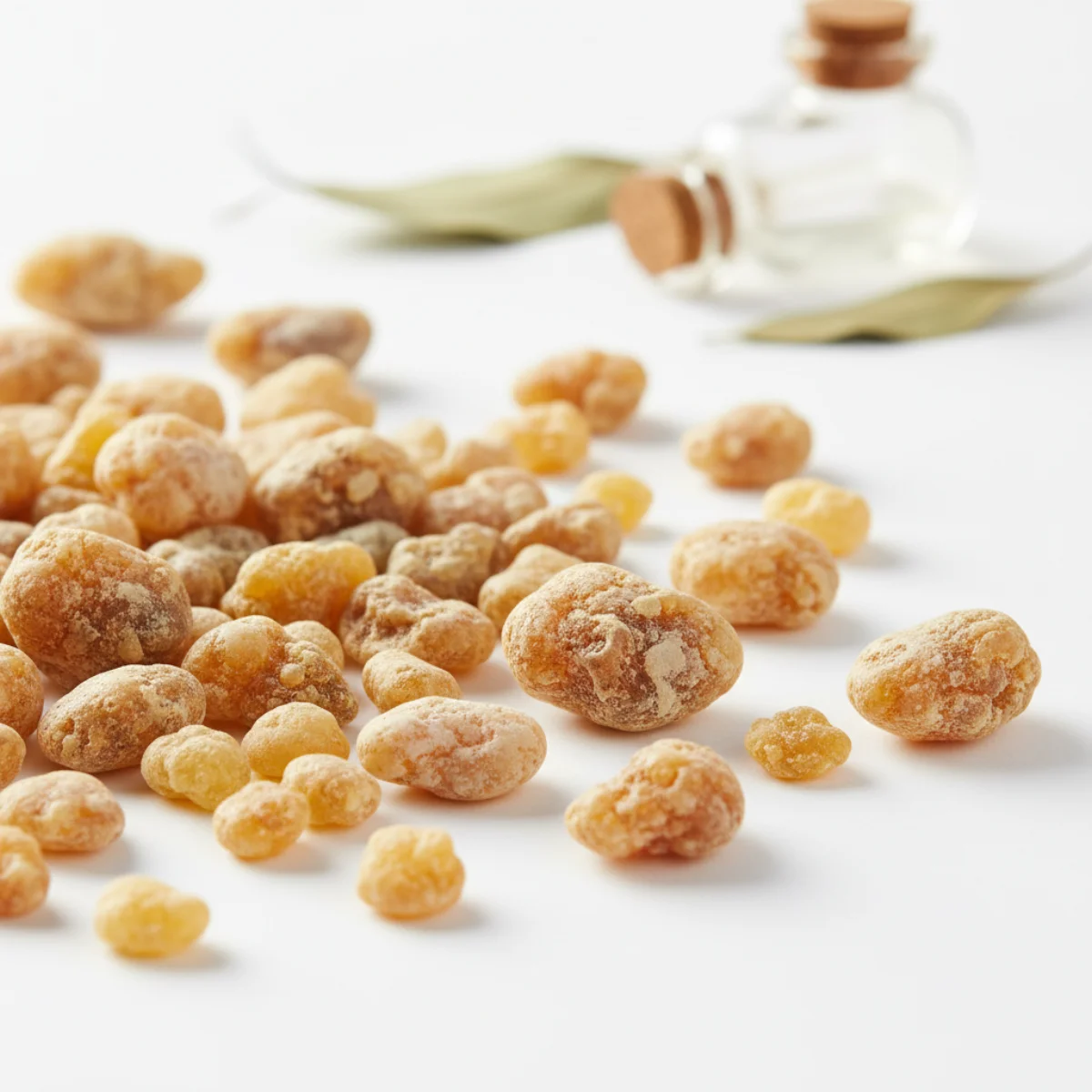
Boswellic acid is a pentacyclic triterpene compound derived from the resin of the Boswellia serrata tree, native to India and the Middle East. The resin has been used in traditional Ayurvedic and Middle Eastern medicine for centuries, particularly in formulations for joint and respiratory support. Modern supplement extracts typically standardize for specific boswellic acid components, most notably AKBA (11-keto-β-boswellic acid), which is considered the most bioactive form.
The primary mechanism of action involves inhibition of 5-lipoxygenase (5-LOX), an enzyme that catalyzes the production of leukotriene B4, a pro-inflammatory mediator implicated in joint inflammation and other inflammatory conditions. By blocking this pathway, boswellic acids may reduce inflammatory signaling in joint tissues. Boswellic acid is poorly absorbed in the small intestine and is believed to act locally in the colon and systemically after metabolism by gut bacteria.
The standardized extracts used in supplements typically contain 30–65% boswellic acids by weight, with premium formulations emphasizing higher AKBA content. Bioavailability is modest, and absorption is enhanced when taken with food; some formulations use phytosome or liposomal delivery systems to improve uptake.
Evidence-based benefits of Boswellic Acid
Boswellic acid is studied primarily for joint-health applications, though evidence is still emerging in human populations. The most robust data supports a role in helping maintain comfort and mobility, particularly in the context of normal joint wear and tear. Below are the main benefit categories supported by current research.
Joint Comfort & Mobility
Small randomized controlled trials suggest that boswellic acid extracts, especially those standardized for AKBA, may help support joint comfort and ease of movement. A notable 8-week RCT found that participants taking a standardized Boswellia serrata extract (100 mg AKBA per dose) reported improvements in joint function and comfort compared to placebo. Mechanistically, inhibition of 5-LOX reduces leukotriene production, which helps dampen inflammatory signaling in affected joints. Effects typically emerge over 4–8 weeks of consistent supplementation.
Inflammatory Response Modulation
Beyond joint-specific inflammation, boswellic acids are studied for their broader effect on inflammatory pathways. Lab and animal studies show inhibition of NF-κB signaling and reduced secretion of pro-inflammatory cytokines (IL-6, TNF-α, IL-8). Human evidence remains limited, but small trials suggest boswellic acid may help support a healthy inflammatory response in people with elevated markers of systemic inflammation. These effects are thought to complement other anti-inflammatory nutrients like curcumin.
Cartilage Support
Preliminary research suggests boswellic acids may support cartilage resilience and slow cartilage breakdown. Some in vitro and animal studies indicate that boswellic acids inhibit matrix metalloproteinases (MMPs), enzymes responsible for cartilage degradation. However, robust human evidence for cartilage protection is lacking, and long-term effects on joint structure in human subjects remain unknown.
Respiratory Comfort
Traditionally used for respiratory function, boswellic acid is studied for supporting airway comfort and breathing ease, likely through the same 5-LOX inhibition mechanism. Small human studies hint at benefit for occasional respiratory inflammation, but evidence is less robust than for joint support. This indication remains secondary to joint health in modern supplement use.
Supplement forms of Boswellic Acid, compared
Boswellic acid is available almost exclusively as standardized herbal extract derived from Boswellia serrata resin. The most common commercial form is a dry resin extract standardized to 30–65% boswellic acids, with premium products emphasizing AKBA (11-keto-β-boswellic acid) content of 10–30%. Some formulations use phytosome or liposomal encapsulation to enhance absorption; others combine boswellic acid with complementary joint-support ingredients like curcumin or chondroitin.
How much Boswellic Acid should you take?
Dosing for boswellic acid extracts is typically based on the amount of standardized boswellic acids or AKBA per dose rather than the raw plant material. Standard effective doses range from 100–250 mg of AKBA or 300–650 mg of total boswellic acids per day, divided into 2–3 doses.
- Standard daily dose: 300–650 mg of standardized Boswellia serrata extract (30–65% boswellic acids) in 2–3 divided doses.
- AKBA-focused products: 100–250 mg of AKBA (11-keto-β-boswellic acid) per day, often delivered by premium extracts.
- Trial duration: 4–8 weeks is typical; many studies run 8–12 weeks to assess full benefit.
- Special populations: No established RDA or UL; pregnant and nursing individuals should consult a clinician before use.
Boswellic acid extracts are best absorbed when taken with food, particularly a meal containing fat or oil. Splitting doses across the day may improve absorption and steady blood levels. Boswellic acid is often stacked with curcumin, chondroitin, or glucosamine for additive joint support, though formal interaction studies are limited.
Safety, side effects, and risks
Boswellic acid supplements derived from Boswellia serrata resin have a generally favorable safety profile in short- and medium-term use (up to 12 weeks in most studies). Serious adverse events are rare, and the compound has a long traditional use history. However, long-term safety data in humans are limited, and individual sensitivities do occur.
Common Side Effects
Mild gastrointestinal upset (nausea, bloating, diarrhea, or constipation) is the most frequently reported side effect, particularly at higher doses or when taken on an empty stomach. Headache and rash have been reported occasionally. These effects are typically transient and diminish with continued use or dose reduction.
Rare Serious Risks
Allergic reactions (including anaphylaxis) to Boswellia serrata are extremely rare but possible, especially in individuals with tree resin allergies. Liver or kidney toxicity has not been established in human studies, but long-term safety data are scarce. Some case reports suggest boswellic acids may increase bleeding risk at very high doses, though this is not established in clinical trials.
Pregnancy & Lactation
Boswellic acid supplements are not recommended during pregnancy or lactation due to insufficient safety data. Pregnant and nursing individuals should consult a healthcare provider before use.
Important Safety Note
Boswellic acid is a complement to, not a replacement for, medical diagnosis and treatment of joint disorders. If you have chronic joint pain, arthritis, or other inflammatory conditions, talk to your clinician before starting boswellic acid, especially if you take anticoagulants, antiplatelet medications, or NSAIDs. Do not use boswellic acid as a sole treatment for acute joint injury.
Drug and nutrient interactions
- Anticoagulants (warfarin, apixaban, dabigatran): Boswellic acids may theoretically increase bleeding risk; monitor closely and consult your doctor before combining.
- Antiplatelet drugs (aspirin, clopidogrel): Additive antiplatelet effects are possible; use together only under medical supervision.
- NSAIDs (ibuprofen, naproxen): Boswellic acid may offer complementary anti-inflammatory effects, but combined use should be discussed with a clinician to avoid cumulative GI or renal effects.
- Immunosuppressants: Boswellic acids may modulate immune function; consult your doctor if you take medications that suppress immunity.
- Curcumin & other polyphenols: No direct pharmacokinetic interaction; combination may offer additive anti-inflammatory benefit for joint support.
- Chondroitin & glucosamine: Often combined for joint support without reported interactions; additive benefit is likely but not formally proven.
For a comprehensive interaction check with your specific medications, use the dietary supplement interaction checker.
Who might benefit — and who shouldn't self-supplement without guidance
| Most Likely to Benefit from Supplementing | Use with Caution or Seek Medical Guidance First |
|---|---|
| Individuals with mild to moderate joint discomfort seeking natural support | Those taking anticoagulants or antiplatelet medications |
| Athletes or active individuals interested in joint-health maintenance | People with bleeding disorders or history of GI ulcers |
| Older adults seeking to support mobility and joint resilience | Pregnant or nursing individuals |
| People with elevated systemic inflammatory markers looking for adjunctive support | Individuals with severe or acute joint injury (consult physician first) |
| Those interested in plant-based alternatives to synthetic anti-inflammatory drugs | People with known allergy or sensitivity to tree resins or frankincense |
Frequently asked questions
How long does it take to feel the effects of boswellic acid?
Most studies report that benefits emerge over 4–8 weeks of consistent daily supplementation. Some users notice improvements in joint comfort within 2–3 weeks, while others require 8–12 weeks. Consistency matters; taking boswellic acid with food enhances absorption and may speed onset.
Is boswellic acid safe to take long-term?
Short- to medium-term safety (up to 12 weeks) is well-established in clinical trials. Long-term human safety data beyond 3–6 months are limited. If you plan to use boswellic acid long-term, discuss this with a healthcare provider and consider periodic check-ins to monitor any changes in tolerance or effects.
Can I combine boswellic acid with curcumin or glucosamine?
Yes, boswellic acid is commonly stacked with curcumin and glucosamine for additive joint support. These combinations are widely available in commercial formulations, and no serious interactions are known. Combining ingredients with complementary mechanisms may enhance overall joint-health benefit, but formal clinical evidence for synergy is limited.
Should I take boswellic acid with food?
Yes, boswellic acid is better absorbed when taken with a meal that includes fat or oil. Taking it on an empty stomach may reduce absorption and increase the risk of mild GI upset. Dividing your dose across meals (e.g., morning and evening) can help maintain steady levels.
What is AKBA, and why do some products emphasize it?
AKBA (11-keto-β-boswellic acid) is the most bioactive and studied form of boswellic acid. Products that standardize for higher AKBA content (10–30% per dose) are believed to deliver more potent 5-LOX inhibition and potentially faster or stronger effects. Premium products often highlight AKBA content because it is the most reliable marker of quality and efficacy.
Can boswellic acid help with rheumatoid arthritis?
Small preliminary studies suggest boswellic acid may support comfort and mobility in people with joint discomfort, but evidence for rheumatoid arthritis specifically remains limited. Boswellic acid is not a replacement for medical diagnosis and treatment of autoimmune joint disease. If you have rheumatoid arthritis, consult your rheumatologist before adding boswellic acid to your regimen.
Are there any side effects from boswellic acid?
Most people tolerate boswellic acid well. Mild GI effects (nausea, bloating, diarrhea) are the most common and usually improve with continued use or dose reduction. Headache and rash occur occasionally. Serious side effects are rare, but if you experience unusual symptoms, stop use and consult a healthcare provider.
Related ingredients
Curcumin
Related ingredient — see the Curcumin reference page.
Boswellia
Related ingredient — see the Boswellia reference page.
Chondroitin Sulfate
Related ingredient — see the Chondroitin Sulfate reference page.
Bromelain
Related ingredient — see the Bromelain reference page.
Ashwagandha
Related ingredient — see the Ashwagandha reference page.
Disclaimer: This information is for educational purposes only and should not replace medical advice. Always consult a qualified healthcare provider before starting any supplement, especially if you have a medical condition, are pregnant, or take prescription medications. These statements have not been evaluated by the Food and Drug Administration. This product is not intended to diagnose, treat, cure, or prevent any disease.