Zinc is an essential mineral required for immune function, wound healing, protein synthesis, and DNA production. When your body lacks sufficient zinc, a range of symptoms emerge—some subtle at first, others more pronounced. Understanding what zinc deficiency symptoms look like can help you identify the problem early and take corrective action, whether through dietary changes or supplementation.
What Is Zinc and Why Your Body Needs It
Zinc is a trace mineral found in cells throughout your body. It activates over 300 enzymes and plays central roles in immunity, reproduction, growth, and wound repair. Unlike iron or calcium, your body cannot store zinc long-term, so you need a consistent dietary supply. Adult men require 11 mg daily, while women need 8 mg—amounts easily obtained from meat, shellfish, legumes, and seeds, though absorption varies based on diet composition and digestive health.
Early Signs of Zinc Deficiency
The first symptoms of zinc deficiency often appear in areas of rapid cell turnover: the skin, hair, and immune system. Slow wound healing is frequently the earliest complaint—minor cuts, scrapes, or surgical wounds take noticeably longer to close or form scabs. This happens because zinc is essential for collagen cross-linking and fibroblast function. You may also notice your wounds are more prone to infection.
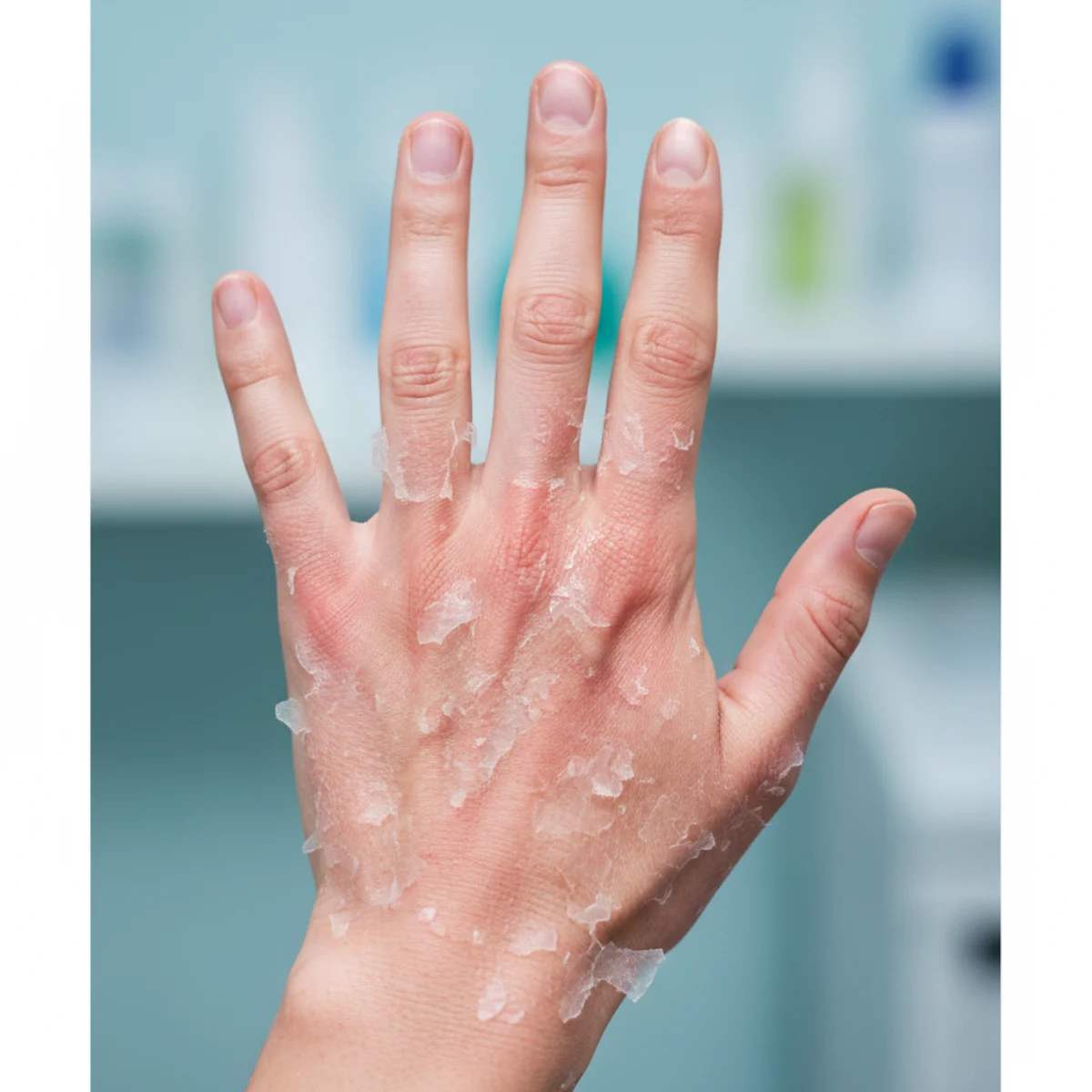
Skin changes typically manifest as a scaly, itchy dermatitis, often concentrated around the mouth, genitals, and joints—areas exposed to irritation. The rash may look similar to eczema but differs in its distribution pattern and responsiveness to zinc supplementation.
Hair loss (alopecia) is another hallmark sign. Hair follicles require zinc for the anagen (growth) phase, so deficiency disrupts the hair cycle and causes premature shedding. This may be diffuse (thinning across the scalp) rather than patchy, and it typically reverses with zinc repletion.
Immune weakness emerges as frequent infections—recurrent colds, respiratory tract infections, or slower recovery from illness. Zinc supports T-cell maturation and antibody production, so deficiency impairs both cell-mediated and humoral immunity. You may notice you're sick more often than peers, or that minor infections linger longer.
Gastrointestinal symptoms include diarrhea, loss of appetite, and nausea. This can create a vicious cycle: diarrhea worsens malabsorption, which deepens deficiency, which perpetuates diarrhea.
Moderate to Severe Deficiency Symptoms
If mild deficiency goes unaddressed, symptoms intensify. Mental and neurological effects become noticeable: difficulty concentrating, brain fog, irritability, and depression. Some people report altered taste or smell (hypogeusia or hyposmia), which further reduces appetite and nutritional intake.
Eye problems may develop, including night blindness and reduced visual acuity, since zinc is needed for retinol binding protein and retinal function. Severe alopecia can progress to near-total hair loss if deficiency remains untreated.
In rare cases—typically in conditions causing severe malabsorption—acral and perioral dermatitis (around the mouth, hands, feet, and genitals) becomes pronounced and can spread. This presentation is sometimes called