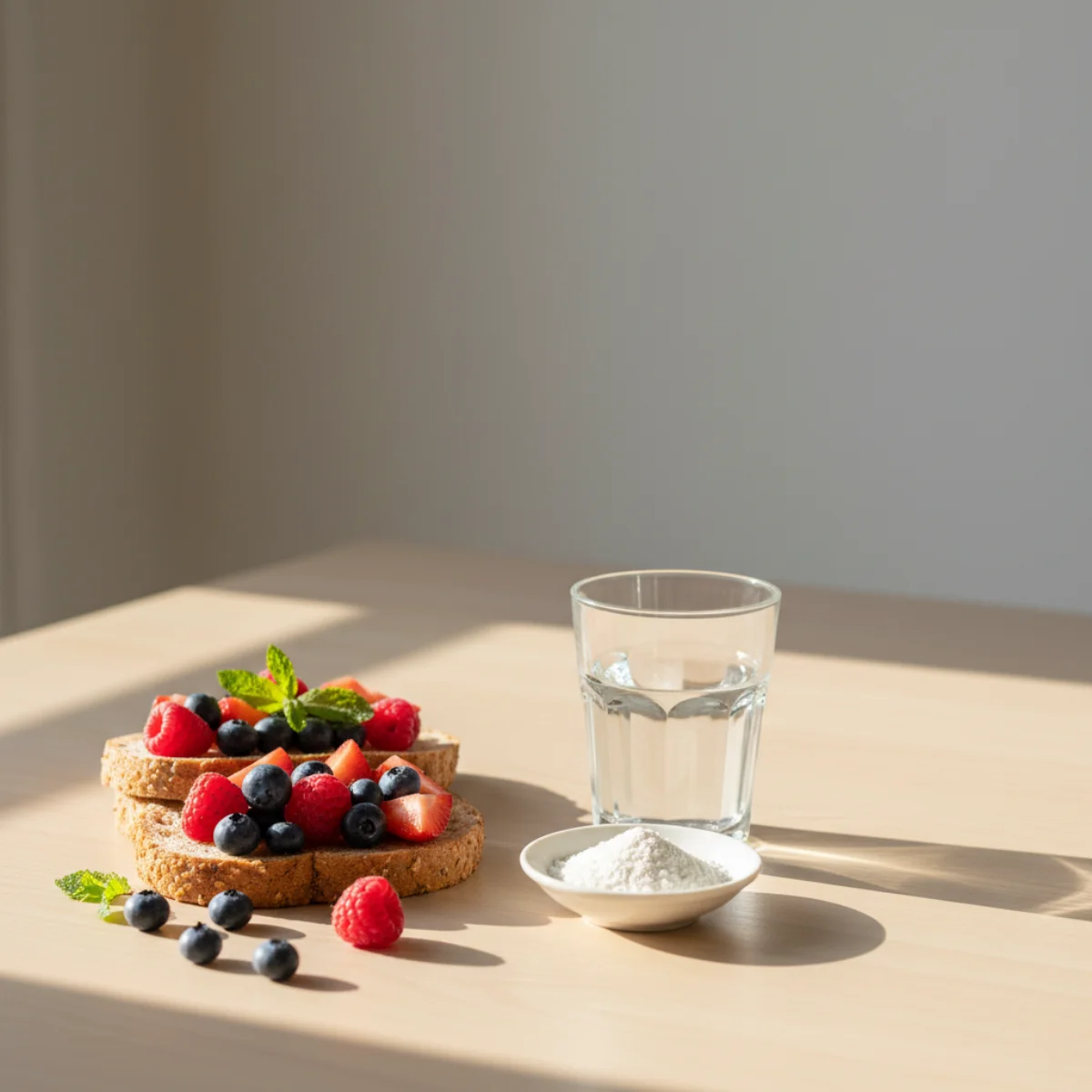
The effectiveness of probiotics depends not just on what you take, but when you take it. Timing decisions—relative to meals, medications, and other supplements—can influence how many live beneficial bacteria reach your colon intact and establish themselves. This guide walks through the practical science behind probiotic timing so you can get the most from your supplement routine.
Understanding Probiotic Timing Fundamentals
Probiotics are living microorganisms designed to colonize your gut and support digestive and immune function. The journey from swallowing a capsule to successful colonization is precarious: stomach acid, bile salts, and transit time all affect bacterial survival. When you take a probiotic is less about a strict rule and more about creating conditions that help the largest percentage of cells survive and reach the colon alive.
Research shows that probiotic supplement viability during transit depends on strain type, dosage form, and what you consume alongside it. Some strains have thick cell walls that withstand stomach acid; others are fragile and need protection. The label on your supplement should indicate whether it's best taken with or without food, and following that guidance matters more than any universal rule.
With Food or On An Empty Stomach?
One of the most common questions is whether to take probiotics with or without food. The honest answer: it depends on the strain and formulation.
With food: Most commercial probiotics are formulated to be taken with meals. Food raises stomach pH, slows gastric emptying, and often contains fat, all of which buffer stomach acid and create a gentler environment for bacteria transit. For Lactobacillus and Bifidobacterium species—the most common probiotic genera—taking them with a meal containing some fat or fiber is often recommended and generally improves survival rates. A small breakfast or lunch works; you don't need a large meal.
On an empty stomach: Some spore-forming strains (like Bacillus coagulans) and a few hardy Lactobacillus strains are tough enough to survive acidic conditions without food protection. Empty-stomach dosing may offer faster transit to the colon and no interference from other food components. However, if your product does not explicitly state "take on an empty stomach," assume food is beneficial.
Best practice: Read your product label first. If it does not specify, taking it with breakfast or a light meal (especially one with fat or fiber) is the safer default. Consistency—taking it at the same time each day with the same food routine—matters more than perfecting the exact moment.
Timing Relative to Medications
If you take medications alongside probiotics, spacing is critical—especially with antibiotics.
Antibiotics: Antibiotics kill bacteria indiscriminately, including the beneficial strains you're trying to establish. Separate probiotic doses from antibiotics by at least 2–4 hours (some sources suggest up to 6 hours for broad-spectrum antibiotics). A common protocol is to take the antibiotic in the morning and the probiotic in the evening, or vice versa. Even better: continue probiotics for 1–2 weeks after you finish the antibiotic course to help reseed your microbiome. Discuss timing with your pharmacist or doctor, as individual antibiotic classes vary in their window of activity.
Other medications: Most non-antibiotic drugs have no direct conflict with probiotics, but some antacids or acid-suppressant medications (like PPIs) do reduce stomach acid, which paradoxically can help probiotic survival. No spacing is usually needed. However, if you take iron supplements or calcium, space these 2+ hours from probiotics, as they may compete for absorption pathways and reduce probiotic viability.
Spacing Between Probiotics and Other Supplements
If you take multiple supplements, consider the order and timing. Probiotics work synergistically with certain ingredients but may be hindered by others.
Prebiotics (fiber, inulin, FOS): These are food for probiotics and are ideal to take together or even stacked—no spacing needed. Prebiotics don't harm bacteria; they support them.
Digestive enzymes: Timing together is fine. Enzymes break down food; probiotics colonize the gut. No conflict.
Antifungals or antimicrobials (berberine, oregano oil, etc.): If you take antimicrobial supplements designed to reduce problematic bacteria or yeast, space these 2–4 hours from probiotics to avoid the antimicrobial working against your beneficial strains. Use antimicrobials as a separate protocol or under practitioner guidance.
Fat-soluble vitamins (A, D, E, K): Taking these with probiotics at the same meal is fine and may even improve probiotic survival due to dietary fat present.
Single Dose vs. Consistent Routine
A common misconception is that a single probiotic dose provides lasting benefit. It doesn't. Probiotics are transient colonizers for most strains; they pass through the gut over days or weeks. To shift your microbiome composition meaningfully, consistency is essential.
Timeline expectations: Taking a probiotic once or twice provides negligible microbiome change. Regular daily supplementation for 4–8 weeks may begin to show modest changes in bacterial composition, especially if combined with dietary prebiotic fiber. Some research suggests longer periods (3–6 months) show stronger effects. Individual factors—diet, stress, sleep, genetics—also influence whether a probiotic establishes and persists.
Daily routine: The best time to take a probiotic is the time you'll actually take it every day. Whether that's with breakfast, lunch, or dinner matters less than adherence. Set a phone reminder, keep the bottle visible, or tie it to an existing habit (taking it with your morning coffee or evening meal).
Temperature, Storage, and Viability
Beyond timing of ingestion, when—and how—you store probiotics affects viability before you even take them.
Heat sensitivity: Live probiotic cells are damaged by temperatures above 50°C (122°F). Never take a probiotic with very hot coffee, tea, or other beverages straight from a kettle; wait for drinks to cool to warm-to-lukewarm. Many probiotics are best stored in a cool, dry place or refrigerated (check your label), especially once opened. Heat and humidity degrade live cultures over time, reducing potency by the time you consume them.
Shelf-life: Most probiotics have an expiration date. The CFU (colony-forming units) count printed on the label typically reflects the count at that date under proper storage. Expired probiotics are less likely to be effective and may have very few living cells left, defeating the purpose of supplementation.
When to Reconsider Your Timing Strategy
If you've been taking probiotics consistently for 8–12 weeks and notice no improvement in digestive symptoms or feel worse, timing may not be the issue—but reassessing your approach makes sense.
Signs to pause and consult a clinician: Persistent bloating, gas, or digestive discomfort after starting probiotics can occur (die-off reactions are real but usually brief), but if it persists beyond 1–2 weeks, or you develop new symptoms, speak with your doctor or a registered dietitian. They can rule out intolerance, suggest a different strain or dose, or clarify whether another condition is at play. Similarly, if you're taking antibiotics for a serious infection, always consult your healthcare provider about the safety and timing of probiotics alongside your specific antibiotic course.
Strain differences: Different strains have different optimal conditions. If one probiotic didn't seem to help despite consistent timing and adequate duration, trying a different strain (or multi-strain product) may be worthwhile. There is no universal "best" probiotic; response is individual.
Summary: Practical Timing Checklist
Here's a straightforward guide to optimize your probiotic routine:
- Check your label first: Follow the manufacturer's recommendation regarding food and timing.
- Default to taking with food: If not specified, take with a meal containing fat or fiber.
- Space from antibiotics: Wait 2–4 hours between probiotic and antibiotic doses.
- Be consistent: Take it at the same time daily; adherence beats perfect timing.
- Give it time: Plan for 4–12 weeks of consistent use before judging effectiveness.
- Keep it cool: Store as directed, away from heat and moisture.
- Avoid very hot beverages: Never chase a probiotic with boiling water or steaming hot coffee.
- Combine with fiber: Prebiotics (whole grains, vegetables, legumes) provide food for your probiotics and enhance outcomes.