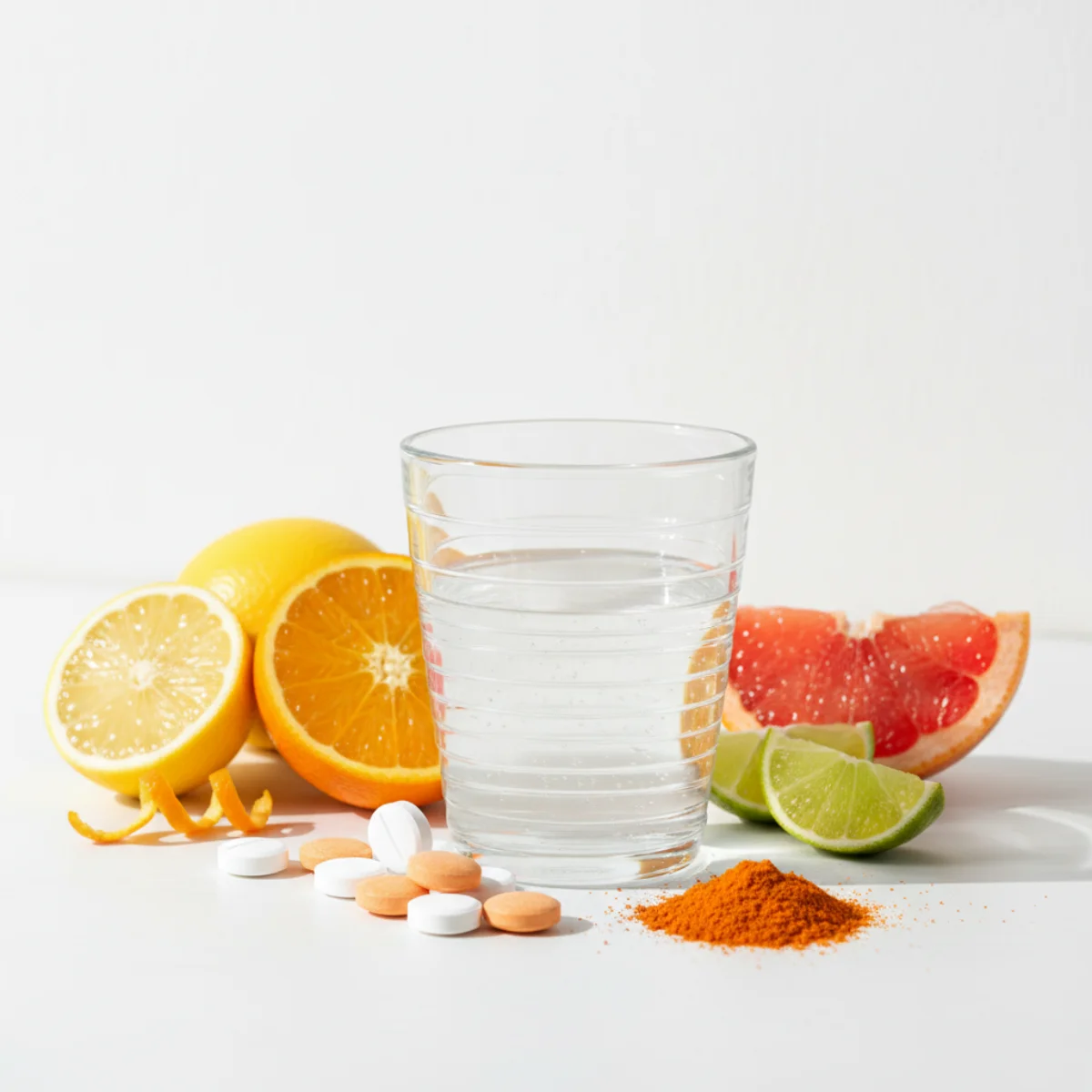
Vitamin C is widely recognized as a safe and essential nutrient, but like any supplement taken in large amounts, it can cause side effects in certain individuals and at high doses. While the recommended dietary allowance (RDA) for most adults is 75–90 mg daily, many people consume 500–2,000 mg or more through supplements, which can trigger unwanted reactions. Understanding which side effects are possible, who is most at risk, and how to minimize them can help you use vitamin C safely and effectively.
What Vitamin C Is and How It Works
Vitamin C, also called ascorbic acid, is a water-soluble vitamin essential for collagen synthesis, immune function, and antioxidant protection. Because your body cannot store vitamin C, excess amounts are typically excreted through urine rather than accumulating in tissue. This water-solubility is why vitamin C toxicity is less common than with fat-soluble vitamins, but it also means that unmetabolized vitamin C in the gastrointestinal tract can have osmotic effects—drawing water into the bowel and causing laxative-like symptoms.
Common Side Effects of High-Dose Vitamin C
The vast majority of vitamin C side effects are mild and gastrointestinal. They typically occur when intake exceeds 1,500–2,000 mg daily, though individual tolerance varies.
Digestive Upset
Diarrhea is the most frequent side effect, caused by the osmotic effect of excess unabsorbed ascorbic acid in the intestines. Nausea, abdominal cramping, and bloating can also occur. These symptoms are usually dose-dependent and reversible; lowering your intake or taking vitamin C with food often resolves them within days.
Headaches and Fatigue
Some users report mild headaches or tiredness, though these are not universally reported and may reflect individual sensitivity rather than a direct pharmacological effect. They typically resolve when supplementation is discontinued or reduced.
Kidney Stones
High-dose vitamin C supplementation increases urinary oxalate excretion, a key risk factor for calcium oxalate kidney stone formation. People with a personal or family history of kidney stones should limit supplemental vitamin C to 500–1,000 mg daily and ensure adequate hydration. Evidence is strongest for risk in men over 40 and those with pre-existing renal dysfunction.
Who Is at Higher Risk
Certain populations should be especially cautious with high-dose vitamin C:
- People with kidney disease or a history of kidney stones: Limit vitamin C supplementation and monitor intake carefully with a healthcare provider.
- Those with hemochromatosis or iron-overload disorders: Vitamin C enhances iron absorption, which can worsen iron accumulation. Supplementation should be avoided or used only under medical supervision.
- Individuals with G6PD deficiency: A genetic condition affecting red blood cell metabolism. Very high vitamin C doses may trigger hemolytic episodes in susceptible individuals.
- People taking certain medications: Vitamin C can interact with blood thinners, diabetes medications, and other drugs. Consult your clinician if you take prescription medications regularly.
Dose-Related Side Effect Risk
Vitamin C side effect risk is strongly dose-dependent. The tolerable upper intake level (UL) established by the National Institutes of Health is 2,000 mg daily for adults. Below 1,500 mg daily, side effects are rare in healthy individuals. Between 1,500–2,000 mg, mild digestive symptoms may occur in sensitive people. Above 2,000 mg daily, gastrointestinal and systemic side effects become progressively more likely.
Notably, even very high food-based vitamin C intake—such as from consuming several oranges, kiwis, or bell peppers daily—rarely causes side effects, as the amount absorbed is self-limiting and the fiber content aids normal digestion.
Safety During Pregnancy and in Children
Pregnant women should not exceed 2,000 mg of vitamin C daily, and 85 mg from food is typically sufficient. Excessive supplementation during pregnancy has been associated with increased miscarriage risk in some observational studies, though evidence is not conclusive. For children, the UL is lower: 400–1,200 mg depending on age. Exceeding these amounts increases risk of kidney stones and gastrointestinal upset in younger users.
Drug Interactions and Special Considerations
High-dose vitamin C can interfere with certain medications and lab tests. It may reduce the effectiveness of warfarin and other anticoagulants by competing with their metabolism. Vitamin C can also interfere with blood glucose monitoring in people with diabetes and may increase the risk of kidney stone formation in those taking certain diuretics. Additionally, very high vitamin C intake can skew results on some urine and blood tests, so inform your healthcare provider if you're taking supplemental doses above 500 mg daily before lab work.
Minimizing Side Effects: Practical Strategies
If you decide to supplement with vitamin C, several approaches can help you avoid or minimize side effects:
- Start low and go slow: Begin with 250–500 mg daily and increase gradually if needed, allowing your digestive system to adapt.
- Take it with food: Consuming vitamin C with a meal slows absorption and reduces gastrointestinal irritation.
- Split your dose: Instead of taking 1,000 mg at once, divide it into two 500 mg doses throughout the day.
- Stay hydrated: Drinking plenty of water helps prevent kidney stone formation and supports normal kidney function.
- Consider your form: Buffered or esterified forms of vitamin C (like ascorbyl palmitate or magnesium ascorbate) may be gentler on the stomach for some people, though evidence on superiority is mixed.
- Use food sources when possible: Meeting your vitamin C needs through citrus, berries, peppers, and other plant foods provides the nutrient with minimal side effect risk.
When to See a Clinician
Stop supplementing and consult a healthcare provider if you experience severe abdominal pain, blood in urine, persistent diarrhea lasting more than a week, or signs of an allergic reaction (rash, swelling, difficulty breathing). Additionally, if you have a personal or family history of kidney disease, kidney stones, hemochromatosis, G6PD deficiency, or take medications regularly, discuss vitamin C supplementation with your clinician before starting. They can help determine a safe dose for your individual health profile and monitor you if high-dose supplementation is warranted.