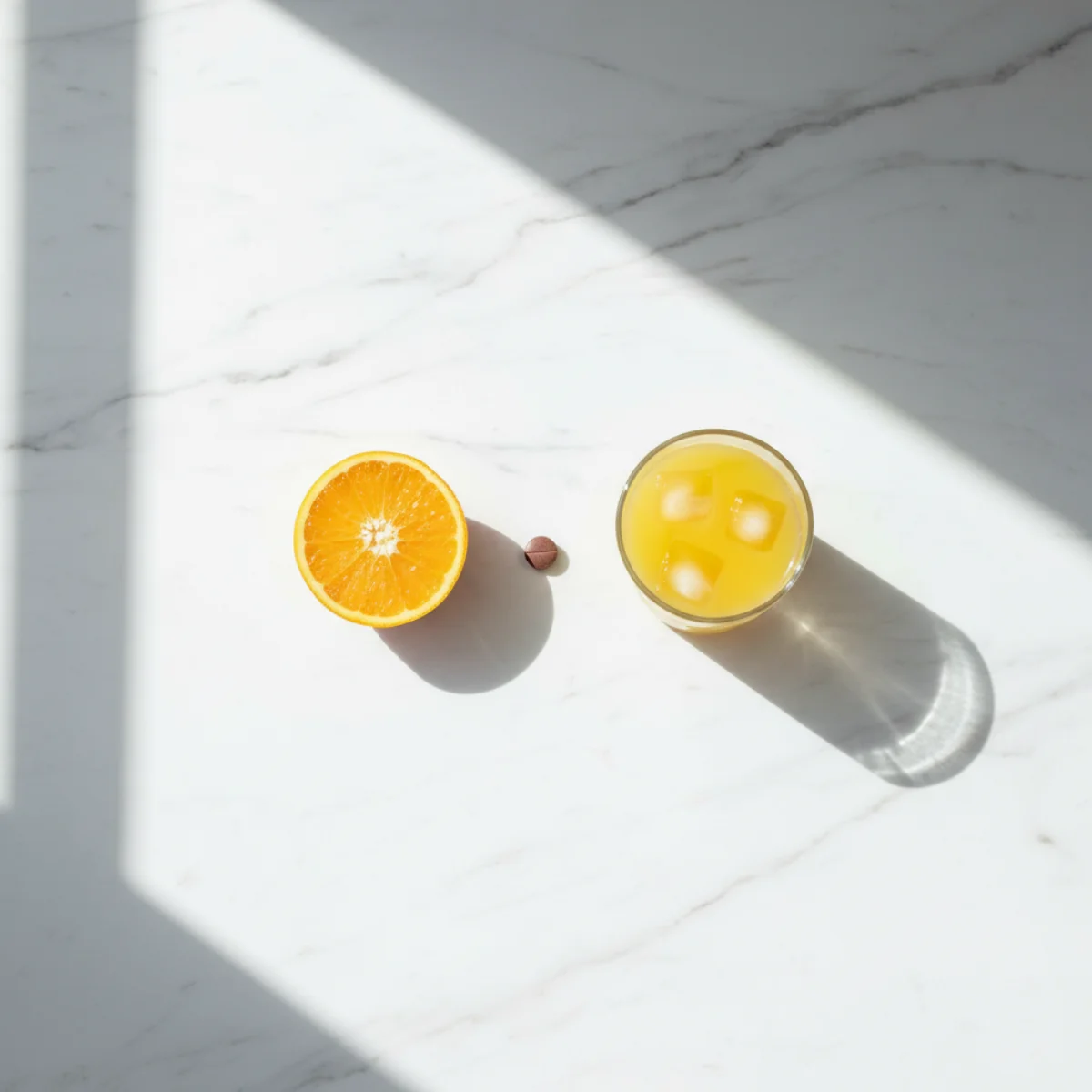
Yes, you can take vitamin C and iron together—and doing so is often recommended because vitamin C enhances the absorption of iron, particularly non-heme iron (the form found in plant-based foods and most supplements). This synergy makes the combination especially valuable for vegetarians, vegans, and anyone with low iron levels. Understanding how and when to take them together maximizes their benefit and minimizes digestive discomfort.
What Iron and Vitamin C Do in Your Body
Iron is an essential mineral needed to carry oxygen in your blood and support energy production. Your body has two types of dietary iron: heme iron (from animal products, absorbed at 15–35%) and non-heme iron (from plants and supplements, absorbed at only 2–20%). Iron absorption is affected by stomach acid and other dietary factors, which is where vitamin C becomes crucial.
Vitamin C (ascorbic acid) is a water-soluble antioxidant that lowers stomach pH and converts ferric iron (Fe³⁺) into the more absorbable ferrous form (Fe²⁺). This chemical transformation significantly boosts how much iron your body can actually use. Without adequate vitamin C, much of a non-heme iron supplement passes through your system unused.
How Vitamin C Enhances Iron Absorption
The mechanism is straightforward: vitamin C creates an acidic environment in the stomach and acts as a chelating agent, binding to iron and keeping it in a form your intestines can absorb. Research shows that consuming 25–75 mg of vitamin C with an iron-containing meal or supplement can increase non-heme iron absorption two- to threefold. For someone taking a 30 mg iron supplement, adding vitamin C can mean the difference between absorbing 2–4 mg versus 6–12 mg of usable iron.
This effect is strongest when vitamin C and iron are consumed together on an empty stomach or with a light meal. Coffee, tea, calcium supplements, and high-fiber foods consumed at the same time can interfere with iron absorption, so timing and food pairing matter significantly.
Best Practices for Taking Them Together
Timing: Take your iron and vitamin C supplement within 30 minutes of each other, ideally on an empty stomach or 1–2 hours after eating. If your stomach is sensitive, a small snack (like toast or apple) is acceptable, though it may slightly reduce absorption.
Dosing: You need only 25–75 mg of vitamin C to noticeably enhance iron absorption. A single medium orange (50 mg vitamin C) or a glass of orange juice (60–100 mg) is often sufficient. If supplementing, a 500 mg tablet of vitamin C will far exceed what you need for this purpose.
Separation from other supplements: Wait at least 2 hours before or after taking iron if you're also using calcium, magnesium, zinc, or certain medications like antibiotics or bisphosphonates, as these can reduce iron absorption.
Safety Considerations and Potential Side Effects
Iron supplementation is generally safe for most people, but the combination of iron and vitamin C can occasionally intensify side effects. Iron commonly causes nausea, constipation, abdominal discomfort, and dark stools. Adding vitamin C may increase stomach irritation in sensitive individuals because both enhance gastric acidity.
Who should be cautious: People with hemochromatosis (iron overload disorder), thalassemia, or sickle cell disease should avoid taking iron and vitamin C together without specific medical advice, as excessive iron absorption can be harmful. If you have a history of ulcers, inflammatory bowel disease, or severe acid reflux, consult your healthcare provider before combining these supplements.
Managing side effects: If nausea occurs, try taking your iron supplement with a small, non-acidic food (like crackers or rice) rather than completely on an empty stomach, understanding that absorption may be slightly reduced. Staying hydrated and increasing dietary fiber can help with constipation. If side effects persist, a lower dose taken twice daily may be better tolerated than a single larger dose.
Who Benefits Most from This Combination
The iron and vitamin C pairing is especially valuable for:
- Vegetarians and vegans: Plant-based diets contain only non-heme iron, which is poorly absorbed without enhancement. Pairing iron supplements or iron-rich foods like spinach and lentils with vitamin C sources (citrus, berries, bell peppers) is critical for maintaining adequate iron levels.
- People with iron deficiency anemia: If bloodwork confirms low iron, this combination can help restore levels more efficiently than iron alone.
- Those with increased iron needs: Pregnant women, heavy menstruators, and individuals with certain medical conditions may benefit from the enhanced absorption this pairing offers.
- Individuals with absorption issues: People with celiac disease, inflammatory bowel disease, or previous gastric surgery often have impaired iron absorption and may see better results from this combination.
Foods That Help or Hinder the Combination
To maximize the benefit of iron and vitamin C together, be mindful of what you eat at the same meal:
Enhancers: Citrus fruits and juices, tomatoes, strawberries, kiwis, and bell peppers all contain substantial vitamin C and pair well with iron-rich foods or supplements.
Inhibitors to avoid at the same time: Tea and coffee contain tannins that bind to iron and reduce absorption by up to 50%. Calcium supplements, whole grains, legumes, and spinach (high in oxalates) can also interfere. Space these foods or supplements 2+ hours away from your iron dose.
Practical Recommendations
If you're considering taking iron and vitamin C together, here's a practical approach:
- Have your iron status checked with a blood test (ferritin, serum iron, TIBC) to confirm whether supplementation is actually needed.
- Start with the lowest effective dose (often 15–30 mg elemental iron) to minimize side effects.
- Take iron and vitamin C together on an empty stomach, or with a small food if nausea is an issue.
- Maintain consistent timing each day to establish a routine.
- Retest iron levels after 8–12 weeks to assess whether supplementation is working.
- If you have any existing health conditions or take medications, discuss the combination with your healthcare provider or a registered dietitian to rule out interactions.
The combination of vitamin C and iron is not only safe for the vast majority of people—it's a scientifically supported way to improve how your body uses iron supplementation. By understanding the mechanism, timing your doses correctly, and being mindful of foods and other supplements that interfere, you can make this pairing work effectively for your nutritional needs.