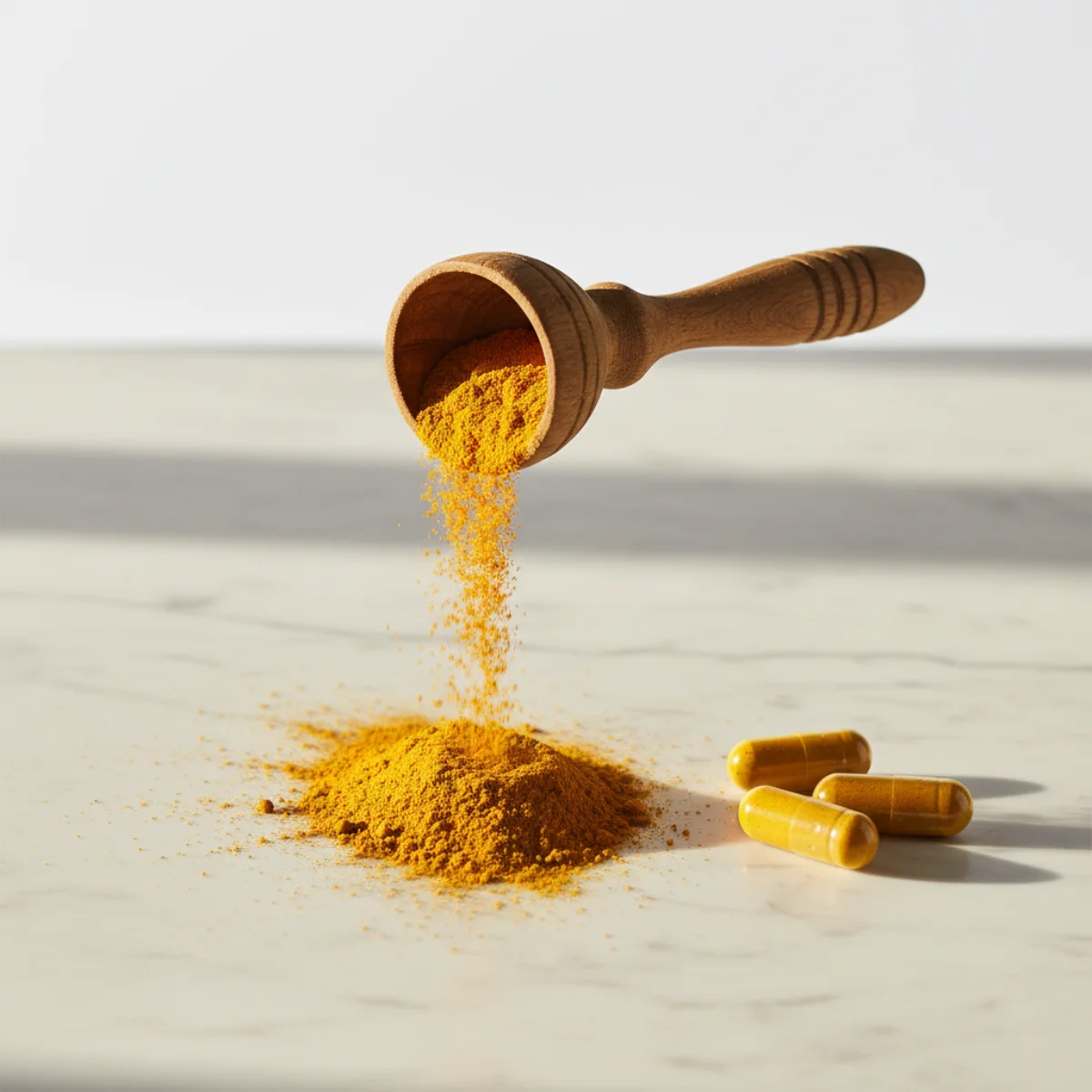
Turmeric is one of the world's most popular dietary supplements, celebrated for its active compound curcumin and traditional use across Asian cuisines. While generally well-tolerated at typical dietary and supplement doses, turmeric is not risk-free. High-dose supplementation can trigger digestive upset, allergic reactions, blood-thinning effects, and significant interactions with common medications. Understanding these potential side effects—and knowing who should limit or avoid turmeric entirely—is essential for safe, evidence-based use.
What Turmeric Is and How It Works
Turmeric (Curcuma longa) is a rhizome—an underground stem—used as both a culinary spice and a concentrated supplement. Its therapeutic reputation rests primarily on curcumin, a polyphenol compound that comprises only 2–8% of raw turmeric powder by weight. Curcumin acts as an antioxidant and modulates inflammatory signaling pathways in the body, which is why it is studied for musculoskeletal, cognitive, and metabolic health. However, curcumin's bioavailability—the fraction your body actually absorbs—is notoriously low (around 1–5% when taken alone), meaning most of an ingested dose passes through unabsorbed. This poor absorption has important implications for both efficacy and safety: people often take much larger doses than necessary to try to achieve clinical effects, and these high doses are where adverse reactions become more likely.
Common Digestive and Gastrointestinal Side Effects
The most frequently reported side effects of turmeric supplementation affect the digestive system. Nausea, stomach discomfort, indigestion, and loose stools are typical, especially when doses exceed 1–2 grams daily or when taken on an empty stomach. These effects are usually mild and reversible; they often resolve simply by reducing the dose or taking turmeric with food. In some cases, discontinuing the supplement eliminates symptoms within hours or days.
High doses of curcumin may also increase stomach acid production or irritate the gastric lining, potentially worsening symptoms in people with pre-existing reflux, ulcers, or inflammatory bowel conditions. Turmeric's stimulating effect on bile production—which it shares with many plant-based polyphenols—can cause cramping or diarrhea in susceptible individuals. Those with sensitive digestive systems should start with lower doses (250–500 mg daily) and gradually increase only if well-tolerated.
Allergic Reactions and Hypersensitivity
Although uncommon, true allergic reactions to turmeric do occur. Symptoms can range from mild itching and skin rashes to angioedema (swelling of the face and throat) and in rare cases, anaphylaxis. People with known allergies to plants in the ginger family (Zingiberaceae) or with a history of contact dermatitis to turmeric should avoid supplemental forms. Cross-reactivity with birch pollen allergens has been reported anecdotally, so those with significant pollen sensitivities may want to proceed cautiously.
Dermatological reactions—including eczema flares or urticaria (hives)—have been documented in case reports, particularly in individuals taking high-dose supplements. If you experience itching, rash, or any breathing difficulty after taking turmeric, discontinue use and seek medical advice immediately.
Blood Thinning and Bleeding Risk
One of the most clinically significant side effects is turmeric's anticoagulant (blood-thinning) potential. Curcumin inhibits platelet aggregation and has anticoagulant properties in laboratory and animal studies. While dietary amounts from cooking rarely pose a problem, high-dose supplements can meaningfully increase bleeding time and bleeding risk. This effect becomes particularly concerning when combined with anticoagulant or antiplatelet medications—a category that includes warfarin (Coumadin), aspirin, clopidogrel (Plavix), and newer direct oral anticoagulants such as apixaban and rivaroxaban.
People scheduled for surgery or with bleeding disorders (hemophilia, thrombocytopenia) should discuss turmeric supplementation with their clinician beforehand, as it may increase operative blood loss or slow clot formation. The bleeding risk is dose-dependent and more pronounced at intakes exceeding 1.5–2 grams daily.
Medication and Supplement Interactions
Turmeric interacts with a broad range of medications, partly because curcumin is metabolized by liver enzymes (CYP3A4 and others) and can affect how other drugs are broken down. Key interactions include:
- Diabetes medications: Turmeric may enhance insulin sensitivity and lower blood glucose, raising hypoglycemia risk when combined with metformin, sulfonylureas, or insulin. Blood sugar monitoring is advisable if you use both.
- Nonsteroidal anti-inflammatory drugs (NSAIDs): Combining high-dose turmeric with NSAIDs such as ibuprofen or naproxen increases gastrointestinal irritation, ulcer risk, and bleeding potential.
- Immunosuppressants: Turmeric's immune-modulating effects may reduce the efficacy of drugs taken after organ transplantation or for autoimmune suppression.
- Chemotherapy agents: Limited evidence suggests curcumin may interfere with the metabolism of certain cancer drugs; patients undergoing chemotherapy should consult their oncology team before using turmeric supplements.
- Cholesterol-lowering statins: Curcumin may increase statin levels in the bloodstream, raising the risk of muscle pain and liver toxicity.
- Iron supplements: Turmeric's polyphenols can bind iron and reduce its absorption, so these should be taken at least 2–4 hours apart.
This list is not exhaustive. If you take any regular prescription medication, discuss turmeric supplementation with your doctor or pharmacist before starting.
Hormonal and Pregnancy-Related Concerns
Pregnant and breastfeeding women should generally avoid concentrated turmeric supplements, particularly at high doses. Curcumin is lipophilic (fat-soluble) and may cross the placenta; some animal studies suggest potential effects on fetal development, though human evidence is sparse. Additionally, turmeric's uterine stimulant properties and potential to increase menstrual bleeding make it risky for pregnant women. Culinary amounts of turmeric spice used in cooking are considered safe; the concern is primarily with high-dose capsule or extract supplements.
Breastfeeding mothers should also exercise caution, as curcumin is excreted in breast milk. The long-term safety of infant exposure is not well-established.
Who Should Avoid or Limit Turmeric
Certain populations should minimize or avoid turmeric supplementation altogether:
- People with gallstones or biliary obstruction: Turmeric stimulates bile secretion, which can exacerbate pain or obstruction in those with existing gallbladder disease.
- Those with bleeding disorders or on anticoagulants: The antiplatelet effects of high-dose turmeric increase hemorrhage risk.
- Pregnant or breastfeeding women: Insufficient safety data and theoretical risks of uterine stimulation warrant avoidance of supplements.
- People with turmeric or ginger family allergies: Obvious allergen sensitivity is a contraindication.
- Patients with iron-deficiency anemia: Turmeric may further impair iron absorption.
- Those with uncontrolled diabetes: Enhanced insulin sensitivity requires closer glucose monitoring and possible medication adjustment.
Dose, Bioavailability, and Risk Mitigation
The side-effect profile of turmeric is strongly dose-dependent. Most human trials showing benefit use doses of 500–2,000 mg of curcumin daily (or the equivalent in turmeric extract), taken in divided doses with food. This range generally carries a low side-effect burden in otherwise healthy individuals without contraindications. However, some marketers promote far higher doses—3,000 mg or more daily—based on the mistaken assumption that if 500 mg is good, more is better. In reality, higher doses do not proportionally improve outcomes because of curcumin's limited absorption; they primarily increase the risk of adverse effects without additional clinical gain.
To optimize safety and tolerability, consider these strategies:
- Start low and go slow: Begin with 250–500 mg daily and increase gradually only if well-tolerated.
- Take with black pepper: Piperine, the active alkaloid in black pepper, increases curcumin bioavailability 20-fold. Many high-quality supplements include piperine for this reason. With better absorption, you need lower doses to achieve effects, reducing side-effect risk.
- Take with fat: Curcumin is fat-soluble; consuming it with a meal containing dietary fat (nuts, seeds, oils) improves absorption.
- Divide doses: Taking 500 mg twice daily is gentler on the digestive system than a single 1,000 mg dose.
- Monitor and adjust: If you experience nausea or digestive upset, reduce the dose before stopping entirely—you may find a comfortable, effective level below the side-effect threshold.
When to Speak With a Clinician
Before starting a turmeric supplement, consult a healthcare provider if you:
- Take any regular medications, especially anticoagulants, anti-inflammatory drugs, or diabetes medications.
- Have a bleeding disorder, pending surgery, or a history of gallstones.
- Are pregnant, breastfeeding, or planning pregnancy.
- Experience persistent digestive symptoms after starting turmeric.
- Have an unexplained rash or signs of an allergic reaction.
Additionally, if you are taking turmeric for a specific health concern—such as joint pain or cognitive support—work with a clinician to establish realistic expectations and monitor whether the supplement is delivering meaningful benefit. The evidence for turmeric's effectiveness is mixed across many conditions, and a healthcare professional can help you decide whether supplementation makes sense for your individual situation and goals.