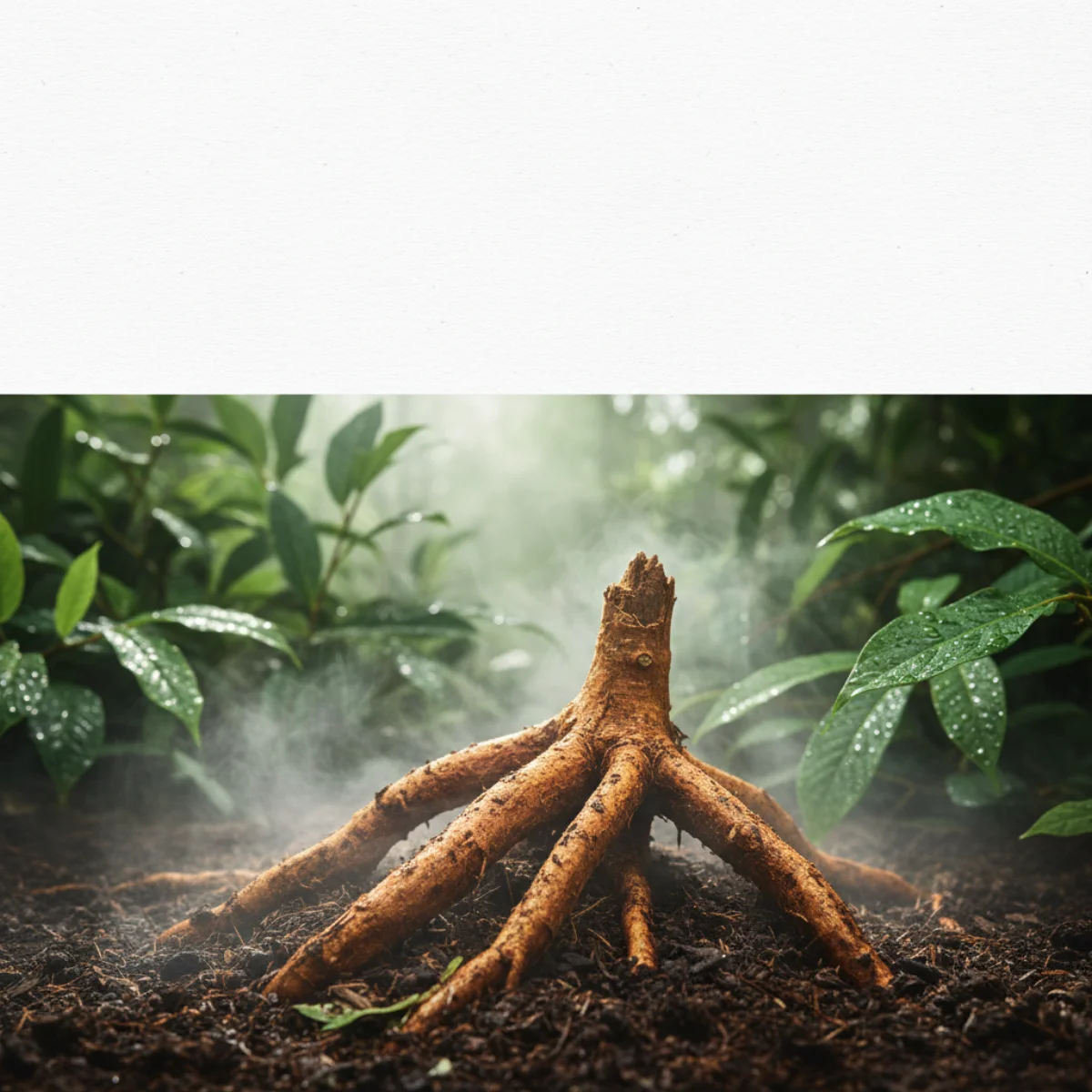
Tongkat ali is a tropical plant native to Southeast Asia, where it has been used in traditional medicine for centuries to boost energy, stamina, and male vitality. Modern research has begun to examine whether these traditional claims hold up in controlled trials, with a focus on testosterone support, sexual function, and athletic performance. While some studies show promising results, the evidence remains mixed and modest—meaning tongkat ali may offer a modest edge in certain areas, but it is not a replacement for lifestyle, nutrition, or medical treatment. This article reviews what the current science says about tongkat ali's potential benefits, how it works, typical dosing, and who might consider using it.
What Tongkat Ali Is and How It Works
Tongkat ali (Eurycoma longifolia) is a flowering shrub found in the rainforests of Malaysia, Indonesia, and other parts of Southeast Asia. The root is the part traditionally harvested and used, either as a powder, decoction, or in modern standardized extract form. The plant contains over 200 bioactive compounds, but the most studied are alkaloids and quassinoids—particularly eurycomanone—which are believed to be responsible for its physiological effects.
The proposed mechanisms include increased production of luteinizing hormone (LH), which signals the testes to produce more testosterone; improved insulin sensitivity; enhanced nitric oxide production (important for vascular function and erectile quality); and general antioxidant and anti-inflammatory effects. However, most of these mechanisms have been demonstrated primarily in animal studies or small human trials. The exact pathway by which tongkat ali influences hormone signaling is not fully understood, and direct human evidence is limited.
Evidence for Testosterone and Hormonal Support
One of the most common claims about tongkat ali is that it raises testosterone levels in men. Several small controlled trials have reported increases in serum testosterone after tongkat ali supplementation, but the magnitude of increase and the clinical significance remain debated. A 2012 meta-analysis of randomized trials found that tongkat ali supplementation was associated with a modest increase in testosterone levels compared to placebo, with effects most pronounced in men with baseline low-normal testosterone. However, not all studies found significant hormone changes, and some reported increases in free testosterone without changes in total testosterone.
It is important to note that a laboratory increase in testosterone does not necessarily translate to noticeable improvements in strength, mood, or sexual function in every user. Additionally, testosterone effects may plateau or diminish with prolonged use—a phenomenon called tolerance—though long-term data in humans are sparse. Men with naturally high testosterone or taking exogenous testosterone are unlikely to see additive effects from tongkat ali.
Sexual Function and Fertility
Because testosterone is involved in sexual desire and function, tongkat ali has been studied for its effects on erectile function, libido, and male fertility. Several small trials in men with erectile dysfunction or low libido reported improvements in sexual satisfaction, arousal, and erectile quality after 12 weeks of tongkat ali extract. One double-blind trial in men with mild to moderate erectile dysfunction found that participants taking 200 mg of standardized tongkat ali extract daily reported significantly better erectile function scores compared to placebo by week 12.
For male fertility, preliminary evidence suggests tongkat ali may support sperm parameters—including motility, morphology, and concentration—particularly in men with low baseline sperm counts. However, these studies are small, involve selected populations, and longer follow-up data on pregnancy rates are limited. Men with infertility should work with a fertility specialist and consider tongkat ali only as a complementary approach, not as a standalone treatment.
Energy, Stamina, and Athletic Performance
Tongkat ali is often marketed as an energy and endurance supplement, appealing to athletes and fitness enthusiasts. Traditional use described the herb as a