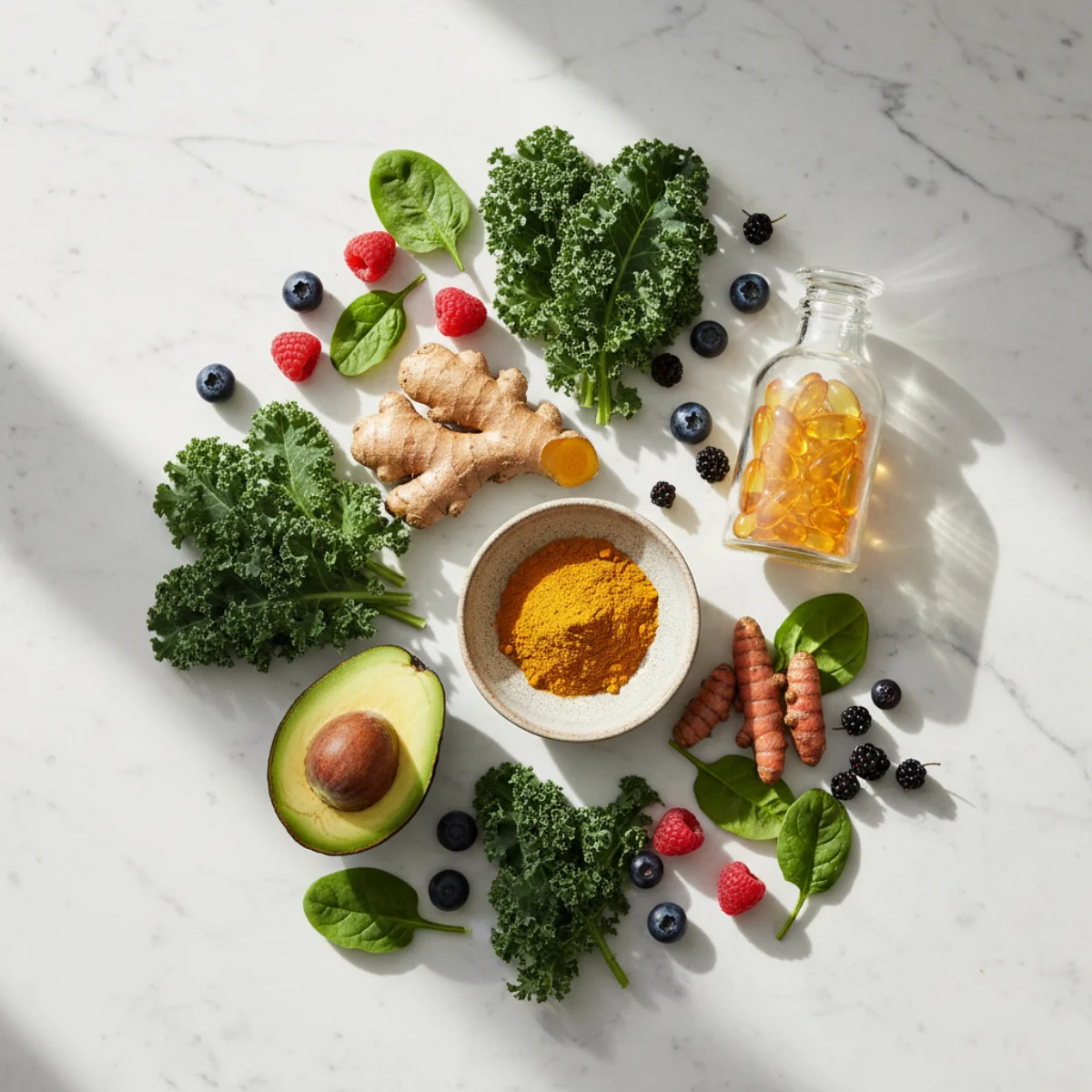
Chronic low-grade inflammation is increasingly recognized as a root cause in cardiovascular disease, metabolic dysfunction, autoimmune conditions, and cognitive decline. While anti-inflammatory lifestyle changes—regular movement, stress management, and a whole-foods diet—form the foundation, certain supplements have accumulating evidence for their ability to modulate inflammatory pathways. This guide reviews the most scientifically supported options, how they work, evidence quality, and practical dosing to help you make informed choices.
What Is Inflammation and Why It Matters
Inflammation is your immune system's response to injury, infection, or irritation. In the short term, acute inflammation is protective—it brings immune cells to the site and initiates repair. But when inflammatory signaling becomes chronic and systemic, it silently damages tissue and drives disease progression. Common markers of chronic inflammation include elevated C-reactive protein (CRP), tumor necrosis factor-alpha (TNF-α), and interleukin-6 (IL-6). Many anti-inflammatory supplements work by modulating these cytokines or blocking inflammatory pathways like NF-κB, rather than stopping inflammation entirely (which would be harmful). Understanding this distinction helps explain why supplements support rather than treat inflammatory conditions.
Curcumin: The Most Studied Plant Compound
Curcumin, the active polyphenol in turmeric, has the deepest clinical evidence base of any botanical anti-inflammatory. It works primarily by inhibiting NF-κB, a master regulator of pro-inflammatory gene expression, and by scavenging reactive oxygen species. Multiple randomized controlled trials show it can lower CRP, TNF-α, and IL-6 in people with metabolic syndrome, joint discomfort, and inflammatory bowel conditions. A 2019 meta-analysis of 21 trials found consistent reductions in inflammatory markers across diverse populations.
The major challenge with curcumin is bioavailability: the parent compound is poorly absorbed on its own. Standard turmeric powder contains only 2–5% curcumin and has minimal systemic absorption. Clinical trials that demonstrated benefits used either enhanced-absorption formulations (e.g., curcumin with piperine, phospholipid complexes, or micellar systems) or much higher doses. Look for products standardized to 95% curcuminoids with absorption enhancers, or liposomal/phytosomal forms. Typical effective doses range from 400–2000 mg daily of standardized curcumin, split across meals with fat for absorption.
Safety: Curcumin is well tolerated even at high doses. Minor side effects (GI upset, yellow discoloration) are rare. It may inhibit CYP3A4 enzymes at very high doses, so discuss with your pharmacist if you take medications metabolized by this pathway. Curcumin is also antiplatelet at high doses—avoid if you take blood thinners without medical approval.
Omega-3 Fatty Acids: Long-Chain Evidence
Omega-3 polyunsaturated fatty acids (EPA and DHA) are foundational for inflammation control. These long-chain fats serve as precursors to specialized mediators—resolvins, lipoxins, and protectins—that actively resolve inflammation and restore tissue homeostasis. Decades of epidemiological and intervention studies link adequate omega-3 intake to lower inflammatory markers and reduced cardiovascular, metabolic, and cognitive decline risk.
The evidence is most robust for EPA and DHA from fish or algal sources, not plant-derived ALA (alpha-linolenic acid), which converts to EPA and DHA inefficiently in most people. Randomized trials typically use 1–4 g daily of combined EPA + DHA and show reductions in CRP, TNF-α, and IL-6, particularly in people with elevated baseline levels or metabolic disease. Doses below 1 g daily generally show modest effects; above 3 g daily, incremental benefits diminish but tolerability remains good.
Fish oil quality and oxidation matter: choose products third-party tested for oxidation markers (TORS, peroxide value) and stored in cool, dark conditions. Algae-based omega-3 supplements offer a vegan alternative with similar bioavailability if well-formulated. Safety: Omega-3s are extremely safe; mild GI effects and fishy aftertaste are common at high doses. At doses above 3 g daily, there is a theoretical bleeding risk, though clinical evidence of harm is weak.
Other Evidence-Backed Anti-Inflammatory Supplements
Beyond curcumin and omega-3s, several other compounds have emerging or solid evidence. Ginger (standardized to 5–10% gingerols and shogaols) shows anti-inflammatory effects in trials, typically at 1–2 g daily; it works partly through similar NF-κB inhibition as curcumin. Quercetin, a flavonoid in onions, berries, and apples, has antioxidant and anti-inflammatory properties, though human evidence is preliminary; typical doses are 250–1000 mg daily. Resveratrol from grapes and wine shows promise in cell and animal models, but human trials are small; it works via SIRT1 activation and antioxidant pathways. Alpha-lipoic acid (ALA) is a potent antioxidant that may lower inflammatory markers in metabolic disease, though evidence is mixed; doses range 300–1200 mg daily.
Probiotics and prebiotics influence inflammation through gut barrier integrity and immune tolerance—increasing short-chain fatty acid production, stabilizing the microbiota, and reducing lipopolysaccharide translocation. Evidence varies by strain and dose; multispecies formulas (≥10 billion CFU daily) show more consistent benefits than single strains. However, individual response is highly variable, and not all people benefit equally.
Safety Across These Compounds: Ginger may increase bleeding risk and can interact with anticoagulants. Quercetin and resveratrol are generally safe but have limited long-term human data. Probiotics are safe in immunocompetent people but warrant caution in severely immunocompromised individuals. Always consult your healthcare provider before combining supplements, especially if you take anticoagulants, immunosuppressants, or have specific health conditions.
Mechanisms: How Anti-Inflammatory Supplements Work
Most supplements address inflammation through a few overlapping pathways. NF-κB inhibition is the most common mechanism—this transcription factor drives production of TNF-α, IL-6, IL-1β, and other pro-inflammatory cytokines. Curcumin, ginger, and quercetin all target this pathway. Oxidative stress reduction via antioxidants (curcumin, resveratrol, alpha-lipoic acid) protects cell membranes and mitochondria, reducing reactive oxygen species that fuel inflammation. Lipid mediator production is how omega-3s work—EPA and DHA are metabolized into specialized mediators that actively shut down inflammatory signaling and promote resolution. Gut barrier support and microbiota modulation is how probiotics and fiber-based prebiotics reduce systemic inflammation by decreasing endotoxin translocation and shifting immune tolerance.
These mechanisms are not mutually exclusive. A well-designed anti-inflammatory strategy might combine omega-3s (to produce resolvins), curcumin (to inhibit NF-κB), and ginger or quercetin (for additional antioxidant cover), alongside dietary polyphenols and prebiotic fiber. Synergy is plausible, though direct evidence of combination superiority over single agents is limited.
Evidence Quality and Research Gaps
Curcumin and omega-3s have the most robust evidence: dozens of randomized controlled trials, meta-analyses confirming efficacy on inflammatory markers, and mechanistic studies explaining how they work. Evidence is weaker for ginger and quercetin (good mechanistic data but fewer large human trials), and quite preliminary for resveratrol and alpha-lipoic acid in humans. Probiotic evidence is highly variable—some strains and formulations show benefit, others do not; quality control and strain specificity are major variables.
Important caveats: most trials measure inflammatory biomarkers (CRP, TNF-α), not clinical outcomes like disease prevention. Small-to-moderate effect sizes are typical; you may see a 20–40% reduction in CRP on curcumin or omega-3s, but not the dramatic changes seen with drugs. Many studies are short (4–12 weeks); long-term safety and sustained efficacy beyond 6–12 months are less well characterized. Publication bias is real—negative trials are published less often—so reported benefits may overstate true effects. Finally, supplements are not standardized like drugs; product quality, purity, and potency vary widely across brands.
Dosing and Practical Considerations
Effective dosing depends on the supplement and your goal. For curcumin, aim for 400–2000 mg daily of standardized extract with bioavailability enhancers, taken with meals and fat. For omega-3s, 1–3 g daily of combined EPA + DHA is typical; higher doses (3–4 g) are safe but show diminishing returns. For ginger, 1–2 g daily of standardized extract. For quercetin, 250–1000 mg once or twice daily. For resveratrol, evidence-based doses are unclear, but 150–500 mg daily is common. For alpha-lipoic acid, 300–1200 mg daily, ideally split across meals.
A practical approach is to start with one or two supplements with the strongest evidence—typically curcumin and/or omega-3s—at the lower end of the dose range, then assess your inflammatory markers and symptom response over 8–12 weeks. Blood work (CRP, ESR, specific cytokines if available) is ideal; if that is not accessible, track subjective measures like energy, joint comfort, sleep quality, and digestion. If you see improvement, maintain the dose; if not, consider increasing slightly or trying a different formulation (e.g., switching to a liposomal curcumin if standard extract did not help). Avoid the temptation to add many supplements at once—it makes it hard to know what is working and increases risk of interactions.
When to Seek Professional Guidance
Supplements for inflammation are safest and most effective when part of a comprehensive strategy with a knowledgeable healthcare provider. Talk to your doctor or a registered dietitian before starting supplements if you take anticoagulants, antiplatelet drugs, immunosuppressants, or medications with narrow therapeutic windows. If you have a diagnosed inflammatory condition (rheumatoid arthritis, inflammatory bowel disease, lupus), work with your rheumatologist or gastroenterologist to ensure supplements complement—not interfere with—your medical treatment. Pregnant and nursing individuals should avoid most anti-inflammatory supplements unless explicitly cleared by their obstetrician. If you have liver disease, discuss curcumin use, as very high doses may stress hepatic metabolism. And if symptoms worsen after starting a supplement, or if you develop new symptoms like rash, shortness of breath, or severe GI distress, stop the supplement and seek medical attention.
Lifestyle Foundation: The Bigger Picture
No supplement replaces the anti-inflammatory effects of a whole-foods diet rich in vegetables, fruits, legumes, and fish; regular aerobic and resistance exercise; adequate sleep; and chronic stress reduction. In fact, supplements work best in this context. Mediterranean-style diets rich in olive oil, fatty fish, nuts, and plant foods naturally contain curcumin, quercetin, resveratrol, and omega-3s, and trials show that such diets often outperform isolated supplements in reducing inflammation and improving health. Exercise itself is a potent anti-inflammatory—30 minutes of moderate aerobic activity most days lowers CRP and TNF-α. Sleep deprivation drives inflammation; 7–9 hours nightly is foundational. Chronic stress elevates cortisol and pro-inflammatory cytokines; yoga, meditation, or other stress practices are evidence-based.
Think of supplements as tools to amplify the anti-inflammatory effects of diet and lifestyle, not substitutes for them. A person eating ultra-processed foods, sedentary, sleep-deprived, and highly stressed will see minimal benefit from curcumin pills. Conversely, someone who eats well, exercises, sleeps, and manages stress may see meaningful improvement from adding curcumin or omega-3s.