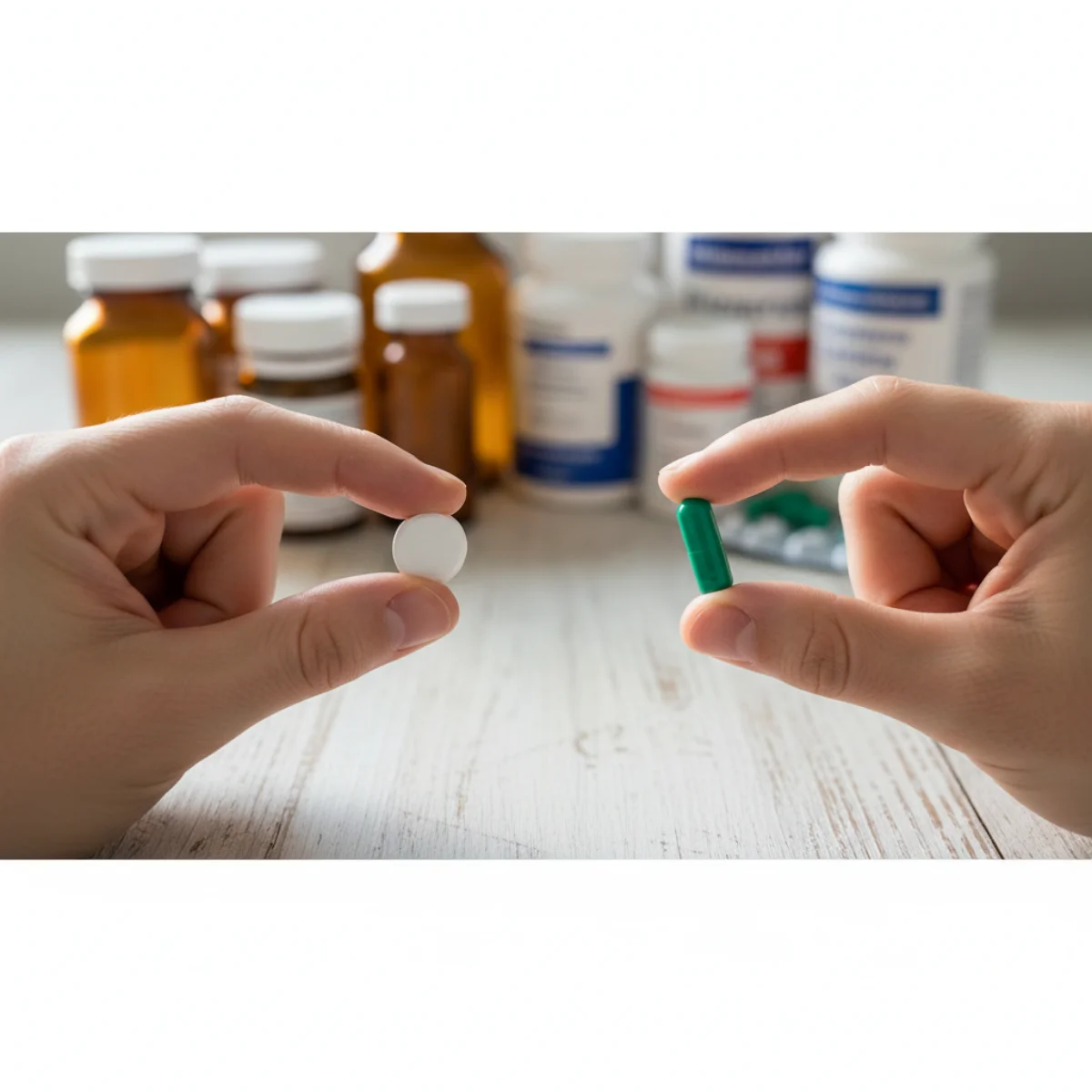
Supplement drug interactions occur when a dietary supplement alters how a medication works in your body—either reducing its effectiveness or increasing the risk of unwanted side effects. Millions of people take supplements alongside prescription and over-the-counter medications without realizing that some combinations can be unsafe. Understanding which supplements interact with common medications, why those interactions happen, and how to prevent them is essential for protecting your health. This guide explains the mechanisms behind interactions and provides practical strategies to use supplements and medications safely together.
What Are Supplement Drug Interactions?
A supplement drug interaction occurs when a supplement changes how your body absorbs, processes, or eliminates a medication. These interactions can happen through several biological pathways. Some supplements activate or inhibit enzymes in your liver that break down drugs, meaning medications stay in your system longer or leave too quickly. Others compete with drugs for absorption in the gut or binding to proteins in the blood. A few directly combine with medications to form inactive compounds. The result can be either subtherapeutic doses (medication doesn't work) or toxic levels (side effects worsen). For a comprehensive overview of general supplement safety, see our supplement safety guide.
Common Enzyme Interactions: How Supplements Affect Drug Metabolism
The cytochrome P450 enzyme system in your liver is responsible for metabolizing the majority of prescription medications. Several well-known supplements can induce or inhibit these enzymes, profoundly affecting drug levels in your bloodstream.
St. John's Wort
St. John's Wort is one of the most problematic herbal supplements for drug interactions. It strongly induces the CYP3A4 enzyme, which metabolizes roughly half of all medications. When this enzyme is induced, drugs are broken down faster, potentially dropping to ineffective levels. This includes birth control pills, warfarin (a blood thinner), certain heart medications, immunosuppressants, and protease inhibitors used in HIV treatment. Studies show that St. John's Wort can reduce blood levels of these drugs by 30–50%, creating serious safety concerns. If you take any of these medications, St. John's Wort should be avoided entirely.
Garlic and Ginger
Garlic supplements, particularly high-dose aged garlic extract, may induce CYP2C9 and other enzymes involved in warfarin metabolism. This could reduce warfarin's anticoagulant effect, increasing clot risk. Ginger has mild enzyme effects and also carries some blood-thinning properties, making it problematic when combined with anticoagulants or antiplatelet drugs. The interaction is generally mild with cooking-level garlic and ginger, but supplemental doses warrant caution.
Blood-Thinning and Antiplatelet Interactions
A major category of supplement drug interactions involves supplements that affect bleeding and clotting. Many widely used herbs and nutrients have anticoagulant or antiplatelet properties that potentiate prescription blood thinners.
Ginkgo Biloba
Ginkgo is commonly used for memory and circulation, but it inhibits platelet-activating factor and may have mild antiplatelet effects. Combined with warfarin, aspirin, clopidogrel (Plavix), or other anticoagulants, ginkgo increases bleeding risk. Case reports document spontaneous bleeding and intracranial hemorrhage in patients taking ginkgo with warfarin. While the risk from ginkgo alone is low, the additive effect with medications is significant.
Fish Oil and Omega-3 Supplements
High-dose fish oil supplements (above 3 grams daily) have antiplatelet activity and can increase bleeding time. When combined with anticoagulants like warfarin or direct oral anticoagulants (DOACs such as apixaban), or with antiplatelet agents like aspirin, the bleeding risk rises substantially. Moderate doses used for general cardiovascular health are typically safe, but high-dose supplementation requires medical oversight.
Vitamin E
Vitamin E supplements above 400 IU daily have mild antiplatelet effects. The interaction with warfarin is dose-dependent and usually manageable with monitoring, but combined with other anticoagulants or antiplatelet drugs, bleeding risk increases. High-dose vitamin E should be avoided in patients on multiple blood thinners.
Mineral and Nutrient Absorption Interactions
Some supplements reduce the absorption of medications, while others are themselves poorly absorbed when taken alongside certain drugs. Timing and spacing of doses can help, though complete separation isn't always feasible.
Calcium and Iron Supplements
Calcium binds to many medications in the gut, reducing their absorption. This includes fluoroquinolone and tetracycline antibiotics, bisphosphonates (used for osteoporosis), levothyroxine (thyroid medication), and some blood pressure drugs. Separating calcium by at least 2–4 hours can minimize this. Iron supplements similarly interfere with levothyroxine, fluoroquinolones, and several other drugs, requiring a spacing of at least 4 hours between doses. Conversely, some medications reduce iron or calcium absorption, making supplementation less effective.
Magnesium
Like calcium, magnesium can reduce the absorption of tetracycline and fluoroquinolone antibiotics, as well as bisphosphonates. A 2–3 hour separation between magnesium and these medications is recommended.
Caffeine and Stimulant Interactions
Caffeine supplements and caffeinated herbal products (such as guarana or yerba mate) can potentiate the effects of medications that increase heart rate or blood pressure, including some decongestants, stimulant medications (methylphenidate, amphetamines), and certain weight-loss supplements. This can lead to tachycardia, elevated blood pressure, and anxiety. Combining caffeine supplements with stimulant medications is particularly risky and should only occur under medical supervision.
Antioxidant and Herbal Interactions
Several popular antioxidant supplements and herbal remedies interact with medications through mechanisms beyond enzyme induction or bleeding effects.
Ginseng
Both American and Asian ginseng may induce CYP3A4 and CYP2C9, potentially reducing the effectiveness of warfarin and other drugs metabolized by these pathways. Ginseng also has mild antiplatelet properties. Additionally, ginseng can cause hypoglycemia and may interfere with blood sugar control medications, requiring dose adjustment.
Turmeric and Curcumin
Curcumin, the active compound in turmeric, is a potent CYP3A4 inhibitor at high doses, potentially increasing levels of drugs metabolized by this enzyme. While culinary turmeric poses minimal risk, concentrated curcumin supplements can increase side effects of statins, immunosuppressants, and certain cancer medications. The interaction is dose-dependent and most relevant with supplemental curcumin at 1 gram daily or higher.
Green Tea Extract
Green tea extract contains catechins that may inhibit CYP3A4 and also possess anticoagulant properties. Combined with warfarin or other anticoagulants, especially at high supplement doses, bleeding risk increases. Moderate green tea consumption is generally safe, but concentrated extracts warrant caution.
How Interactions Develop and Progress
Not all interactions manifest immediately. Some develop gradually as supplement and medication levels accumulate in your system. Others are dose-dependent—a mild herbal supplement taken at a low dose may be safe, but higher amounts trigger problems. Additionally, interactions can emerge unexpectedly when a new medication is added to an existing supplement regimen, or when a medication dose is increased. Liver function, age, kidney function, and genetic variations in enzyme activity all influence interaction severity. This is why periodic review with your healthcare provider is important, even if you've been taking the same supplements for years.
Practical Strategies to Prevent Harmful Interactions
The most effective way to prevent supplement drug interactions is open communication with your healthcare team. Before starting any new supplement, inform your doctor and pharmacist. Before filling a new prescription, mention all supplements you take. Pharmacists are trained to screen for interactions and can often catch problems before they harm you. Keep a written list of all supplements and medications, including brand names, doses, and frequencies, and update it whenever something changes.
When an interaction is identified, work with your provider to decide whether to discontinue the supplement, change the medication, adjust doses, separate administration times, or monitor more closely. In some cases, safer alternative supplements exist. For example, if ginkgo interacts with your blood thinner, a safer cognitive support might be available. Our supplement safety guide outlines additional steps for vetting supplement quality and safety. Timing matters too: separating doses by several hours—typically 2–4 hours for most absorption interactions—can reduce risk, though it won't eliminate enzyme-based interactions.
Avoid self-treating medication side effects with supplements without professional guidance. A side effect from a medication might seem like reason to add a supplement, but the combination could be dangerous. Always consult your doctor or pharmacist first.
When to See Your Healthcare Provider
Contact your doctor or pharmacist immediately if you experience new or worsening symptoms after starting a supplement alongside medications—such as unusual bleeding or bruising, dizziness, nausea, or reduced medication effectiveness (symptoms of your underlying condition returning). Also reach out if you're planning to start a new supplement and take any prescription medications, or if you want to review your current supplement regimen for potential interactions. Before undergoing surgery or starting a new medication, always disclose your full supplement use. Finally, if you're pregnant, breastfeeding, or taking medications for a serious condition (heart disease, blood clots, cancer, diabetes), consult your healthcare provider before adding any new supplement.
Key Takeaway: Integration, Not Isolation
Supplements and medications are not separate systems—they interact in your body in complex ways. The safest approach is integration: inform every healthcare provider about everything you take, ask questions about interactions before starting anything new, and stay alert to symptom changes. Most people can safely use both supplements and medications when they're intentional and transparent about it. Your pharmacist and doctor are your best resources for navigating this landscape safely.