Resveratrol Benefits: What Research Shows
Resveratrol is a polyphenol found in red wine and plant sources that is studied for cardiovascular, cognitive, and anti-aging effects, though human evidence remains mixed.
By dietarysupplement.ai·Article
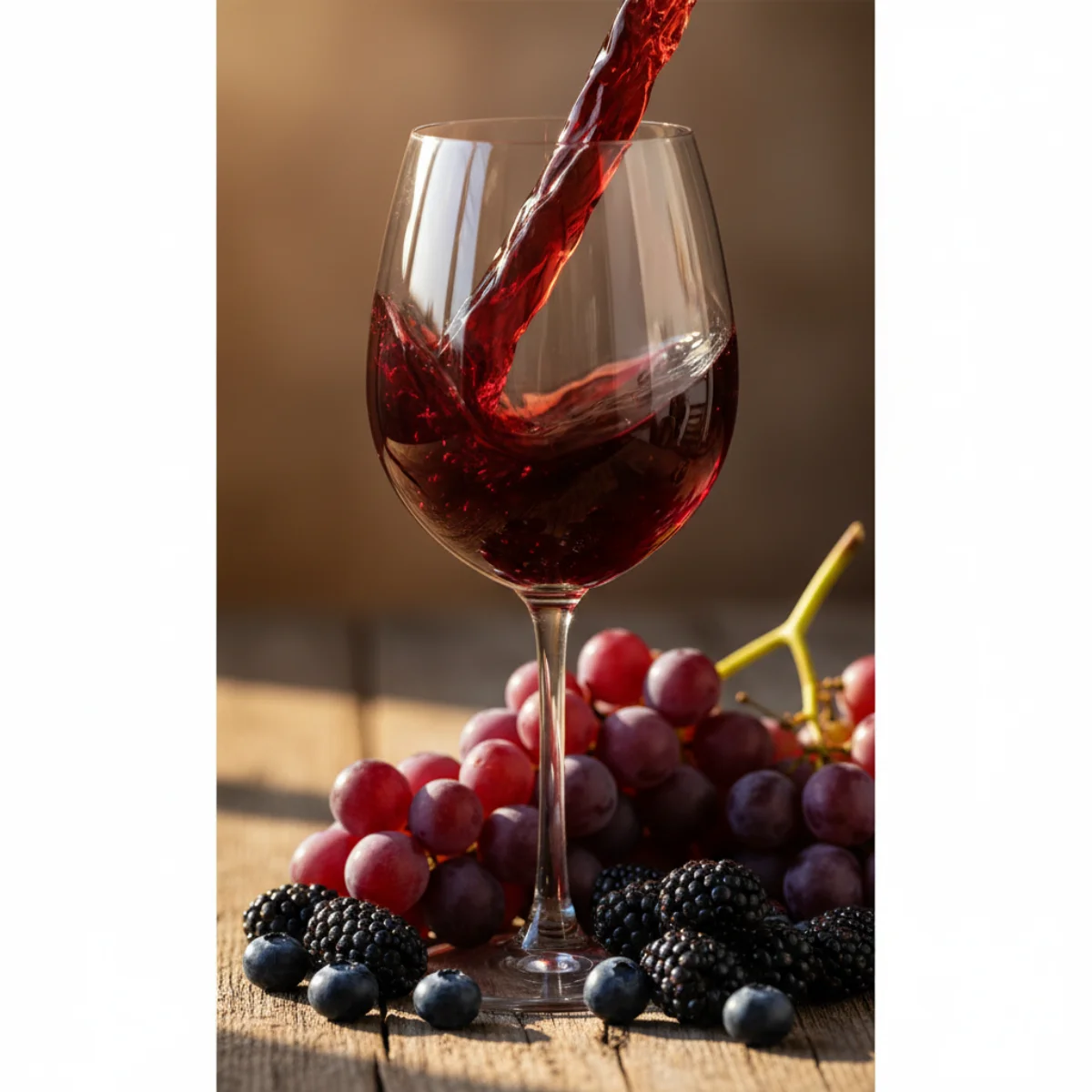
Resveratrol is a naturally occurring polyphenol found primarily in red grape skins, berries, and red wine that has gained attention for its potential anti-aging and cardiovascular effects. While laboratory and animal studies demonstrate promising mechanisms—particularly activation of sirtuins and antioxidant pathways—human clinical evidence remains preliminary and mixed. Most dietary resveratrol comes from food sources, and supplements face significant bioavailability challenges. Understanding what the research actually shows versus marketing claims is essential for making informed supplement choices.
What Resveratrol Is and How It Works
Resveratrol (3,5,4'-trihydroxystilbene) is a naturally occurring phytoalexin—a compound plants produce in response to stress—found abundantly in red grape skins, Japanese knotweed, blueberries, cranberries, and peanuts. It gained popularity partly due to the
Frequently asked questions
How much resveratrol should I take daily?
There is no established recommended daily intake for resveratrol from supplements. Human studies have used doses ranging from 150 mg to 5 g daily, with most examining 500 mg to 2 g. Food sources like red grapes and red wine naturally deliver 1–10 mg per serving, which may be sufficient for basic antioxidant benefits. Start with a lower dose if supplementing, and consult a healthcare provider to determine what's appropriate for your situation.
Does resveratrol really slow aging?
In animals and cell cultures, resveratrol activates longevity pathways (sirtuins), but human evidence for life-extension is absent. A few small trials suggest it may improve markers of cellular stress and inflammation, but these do not translate to proven anti-aging effects in people. Marketing claims of resveratrol as a "fountain of youth" far exceed the current scientific support.
Can I get enough resveratrol from red wine?
Red wine contains 0.3–3.5 mg of resveratrol per 5 oz glass, depending on grape variety and production method. To achieve doses used in clinical trials (500+ mg), you would need to drink impractical quantities of wine, introducing alcohol-related harms. Whole red grapes, grape juice, and berries are safer dietary sources if you want to increase resveratrol intake without alcohol.
Is resveratrol safe to take with blood thinners?
Resveratrol may have mild anticoagulant properties, so concurrent use with warfarin, apixaban, or aspirin requires caution and medical oversight. Theoretically, the combination could increase bleeding risk, though significant interactions are rare at dietary doses. Always inform your doctor if you take resveratrol supplements alongside anticoagulants.
Does resveratrol interact with statins or blood pressure medications?
Resveratrol is metabolized partly by CYP3A4, a liver enzyme also responsible for many statins and blood pressure drugs. While major interactions are uncommon at supplement doses, individual variation exists. If you take medications for cholesterol or hypertension, discuss resveratrol use with your healthcare provider to rule out unexpected interactions.
What is the best form of resveratrol supplement?
Trans-resveratrol (the active form) is more bioavailable than cis-resveratrol. Liposomal, micronized, and piperine-enhanced formulations claim better absorption, but human absorption studies are limited. Whole-food sources (grapes, berries, peanut skins) deliver resveratrol alongside other polyphenols that may have synergistic benefits, making food a potentially superior option to isolated supplements.
Disclaimer: This article is for informational purposes only and is not medical advice. Always consult a qualified healthcare provider before starting, stopping, or combining supplements. These statements have not been evaluated by the Food and Drug Administration. Supplements are not intended to diagnose, treat, cure, or prevent any disease.