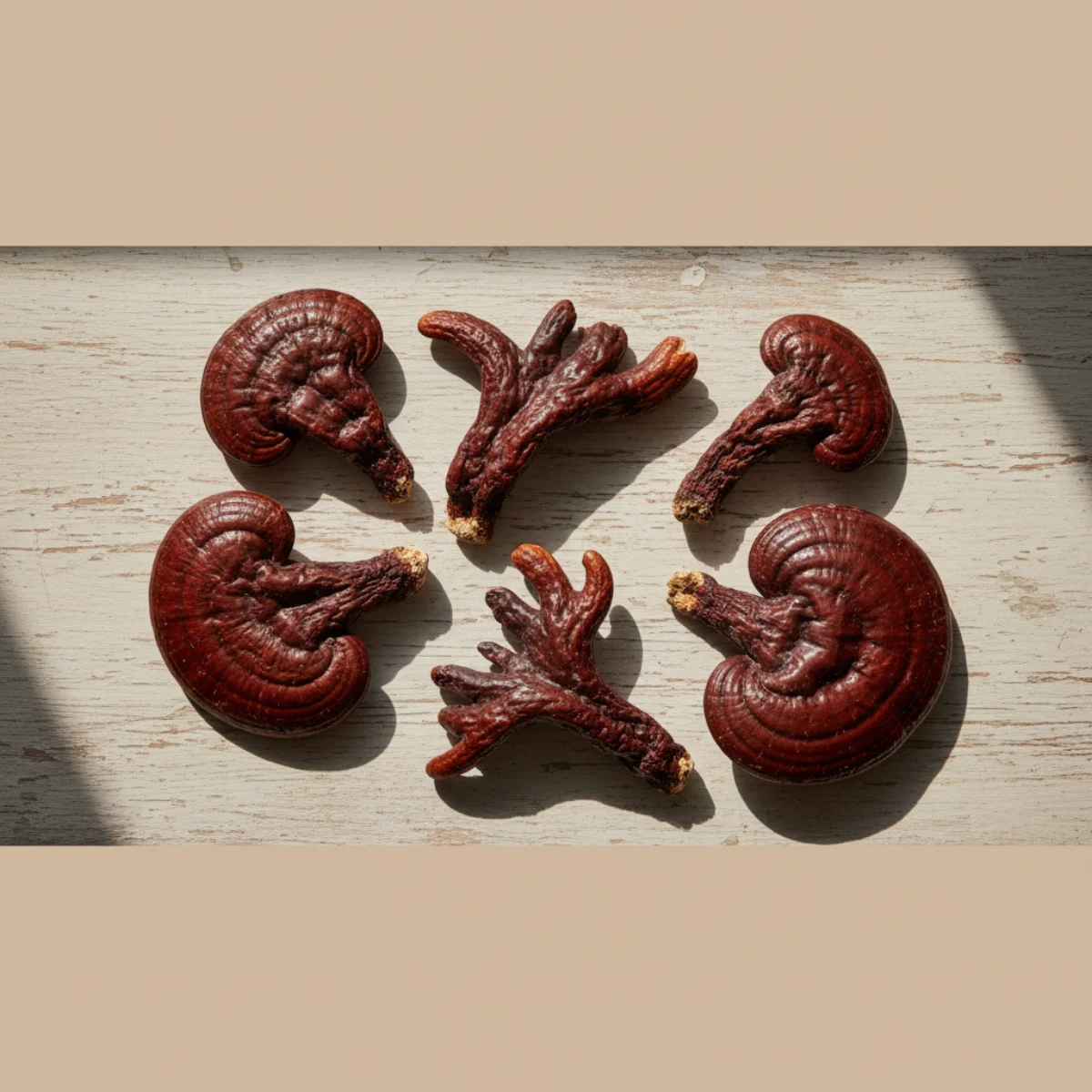
Reishi mushroom is one of the most popular functional mushrooms in Western wellness, valued for its potential to support relaxation and sleep. Because it has been used in traditional medicine for centuries, many people assume it carries minimal risk. While reishi is generally well-tolerated and considered safe for most healthy adults, side effects do occur—especially at higher doses or with extended use. Understanding what these effects are, who is most at risk, and how to use reishi safely is essential for anyone considering supplementation.
What Reishi Is and How It Works
Reishi (Ganoderma lucidum) is a polypore fungus traditionally used in East Asian medicine for over two thousand years. The supplement is typically derived from the mushroom's fruiting body or mycelium, processed into powders, extracts, or capsules. Reishi contains bioactive compounds including polysaccharides, triterpenes, and peptidoglycans that are thought to modulate immune function and support the nervous system. When you ingest reishi, these compounds are absorbed and distributed throughout the body, where they may influence stress-response pathways and sleep architecture. Because reishi works systemically and can influence multiple physiological processes, side effects may arise from these broader effects rather than from toxicity alone.
Common Reishi Side Effects
The most frequently reported side effects of reishi are mild and often transient. Headaches are among the most common complaints, particularly during the first week of use or when doses are increased. These headaches are typically described as mild to moderate and often subside as the body adjusts. Dizziness and lightheadedness have also been documented, especially in people taking reishi on an empty stomach or at higher concentrations.
Gastrointestinal symptoms represent another category of common side effects. Some users report nausea, mild stomach upset, or loose stools, particularly with powdered reishi or when taken without food. Dry mouth is frequently mentioned in clinical observations and user reports, likely related to reishi's traditional classification as a drying herb in Chinese medicine. A small proportion of users experience itching or skin reactions, though these are less common and may reflect individual sensitivities rather than a direct toxic effect.
Most of these side effects occur within the first 1–3 days of starting reishi and typically resolve without intervention. If symptoms persist beyond a week, discontinuing use and consulting a healthcare provider is advisable.
Less Common but Noteworthy Effects
Beyond the common mild effects, some users report more unusual reactions. Vivid dreams or altered dream patterns are sometimes attributed to reishi's effects on sleep and nervous system function, though whether this represents a true side effect or a beneficial change depends on individual preference. In rare cases, allergic reactions—including rash, swelling, or respiratory symptoms—have been reported in people with fungal sensitivities or mold allergies. Anyone with a known mushroom allergy should avoid reishi or use it only under medical supervision.
Reishi has mild anticoagulant properties, so excessive bleeding or bruising could theoretically occur, though documented cases are extremely rare. Additionally, because reishi influences immune and hormonal pathways, there is theoretical potential for it to exacerbate autoimmune flares or affect hormone-dependent conditions, but robust evidence for these concerns is limited.
Drug Interactions and Who Should Be Cautious
While reishi is non-toxic at standard doses, its pharmacological activity means it can interact with certain medications. The most significant concern is with anticoagulant and antiplatelet drugs such as warfarin and aspirin: reishi's mild blood-thinning properties may add to these effects, increasing bleeding risk. Similarly, because reishi may enhance sedation, combining it with CNS depressants—including prescription sleep aids, benzodiazepines, and alcohol—could increase drowsiness or impair cognition.
Reishi also contains compounds that may modulate immune function, making concurrent use with immunosuppressant medications (such as those taken after organ transplant) a potential concern. Additionally, reishi may interact with medications metabolized by liver enzymes (the cytochrome P450 system), though clinical evidence for this is limited. If you take any prescription medication, discussing reishi use with your clinician or pharmacist before starting is essential.
Certain populations should avoid reishi or use it only under professional guidance. Pregnant and breastfeeding individuals lack sufficient safety data and should not use reishi supplements. People with known reishi sensitivity, severe mushroom allergies, or active bleeding disorders should also refrain from supplementation. Those with autoimmune conditions—such as lupus or rheumatoid arthritis—should consult a clinician before use, as reishi's immunomodulatory effects could theoretically trigger or worsen flares, though evidence remains preliminary.
Dosing and Risk of Overdose
Standard reishi doses in clinical research typically range from 1–3 grams of dried mushroom extract daily, though some studies have used up to 9 grams. Side effects are dose-dependent: higher doses and longer durations of use increase the likelihood of experiencing mild symptoms. There is no established toxic dose for reishi in humans, and no deaths from reishi overdose have been documented. However, taking doses far exceeding the recommended range—such as 10+ grams daily—may increase the risk of headaches, gastrointestinal upset, and other effects.
To minimize risk, start with a lower dose (500–1000 mg daily) and increase gradually over 1–2 weeks while monitoring your response. Taking reishi with food may reduce digestive upset. If you experience any concerning symptoms, reduce your dose or discontinue use and speak with a healthcare provider.
When to Discontinue Reishi and See a Clinician
Most reishi side effects are mild and resolve independently. However, you should stop taking reishi and seek medical advice if you experience persistent or worsening symptoms, such as severe headaches, significant dizziness, rash or hives, difficulty breathing, or chest discomfort. If you develop signs of bleeding—such as unusual bruising, blood in stool or urine, or nosebleeds—discontinue reishi and seek prompt medical attention, particularly if you take anticoagulants.
Additionally, if you notice changes in your mental health, such as increased anxiety, mood instability, or hallucinations, stop using reishi and consult a healthcare provider. Some of these effects may be unrelated to the supplement, but it is important to rule out reishi as a contributing factor. If you are considering reishi while taking prescription medications, scheduled surgery, or managing a chronic health condition, speak with your doctor or pharmacist before starting supplementation.
Practical Safety Recommendations
To use reishi as safely as possible, follow these evidence-informed guidelines. Purchase reishi from reputable manufacturers that provide third-party testing for contaminants and potency; this reduces the risk of receiving adulterated or contaminated products. Choose standardized extracts with documented polysaccharide or triterpene content when possible, as these are more consistent and better-studied than raw powders.
Start with a low dose and titrate upward slowly, allowing at least 3–5 days between dose increases. This approach helps you identify any individual sensitivities early and at lower exposure levels. Keep a simple log of when you take reishi, the dose, and any symptoms you notice—this information is invaluable if you need to discuss your experience with a healthcare provider.
Avoid taking reishi on an empty stomach if you experience nausea; consuming it with a light meal or healthy fat may improve tolerance. Be transparent with your healthcare team about reishi use, particularly if you have pending surgery, take blood thinners, or have autoimmune disease. Finally, remember that reishi is a supplement, not a medication, and should not replace conventional medical treatment for any diagnosed condition.