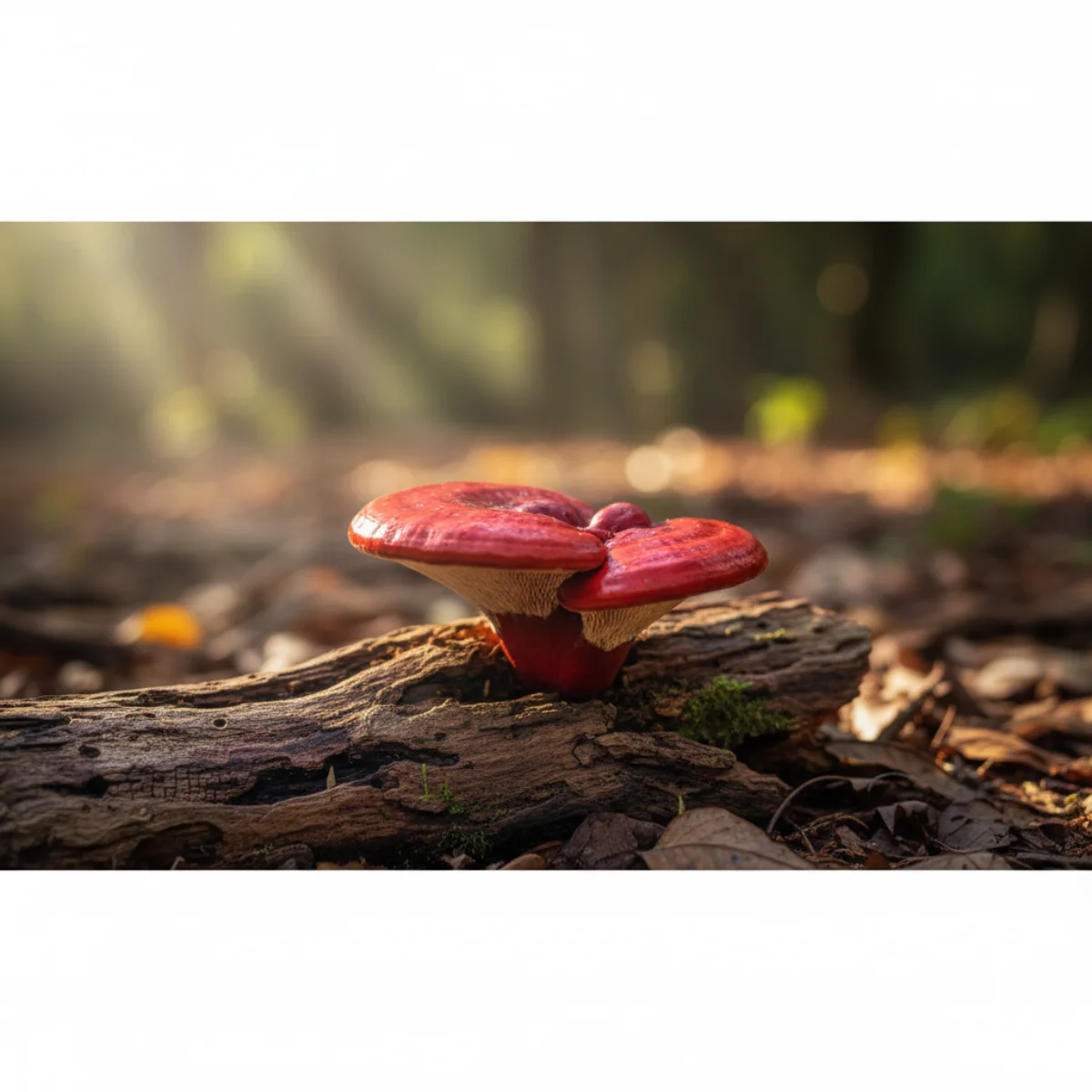
Reishi mushroom (Ganoderma lucidum) is a shelf fungus native to East Asia that has been used in traditional Chinese medicine for over 2,000 years, earning the nickname "mushroom of immortality." Today, reishi is sold globally as a dietary supplement in forms ranging from whole fruiting bodies to standardized extracts. The question many people ask is whether modern science supports the traditional claims. The short answer is: emerging evidence suggests reishi may help with sleep and stress-related outcomes, but the research base remains modest in size, and individual responses vary considerably.
What Reishi Is and How It Works
Reishi is the fruiting body of Ganoderma lucidum, a wood-decomposing fungus. The supplement is typically derived from the dried fruiting body or mycelium, then processed into powders, extracts, or capsules. Unlike many herbs, reishi has a woody, bitter texture and is rarely eaten whole; instead, it is brewed as a tea, decocted, or taken as a concentrated extract.
The proposed mechanisms of reishi centre on its complex chemistry. The fungus contains several groups of bioactive compounds:
- Polysaccharides and beta-glucans: These complex carbohydrates are believed to modulate immune cell activity, potentially enhancing natural killer (NK) cell function and promoting regulatory immune responses.
- Triterpenes: Bitter compounds unique to reishi that may influence neurotransmitter receptors and have been studied for anxiolytic (anxiety-reducing) effects.
- Peptidoglycans and proteins: May support anti-inflammatory pathways and immune communication.
The hypothesis is that reishi acts as an immunomodulator rather than a simple immune booster—meaning it may help balance immune function whether it is overactive or underactive. Additionally, some compounds in reishi may interact with the central nervous system to promote relaxation and sleep.
Evidence on Sleep and Relaxation
The strongest body of evidence for reishi benefits concerns sleep quality and anxiety. A 2016 systematic review and meta-analysis found that reishi supplementation was associated with modest improvements in sleep latency (time to fall asleep) and overall sleep quality in several small randomized trials. However, the authors noted that study sizes were small (typically 20–50 participants per arm) and study quality was inconsistent.
More recent trials have continued to show mixed but encouraging results. A double-blind study published in 2022 in a peer-reviewed journal found that participants taking a standardized reishi extract reported improved sleep quality and reduced daytime fatigue compared to placebo over an 8-week period, though the effect sizes were modest. Another trial found reishi may be particularly helpful for people experiencing stress-related sleep disruption.
For anxiety, the evidence is preliminary but suggestive. Small studies indicate that reishi may reduce perceived stress and anxiety scores, possibly through modulation of the hypothalamic-pituitary-adrenal (HPA) axis, which regulates the stress response. It is important to note that these trials are generally small and conducted in specific populations; reishi is not a replacement for evidence-based anxiety treatments such as cognitive behavioral therapy or prescription medications when those are clinically indicated.
Immune Function and Respiratory Health
In traditional medicine, reishi is prized as an immune tonic. Laboratory and animal studies show that reishi polysaccharides can activate immune cells in vitro and enhance NK cell activity in mice. However, robust human clinical trials are limited. Most human studies are small, short-term, or measure surrogate markers (such as blood levels of immune proteins) rather than clinically meaningful outcomes like infection rates or disease duration.
One small randomized trial found that reishi supplementation was associated with modest increases in NK cell activity and improvements in quality of life in cancer patients undergoing chemotherapy, though it did not reduce cancer progression. Reishi is sometimes marketed for respiratory support, and a few trials suggest it may modestly reduce symptoms in people with mild allergic rhinitis, but the evidence is not robust enough to claim it prevents or treats respiratory illness.
Stress, Fatigue, and Mood
Reishi is often promoted as an adaptogen—a category of herbs and fungi believed to help the body adapt to stress. While the term "adaptogen" is not formally defined in pharmacology, reishi does contain compounds with plausible effects on stress hormones and neurotransmitters.
Several small trials have found that reishi may reduce fatigue and improve mood in people reporting high stress or burnout. A 2022 trial in healthcare workers found that reishi extract reduced perceived fatigue and improved quality of life during a high-stress period. However, effect sizes are typically small to moderate, and more research is needed to determine optimal dosing and duration for fatigue reduction.
It is worth noting that reishi is not a stimulant like caffeine; rather, it appears to work by promoting a state of calm alertness, potentially through GABA (gamma-aminobutyric acid) signaling pathways and other mechanisms. This makes it theoretically suitable for daytime use without overstimulation, though individual responses vary.
Dosing and Forms
Reishi supplements come in several forms, each with different potency and bioavailability:
- Whole fruiting body powder: Typically 3–9 grams per day, divided into doses. Less concentrated but closer to the traditional form.
- Water extracts (decoction): 1–3 grams of extract powder daily, often mixed into water or tea. Water-soluble polysaccharides are emphasised.
- Alcohol (ethanol) extracts: 0.5–2 grams daily. These may better capture triterpenes and other fat-soluble compounds.
- Dual extracts: Combine water and alcohol extraction to capture both classes of bioactives. Often dosed at 1–2 grams daily.
Most benefit-focused studies used standardized extracts providing 10–30% polysaccharides or 2–8% triterpenes. For sleep and stress, typical trials lasted 4–12 weeks before improvements were measured; shorter trials may not capture benefit. Quality and standardization vary widely among brands; look for products tested by third-party laboratories and with clear labeling of active compound percentages.
Safety and Drug Interactions
Reishi is generally well-tolerated at recommended doses. The most common mild side effects reported in trials are digestive upset, dryness in the mouth and throat, and, occasionally, mild headache. These are typically transient and resolve with continued use or dose adjustment.
However, reishi does carry several important interaction risks:
- Blood thinners (anticoagulants): Reishi may have mild anticoagulant properties and could theoretically increase bleeding risk when combined with warfarin, dabigatran, or other anticoagulants. If you take these medications, consult your healthcare provider before using reishi.
- Immunosuppressants: Because reishi may stimulate immune function, it could potentially reduce the effectiveness of medications like tacrolimus or azathioprine taken after organ transplantation. Discuss reishi with your transplant team.
- Blood pressure medications: Some small studies suggest reishi may have mild blood-pressure-lowering effects. If you take antihypertensive drugs, monitor your blood pressure and check with your clinician.
- Sedative-hypnotics: Reishi may enhance drowsiness; combining it with benzodiazepines or other sedating medications could increase sedation. Use cautiously together.
Reishi is not recommended for women who are pregnant or breastfeeding, as safety data in these populations is extremely limited. Avoid reishi if you have an active bleeding disorder or are scheduled for surgery (discontinue at least 2 weeks prior).
Who Reishi May Suit Best
Based on current evidence, reishi may be most appropriate for:
- Individuals with stress and sleep complaints who are looking for a natural option before or alongside conventional approaches.
- People seeking general wellness and immune support in the absence of serious illness, who understand that evidence is preliminary.
- Those interested in adaptogens who have consulted with a healthcare provider and have realistic expectations of modest, gradual benefit.
Reishi is not appropriate as a sole treatment for clinical depression, anxiety disorders, insomnia, or any serious health condition. If you are experiencing significant mood or sleep disturbance, consult a mental health professional or physician first. Reishi may be a complementary tool but should not delay or substitute for evidence-based care.
Practical Quality and Purchasing Guidance
The reishi market is crowded with products of varying quality. To select a reliable supplement:
- Choose standardized extracts with verified levels of active compounds (polysaccharides and/or triterpenes listed on the label).
- Look for third-party testing. Reputable brands submit samples to independent labs (USP, NSF, or ConsumerLab) to verify identity and purity.
- Verify the source. Reishi cultivated in controlled conditions is more consistent than wild-harvested material.
- Check for grain spawn fillers. Some cheaper reishi products are mostly grain (used to cultivate the mycelium) rather than actual fungal material; the label should specify fruiting body percentage.
- Consider the extraction method. Dual extracts or ethanol extracts may be more bioavailable than simple powder, though at a higher cost.
- Plan for consistent use. Unlike some supplements that work acutely, reishi requires 4–12 weeks of regular intake to assess benefit; don't expect immediate results.
For sleep specifically, you may wish to pair reishi with other evidence-supported practices: consistent sleep schedule, cool dark bedroom, limiting screens before bed, and stress-reduction techniques. For stress and fatigue, combine reishi with lifestyle approaches like exercise, meditation, and adequate sleep. Visit our detailed page on reishi mushroom for more on active compounds and storage.
The Bottom Line
Reishi mushroom is a well-studied traditional supplement with a growing body of modern evidence. The most reliable findings point to modest benefits for sleep quality and stress-related symptoms, with preliminary support for immune modulation and fatigue reduction. The mechanism is plausible, safety is generally good at recommended doses, and quality products are available.
However, the evidence base remains modest in size, and responses are individual. Reishi is best viewed as a complementary wellness tool, not a cure or replacement for medical treatment. If you have sleep, anxiety, or stress concerns, start with a healthcare provider conversation; if appropriate and if you are not on interacting medications, a trial of standardized reishi extract for 8–12 weeks may be worthwhile. The fungus that earned its nickname over millennia continues to merit respectful, evidence-led attention today.