Quercetin is a plant flavonoid increasingly studied for its potential to support immune and allergy responses. Finding the right dosage involves understanding both research evidence and practical factors like bioavailability, timing, and your personal tolerance. This guide examines what the science suggests about effective quercetin dosing and how to use it safely.
What Quercetin Is and How It Works
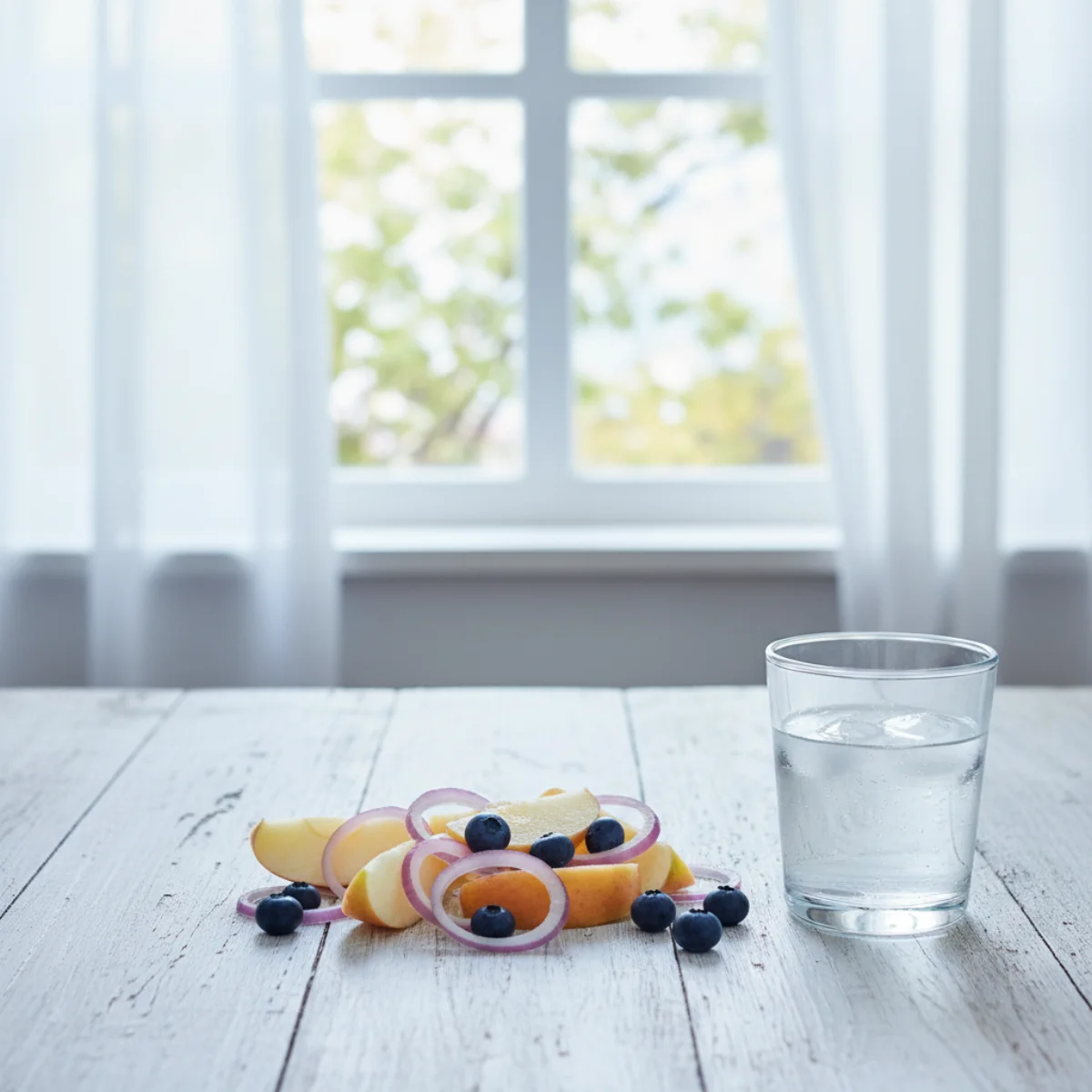
Quercetin is a naturally occurring antioxidant found in apple skins, onions, berries, and leafy greens. In the body, it acts as a mast cell stabilizer—helping to reduce the release of histamine and other inflammatory mediators during allergic reactions. It also functions as a general antioxidant, neutralizing free radicals that contribute to inflammation. These dual mechanisms explain why researchers have focused on quercetin for seasonal and environmental allergy support, as well as for general immune resilience.
Typical Dosing in Research
Most human clinical trials investigating quercetin's allergy-related effects have used doses between 500 and 1000 mg per day, typically divided into two or three doses taken with meals. A widely cited randomized trial used 500 mg twice daily (1000 mg total) and found statistically significant improvements in allergy symptom scores over 12 weeks compared to placebo. Smaller studies have explored doses as low as 250 mg and as high as 1500 mg daily, though evidence is strongest in the 500–1000 mg range.
The reasoning behind splitting doses relates to absorption. Taking quercetin in divided doses throughout the day rather than in one large morning or evening bolus may support steadier plasma levels, though direct comparative data is limited. Most practical supplement protocols recommend splitting doses at breakfast and dinner to align with meals.
Bioavailability and Absorption Factors
Quercetin alone has poor oral bioavailability—only about 1–2% of an oral dose reaches systemic circulation unchanged. This is why dosage and form matter significantly. Several strategies can substantially improve absorption:
- Vitamin C co-ingestion: Taking quercetin with vitamin C (ascorbic acid) has been shown to increase quercetin bioavailability 2–3 fold in some studies. Many commercial formulations now pair the two for this reason.
- Bromelain (pineapple enzyme): Some evidence suggests bromelain, a proteolytic enzyme, may enhance quercetin absorption and may also have synergistic anti-inflammatory properties.
- Food and fat: Consuming quercetin with meals—especially those containing dietary fat—improves absorption compared to taking it on an empty stomach.
- Supplement form: Quercetin aglycone (the free flavonoid) is better absorbed than glycoside-bound forms, though glycosides may have longer intestinal retention. Phytosomal or liposomal delivery systems claim enhanced absorption but have less clinical validation in humans.
Because bioavailability is so variable, practical dosing should account for formulation type. A supplement with quercetin plus vitamin C and bromelain may be more effective at a lower total dose than quercetin alone at a higher dose.
Dosing for Allergy Support
If using quercetin specifically to support allergy responses, the evidence-informed approach is:
- Preventive dosing: Start 4–8 weeks before peak allergy season (or year-round for environmental allergies) at 500 mg once or twice daily. This allows time for mast cell stabilization to develop.
- Active season dosing: Increase to 500–1000 mg daily, split into 2 doses with meals, during high symptom periods.
- Trial duration: Most trials ran 8–12 weeks. Assess your response after 4–6 weeks; if minimal benefit, increasing to the upper range or changing formulation may help.
- Long-term use: Quercetin is generally well-tolerated for extended periods, and seasonal repeaters often use it annually.
Safety, Tolerability, and Drug Interactions
Quercetin is safe in the dosing ranges discussed above (500–1500 mg daily) for most people. Side effects at standard doses are rare and typically mild—occasional headache, nausea, or digestive upset—and often disappear with continued use or dose adjustment. Very high doses (3000+ mg daily) are not recommended without medical supervision and may stress the kidneys in predisposed individuals.
More important are potential drug interactions. Quercetin is metabolized via the cytochrome P450 system and may interact with:
- Certain blood pressure medications (ACE inhibitors)
- Cyclosporine and other immunosuppressants
- Chemotherapy agents (quercetin's antioxidant properties may theoretically interfere)
- Antibiotics (fluoroquinolones) — some in vitro data suggest quercetin may reduce antibiotic efficacy, though clinical relevance is unclear
If you take prescription medications or are immunocompromised, consult your healthcare provider before starting a quercetin supplement. Pregnancy and breastfeeding data are limited; conservative advice is to avoid supplemental doses above dietary intake during these periods.
Timing and Duration Before Expected Benefits
Unlike antihistamine drugs that work within hours, quercetin's benefits typically emerge over weeks. The mast cell stabilization effect requires consistent dosing to build up. Most trials that found positive results continued for 8–12 weeks. Anecdotal reports and some smaller studies suggest 4 weeks may be enough to notice early improvements, but full benefit often requires 6–8 weeks of daily use.
This delayed onset means quercetin is best used as a preventive or baseline support tool, not as a rescue agent during an acute allergy flare. Combining quercetin with fast-acting strategies (like nasal rinses, antihistamines for acute symptoms, or environmental avoidance) is sensible for immediate relief during high pollen days.
Practical Dosing Recommendations and Adjustments
Here is a practical starting protocol:
- Week 1–2: 250–500 mg once daily with breakfast to assess tolerance.
- Week 3–4: Increase to 500 mg twice daily (1000 mg total) with breakfast and dinner, taken with meals and ideally with vitamin C.
- Week 5–8: Continue 500 mg twice daily. If minimal allergy symptom improvement by week 6–8, either switch to a formulation with added bioavailability enhancers (vitamin C, bromelain) or consult your clinician about whether quercetin is the right fit for your needs.
- Optimization: Some people find 500 mg once daily sufficient for maintenance; others need the full 1000 mg daily. Track symptoms and adjust based on personal response rather than sticking rigidly to any single dose.
Store quercetin supplements in a cool, dry place, away from direct sunlight, to preserve stability. Most quality supplements are stable for 2–3 years at room temperature, though check the expiration date.
When to Consult a Healthcare Provider
Speak with a doctor before starting quercetin if you have a history of kidney disease, take immunosuppressants or blood pressure drugs, are pregnant or breastfeeding, or have severe allergies for which you already take medications. You should also seek guidance if after 8 weeks of consistent dosing you notice no symptom improvement, or if you experience unusual side effects like persistent nausea, dizziness, or rash. Your clinician can assess whether quercetin is appropriate for your situation and whether a different dose, form, or complementary strategy might be more effective.