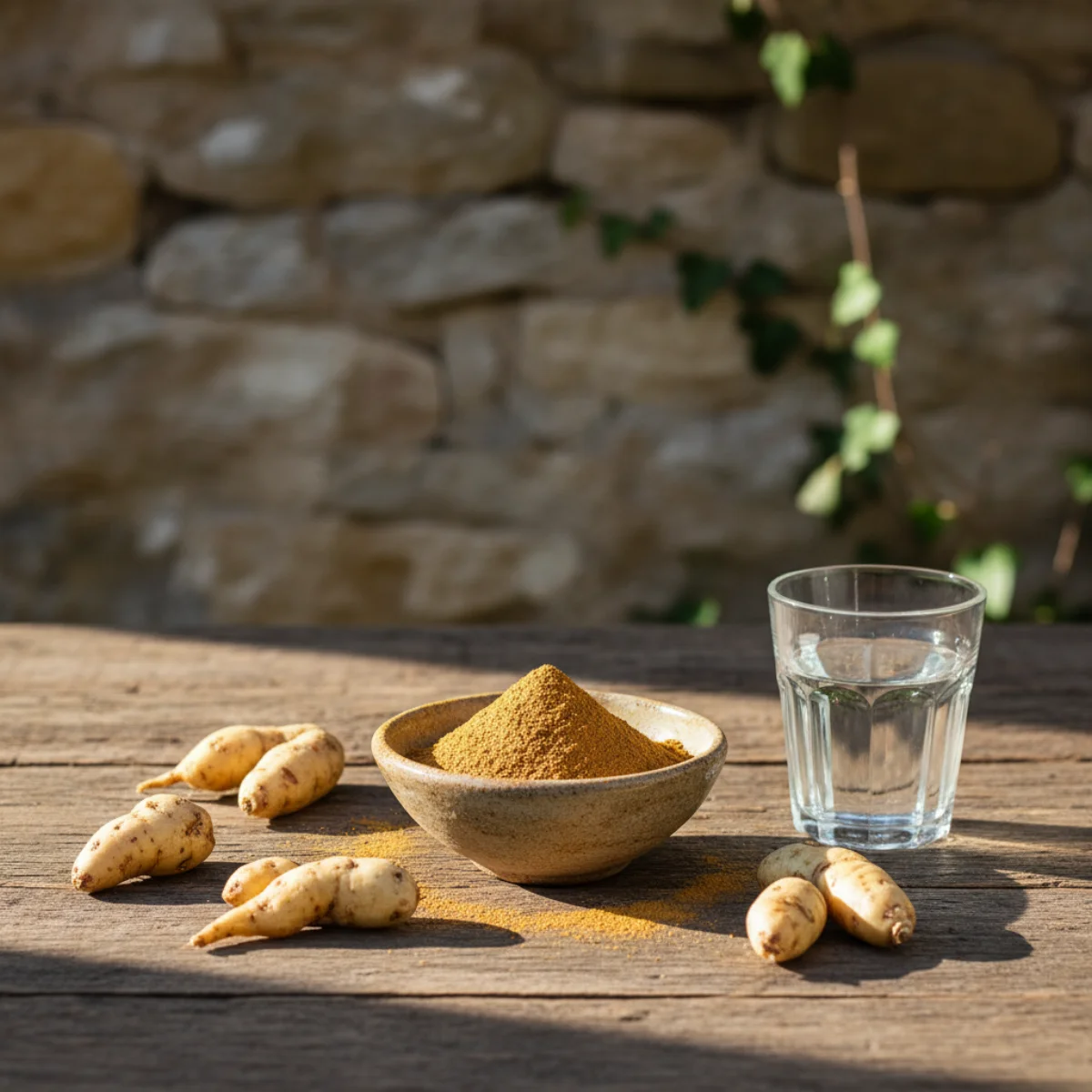
Maca root has become a popular supplement for energy, libido, and fertility support, but like any botanical, it carries potential side effects. While maca root is generally considered safe at typical doses, some users experience digestive discomfort, sleep changes, and mood shifts. Understanding which side effects are common, which are rare, and when to stop taking maca can help you use it safely and decide whether it's right for you.
What Maca Is and How It Works
Maca is a root vegetable native to Peru, typically consumed as a dried powder or extract. It contains amino acids, vitamins, minerals, and compounds called glucosinolates and alkaloids that are believed to influence energy, mood, and reproductive function. Because it's a food-like plant—not a pharmaceutical drug—regulatory oversight is minimal, and quality and potency vary widely between brands.
Common Reported Side Effects
The most frequently reported maca side effects in clinical trials and user reports are gastrointestinal. Studies on maca supplementation document:
- Stomach upset and digestive discomfort – the most common complaint, especially when taking maca on an empty stomach or at higher doses.
- Loose stools or diarrhea – reported by a minority of users, often resolving when dose is reduced or maca is taken with food.
- Nausea – occasionally reported, typically mild and transient.
- Abdominal bloating – less common, but documented in longer-term users.
These effects appear in 5–15% of trial participants across published studies, suggesting they are real but not universal. Taking maca with a meal and starting with a lower dose (0.75–1 g) can reduce digestive complaints in most cases.
Sleep and Mood Changes
Some users report sleep disturbances—both insomnia and, paradoxically, increased sleepiness—after starting maca. Others describe mood elevation, anxiety, or restlessness. Evidence is preliminary: no large controlled trials have measured sleep quality or mood systematically. These effects may stem from maca's stimulant-like alkaloids or its effects on serotonin and dopamine pathways, but the mechanism is not well understood in humans.
If you notice sleep disruption after beginning maca, try shifting your dose to the morning or reducing the amount. For most people, any mood or sleep changes resolve within one to two weeks of adjustment.
Hormonal and Reproductive Effects
One of the most discussed concerns is whether maca affects hormones like estrogen and testosterone. Animal studies suggest maca may have mild estrogenic or androgenic activity, but human evidence is scarce and conflicting. Small studies in men show no significant change in testosterone or estrogen; studies in postmenopausal women are limited. The idea that maca causes hormonal imbalance is largely theoretical.
That said, maca side effects related to the reproductive system—including changes in libido, menstrual regularity, or breast tenderness—have been anecdotally reported, though not systematically documented in trials. If you have a hormone-sensitive condition (such as hormone-dependent breast cancer, endometriosis, or polycystic ovary syndrome), consult your doctor before using maca.
Rare and Serious Adverse Effects
Severe reactions to maca are uncommon. A handful of case reports describe allergic reactions, though maca allergies are extremely rare. Thyroid concerns have been raised theoretically—maca contains goitrogens, compounds that may interfere with iodine uptake—but no human cases of thyroid dysfunction attributed to maca have been published. If you have an existing thyroid disorder or iodine deficiency, monitor your thyroid function if you use maca long-term.
No deaths or hospitalizations directly caused by maca have been documented in the scientific literature, and the supplement has a long history of traditional use in Peru without widespread safety signals.
Drug Interactions and Contraindications
Because maca's mechanisms are not fully characterized, formal drug-interaction studies are lacking. However, theoretical concerns include:
- Hormone-related medications – oral contraceptives, hormone replacement therapy, or tamoxifen: maca's possible estrogenic properties could theoretically interfere, though human evidence is absent.
- Blood pressure medications – some in vitro data suggest maca may have mild vasodilatory effects; combined use warrants monitoring.
- Medications metabolized by the liver – no direct evidence, but maca's glucosinolates are processed hepatically; very high doses could theoretically compete for enzyme capacity.
If you take any prescription medication, inform your healthcare provider before starting maca, even though serious interactions are unlikely at standard doses.
Who Should Avoid or Use Caution with Maca
Certain groups should exercise extra care:
- Pregnant and breastfeeding individuals – safety data is absent; avoid use until more evidence accumulates.
- People with hormone-sensitive cancers or conditions – until human studies clarify maca's hormonal activity, caution is warranted.
- Those with thyroid disorders – consider baseline and periodic thyroid function tests if you use maca long-term.
- Individuals with a history of allergies to cruciferous vegetables (cabbage, broccoli) – maca is in the Brassicaceae family, so cross-reactivity is theoretically possible.
- Users of blood pressure or psychiatric medications – discuss maca with your clinician to monitor for interactions.
Dosing to Minimize Side Effects
Most clinical trials use doses of 1.5–3.5 g per day, divided or taken once daily. Starting at the lower end—around 0.75–1 g—and increasing gradually over one to two weeks allows your body to adapt and helps identify your tolerance threshold. Taking maca with food significantly reduces digestive side effects. If you experience persistent discomfort after a two-week trial at a reduced dose, discontinuing maca is the safest option.
Very high doses (>5 g/day) have not been well-studied in humans and carry a higher risk of adverse effects. Stick to established dose ranges to maintain a favorable risk-benefit profile.
When to Talk to a Clinician
Stop maca and consult your doctor if you experience:
- Persistent or severe digestive symptoms lasting more than two weeks.
- Unusual changes in menstrual cycle, libido, or mood that do not resolve within one to two weeks.
- Signs of an allergic reaction (rash, swelling, difficulty breathing).
- If you're taking hormone-related, blood pressure, or psychiatric medications and want to start maca.
- If you have a pre-existing thyroid, reproductive, or cardiovascular condition.
Your healthcare provider can assess your individual risk factors and help determine whether maca is appropriate for you. While maca is well-tolerated overall, personalized guidance ensures safer use.