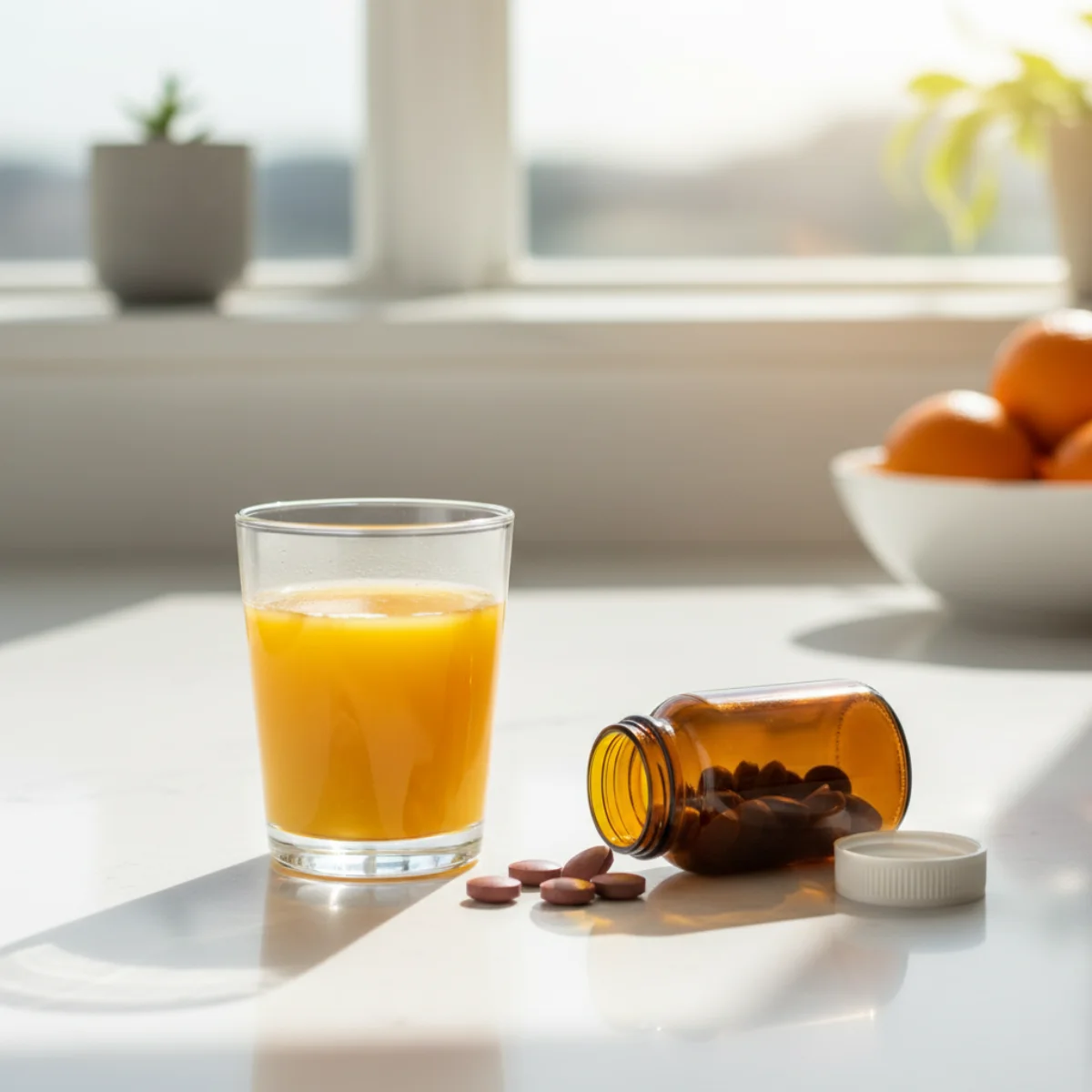
Iron supplementation is one of the most effective ways to correct iron deficiency, but taking it correctly makes the difference between feeling better in weeks and experiencing persistent fatigue or digestive discomfort. This guide walks you through the evidence-backed strategies to maximize absorption, minimize side effects, and know when to talk to a clinician about your iron status.
What Iron Does and Why You Might Need It
Iron is an essential mineral that carries oxygen throughout your blood and supports energy production, immune function, and cognitive performance. Your body cannot produce iron, so you rely on dietary intake or supplements. When dietary iron alone is insufficient—due to low intake, malabsorption, blood loss, or increased demand (pregnancy, menstruation, athletics)—supplementation becomes necessary.
Two main forms of iron are used in supplements: ferrous salts (ferrous sulfate, ferrous fumarate, ferrous gluconate), which are highly absorbable, and ferric forms (ferric citrate), which are less readily absorbed but often gentler on the stomach. Ferrous forms are more commonly recommended because your body absorbs them more efficiently.
Understanding Iron Absorption
Iron absorption depends on your stomach acid, the type of iron compound, what you eat alongside it, and your current iron status. Ferrous iron is better absorbed in an acidic environment, which is why timing and food choices matter so much.
Factors that enhance iron absorption include:
- Vitamin C (ascorbic acid)—taking iron with orange juice, citrus, or a vitamin C supplement significantly boosts absorption.
- An empty stomach—iron absorbs best 1–2 hours before or 2 hours after meals.
- Stomach acidity—adequate gastric acid supports iron uptake in the small intestine.
- Higher iron demand—if your iron stores are very low, your body prioritizes absorption.
Factors that reduce iron absorption include:
- Calcium, dairy, and fortified plant-based milks taken at the same time.
- Tea, coffee, and cocoa—their tannins and polyphenols bind iron.
- Phytates in grains, legumes, and nuts.
- Antacids and proton-pump inhibitors (medications that reduce stomach acid).
- Taking iron within 2 hours of certain supplements or medications.
Recommended Dosage
Dosage depends on your age, sex, and iron status. General guidelines are:
- Adult women (19–50 years): 18 mg daily.
- Adult men (19+ years) and women over 50: 8 mg daily.
- Pregnant women: 27 mg daily (consult your healthcare provider for individualized dosing).
- Lactating women: 9–10 mg daily.
If you have been diagnosed with iron deficiency anemia, your healthcare provider may recommend higher supplemental doses—often 50–100 mg of elemental iron daily—taken in divided doses to improve tolerance. Always use the dose your clinician prescribes rather than assuming higher doses work better. Taking more than needed increases side effects without improving outcomes.
Best Timing and Conditions for Taking Iron
Optimal scenario: Take iron on an empty stomach (1–2 hours before or 2 hours after meals) with a glass of orange juice or a vitamin C supplement. This approach maximizes absorption. Many people notice results fastest this way.
If you experience nausea or stomach upset: Take iron with food—preferably a small snack that does not contain calcium, tea, or coffee. A piece of toast with honey, or a banana, is often well tolerated. Food reduces absorption by about 25–40%, but consistent supplementation with tolerable side effects beats perfect timing with poor adherence.
Timing relative to other substances:
- Wait at least 2 hours before or after taking calcium supplements, dairy products, or fortified plant milks.
- Separate iron from tea, coffee, and other caffeinated beverages by at least 2 hours.
- If you take antacids, proton-pump inhibitors, or certain antibiotics (tetracyclines, fluoroquinolones), discuss iron timing with your pharmacist or doctor.
- Some people prefer taking iron in the morning on an empty stomach, others at night; consistency and adherence matter more than the specific time.
Absorption Strategies and Practical Tips
Enhance absorption naturally:
- Pair iron with vitamin C sources: orange juice, kiwi, strawberries, bell peppers, or a 250 mg ascorbic acid tablet.
- Take iron at the same time each day to build a routine and ensure consistent intake.
- If you forget a dose, take it as soon as you remember—unless it is close to your next scheduled dose, in which case skip the missed dose.
- Store iron supplements away from heat, humidity, and light (not in bathroom medicine cabinets).
Manage common side effects:
- Constipation: Drink adequate water, increase fiber intake gradually, and consider a stool softener if needed. Some people tolerate ferrous gluconate better than sulfate.
- Nausea or stomach upset: Take with food, reduce dose temporarily, or switch to a gentler form (ferrous gluconate or a slow-release preparation).
- Dark stools: This is normal and not harmful; iron turns stool dark or black.
- Abdominal discomfort: If severe, talk to your healthcare provider about dose adjustment or form change.
How Long Until You Feel Better
Iron supplementation does not work overnight. Most people feel improvements in energy and fatigue within 4–12 weeks of consistent supplementation, depending on how low their iron stores were initially. Your red blood cell count and hemoglobin levels, measured by blood tests, typically begin to rise after 2–4 weeks of supplementation if you are taking it correctly and the form suits you.
If you do not notice improvement after 8–12 weeks of consistent, timed supplementation, talk to your clinician. Poor adherence, ongoing iron loss, malabsorption, or an incorrect diagnosis may be factors.
When to Talk to a Clinician
Seek professional guidance in these situations:
- Before starting iron supplements—a blood test confirms you actually need them. Over-supplementation can damage organs.
- If you are pregnant, breastfeeding, or have a chronic digestive condition (celiac disease, inflammatory bowel disease, or Crohn's disease).
- If you take medications regularly; iron interacts with many drugs.
- If side effects are severe or persist after dose reduction or form change.
- If you do not feel better after 8–12 weeks of consistent supplementation.
- If you experience chest pain, severe shortness of breath, or signs of iron overload (joint pain, heart palpitations, abdominal pain).
Safety and Precautions
Iron is essential but can be harmful in excess. Iron overload (hemochromatosis) damages the heart, liver, and pancreas. Do not supplement with iron unless a healthcare provider has confirmed iron deficiency or you have a specific clinical reason. Keep iron supplements out of reach of children; iron poisoning is a leading cause of pediatric poisoning deaths.
If you have hemochromatosis, a history of iron overload, or certain chronic infections, do not take iron supplements without explicit medical supervision.