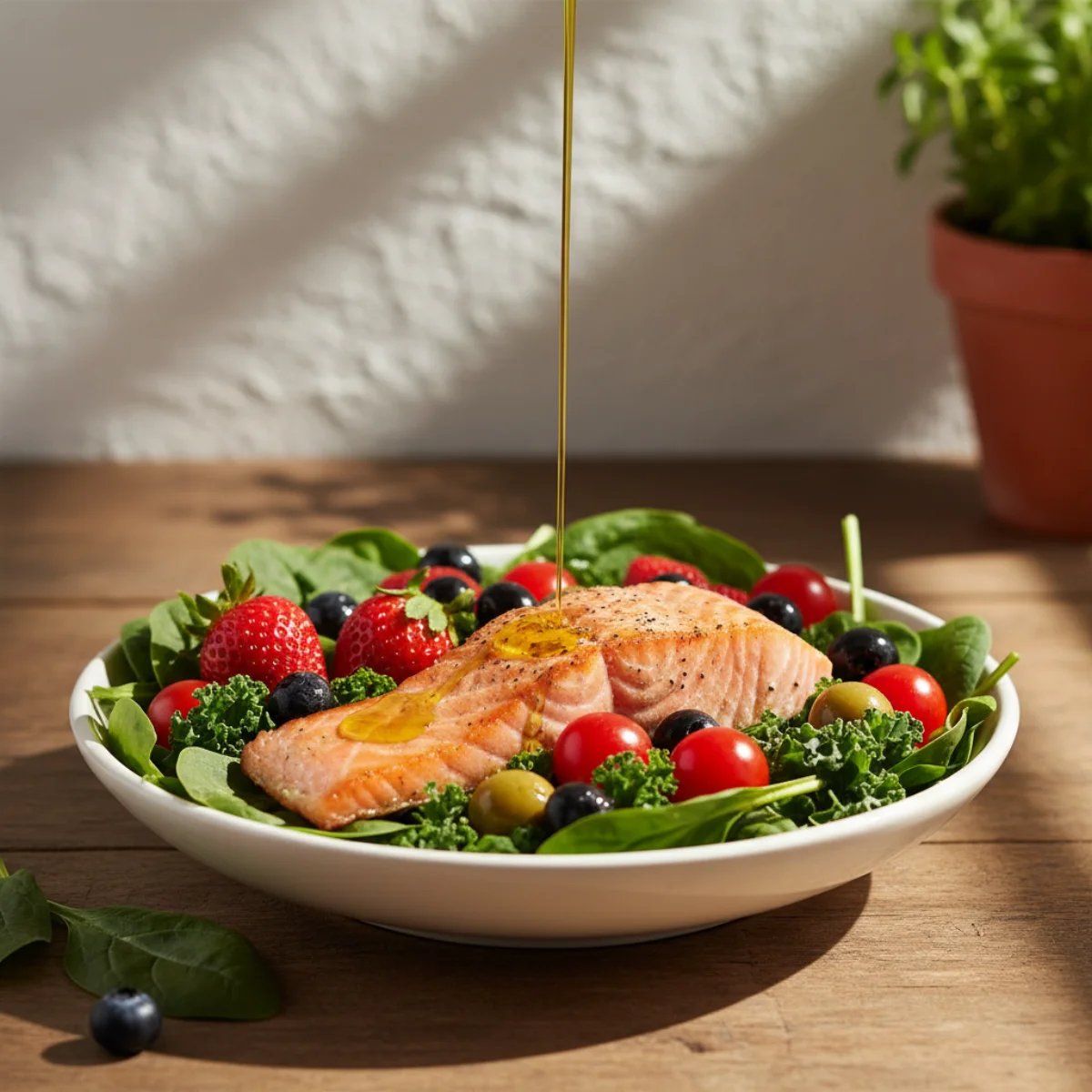
Chronic inflammation is a root driver of cardiovascular disease, autoimmune conditions, metabolic dysfunction, and accelerated aging. Unlike acute inflammation—which is protective and necessary—low-grade systemic inflammation persists quietly, damaging tissues over time. The good news is that inflammation is largely modifiable. Reducing it naturally doesn't require exotic interventions; it requires consistent attention to diet, movement, sleep, stress, and—when appropriate—targeted supplementation. This guide covers the evidence-backed strategies that actually work.
Understanding Inflammation and Its Causes
Inflammation is your immune system's response to perceived threat. When you cut your finger, redness and swelling help fight infection and initiate repair. This acute inflammation is essential. But when your body remains in a low-grade inflammatory state for months or years—driven by poor diet, chronic stress, sedentary behavior, sleep deprivation, and metabolic dysfunction—it becomes pathological.
Several factors perpetuate chronic inflammation: high intake of ultra-processed foods and refined carbohydrates, omega-6 to omega-3 fatty acid imbalance, insufficient sleep, chronic psychological stress, obesity, and a sedentary lifestyle. Gut dysbiosis (bacterial imbalance) and leaky gut also contribute by triggering immune activation. Understanding your personal inflammatory load—whether driven by diet, stress, activity level, or all three—is the first step to meaningful reduction.
Dietary Approaches to Lower Inflammation
Food is the most direct lever for controlling inflammation. Certain foods actively suppress inflammatory pathways, while others amplify them. A Mediterranean-style diet, rich in vegetables, fruits, whole grains, fish, and olive oil, consistently shows the strongest evidence for anti-inflammatory benefit across populations.
Anti-inflammatory whole foods include:
- Leafy greens (spinach, kale, collards)—high in vitamin K and antioxidants that suppress NF-κB, a master inflammatory transcription factor.
- Berries (blueberries, strawberries, raspberries)—contain anthocyanins and other polyphenols with dose-dependent anti-inflammatory effects.
- Fatty fish (salmon, sardines, mackerel)—rich in EPA and DHA omega-3 fatty acids, which resolve inflammatory signaling.
- Extra virgin olive oil—contains oleuropein and other polyphenols that inhibit inflammatory mediators; use cold or at low heat to preserve compounds.
- Cruciferous vegetables (broccoli, Brussels sprouts, cabbage)—contain sulforaphane, which upregulates antioxidant defenses.
- Ginger and turmeric—contain gingerol and curcuminoid compounds that suppress TNF-α and IL-6.
- Nuts and seeds (almonds, walnuts, flax, chia)—provide fiber, polyphenols, and omega-3 precursors.
- Legumes (lentils, chickpeas, beans)—fermented by gut bacteria to produce short-chain fatty acids that reduce inflammation.
Foods to minimize or avoid:
- Ultra-processed foods, refined carbohydrates, and added sugars—spike blood glucose and activate inflammatory pathways.
- Vegetable oils high in omega-6 (soybean, corn, sunflower)—promote pro-inflammatory eicosanoid production when consumed in excess.
- Processed meats—contain compounds (advanced glycation end products, heme iron) that trigger inflammatory signaling.
- Excess alcohol—damages gut barrier integrity and promotes endotoxemia.
The practical strategy: build meals around vegetables, quality protein, and healthy fats rather than trying to eliminate foods perfectly. Even a 60–70% adherence to anti-inflammatory eating patterns shows measurable benefits in markers like high-sensitivity CRP within 4–8 weeks.
Supplementation for Anti-Inflammatory Support
While whole foods are the foundation, certain supplements have robust evidence for reducing systemic inflammation when diet and lifestyle are also addressed. Supplementation is not a replacement for behavior change—it's an amplifier.
Curcumin (from turmeric): Curcumin is the primary polyphenolic compound in turmeric. It suppresses NF-κB and reduces TNF-α, IL-6, and IL-8 in cell and animal models. Human trials show mixed but encouraging results: doses of 500–1000 mg/day for 8–12 weeks are associated with modest reductions in pain scores in people with joint discomfort, and some evidence suggests benefit for post-exercise inflammation. Absorption is poor without black pepper (piperine) or fat. Look for standardized extracts with 95% curcuminoids and added piperine, or take with meals containing fat. See our detailed curcumin supplement guide for bioavailability considerations and product selection.
Omega-3 fatty acids (EPA/DHA): EPA and DHA are converted into specialized pro-resolving mediators (lipoxins, resolvins, protectins) that actively resolve inflammation. Doses of 1–3 g combined EPA/DHA daily, taken consistently, show benefits for inflammatory markers and cardiovascular health in many studies. Choose a molecularly distilled or tested product to avoid mercury and oxidation.
Ginger extract: Gingerol and shogaol compounds inhibit leukotriene and prostaglandin production. Doses of 1–2 g dried ginger or 500–1000 mg extract daily may reduce post-exercise soreness and support joint comfort. Effects are modest but consistent.
Polyphenol-rich extracts: Green tea (EGCG), pomegranate, and resveratrol all show anti-inflammatory effects in preliminary research. These are best viewed as complementary; whole fruit and tea are often more practical and cost-effective than isolated extracts.
Quercetin: A flavonoid with anti-inflammatory and natural antihistamine properties, often studied at 500–1000 mg/day. Evidence is preliminary but promising for respiratory and exercise-induced inflammation.
Probiotics and prebiotic fiber: A balanced gut microbiome produces short-chain fatty acids (especially butyrate) that strengthen the intestinal barrier and reduce endotoxemia-driven inflammation. Prebiotics (inulin, FOS) and diverse whole foods are often more effective than single-strain probiotics.
Realistic expectations: supplements reduce inflammation incrementally. A well-chosen supplement stacked with consistent diet and sleep changes may reduce inflammatory markers (CRP, TNF-α) by 15–30% over 8–12 weeks. Isolated supplementation without lifestyle change shows minimal effect.
The Role of Sleep and Stress Management
Sleep is where much of the body's inflammatory repair occurs. During deep sleep, the glymphatic system clears metabolic waste, and immune tolerance resets. Chronic sleep deprivation drives IL-6 and TNF-α elevation, even in people with otherwise good diets. Aim for 7–9 hours nightly, with consistent sleep-wake times. Address sleep barriers: blue light reduction 1–2 hours before bed, cooler bedroom temperature (65–68°F), and limiting caffeine after 2 p.m. can meaningfully improve sleep quality.
Chronic psychological stress elevates cortisol and promotes systemic inflammation via the hypothalamic-pituitary-adrenal (HPA) axis. Stress-reduction practices are not optional; they're foundational. Evidence supports:
- Mindfulness meditation—even 10–15 minutes daily reduces perceived stress and lowers CRP and TNF-α.
- Yoga—combines movement, breathing, and mindfulness; multiple studies show anti-inflammatory benefits.
- Breathing practices—slow, diaphragmatic breathing activates the parasympathetic nervous system and downregulates inflammation.
- Social connection—strong social ties predict lower inflammatory markers independent of other factors.
- Nature exposure—time outdoors reduces stress hormones and supports immune regulation.
The evidence is robust: addressing sleep and stress is as important as diet for long-term inflammation reduction. Someone with excellent nutrition but chronic insomnia and unmanaged stress will see limited benefit.
Physical Activity and Movement
Regular aerobic and resistance exercise is a potent anti-inflammatory intervention. Acute exercise transiently raises inflammatory markers, but chronic training downregulates baseline inflammation by improving metabolic health, reducing adiposity, and promoting immune tolerance.
Effective anti-inflammatory movement patterns:
- Aerobic exercise (150 minutes moderate-intensity weekly)—walking, cycling, swimming, running—reduces TNF-α and IL-6.
- Resistance training (2–3 days weekly)—preserves lean muscle, which is metabolically anti-inflammatory.
- Low-intensity movement (daily walking, yoga, tai chi)—supports joint health and stress reduction without acute inflammatory spike.
- Consistency over intensity—moderate exercise done regularly outperforms sporadic intense sessions for inflammation reduction.
Even sedentary individuals who add 30 minutes of walking daily see CRP reduction within 4–6 weeks. Movement also supports sleep quality and stress resilience, creating a synergistic anti-inflammatory effect.
Optimizing Gut Health
The gut microbiota produces short-chain fatty acids, especially butyrate, which strengthen intestinal barrier function and promote immune tolerance. Dysbiosis and intestinal permeability (leaky gut) trigger endotoxemia—translocation of bacterial lipopolysaccharides (LPS) into circulation—driving systemic inflammation.
Supporting gut health:
- Fiber diversity—aim for 30+ grams daily from varied sources (vegetables, fruits, whole grains, legumes). This feeds beneficial bacteria.
- Fermented foods (sauerkraut, kimchi, tempeh, miso, kefir)—provide live bacteria and bioactive compounds.
- Plant polyphenols—act as prebiotics, selectively feeding anti-inflammatory bacteria.
- Limit high-heat cooking and processed foods—which contain compounds (AGEs, emulsifiers) that damage gut barrier.
- Consider high-quality probiotics if dysbiosis is likely—though whole foods are typically more effective long-term.
Healing the gut barrier typically takes 8–12 weeks of consistent dietary change. Stool testing can identify dysbiosis, but functional improvement (less bloating, better digestion, lower inflammatory markers) often precedes quantitative bacterial changes.
Monitoring Progress and When to Seek Professional Guidance
Systemic inflammation can be quantified via high-sensitivity C-reactive protein (hs-CRP, target <1 mg/L), interleukin-6 (IL-6), and TNF-α. A baseline measurement followed by testing after 8–12 weeks of intervention provides objective feedback. Many functional medicine practitioners and some conventional doctors order these tests.
Clinical improvement (reduced joint stiffness, more stable energy, improved recovery from exercise, clearer skin, better mood) typically precedes measurable marker changes. Keep a simple log of energy, digestion, and how you feel—this often reveals patterns faster than lab work.
Seek professional guidance if:
- You have diagnosed autoimmune or inflammatory conditions—a clinician can rule out disease-specific causes and ensure supplement safety.
- You take medications—especially anticoagulants, antiplatelet drugs, or immunosuppressants—as some anti-inflammatory supplements interact.
- You have a known allergy or sensitivity to any ingredient.
- Inflammation markers remain elevated after 12 weeks of consistent intervention—this may indicate need for further investigation.
A registered dietitian experienced in anti-inflammatory nutrition can accelerate results by personalizing food strategies and ruling out individual sensitivities (e.g., to nightshades or specific grains).
Practical Implementation: A Step-by-Step Timeline
Weeks 1–2: Foundation building Establish baseline sleep and stress practices. Add one anti-inflammatory food category daily (leafy greens, berries, fatty fish). Start a gentle movement practice (daily 20-minute walk). Do not overwhelm yourself; consistency beats perfection.
Weeks 3–4: Deepen dietary change Build meals using the anti-inflammatory framework (vegetable + protein + healthy fat). Begin reducing processed foods and refined carbs. If supplementing, start curcumin or omega-3s (consistency matters more than starting high-dose).
Weeks 5–8: Consolidate and stress-proof Food changes should feel habitual. Add a formal stress-management practice (10 min daily meditation or yoga). Increase movement variety. Monitor subjective symptoms.
Weeks 9–12: Assess and adjust Get inflammatory markers checked if baseline was done. Note changes in energy, digestion, joint comfort, skin, mood. Adjust supplementation or food patterns based on individual response. Many people see meaningful improvement by this point.
Beyond 12 weeks: Sustain and refine Anti-inflammatory living becomes automatic. Focus on 80% adherence long-term rather than 100% perfection. Seasonal adjustments (more berries in summer, more warming spices in winter) support consistency.