Anxiety is one of the most common mental health concerns, affecting millions of people who seek relief without pharmaceutical intervention or as a complement to existing treatment. If you're looking to reduce anxiety naturally, the evidence points to a multi-layered approach: stress-management practices, consistent physical activity, quality sleep, and thoughtfully chosen dietary supplements can all work together to calm your nervous system. This guide walks you through the evidence-based strategies that research and clinical experience suggest are most effective, along with practical steps to implement them.
What Is Anxiety and How Does It Develop?
Anxiety is your body's natural stress response—a normal reaction designed to alert you to potential threats. Your nervous system activates the fight-or-flight response, releasing cortisol and adrenaline to prepare you for action. In small doses, this is protective. But when anxiety becomes persistent, disproportionate to actual threats, or interferes with daily life, it crosses into a clinical concern.
The mechanisms underlying chronic anxiety involve imbalances in neurotransmitters like GABA (gamma-aminobutyric acid), serotonin, and glutamate, combined with overactivity in the amygdala—the brain's threat-detection center. Chronic stress, poor sleep, sedentary habits, and genetic predisposition all increase your risk. Understanding these underlying drivers is the first step to addressing them.
The Role of the Nervous System and Stress Response
Your nervous system has two main branches: the sympathetic system (fight-or-flight) and the parasympathetic system (rest-and-digest). Anxiety occurs when the sympathetic branch stays activated too long. Reducing anxiety naturally means training your body to shift back to parasympathetic dominance—the state where your heart rate slows, digestion resumes, and your mind settles.
This shift doesn't happen overnight, but repeated practice of calming techniques gradually recalibrates your stress threshold. The good news is that your nervous system is highly plastic; consistent practice of evidence-based techniques can reshape how you respond to stressors over weeks and months.
Evidence-Based Lifestyle Foundations
Sleep Quality and Consistency. Sleep deprivation amplifies anxiety and emotional reactivity. Poor sleep reduces GABA and increases cortisol, making you more vulnerable to worry and panic. Aim for 7–9 hours nightly with a consistent bedtime and wake time, even on weekends. Limit screens 1 hour before bed, keep your bedroom cool and dark, and avoid caffeine after 2 p.m.
Regular Physical Activity. Exercise is one of the most robust anxiety treatments available. Aerobic activity—brisk walking, jogging, cycling—reduces cortisol and increases endorphins and serotonin. Strength training and yoga also calm the nervous system. Aim for at least 150 minutes of moderate activity weekly. Even a 20-minute walk can produce immediate mood and anxiety improvement.
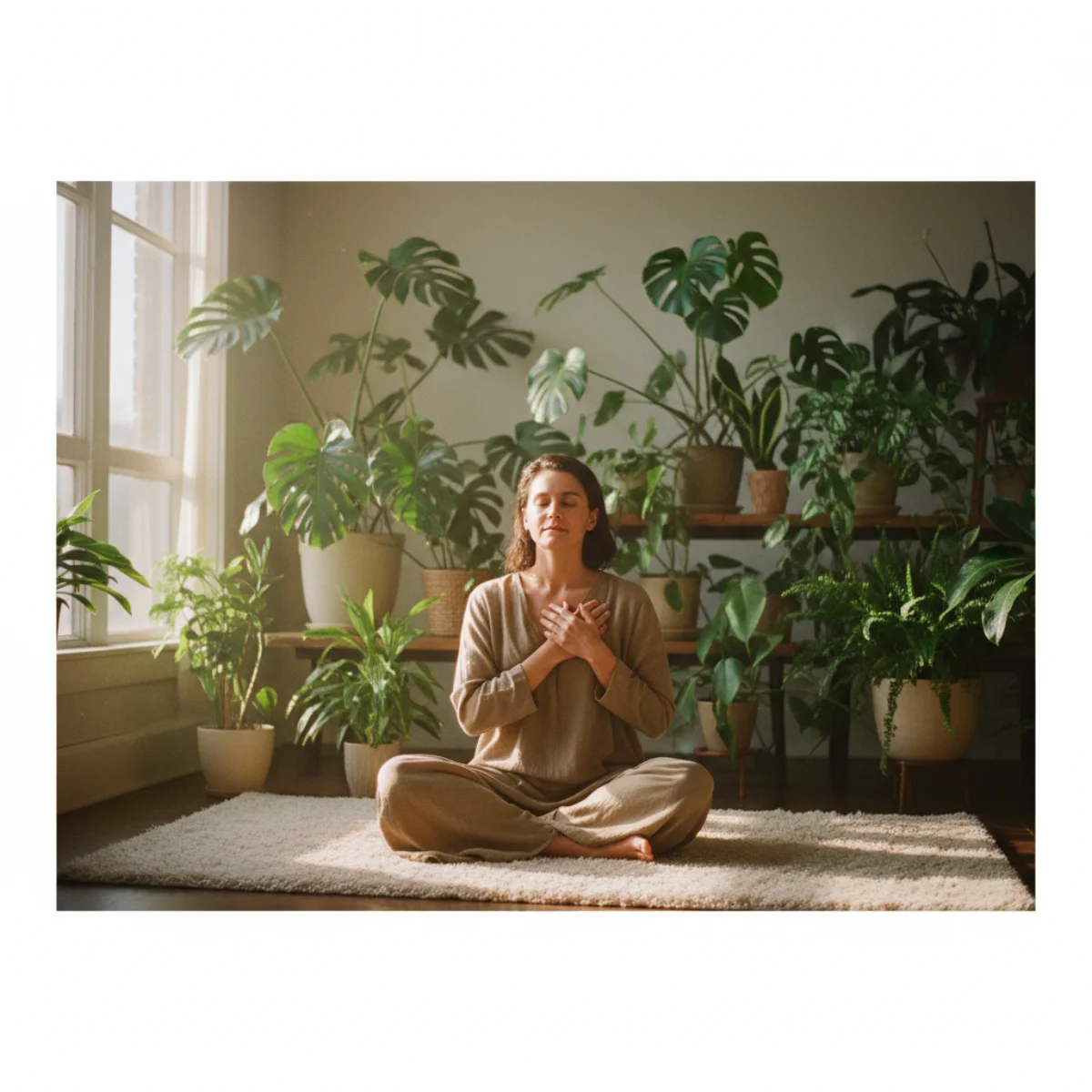
Mindfulness and Breath Work. Practices like meditation, progressive muscle relaxation, and slow deep breathing directly activate the parasympathetic nervous system. Box breathing (4 counts in, 4 counts hold, 4 counts out, 4 counts hold) is simple and potent. Apps like Insight Timer or Calm offer guided sessions. Even 10 minutes daily can measurably reduce anxiety within 2–3 weeks.
Social Connection. Isolation amplifies anxiety; meaningful social contact buffers stress. Regular time with friends, family, or community groups lowers cortisol and increases oxytocin, a calming neurochemical. If in-person interaction feels overwhelming, online communities or one-on-one conversations count too.
Dietary and Nutritional Approaches
Before reaching for supplements, ensure your foundational nutrition supports calm. Deficiencies in magnesium, B vitamins, omega-3 fatty acids, and vitamin D are associated with higher anxiety. A diet rich in whole grains, leafy greens, fatty fish, nuts, seeds, and legumes provides these nutrients naturally.
Reduce Anxiety Triggers. Caffeine can amplify anxiety; if you're sensitive, limit coffee to morning only or switch to herbal tea. Sugar crashes and irregular eating patterns destabilize blood glucose, which triggers stress hormones. Eat balanced meals with protein, healthy fat, and fiber every 3–4 hours to keep blood sugar stable.
Gut-Brain Connection. Your gut produces 90% of your body's serotonin. A healthy microbiome—supported by fermented foods (kefir, sauerkraut, kombucha), fiber, and prebiotic foods—may support mood and anxiety. Probiotic foods or supplements are an area of emerging research, though evidence is still preliminary.
Natural Supplements for Anxiety Support
Supplements can support your anxiety-management toolkit, but they work best alongside lifestyle changes. Evidence varies by compound; some have more robust research than others. The most-studied natural options include:
Magnesium. This mineral is essential for nervous system regulation and is often depleted in anxiety-prone individuals. Magnesium glycinate or threonate are well-absorbed forms. Typical doses range from 200–400 mg daily, ideally split between morning and evening. Onset is usually 2–4 weeks. Excess magnesium can cause loose stools; start at a lower dose and titrate up.
L-Theanine. This amino acid, found naturally in green tea, promotes alpha-wave brain activity associated with calm focus. It works without sedation and has a fast onset—15 to 30 minutes. Typical doses are 100–200 mg, once or twice daily. It pairs well with anxiety supplements that target different pathways. L-theanine is generally very safe with minimal interactions.
Ashwagandha (Withania somnifera). This adaptogenic herb is studied for its ability to reduce cortisol and support stress resilience. Clinical trials suggest doses of 300–600 mg daily for 8–12 weeks produce modest anxiety reduction. It has a slower onset than L-theanine but may offer cumulative benefits. Some people report mild drowsiness; take it in the evening if needed.
Lemon Balm (Melissa officinalis). This herb has gentle anxiolytic properties supported by small trials. Doses of 300–600 mg daily of standardized extract may help with mild anxiety and sleep. It's very safe and works well in combination with other approaches.
Rhodiola and Other Adaptogens. These herbs are proposed to help the body adapt to stress. Evidence is mixed; some trials show benefit for anxiety and fatigue, others are inconclusive. If you try adaptogens, give them 4–6 weeks to assess benefit.
Most natural supplements take 2–4 weeks of consistent use before effects become apparent. Quality matters: look for products tested by third-party labs (NSF, USP, ConsumerLab) to verify potency and purity. If you're on medications—especially psychiatric drugs or blood thinners—consult your doctor before starting supplements, as interactions are possible.
Practical Implementation: A Week-by-Week Roadmap
Week 1–2: Build Your Foundation. Establish a consistent sleep schedule (same bedtime and wake time). Add one form of movement you enjoy—a daily walk, yoga, swimming, whatever appeals to you. Start a simple breathing practice: 5 minutes of box breathing each morning. Assess your caffeine intake and consider reducing it slightly if you're a heavy user.
Week 3–4: Deepen Practices. Increase your movement to 20–30 minutes most days. Try a guided meditation (Insight Timer has free 10-minute options). If you've chosen to add a supplement like magnesium or L-theanine, start now and give it 2–3 weeks to assess effects. Continue your breathing practice; consider adding a second session in the evening.
Week 5–8: Consolidate and Observe. By now, sleep and movement consistency should feel more natural. Meditation or mindfulness practice may deepen. If you started a supplement, you're likely in the window where effects become noticeable. If starting a slower-acting supplement like ashwagandha, continue for the full 8–12 weeks before assessing. Notice what combinations of practices feel most effective for you.
When to Consult a Healthcare Provider
Natural approaches are often sufficient for mild to moderate anxiety, but some situations require professional evaluation. Seek a doctor or mental health professional if anxiety persists despite consistent effort with lifestyle and supplement approaches; if it's accompanied by panic attacks, intrusive thoughts, or avoidance behaviors; if it's new and sudden (may indicate a medical condition); or if you have thoughts of self-harm. Anxiety that interferes significantly with work, relationships, or sleep may benefit from therapy, medication, or both—sometimes in combination with natural approaches.
Cognitive-behavioral therapy (CBT) and acceptance and commitment therapy (ACT) have robust evidence for anxiety and often pair well with lifestyle and supplement support. Don't view professional help as a failure of natural methods; it's often the most complete toolkit available.
Practical Buying and Implementation Notes
If you decide to use supplements, purchase from reputable brands that conduct third-party testing. Start with one supplement at a time so you can identify what works for you; adding multiple at once makes it impossible to know which is helping. Keep a simple journal—note your mood, anxiety level (on a 1–10 scale), sleep quality, and practice adherence. After 4 weeks, review the data to see which approaches correlate with improvement.
Cost-wise, lifestyle changes (sleep, exercise, meditation) are free or very low-cost. Quality supplements typically run $10–30 per month. Professional therapy may have insurance coverage; many therapists offer sliding scales or online services that are more affordable than in-person sessions.
Remember that anxiety reduction is rarely linear. You'll have better days and harder days. Setbacks are normal and don't mean your efforts have failed—they're part of the healing process. The goal is a general downward trend in anxiety severity and frequency over weeks and months, not perfection or instant cure.