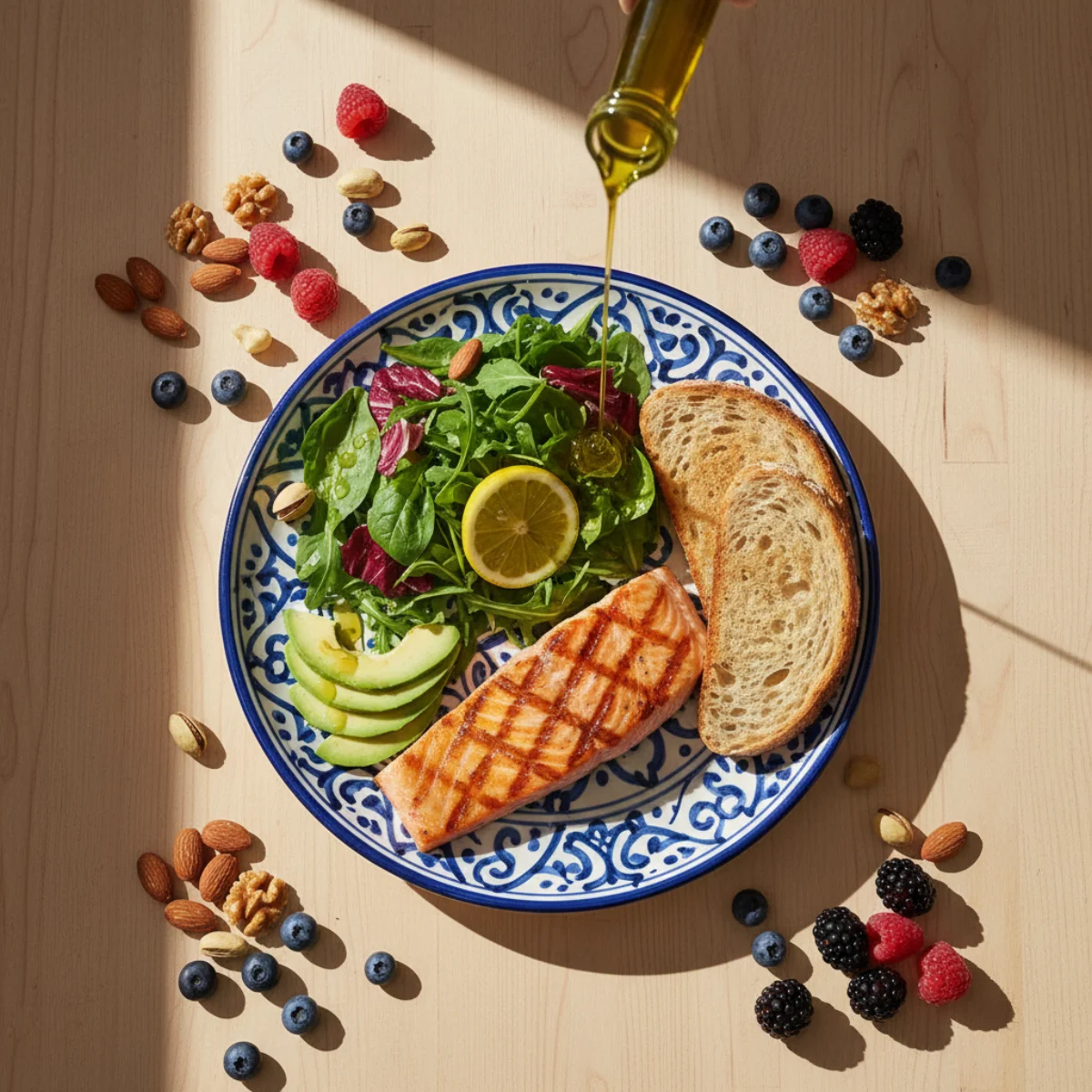
Lowering cholesterol naturally without medication is achievable for many people through a combination of dietary changes, targeted supplements, and lifestyle adjustments. High cholesterol is a leading cardiovascular risk factor, yet before reaching for statins, evidence supports that dietary fiber, plant-based compounds, regular movement, and stress management can meaningfully reduce LDL cholesterol and improve your lipid profile. This guide walks you through the most evidence-backed natural strategies, how they work, and how to integrate them into your daily routine.
Understanding Cholesterol and Why It Matters
Cholesterol is a waxy substance your body needs for hormone and vitamin D production, but excess levels—particularly LDL (low-density lipoprotein) cholesterol—can accumulate in artery walls and increase heart disease risk. HDL (high-density lipoprotein) cholesterol, by contrast, helps remove LDL from your bloodstream and is protective. Most people with elevated cholesterol have no symptoms, making dietary and lifestyle intervention a practical first step before pharmaceutical options.
Your total cholesterol, LDL, HDL, and triglyceride levels are influenced by genetics, diet, physical activity, weight, age, and stress. Unlike genetics, most of these factors are modifiable, which is why natural approaches can be effective for many individuals.
Dietary Changes to Lower LDL Cholesterol
Increase Soluble Fiber Intake
Soluble fiber—found in oats, barley, beans, apples, and citrus—binds to cholesterol in the digestive tract and helps eliminate it. Studies show that 3-10 grams of soluble fiber daily can reduce LDL cholesterol by 3-5%. Start with oatmeal at breakfast, add beans to salads and soups, and snack on apples or pears. Gradual increases prevent digestive discomfort.
Incorporate Plant Sterols and Stanols
Plant sterols (phytosterols) are naturally occurring compounds found in nuts, seeds, and vegetable oils that structurally resemble cholesterol. They block cholesterol absorption in the intestines. Regular consumption of 2 grams daily can lower LDL by 5-15%, according to meta-analyses. Fortified products like certain margarines and yogurts are convenient sources, though whole-food options (sunflower seeds, pistachios, almonds) offer additional nutrients.
Eat Fatty Fish and Omega-3 Sources
Omega-3 polyunsaturated fats from salmon, mackerel, sardines, and herring reduce triglycerides and support HDL. Aim for two to three servings weekly. For vegetarians, flaxseeds, chia seeds, and walnuts provide alpha-linolenic acid (ALA), though conversion to EPA and DHA is limited. Supplements like fish oil or algae-based omega-3s can bridge the gap when dietary intake is insufficient, with typical doses of 1-3 grams EPA+DHA daily showing modest LDL reductions.
Limit Saturated and Trans Fats
Saturated fats (butter, fatty meats, full-fat dairy) and especially trans fats (partially hydrogenated oils) raise LDL cholesterol. Replace them with unsaturated fats from olive oil, avocados, and nuts. Aim for saturated fat to be less than 7% of daily calories and eliminate trans fats entirely.
Choose Whole Grains and Reduce Refined Carbohydrates
Whole grains (brown rice, quinoa, whole-wheat bread) contain fiber and nutrients that support cholesterol management. Refined carbohydrates and added sugars can raise triglycerides and lower HDL, particularly in people with metabolic risk factors. Prioritize whole grains and minimize sugary beverages and processed foods.
Supplements and Natural Compounds for Cholesterol Management
Red Yeast Rice
Red yeast rice is a fermented product that contains naturally occurring statins. Studies show it can reduce LDL cholesterol by 15-30%, with effects comparable to low-dose prescription statins in some trials. Typical doses are 1.2-2.4 grams daily. Quality and statin content vary significantly by brand, and contaminants (especially citrinin) are a concern with some products. Consult a clinician if you're taking other cholesterol medications or have muscle symptoms, as interactions and side effects mirror pharmaceutical statins.
Niacin (Vitamin B3)
Niacin can lower triglycerides by 20-30% and raise HDL cholesterol in some individuals. Extended-release niacin at doses of 1-2 grams daily has shown LDL reductions of 10-15% in research. Flushing (temporary skin redness and warmth) is common, and long-term use requires monitoring of liver function and uric acid levels. Speak with a healthcare provider before using niacin, especially if you have gout, liver disease, or take other medications.
Plant-Based Stanols and Sterols Supplements
Isolated plant sterol supplements deliver concentrated doses more efficiently than dietary sources alone. Formulations with 2 grams per serving can reduce LDL by 5-15% when taken consistently. They're generally well-tolerated, though they may slightly reduce fat-soluble vitamin absorption.
Garlic Extract and Soy Protein
Aged garlic extract and soy protein have been studied for cholesterol reduction, with preliminary evidence suggesting modest effects. Results are mixed, and effects are typically smaller than fiber or prescription statins. They may be useful as part of a comprehensive approach but shouldn't be relied upon as standalone interventions.
Physical Activity and Weight Management
Exercise independently lowers LDL cholesterol, raises HDL, and reduces triglycerides. Aerobic activity (brisk walking, cycling, swimming) at 150 minutes per week moderately improves lipid profiles in most people. Resistance training adds cardiovascular benefits and supports metabolic health. Even without weight loss, regular activity improves cholesterol levels, though losing 5-10% of body weight amplifies the effect, particularly for triglycerides and HDL.
Start with activities you enjoy and can sustain. Consistency matters more than intensity; a 30-minute daily walk is more beneficial than sporadic intense workouts.
Stress Reduction and Sleep Quality
Chronic stress elevates cortisol, which may impair cholesterol metabolism and increase inflammation. Meditation, yoga, deep breathing, and time in nature have been associated with modest improvements in lipid profiles. Similarly, poor sleep (fewer than 6-7 hours nightly) is linked to higher LDL and triglycerides. Prioritizing sleep hygiene—consistent bedtimes, cool dark rooms, limiting screens before bed—supports natural cholesterol regulation alongside other interventions.
Alcohol and Smoking Considerations
Moderate alcohol consumption (up to one drink daily for women, two for men) is associated with higher HDL cholesterol, though excessive intake raises triglycerides and overall cardiovascular risk. If you don't drink, there's no evidence to start; if you do, moderation supports cholesterol health. Smoking directly lowers HDL and damages artery linings. Quitting is one of the most powerful interventions for cardiovascular health, improving cholesterol ratios and reducing heart disease risk substantially within months.
When to Talk to a Clinician
Natural approaches work well for many people with mildly to moderately elevated cholesterol, particularly those without a personal or strong family history of heart disease. However, if you have very high LDL (over 190 mg/dL), established cardiovascular disease, diabetes, or significant genetic cholesterol disorders (familial hypercholesterolemia), medication may be necessary alongside lifestyle changes. A clinician can assess your 10-year cardiovascular risk and help determine whether natural interventions alone are sufficient or if pharmacotherapy should be considered.
Also consult a healthcare provider before starting supplements like red yeast rice or niacin, as they can interact with medications and may not be appropriate for all people. Regular lipid panel testing (every 3-6 months during lifestyle changes) allows you to track progress and adjust strategies as needed.
Practical Steps to Get Started
Begin with one or two changes rather than overhauling everything at once. Add a bowl of oatmeal or chia pudding to your breakfast, swap butter for olive oil in cooking, and commit to a 20-minute walk three times weekly. After 2-4 weeks, add another layer—perhaps fish twice a week or a plant sterol-fortified food. Track how you feel and schedule a lipid panel after 8-12 weeks to see if your numbers are moving. If progress stalls, introduce a supplement like fish oil or discuss red yeast rice with your doctor. Sustainable, incremental change is more effective and maintainable than drastic dietary shifts.