Glutathione is a tripeptide antioxidant found in nearly every cell in your body, where it works to neutralize free radicals, support detoxification, and regulate immune function. Often called your body's "master antioxidant," glutathione is produced endogenously from three amino acids—cysteine, glycine, and glutamate—and is especially concentrated in the liver, kidneys, and lungs. As we age and face environmental stress, oxidative damage and glutathione depletion may increase, leading many people to explore supplementation. This article breaks down what glutathione is, how it works, what the research actually shows, and practical guidance on whether and how to supplement.
What Glutathione Is and How It Works
Glutathione is a small peptide composed of three amino acids linked together: cysteine, glycine, and glutamate. It exists in two forms—reduced (GSH) and oxidized (GSSG)—and cycles between these states as it neutralizes free radicals and other oxidative stressors. The reduced form (GSH) is the active antioxidant; when it donates electrons to neutralize a free radical, it becomes oxidized (GSSG). Your cells then recycle oxidized glutathione back to the reduced form using the enzyme glutathione reductase and the energy molecule NADPH.
Glutathione's antioxidant power lies in its ability to bind directly to harmful molecules—free radicals, heavy metals, and electrophiles—making them water-soluble and easier to excrete. Beyond antioxidation, glutathione participates in phase II detoxification, where it conjugates (attaches to) xenobiotics and drugs, rendering them less toxic and easier for the body to eliminate. It also serves as a cofactor for several enzymes, including glutathione peroxidase and glutathione S-transferase, and plays a role in regulating immune cell function, protein synthesis, and mitochondrial health.
Mechanisms of Proposed Benefits
The benefits attributed to glutathione stem from its multiple biochemical roles. Here are the main mechanisms researchers and clinicians discuss:
Antioxidant and Free Radical Scavenging
Glutathione directly quenches free radicals generated by metabolism, environmental toxins, UV radiation, and inflammation. By doing so, it reduces oxidative stress—a state in which free radicals overwhelm the body's antioxidant defenses. Chronic oxidative stress is implicated in aging, cardiovascular disease, neurodegeneration, and cancer; theoretically, supporting glutathione may slow these processes, though long-term human evidence remains limited.
Detoxification Support
In phase II detoxification, glutathione binds to acetaminophen, alcohol metabolites, pesticides, and heavy metals, facilitating their removal through bile and urine. The liver, which bears the greatest detoxification burden, maintains high glutathione concentrations. Supporting glutathione status may enhance the body's capacity to clear environmental and metabolic toxins, though this claim is largely extrapolated from cellular and animal studies.
Immune Regulation
Glutathione is critical for T-cell and natural killer (NK) cell function. Adequate glutathione supports the proliferation and activation of these immune cells, while deficiency is associated with impaired immune responses. Some research suggests that maintaining or raising glutathione may support immune resilience, particularly in aging populations or those under chronic stress.
Mitochondrial Function
Glutathione protects mitochondria—the cell's energy factories—from oxidative damage. By doing so, it may support cellular energy production and metabolic function. Preliminary evidence suggests this may be relevant to conditions marked by mitochondrial dysfunction, though human trials are sparse.
What Research Shows About Glutathione Benefits
The evidence base for glutathione supplementation is mixed. While cellular and animal studies consistently show antioxidant and detoxification effects, human clinical trials are fewer and often small. Here's what the current literature suggests:
Immune Function
Several small studies have found that glutathione supplementation (typically 500–2000 mg/day) is associated with improved markers of immune function, such as lymphocyte proliferation and natural killer cell activity. A 2020 review noted that glutathione may help maintain immune function in aging populations, though larger, longer trials are needed to confirm clinical benefits.
Liver Health and Detoxification
Glutathione is essential for the liver's detoxification machinery. Animal and cell studies consistently show glutathione supports phase II enzyme activity. In human populations, glutathione status is lower in those with liver disease, alcoholism, and hepatitis; however, supplementation studies in these groups are limited. Some small trials suggest NAC, a glutathione precursor, may support liver health in specific conditions (e.g., acetaminophen toxicity), but evidence for preventive supplementation in healthy people is preliminary.
Skin Health and Appearance
Glutathione is involved in melanin production and protects skin from UV-induced oxidative damage. A few small trials in East Asia have found that oral or IV glutathione supplementation (500–1500 mg/day, typically in liposomal form) is associated with improvements in skin tone, radiance, and age spots. However, these studies are limited in size and rigor, and many lack control groups. The mechanism remains unclear—whether improvements are due to antioxidant effects, melanin modulation, or other factors is not fully understood.
Athletic Performance and Recovery
Intense exercise generates oxidative stress, which can impair recovery. Preliminary evidence suggests that glutathione supplementation may reduce markers of oxidative stress post-exercise. A small 2017 study found that supplemental glutathione reduced muscle damage markers and fatigue in cyclists after high-intensity training. However, evidence is sparse and mostly limited to small, short-term trials.
Respiratory Health
The lungs are exposed to oxidants from air pollution, smoking, and respiratory pathogens. Glutathione is present at high concentrations in lung epithelial fluid. Some research suggests that boosting glutathione may support respiratory defense and reduce oxidative lung damage, though human clinical trials are limited and mostly observational or small.
Aging and Longevity
Glutathione levels decline with age and are lower in centenarians and those with age-related diseases compared to younger controls. Some gerontologists propose that supporting glutathione status may slow aging; however, no long-term randomized controlled trials in humans have demonstrated that supplementation extends lifespan or delays age-related disease onset. This remains a plausible hypothesis supported by mechanistic studies rather than definitive clinical evidence.
Bioavailability and Supplemental Forms
A key challenge with glutathione supplementation is bioavailability. Standard oral glutathione (taken as a pill or powder) is poorly absorbed; most is broken down in the small intestine before entering the bloodstream, limiting its effectiveness. This is why researchers and manufacturers have developed alternative forms:
Glutathione Precursors (NAC and Others)
Rather than supplying glutathione directly, precursor supplements like N-acetylcysteine (NAC) provide the amino acid cysteine, the rate-limiting component for glutathione synthesis. NAC is more stable and better absorbed than glutathione itself. Several studies show that NAC (500–1200 mg/day) reliably raises intracellular glutathione levels. For this reason, NAC is often considered a more practical option than oral glutathione.
Liposomal Glutathione
Liposomal formulations encapsulate glutathione in fat-soluble vesicles, which may enhance absorption through the intestinal wall. Some small studies suggest liposomal glutathione achieves higher blood levels than standard forms. However, clinical evidence is still emerging, and liposomal products vary widely in quality and bioavailability.
Intravenous Glutathione
IV glutathione bypasses the gastrointestinal system entirely, delivering glutathione directly into the bloodstream. This ensures high blood levels, though effects typically last hours to days as the body metabolizes the molecule. IV glutathione is used in some clinical settings (e.g., Parkinson's disease clinics) based on mechanistic rationale, but robust evidence from large trials is lacking.
Dietary Sources
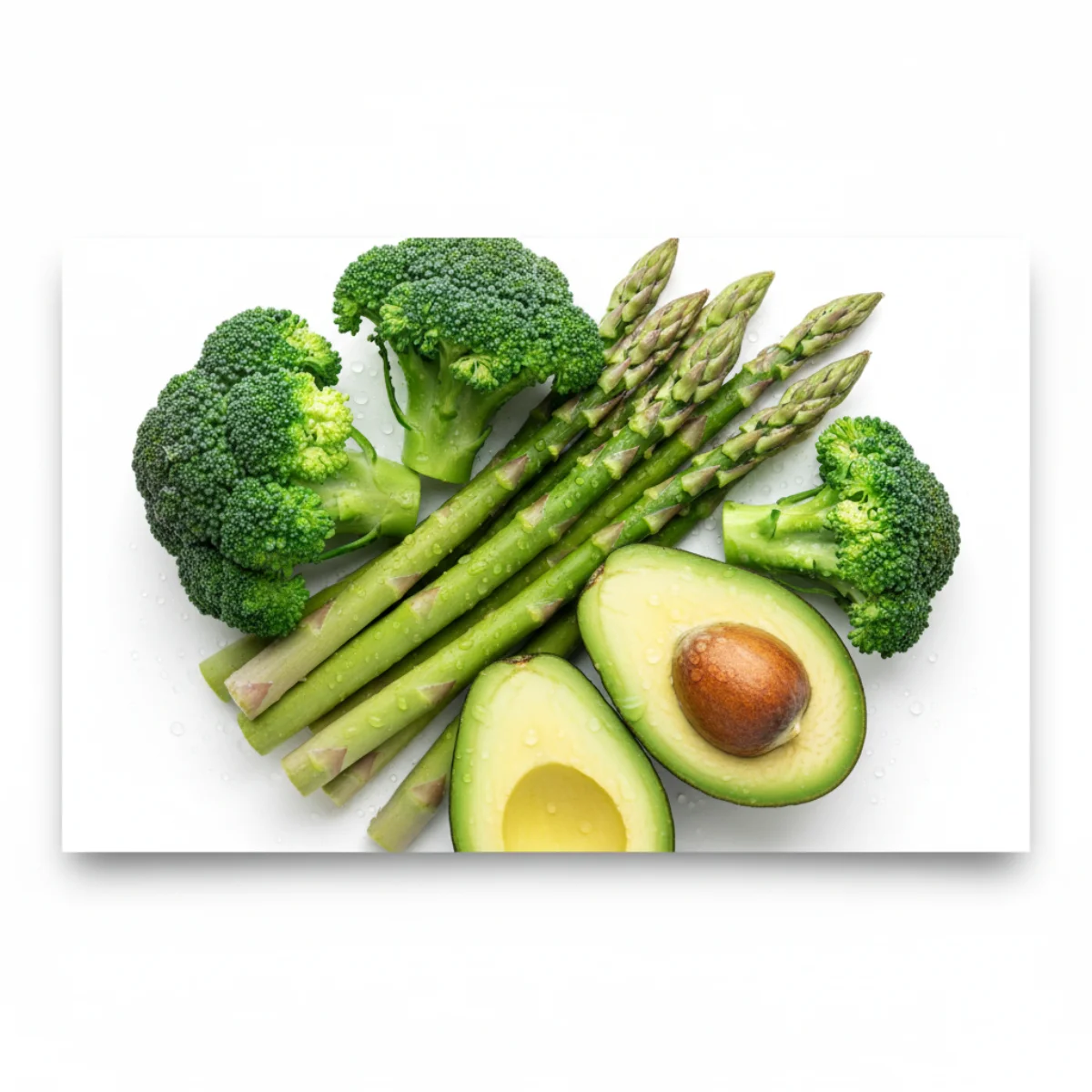
Glutathione is present in many foods—particularly cruciferous vegetables (broccoli, Brussels sprouts), asparagus, avocado, eggs, and garlic—though cooking often reduces glutathione content. Eating a diet rich in these foods supports your body's endogenous glutathione production and provides precursor amino acids and cofactors (selenium, zinc) needed for glutathione synthesis.
Dosage and How to Support Glutathione Status
There is no official recommended dietary allowance (RDA) for glutathione, since your body produces it endogenously. However, practical approaches to support glutathione status include:
- Optimize precursor nutrition: Ensure adequate protein intake (cysteine), and consider foods rich in glycine (bone broth, gelatin) and glutamate (tomatoes, mushrooms).
- Support cofactor availability: Consume sufficient selenium (Brazil nuts, fish), zinc (meat, legumes), and B vitamins (particularly B6, involved in glutathione metabolism).
- Consider NAC supplementation: NAC is evidence-based for raising intracellular glutathione and is typically dosed at 600–1200 mg/day, divided into one or two doses.
- Try liposomal glutathione: If pursuing direct glutathione supplementation, liposomal forms (typically 250–1000 mg/day) show better absorption than standard oral glutathione, though clinical benefit data remain preliminary.
- Reduce oxidative stressors: Minimize smoking, excessive alcohol, and environmental toxin exposure; engage in moderate exercise and manage stress, all of which support endogenous glutathione levels.
Safety, Side Effects, and Interactions
Glutathione and its precursors are generally well-tolerated at recommended doses, but important caveats exist:
Common Side Effects
Oral glutathione and NAC are usually safe; the most common side effects are mild gastrointestinal symptoms (nausea, bloating, diarrhea) at higher doses. NAC has a characteristic sulfur-like taste and odor. IV glutathione may cause mild headache or transient facial flushing.
Drug Interactions
NAC may interact with certain medications. It can potentiate (enhance) the effects of vasodilators and blood pressure medications. NAC may also reduce the efficacy of certain antibiotics if taken simultaneously. If you take prescription medications, discuss glutathione or NAC supplementation with your healthcare provider before starting.
Special Populations
Safety data for glutathione supplementation in pregnancy and breastfeeding are limited; consult your OB-GYN before supplementing. Individuals with asthma may have variable responses to NAC (it can improve or worsen symptoms depending on the person). Those with cystinuria (a rare genetic disorder affecting cysteine transport) should avoid high-dose cysteine-containing supplements.
Theoretical Concerns
Some clinicians raise theoretical concerns that exogenously raising glutathione could suppress the body's compensatory antioxidant production or, conversely, that high intracellular glutathione in certain cell types might promote proliferation of cancer cells—though human evidence for these scenarios is lacking. Long-term safety studies in healthy populations are absent, so ultra-high doses or indefinite supplementation are not well-characterized.
When to Talk to a Clinician
Consider consulting a healthcare provider before starting glutathione or NAC supplementation if you:
- Have liver or kidney disease.
- Take medications, particularly blood pressure drugs, antibiotics, or anticoagulants.
- Have asthma or reactive airway disease.
- Are pregnant or breastfeeding.
- Have a personal or family history of cystinuria or amino acid metabolism disorders.
- Are seeking glutathione for a specific health condition (rather than general wellness).
Your clinician can assess your individual risk-benefit profile, check for interactions, and recommend an appropriate form and dose—or suggest dietary and lifestyle strategies instead.
The Bottom Line
Glutathione is your body's master antioxidant, with roles in detoxification, immune support, and cellular protection. The scientific case for these functions is sound at the cellular level. However, human evidence for supplementation benefits remains preliminary and often limited to small trials. Oral glutathione has poor bioavailability, making NAC or liposomal forms more practical choices if you wish to supplement. The safest, most evidence-backed approach is to support glutathione status through adequate protein intake, antioxidant-rich foods, and lifestyle choices that minimize oxidative stress. If you're interested in supplementing for a specific reason, work with a healthcare provider to determine whether it's appropriate and to monitor for effects.