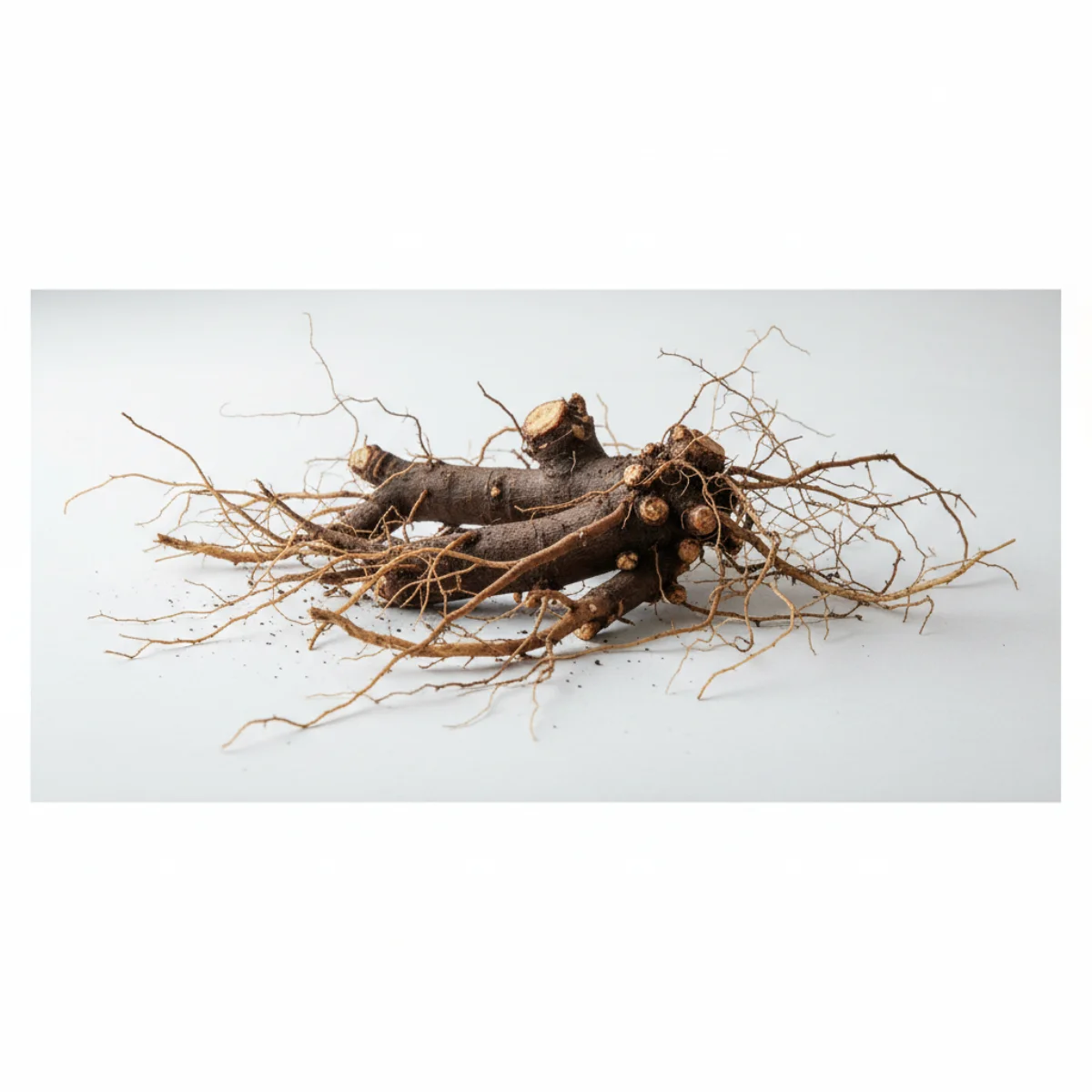
Black cohosh is a Native American herbal remedy increasingly popular for managing menopausal symptoms and has been studied for decades in clinical research. While it is often described as "well-tolerated," side effects do occur—ranging from mild digestive discomfort to rare but serious liver injury. Understanding the spectrum of potential risks, who is most vulnerable, and how to minimize harm is essential for anyone considering this supplement.
What Is Black Cohosh and How It Works
Black cohosh (Cimicifuga racemosa) is a perennial plant native to eastern North America, traditionally used by Indigenous peoples for women's health. The supplement is typically made from the underground rhizome and roots, which contain bioactive compounds—including triterpene glycosides, phenolic acids, and essential oils. Black cohosh is believed to work through multiple mechanisms: some research suggests it may modulate serotonin and dopamine pathways in the brain, while other evidence points to selective estrogen receptor modulation (SERM-like activity) or direct effects on the hypothalamic-pituitary-ovarian axis. The exact mechanism remains incompletely understood, which underscores why side-effect patterns can vary widely between individuals.
Most Common Side Effects
The majority of side effects reported with black cohosh are mild and gastrointestinal in nature. Nausea, stomach upset, and constipation or diarrhea are the most frequently documented complaints, particularly when doses exceed 40–80 mg daily or when the supplement is taken on an empty stomach. Headaches and dizziness also appear in clinical trials with modest frequency, usually resolving within the first one to two weeks of use. Some users report vaginal spotting or light bleeding, which may reflect hormonal influence on the endometrium. Muscle aches, breast tenderness, and rashes have been reported but remain uncommon. Most published clinical trials report adverse-event rates of 10–30% across all symptoms, with serious events affecting fewer than 2% of participants.
Liver Safety and Hepatotoxicity Concerns
The most serious potential side effect of black cohosh is liver injury. Between 2000 and 2020, approximately 60 case reports of suspected black cohosh–associated hepatotoxicity appeared in medical literature—a small number in absolute terms, but enough to prompt regulatory warnings in several countries. These cases typically manifested as cholestasis (bile buildup) or hepatitis-like inflammation, with symptoms including yellowing of the skin and eyes (jaundice), dark urine, pale stools, and right-sided abdominal pain. The mechanism is not well understood; proposed theories include direct chemical toxicity, immune-mediated reaction, or contamination in some products. Importantly, causality was not proven in many reports—users often took multiple supplements or medications, and some cases resolved after stopping black cohosh while others did not. Large prospective studies have not demonstrated a clear dose-dependent or time-dependent hepatotoxicity risk. Nevertheless, anyone with pre-existing liver disease (hepatitis, cirrhosis, fatty liver disease) or those taking hepatotoxic drugs (e.g., acetaminophen regularly, isoniazid, methotrexate) should avoid black cohosh or use it only under medical supervision. Users should seek immediate medical attention if jaundice, dark urine, or unexplained abdominal pain develops during use.
Hormonal and Endocrine Effects
Because black cohosh interacts with estrogen signaling pathways—even if the exact mechanism is debated—it carries theoretical risks for hormone-sensitive conditions. Women with a personal or family history of estrogen receptor–positive breast cancer are advised to avoid it, as the SERM-like activity could theoretically stimulate tumor growth, though prospective human evidence of this risk is lacking. Similarly, those on tamoxifen (an estrogen antagonist used in breast cancer treatment) should not use black cohosh without oncologist approval, as potential interactions could compromise treatment efficacy. Users with endometriosis, uterine fibroids, or other estrogen-dependent conditions should consult a healthcare provider before use. The supplement may also interfere with thyroid function in susceptible individuals—case reports exist, though causality is uncertain. Pregnant and breastfeeding women should avoid black cohosh entirely, as safety data in these populations is insufficient and the herb's hormonal activity poses theoretical developmental risks.
Drug Interactions and Contraindications
Black cohosh may interact with several classes of medications. The most significant concern involves tamoxifen and other selective estrogen receptor modulators (SERMs), where combined use could alter therapeutic levels or efficacy. Hepatotoxic drugs (acetaminophen, NSAIDs used chronically, antiretrovirals, statins at high doses) could compound liver stress if used alongside black cohosh. Sedating herbs or medications (benzodiazepines, certain antidepressants) may have additive CNS-depressant effects, though clinical evidence is limited. Black cohosh may also influence cytochrome P450 enzyme activity, potentially altering metabolism of warfarin, certain antiarrhythmics, and oral contraceptives—though robust evidence for these interactions is sparse. Anyone taking prescription medications or with chronic health conditions should discuss black cohosh use with their physician or pharmacist before starting.
Dose, Form, and Risk Modulation
The risk profile of black cohosh varies significantly by product formulation. Standardized extracts—typically containing 26–40% triterpene glycosides and used in the majority of clinical trials—offer more predictable composition and fewer side effects than whole-plant powders or tinctures, which can vary wildly in potency. Most well-studied trials used 40–80 mg daily, taken in divided doses with food, which minimized gastrointestinal upset. Higher doses (>120 mg daily) increase nausea and digestive complaints. Duration of use may also matter: regulatory agencies in Germany and Canada recommend limiting use to 6 months without medical reassessment, partly out of caution regarding long-term liver safety, though no robust evidence mandates a hard cutoff. Taking the supplement with meals rather than on an empty stomach substantially reduces nausea. Cycling (using for 3 months, stopping for 1 month) is sometimes recommended but not proven to lower risks. Black cohosh quality varies by manufacturer, and contamination with heavy metals or microbial contaminants has been documented in some products, so selecting a reputable supplier certified by third-party testing (USP, NSF, ConsumerLab) is prudent.
Who Should Avoid Black Cohosh
Certain populations face elevated risk and should not use black cohosh without explicit medical clearance:
- Women with estrogen receptor–positive (ER+) breast cancer or a strong family history of breast cancer. The hormonal activity of black cohosh, though not definitively proven hazardous, is incompatible with cancer precaution.
- Those on tamoxifen or other SERMs. Concurrent use could interfere with hormone-blocking therapy.
- Pregnant and breastfeeding women. Insufficient safety data and potential hormonal effects make black cohosh contraindicated.
- People with liver disease or chronic hepatotoxic drug use. Even though hepatotoxicity is rare, baseline liver compromise increases risk.
- Those with bleeding disorders or on anticoagulants. Preliminary data suggest black cohosh may have mild anticoagulant properties; combined use warrants caution.
- Individuals with uncontrolled or severe hormone-sensitive conditions (severe endometriosis, uterine fibroids with heavy bleeding).
When to Seek Medical Advice
Mild side effects—nausea, headache, or digestive upset—typically warrant only dose reduction or taking the supplement with food. However, users should seek medical attention if any of the following occur: yellowing of the skin or eyes, dark-colored urine, pale or clay-colored stools, unexplained right-sided abdominal pain, severe abdominal bloating, signs of allergic reaction (rash, swelling, difficulty breathing), unusual vaginal bleeding (beyond light spotting), or symptoms that persist or worsen after two weeks of use. If using black cohosh alongside prescription medications and new symptoms emerge, discuss them promptly with a healthcare provider, as interactions may be at play. Women on tamoxifen or with a history of cancer should consult their oncologist before initiating black cohosh, and should report any new symptoms immediately.
Summary and Practical Safety Guidance
Black cohosh is generally well-tolerated for the majority of users, with mild side effects being far more common than serious ones. However, liver safety concerns, hormonal effects, and drug interactions make it unsuitable for certain populations. To minimize risk: use standardized extracts containing 26–40% triterpene glycosides; start with a conservative dose (20–40 mg daily) and take it with food; limit duration to 3–6 months without medical reassessment; avoid it if pregnant, breastfeeding, or hormone-sensitive cancers are a concern; inform your doctor of use, especially if on tamoxifen, blood thinners, or hepatotoxic drugs; and seek immediate care if signs of liver injury appear. When used thoughtfully and with appropriate screening, black cohosh can be a low-risk option for managing menopausal symptoms in suitable candidates—but informed caution remains warranted.