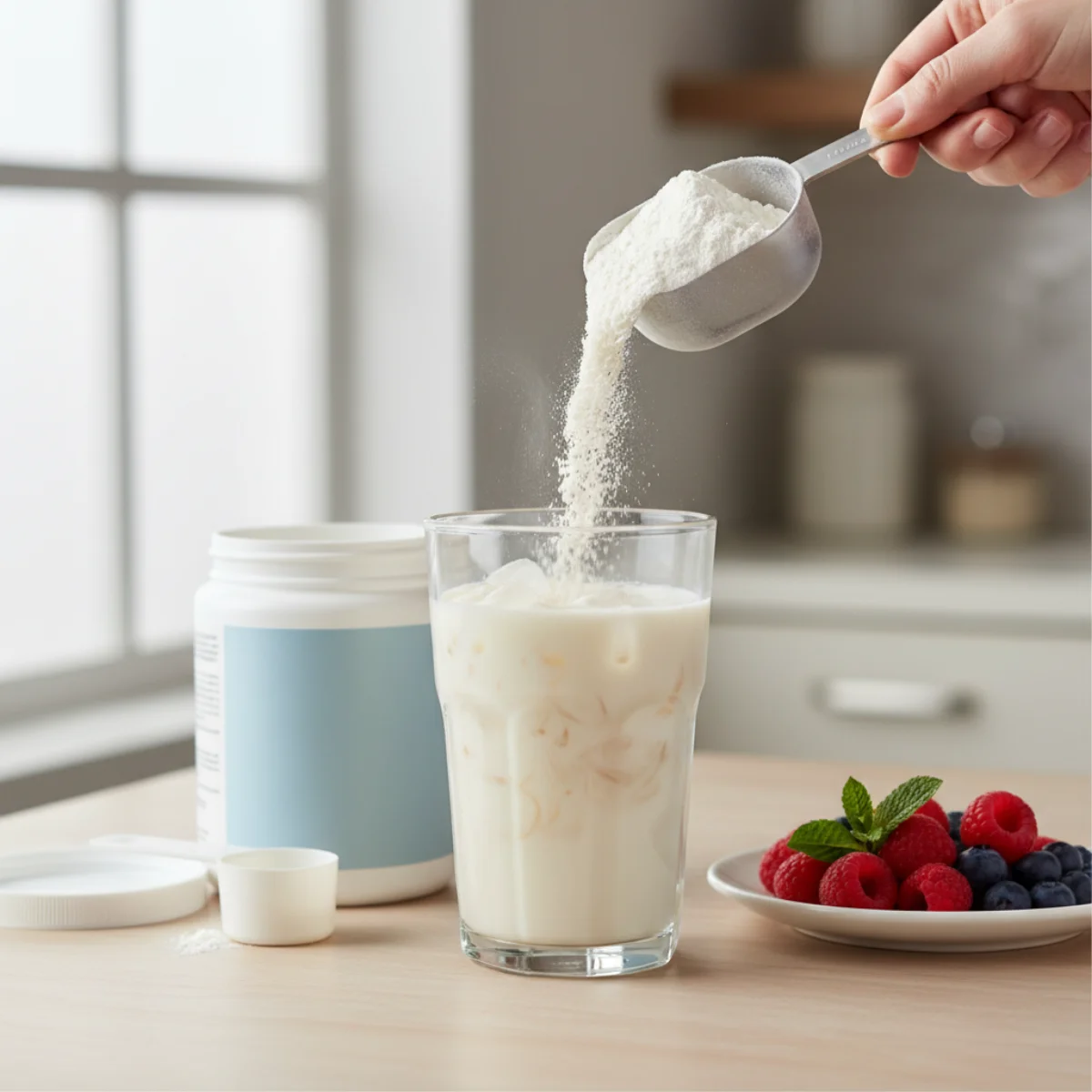
Finding the best whey protein powder depends on your fitness goals, dietary preferences, and budget. Whey protein is a complete amino acid source derived from milk during cheese production, and it's among the most researched and effective supplements for supporting muscle growth and recovery. This guide reviews top-performing products across key categories—including isolate vs. concentrate formulas, taste, mixability, and value—to help you select a powder that fits your routine.
Scope and Methodology
We evaluated whey protein powders based on six core criteria: protein content per serving, amino acid profile (especially leucine, which triggers muscle protein synthesis), ingredient quality and transparency, third-party testing status, mixability and taste, and cost per serving. We prioritized products with independent verification through NSF Certified for Sport, Informed Choice, or similar accreditation. We excluded proprietary blends that hide individual ingredient amounts and those with excessive added sugars or artificial sweeteners without clear labeling. Products were assessed across both isolate and concentrate forms to match different dietary needs and budgets.
What Each Form Is and How It Works
Whey Protein Isolate undergoes additional processing to remove most lactose and fat, yielding 90%+ protein by weight. It absorbs rapidly and is well-suited for those with lactose sensitivity or who prioritize lean muscle gain without extra calories. The faster digestion may support muscle protein synthesis more directly post-workout, though the practical advantage over concentrate is modest when total daily protein intake is adequate.
Whey Protein Concentrate contains 70–80% protein and retains more micronutrients (vitamins, minerals, immunoglobulins) because it undergoes less processing. It's typically more affordable and has a creamier taste, but contains more lactose and fat. For most lifters, especially those without dairy sensitivity, concentrate delivers excellent results at lower cost.
Whey Protein Hydrolysate is whey that has been partially broken down into smaller peptides. This form absorbs very quickly and may cause less bloating, but it tastes more bitter and is the most expensive. It's useful for those with severe digestive sensitivity, though evidence that hydrolysate outperforms isolate for muscle gain is limited.
Evidence by Outcome
Whey protein is well-established for supporting muscle protein synthesis when combined with resistance training. Meta-analyses show that protein supplementation increases lean mass gains when total daily intake reaches 1.6–2.2 grams per kilogram of body weight. Whey's rapid absorption and high leucine content (about 11% by weight) make it particularly effective at triggering mTOR signaling, the cellular pathway linked to muscle growth.
For body composition, whey protein may modestly support fat loss when used in a calorie-controlled diet. Studies suggest protein increases satiety and thermogenesis (calories burned during digestion), helping reduce overall intake. However, whey is not a fat-loss supplement by itself—it only works within the context of appropriate calories and training.
Evidence for recovery and soreness reduction is mixed. Some small trials report whey reduces muscle soreness 24–48 hours post-exercise, while others show no benefit beyond adequate protein intake. The timing of protein consumption (whether immediately post-workout or within several hours) matters far less than total daily intake for muscle gain.
Bioavailability, Absorption Rate, and Dose Form
Whey isolate reaches peak amino acid concentration in blood within 30–60 minutes, while concentrate takes slightly longer due to fat and lactose content. In practical terms, both support muscle protein synthesis effectively when consumed around your training session. Mixing with carbohydrates and a small amount of fat (e.g., in a smoothie with fruit and nut butter) slows absorption slightly, which some evidence suggests may sustain amino acid delivery longer.
Protein powder form (powder mixed with liquid vs. ready-to-drink shakes) affects convenience but not efficacy. Powders are more economical and customizable; ready-to-drink shakes offer portability. Micronized or instantized powders mix more readily without clumping.
Safety and Interactions
Whey protein is safe for most people and has no known dangerous interactions with medications or other supplements. Common side effects are mild and digestive: bloating, gas, or loose stools, particularly with concentrate or hydrolysate forms. These typically resolve with dose reduction or by consuming with food and adequate water.
Those with severe milk allergy should avoid whey entirely. Those with lactose intolerance usually tolerate isolate well but may need to limit concentrate. Third-party testing ensures the product is free from banned substances (relevant for competitive athletes) and contains the claimed amount of protein. Look for seals from NSF Certified for Sport, Informed Choice, or BSCG.
Who Should Pick Which
Choose Isolate if: You are lactose intolerant, tracking macros closely for fat loss, or competing in sports with strict supplement rules. Isolate's higher protein percentage and lower lactose make it ideal for these scenarios, even though it costs more.
Choose Concentrate if: You want the best value and have no lactose sensitivity. Concentrate delivers adequate protein and micronutrients at 30–50% lower cost, making it practical for daily, long-term use.
Choose Hydrolysate if: You have severe digestive upset with other forms or prefer the fastest possible absorption. Expect a more bitter taste and higher price in exchange for easier digestion.
Practical Buying Notes
When selecting a whey protein powder, prioritize products with a short ingredient list. Avoid those with more than 2–3 grams of sugar per serving (unless it's a mass-gainer formula) and check the amino acid profile on the nutrition label for leucine content around 2–3 grams per serving. Cost per gram of protein is a useful metric: quality powders typically range from $0.80 to $1.50 per gram.
Flavor and mixability are underrated factors that directly affect adherence. Read reviews or try a single-serving packet before committing to a large container. Unflavored or vanilla options blend more easily into savory dishes, smoothies, and baked goods. Chocolate and strawberry flavors are more forgiving but less versatile.
Store powder in a cool, dry place and use within 6–12 months of opening. Whey protein is shelf-stable due to its low moisture content, but exposed powder can absorb humidity and clump. Buying in bulk reduces cost, but only if you will use it regularly; unused powder past its shelf life is wasteful.
How We Chose
Our picks balance protein quality, taste, mixability, third-party certification, and value. We prioritized products backed by transparent labeling, independent testing, and genuine user feedback. Each recommendation includes both a top isolate and a top concentrate option to suit different budgets and digestive needs. We excluded brands with inconsistent quality, inflated marketing claims, or poor ingredient sourcing. The best whey protein is one you'll use consistently; your choice should align with your budget, dietary restrictions, and fitness goals rather than hype alone.