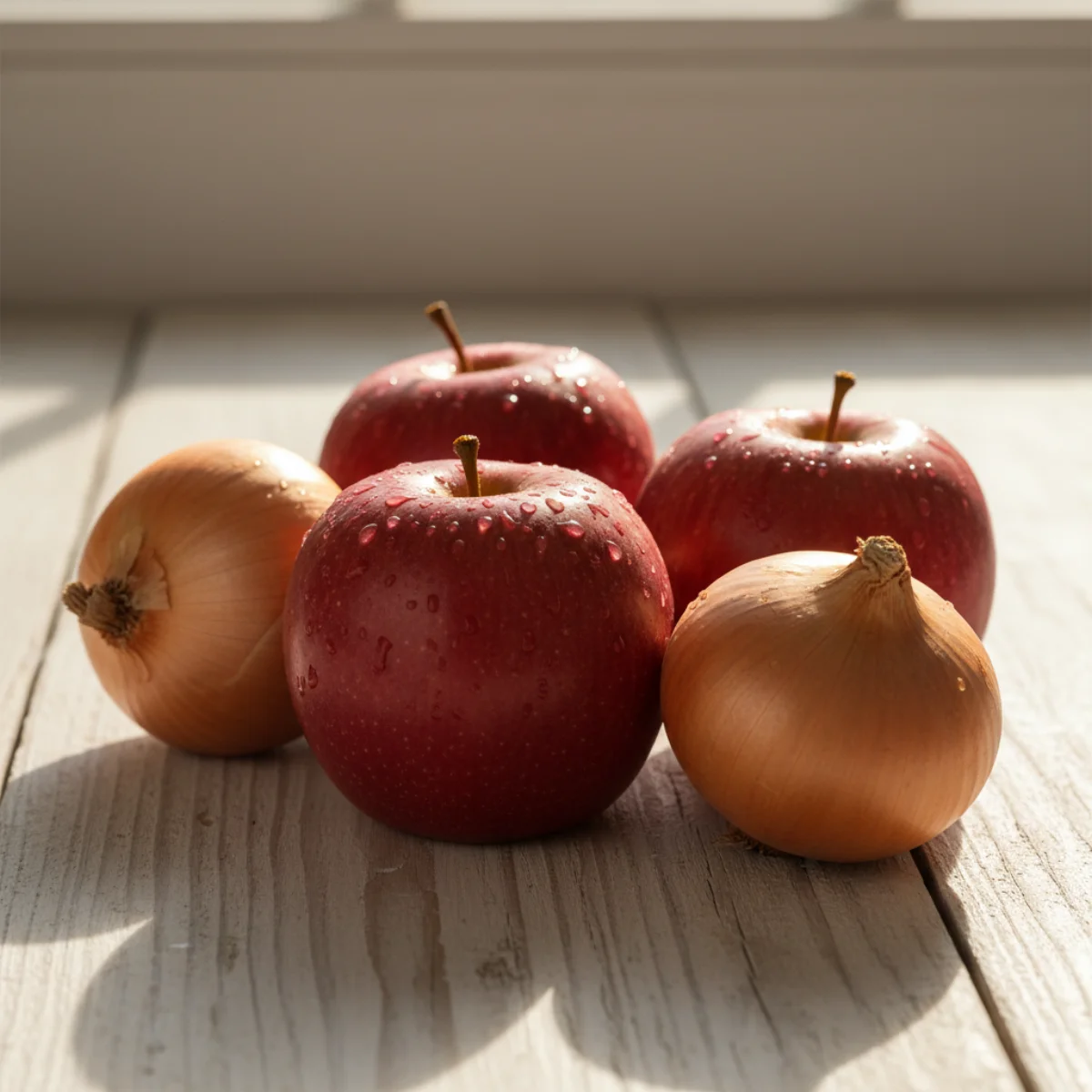
Quercetin is a plant-derived flavonoid found in apples, onions, and berries that is studied for its antioxidant and anti-inflammatory properties. If you're shopping for a quercetin supplement, you'll encounter dozens of brands and formulations—some are well-researched and bioavailable, while others use outdated delivery methods that your body absorbs poorly. This guide reviews the best quercetin supplements available, focusing on bioavailability, ingredient quality, and evidence-backed dosing to help you choose one that actually works.
Scope and Methodology
We evaluated quercetin supplements based on four key criteria:
- Bioavailability and form: Quercetin phytosome, liposomal, and other enhanced-absorption formats score higher than plain quercetin dihydrate, which has limited natural absorption.
- Dose range: We prioritized products delivering 500–1,000 mg per serving, the range most commonly used in clinical studies.
- Third-party testing: Supplements verified by NSF, USP, or ConsumerLab demonstrate purity and label accuracy.
- Ingredient synergy: Products pairing quercetin with vitamin C, bromelain, or other complementary compounds received consideration for enhanced bioavailability.
We excluded supplements making unsubstantiated disease claims, those with artificial additives, and brands lacking transparent sourcing information. The picks below represent products available through major retailers and have consistent positive user reports paired with reasonable pricing.
What Quercetin Is and How It Works
Quercetin is a polyphenolic flavonoid—essentially a plant pigment with potent antioxidant activity. It exists naturally in apple skins, red onions, green tea, and red grapes, but food amounts are typically too small to create the effects studied in supplementation. Once ingested, quercetin undergoes gut metabolism and may be converted to metabolites that circulate through the bloodstream. Its primary mechanisms include:
- Free-radical scavenging: Quercetin donates electrons to stabilize reactive oxygen species (ROS), reducing oxidative stress in cells.
- Enzyme modulation: It inhibits certain inflammatory enzymes (like phosphodiesterase), potentially reducing inflammation markers.
- Mast cell stabilization: Quercetin may help prevent release of histamine and inflammatory mediators from immune cells, which is why it's often studied in allergy and respiratory contexts.
However, plain quercetin—the form found in most budget supplements—has poor bioavailability. Only 1–2% of ingested quercetin is typically absorbed as the parent compound. This is why modern supplements use enhanced delivery systems.
Evidence by Outcome
Quercetin has been investigated for multiple health endpoints, though evidence quality varies:
Antioxidant and oxidative stress: Laboratory and animal studies consistently show quercetin reduces oxidative markers. In humans, small trials suggest it may reduce lipid peroxidation and improve antioxidant enzyme activity, but robust long-term data are limited.
Immune function: Some preliminary research indicates quercetin may support immune resilience, particularly when combined with vitamin C. A small study suggested supplementation before and after intense exercise reduced upper-respiratory-tract symptoms, though the effect size was modest.
Cardiovascular markers: A few trials report quercetin may help with blood pressure and LDL oxidation. Evidence is preliminary and inconsistent; it should not replace established cardiovascular medications.
Respiratory and allergy support: Quercetin is marketed for seasonal allergy relief due to its mast-cell-stabilizing properties. Evidence is mixed—some trials show modest benefit, while others show none. It appears more effective when started weeks before allergy season rather than used acutely.
In all cases, benefits are modest and most evident at adequate dosing with enhanced bioavailability formulations. Quercetin's clinical profile remains under investigation, and no claims for disease prevention or treatment are substantiated.
Bioavailability and Dose Form
This is the most critical factor in choosing a quercetin supplement. Standard quercetin (quercetin dihydrate) has extremely poor absorption. To overcome this, manufacturers use several delivery strategies:
Quercetin phytosome: Quercetin bound to phospholipids (lecithin) in a proprietary complex increases absorption roughly 10-fold compared to standard quercetin. This is often branded as Quercetin Phytosome (with trademark) and is the most evidence-backed enhanced form.
Liposomal quercetin: Encapsulation in lipid spheres mimics how the body naturally transports fats and can improve bioavailability, though study data are fewer than for phytosome.
Combination with vitamin C: Vitamin C not only acts synergistically as an antioxidant but also enhances quercetin stability and absorption. Products pairing them at a 1:1 or 2:1 ratio (C to quercetin) are common and sensible.
Bromelain or digestive enzyme combinations: Some formulations add bromelain (pineapple protease) to aid absorption, though evidence for this benefit is indirect.
For dosing, most human trials used 500–1,000 mg of quercetin daily. Lower doses (300 mg) appear less effective, and doses above 1,000 mg per day rarely show proportionally greater benefits in published studies. Taking quercetin with a fat-containing meal also improves absorption.
Safety and Interactions
Quercetin is generally recognized as safe in food amounts and supplemental doses. Adverse effects in trials are rare and mild (occasional gastrointestinal upset, headache). However, several interactions warrant attention:
Blood thinners: Quercetin has mild anticoagulant properties. Concurrent use with warfarin, apixaban, or other anticoagulants may potentiate bleeding risk, though the effect is usually minor. Consult your doctor before combining.
Antibiotics: Quercetin may inhibit certain bacterial resistance mechanisms; concurrent use with fluoroquinolone antibiotics (e.g., ciprofloxacin) could theoretically enhance antibiotic action, but clinical relevance is unclear.
Immunosuppressants: Because quercetin may modulate immune function, combining it with immunosuppressive drugs should be discussed with a healthcare provider.
P-glycoprotein substrates: Quercetin is a weak inhibitor of the drug-efflux transporter P-gp, potentially altering absorption of certain medications (digoxin, some antiretrovirals). Separation of dosing times may mitigate this.
Pregnant and nursing individuals should consult a clinician before using quercetin supplements in therapeutic doses, as safety data are limited.
Who Should Pick Which
For immune and antioxidant support: Choose a phytosome or liposomal quercetin at 500–750 mg daily, paired with vitamin C. Brands using NSF or USP certification offer assurance of purity.
For seasonal allergy relief: Start a quercetin supplement 4–6 weeks before allergy season begins. Combining quercetin with bromelain and vitamin C may offer modest additional benefit. Dose 500–1,000 mg daily in divided doses.
For budget-conscious shoppers: Standard quercetin is inexpensive but poorly absorbed. If you opt for it, take a larger dose (800–1,000 mg) with meals and vitamin C, and be aware benefits may be limited.
For those on multiple medications: Start with a lower dose (300–500 mg) of an enhanced-bioavailability form, and inform your doctor. The interaction risk is usually modest, but caution is warranted.
For athletes or those with high oxidative stress: A phytosome product at 500–1,000 mg daily, begun weeks before intense training or events, is most likely to help. Pair with sufficient vitamin C.
How We Chose
We prioritized products that meet these standards:
- Form and absorption: We weighted phytosome and liposomal products heavily, as they have the clearest absorption advantages.
- Dose accuracy: We confirmed label claims through third-party certifications and verified that serving sizes fall in the evidence-supported 500–1,000 mg range.
- Purity: We excluded products with artificial colors, excessive flow agents, or undisclosed fillers. NSF, USP, and ConsumerLab certifications were strong positives.
- Complementary ingredients: Products including vitamin C, bromelain, or black pepper extract (piperine, which may boost absorption) earned consideration.
- Availability and value: We favored products available through major U.S. retailers and priced reasonably for the quality offered (typically $0.10–$0.20 per mg of bioavailable quercetin).
- Practical user experience: We reviewed independent user ratings for side effects, taste (if applicable), and consistency. Products with numerous complaints were excluded.
We did not accept manufacturer sponsorship or discounts, and we excluded any brand making unsubstantiated disease claims. This list reflects our honest assessment of the products most likely to deliver on their promise of a high-quality, absorbable quercetin supplement.
Final Considerations
Choosing the best quercetin supplement ultimately depends on your specific goal—immune support, allergy relief, or general antioxidant wellness—and your medication regimen. Start with a phytosome or liposomal form at 500–750 mg daily with vitamin C for optimal synergy and absorption. Monitor your response for 4–8 weeks before deciding if it's working for you. If you have underlying health conditions or take prescription medications, especially blood thinners or immunosuppressants, consult your healthcare provider before beginning quercetin supplementation.