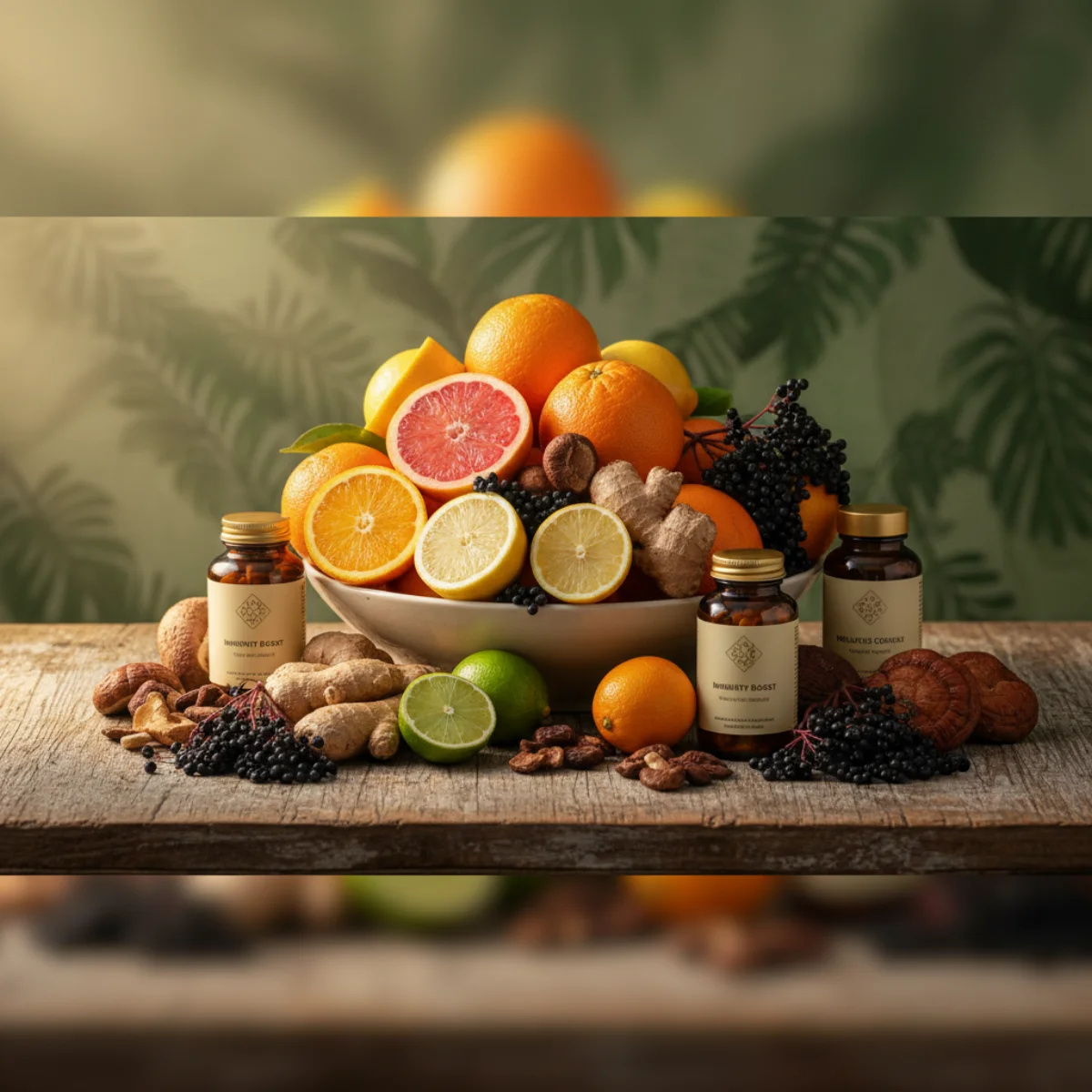
Navigating the vast landscape of immune support supplements can be daunting, with countless products promising to fortify your body's defenses. The 'best' immune support supplement isn't a one-size-fits-all answer; rather, it depends on individual needs, existing deficiencies, lifestyle factors, and specific health goals. This comprehensive guide will delve into the most evidence-backed supplements, explaining their mechanisms, optimal dosages, safety profiles, and who stands to benefit most, empowering you to make informed decisions for your immune health. One thing is worth saying up front: no supplement has been shown to "boost" a healthy immune system beyond its normal capacity, and the benefits measured in clinical trials are generally modest — typically a somewhat shorter or milder illness, or correction of a deficiency, rather than prevention of disease.
Understanding Immune Support Supplements: Our Methodology
Our immune system is a complex network of cells, tissues, and organs that work together to protect the body from pathogens and harmful substances. Immune support supplements are designed to enhance or modulate various aspects of this system. When evaluating the best immune support supplements, we prioritize several key criteria:
- Scientific Evidence: We focus on supplements with robust human clinical trials demonstrating efficacy, not just anecdotal claims or in vitro studies.
- Mechanism of Action: Understanding how a supplement interacts with the immune system provides insight into its potential benefits.
- Safety Profile: We consider potential side effects, contraindications, and interactions with medications.
- Bioavailability and Form: The body's ability to absorb and utilize a supplement is crucial for its effectiveness.
- Common Deficiencies: Addressing widespread nutritional gaps that impact immunity is often a primary goal.
- Quality and Purity: Emphasizing the importance of third-party testing and reputable manufacturers.
This article aims to cut through the marketing noise and provide an evidence-led perspective on what truly works to support your immune system. For a curated selection of high-quality options, you can explore our immune support supplement products.
Vitamin D: The Sunshine Vitamin for Immunity
Vitamin D, often called the 'sunshine vitamin,' is far more than just a nutrient for bone health. It plays a critical, multifaceted role in immune system regulation and function. Receptors for Vitamin D are found on almost all immune cells, including T cells, B cells, and antigen-presenting cells, indicating its widespread influence.
Mechanism of Action
Vitamin D acts as an immunomodulator, meaning it helps to balance the immune response. It can enhance the innate immune system's ability to fight off pathogens by stimulating the production of antimicrobial peptides like cathelicidin. Simultaneously, it can suppress excessive inflammatory responses, which are often detrimental during infections or autoimmune conditions. It influences the differentiation and proliferation of T cells and B cells, crucial components of adaptive immunity, and helps to maintain immune tolerance.
Evidence for Immune Support
Numerous observational studies have linked Vitamin D deficiency to an increased risk of infections, particularly respiratory tract infections like the common cold and flu. A meta-analysis of individual participant data from 25 randomized controlled trials (Martineau 2017, BMJ) found that Vitamin D supplementation modestly reduced the risk of acute respiratory tract infection, with the clearest benefit in people who were markedly deficient at baseline. The benefits appeared more pronounced with daily or weekly dosing rather than large bolus doses. Vitamin D will not prevent every infection, but correcting a documented deficiency is one of the better-supported steps you can take for immune health.
Optimal Dose and Form
The most bioavailable form of Vitamin D is D3 (cholecalciferol). Recommended daily allowances vary, but many experts suggest that 1,000-4,000 IU (25-100 mcg) per day is appropriate for most adults to maintain optimal blood levels (25-hydroxyvitamin D levels between 30-60 ng/mL). Higher doses may be prescribed by a healthcare professional for individuals with significant deficiency. It's advisable to get your Vitamin D levels tested periodically to determine your specific needs.
Safety and Considerations
Vitamin D is generally safe at recommended doses. Toxicity is rare but can occur with extremely high, prolonged intake (typically above 10,000 IU/day for extended periods), leading to hypercalcemia (high blood calcium levels). Symptoms of toxicity include nausea, vomiting, weakness, and frequent urination. Vitamin D can interact with certain medications, such as corticosteroids, weight-loss drugs, and some diuretics. Always consult a healthcare provider before starting high-dose supplementation, especially if you have underlying health conditions.
Who Should Consider It
Most individuals can benefit from Vitamin D supplementation, particularly those with limited sun exposure (due to geography, lifestyle, or skin tone), older adults, and individuals with conditions that impair fat absorption. Given the high prevalence of Vitamin D deficiency globally, it's often considered a cornerstone of immune support.
Zinc: A Crucial Mineral for Immune Function
Zinc is an essential trace mineral that plays a vital role in over 300 enzymatic reactions in the body, and it plays an important role in immune function. It is needed for the development and function of immune cells, including neutrophils, natural killer cells, T-lymphocytes, and B-lymphocytes.
Mechanism of Action
Zinc contributes to immune defense by influencing the integrity of the skin and mucous membranes, which form the body's first line of defense. It is crucial for the normal development and function of immune cells, particularly T-cells, which are central to adaptive immunity. Zinc also acts as an antioxidant, helping to protect immune cells from oxidative stress. Furthermore, it has direct antiviral properties, particularly against rhinoviruses (common cold viruses), by inhibiting their replication and attachment to cells.
Evidence for Immune Support
Zinc has been studied mainly for shortening the common cold when started within about 24 hours of symptom onset. A meta-analysis of zinc lozenge trials (Hemilä 2017, JRSM Open) found that adequately dosed zinc acetate and zinc gluconate lozenges shortened colds by roughly a third, and an individual patient data meta-analysis of zinc acetate lozenge trials (Hemilä 2016, British Journal of Clinical Pharmacology) found faster recovery across age groups and symptom-severity levels. That said, trial quality varies, a 2013 Cochrane review on zinc for the common cold was later withdrawn, and zinc has not been shown to prevent colds in people with normal zinc status — the realistic expectation is a somewhat shorter cold, not immunity to infection. Correcting a genuine zinc deficiency, which demonstrably impairs immune function, is a separate and better-established benefit.
Optimal Dose and Form
For general immune support, the recommended daily intake for adults is 8-11 mg. For acute cold symptoms, higher doses (e.g., 15-30 mg elemental zinc every 2-3 hours, not exceeding 75 mg/day) are often used, typically in lozenge form to allow direct contact with the throat mucosa. Common forms include zinc gluconate, zinc acetate, and zinc picolinate, all of which are generally well-absorbed. Zinc lozenges should be allowed to dissolve slowly in the mouth rather than swallowed whole.
Safety and Considerations
The tolerable upper intake level for zinc in adults is 40 mg/day. Exceeding this limit for prolonged periods can lead to adverse effects, including nausea, vomiting, diarrhea, abdominal cramps, and a metallic taste in the mouth. Chronic high-dose zinc intake can also interfere with copper absorption, leading to copper deficiency, which can manifest as anemia and neurological problems. Zinc can interact with certain antibiotics (quinolones and tetracyclines) and diuretics. It's best to take zinc supplements at a different time of day from these medications.
Who Should Consider It
Individuals with inadequate dietary zinc intake (vegetarians, vegans, those with malabsorption issues), older adults, and those experiencing frequent common colds may benefit from zinc supplementation. It's particularly useful during the initial stages of a cold to potentially reduce symptom duration.
Vitamin C: The Classic Antioxidant, With Modest Cold Benefits
Vitamin C, or ascorbic acid, is a water-soluble vitamin renowned for its antioxidant properties and its indispensable role in immune function. Humans cannot synthesize Vitamin C, making dietary intake or supplementation essential.
Mechanism of Action
Vitamin C is a powerful antioxidant that protects immune cells from damage caused by free radicals generated during immune responses. It supports various cellular functions of both the innate and adaptive immune systems. It enhances the production and function of phagocytes (cells that engulf pathogens) and lymphocytes (T-cells and B-cells). Vitamin C is also crucial for collagen synthesis, maintaining the integrity of epithelial barriers (skin and mucous membranes) that serve as the first line of defense against pathogens.
Evidence for Immune Support
While often touted as a cold preventative, a Cochrane review of placebo-controlled trials (Hemilä 2013, Cochrane Database of Systematic Reviews) found that regular Vitamin C supplementation does not reduce the incidence of colds in the general population. It did modestly shorten colds — by about 8% in adults and 14% in children — and somewhat reduced symptom severity. In the subset of trials involving people under extreme physical stress, such as marathon runners and soldiers in subarctic conditions, regular Vitamin C halved the incidence of colds. Starting Vitamin C only after symptoms appear has not shown a consistent benefit. Vitamin C also plays an established role in wound healing.
Optimal Dose and Form
The recommended daily allowance for Vitamin C is 75-90 mg for adults, but many immune support protocols suggest higher doses. For general immune health, 500-1000 mg per day is commonly used. During acute illness, doses of 1000-3000 mg per day, divided into several smaller doses, may be taken. Ascorbic acid is the most common and well-studied form. Liposomal Vitamin C is marketed for enhanced absorption, though the clinical significance over standard ascorbic acid is still being fully elucidated.
Safety and Considerations
Vitamin C is generally very safe, even at higher doses, due to its water-soluble nature (excess is excreted). The most common side effect of high doses (above 2000 mg/day) is gastrointestinal upset, including diarrhea and nausea. In individuals prone to kidney stones, very high doses might increase risk, though this is rare. Vitamin C can also affect blood glucose readings and iron absorption (beneficially for non-heme iron, but potentially problematic for those with hemochromatosis).
Who Should Consider It
Individuals with low dietary intake of fruits and vegetables, smokers, and those under significant physical stress may benefit most. It's a popular choice for general immune maintenance and for reducing the duration of common cold symptoms.
Elderberry: A Traditional Botanical for Respiratory Health
Elderberry (Sambucus nigra) has a long history of traditional use for supporting health, particularly during cold and flu season. Its berries and flowers are rich in anthocyanins, flavonoids, and other beneficial compounds.
Mechanism of Action
Elderberry is believed to exert its immune-supporting effects through several mechanisms. Its high concentration of antioxidants, particularly anthocyanins, helps to reduce oxidative stress and inflammation. It has demonstrated antiviral properties in vitro, showing an ability to inhibit viral replication and prevent viruses from attaching to host cells. Some research also suggests it may modulate the immune system by promoting the production of cytokines, which are signaling molecules that regulate immune responses.
Evidence for Immune Support
Human evidence for elderberry is mixed and comes mostly from small trials. A meta-analysis of four randomized controlled trials (Hawkins 2019, Complementary Therapies in Medicine) found that elderberry supplementation reduced upper respiratory symptoms, and a small randomized trial in 60 influenza patients (Zakay-Rones 2004, Journal of International Medical Research) reported symptom relief about four days earlier with elderberry syrup than with placebo. However, a larger, more recent randomized, double-blind, placebo-controlled trial in emergency-department influenza patients (Macknin 2020, Journal of General Internal Medicine) found no benefit over placebo. Elderberry may help shorten some respiratory illnesses, but the evidence is inconsistent, and it should not be relied on to prevent or treat influenza.
Optimal Dose and Form
Elderberry is typically consumed as an extract, syrup, or in gummy form. Dosing varies significantly between products due to different concentrations of active compounds. For acute use during cold/flu, common doses range from 15 mL of syrup (standardized extract) four times a day, or capsules providing 300-600 mg of extract daily, often taken for 3-5 days. For daily immune support, lower doses are typically recommended. Always follow the specific dosing instructions on the product label.
Safety and Considerations
Processed elderberry extracts are generally considered safe for short-term use. However, raw or unripe elderberries, as well as the leaves, bark, and roots, contain cyanogenic glycosides, which can cause nausea, vomiting, and diarrhea. Therefore, it is crucial to only consume commercially prepared elderberry products. Elderberry may interact with immunosuppressant medications due to its potential immune-stimulating effects. Pregnant or breastfeeding women and individuals with autoimmune conditions should consult a healthcare professional before using elderberry.
Who Should Consider It
Elderberry is a popular choice for individuals looking for natural support during cold and flu season, particularly those seeking to reduce the duration and severity of symptoms. It is often favored by those who prefer botanical remedies.
Adaptogens (e.g., Ashwagandha, Reishi): Stress and Immune Resilience
Adaptogens are a class of herbs and mushrooms that help the body adapt to stress, promoting balance and resilience. Chronic stress is a known suppressor of immune function, making adaptogens valuable for indirect immune support.
Mechanism of Action
Adaptogens work by modulating the body's stress response system, primarily the hypothalamic-pituitary-adrenal (HPA) axis. They help to normalize physiological functions and maintain homeostasis under stressful conditions. By reducing the physiological burden of stress, adaptogens can indirectly support immune function. For instance, chronic stress can lead to elevated cortisol levels, which can suppress certain immune responses. Adaptogens like Ashwagandha can help to lower cortisol, thereby potentially preserving immune competence. Others, like Reishi mushroom, contain polysaccharides and triterpenes that directly interact with immune cells, modulating their activity.
Evidence for Immune Support
Ashwagandha (Withania somnifera): Ashwagandha is primarily known for its stress-reducing effects. A randomized, double-blind, placebo-controlled trial (Chandrasekhar 2012, Indian Journal of Psychological Medicine) found that a high-concentration ashwagandha root extract significantly reduced perceived stress and serum cortisol in chronically stressed adults. Because chronic stress can suppress immune function, stress reduction is the most plausible route to an immune benefit — but whether ashwagandha actually leads to fewer or shorter infections has not been demonstrated, and small studies suggesting effects on immune-cell markers remain preliminary.
Reishi Mushroom (Ganoderma lucidum): Reishi is a medicinal mushroom widely used in traditional Asian medicine. It contains beta-glucans and triterpenes, which are potent immune modulators. Laboratory and animal research suggests Reishi compounds can influence the activity of various immune cells, including macrophages, T-cells, and natural killer cells. However, most of this evidence comes from in vitro studies, animal models, or small human trials; there is currently no strong clinical evidence that Reishi prevents or shortens infections in otherwise healthy people. It is best viewed as a traditional remedy with interesting but unproven immune effects.
Optimal Dose and Form
Ashwagandha: Standardized extracts, often containing 2.5-5% withanolides, are commonly used. Doses typically range from 300-600 mg per day, taken with food. It's often taken for several weeks or months to experience full benefits.
Reishi: Extracts are usually standardized for polysaccharides (e.g., beta-glucans). Doses can range from 1-5 grams of dried mushroom powder or 500-1000 mg of extract daily. It's often taken long-term for general wellness and immune support.
Safety and Considerations
Adaptogens are generally well-tolerated. However, they can interact with certain medications. Ashwagandha may potentiate the effects of sedatives and thyroid hormones. Reishi may have anticoagulant properties and could interact with blood-thinning medications. Pregnant or breastfeeding women, individuals with autoimmune conditions, or those on immunosuppressants should consult a healthcare provider before using adaptogens. As with all supplements, sourcing from reputable brands that provide third-party testing is crucial to ensure purity and potency.
Who Should Consider It
Individuals experiencing chronic stress, those looking for holistic support for overall well-being, and those interested in balancing their immune system rather than just boosting it may find adaptogens beneficial. They are particularly suited for long-term, foundational immune resilience.
How to Choose the Best Immune Support Supplement for You
Selecting the ideal immune support supplement involves a personalized approach, considering your unique health profile and lifestyle. Here’s how to make an informed choice:
- Assess Your Needs: Are you looking for daily maintenance, acute support during illness, or help managing stress-related immune suppression? Identify any known deficiencies (e.g., Vitamin D, Zinc) through blood tests if possible.
- Consider Your Diet: If your diet is rich in fruits, vegetables, and whole foods, you might need less supplementation. If you have dietary restrictions (e.g., veganism) or a consistently poor diet, certain nutrient supplements become more critical.
- Lifestyle Factors: High stress levels, lack of sleep, and insufficient exercise can all compromise immunity. While supplements can help, they are not a substitute for a healthy lifestyle.
- Consult a Healthcare Professional: This is perhaps the most crucial step. A doctor, registered dietitian, or functional medicine practitioner can help identify specific deficiencies, assess potential interactions with medications you are taking, and recommend a tailored regimen. They can also help you understand if your symptoms warrant medical attention rather than just supplementation.
- Prioritize Quality and Transparency: Always choose supplements from reputable brands that provide third-party testing for purity, potency, and absence of contaminants. Look for certifications like NSF, USP, or ConsumerLab. This ensures you are getting what the label claims and that the product is free from harmful additives. For reliable options, consider exploring our range of immune support supplements.
- Start Simple: You don't need to take every immune supplement available. Often, addressing foundational deficiencies like Vitamin D and Zinc, alongside a healthy lifestyle, yields the most significant benefits.
- Listen to Your Body: Pay attention to how you feel after starting a new supplement. If you experience adverse effects, discontinue use and consult a professional.
Remember, supplements are meant to complement, not replace, a healthy diet and lifestyle. They are tools to optimize your immune system, not a magic bullet against illness.
Important Considerations and When to Consult a Professional
While immune support supplements can be valuable tools, it's vital to approach them with a balanced perspective and understand their limitations. They are not a substitute for a healthy lifestyle, nor can they cure or prevent serious diseases.
Not a Substitute for Healthy Habits
The foundation of a strong immune system rests on adequate sleep, a nutrient-dense diet, regular physical activity, stress management, and good hygiene. Supplements can enhance these efforts but cannot compensate for chronic deficiencies in these areas.
Potential Interactions and Contraindications
Many supplements, even natural ones, can interact with prescription medications. For example, Vitamin D can interact with corticosteroids, zinc with certain antibiotics, and elderberry or adaptogens with immunosuppressants or blood thinners. Individuals with pre-existing medical conditions, such as autoimmune diseases, kidney disease, or cancer, should exercise extreme caution and always consult their healthcare provider before starting any new supplement regimen. Pregnant and breastfeeding women also need specialized guidance.
Over-Supplementation Risks
More is not always better. Excessive intake of certain vitamins and minerals can lead to toxicity (e.g., Vitamin D, Zinc) or imbalances of other nutrients (e.g., high zinc interfering with copper). Always adhere to recommended dosages and avoid taking multiple supplements that provide the same nutrient in high amounts.
When to Seek Medical Advice
It's crucial to consult a healthcare professional if you:
- Experience persistent or worsening symptoms of illness despite supplement use.
- Have a chronic medical condition or are taking prescription medications.
- Are pregnant, breastfeeding, or planning to become pregnant.
- Suspect a nutrient deficiency or have specific health concerns.
- Experience any adverse reactions or unusual symptoms after taking a supplement.
Your doctor can provide personalized advice, conduct necessary tests, and ensure that any supplements you consider are safe and appropriate for your individual health situation. They can also help differentiate between minor ailments that might benefit from immune support and more serious conditions requiring medical intervention.
Ultimately, the journey to optimal immune health is a continuous one, combining evidence-based supplementation with a holistic approach to well-being. By understanding the science behind these powerful nutrients and botanicals, you can make empowered choices to support your body's natural defenses effectively and safely.