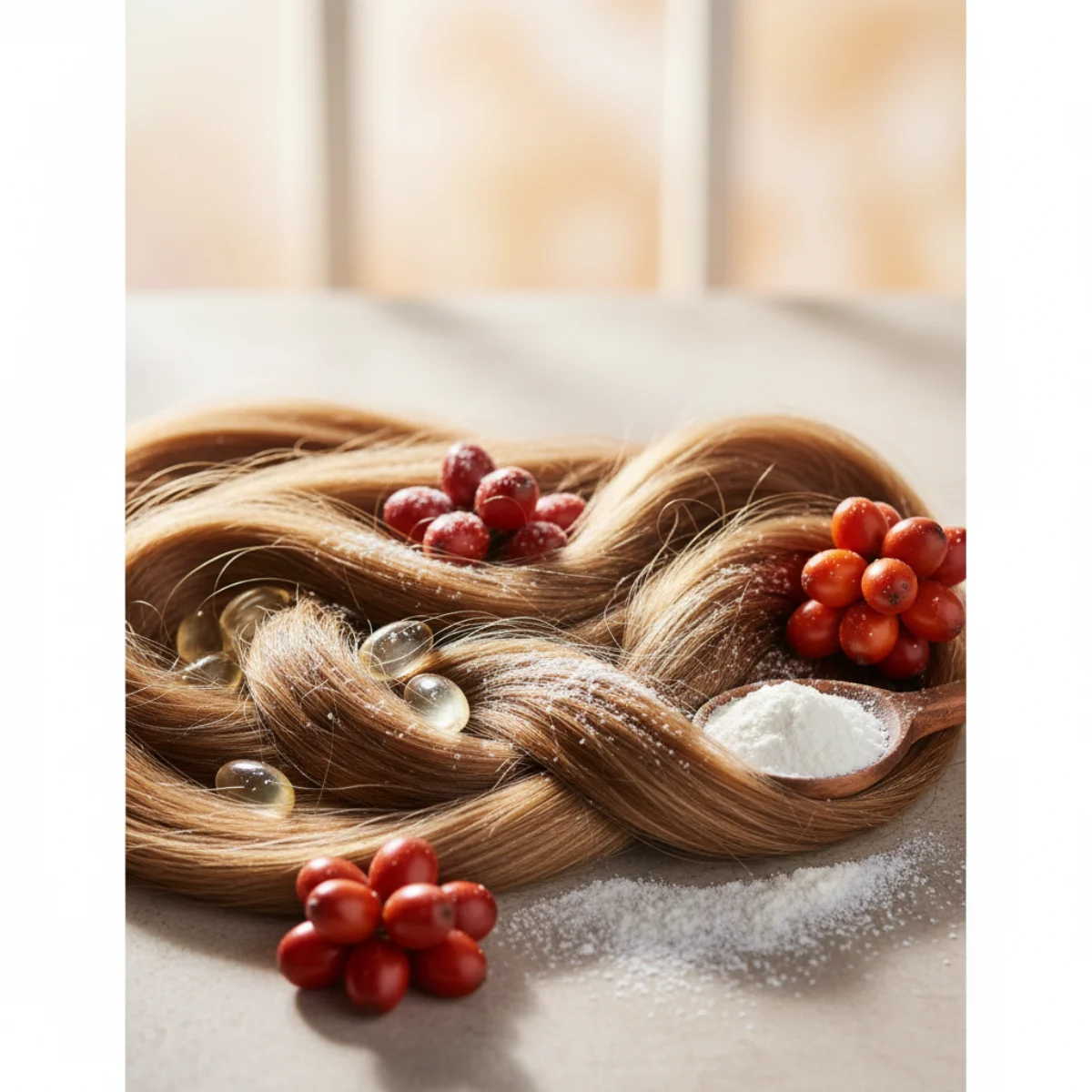
Many individuals seek the best hair growth supplement to address thinning hair, promote healthier strands, or combat hair loss. While a magic bullet doesn't exist, certain ingredients have shown promise in supporting hair follicle health and growth, depending on the underlying cause of your hair concerns. This guide delves into the most evidence-backed supplements, helping you understand their mechanisms, ideal uses, and safety profiles to make an informed decision.
Understanding Hair Loss and Supplementation
Hair loss is a complex issue influenced by a myriad of factors, including genetics, hormonal imbalances, nutritional deficiencies, stress, medical conditions, and even certain medications. Before diving into supplements, it's crucial to understand that effective treatment often requires identifying and addressing the root cause. Supplements are generally most beneficial when they target a specific deficiency or mechanism contributing to hair loss, rather than acting as a universal cure.
Common types of hair loss include androgenetic alopecia (pattern baldness), telogen effluvium (stress-induced shedding), alopecia areata (autoimmune), and hair loss due to nutritional deficiencies. Dietary supplements can play a supportive role, particularly in cases where nutritional gaps or specific physiological pathways are implicated. However, they are not a substitute for medical diagnosis and treatment, especially for severe or rapidly progressing hair loss.
Our Methodology for Selecting Top Hair Growth Supplements
Our selection of the best hair growth supplements is rooted in an evidence-based approach, prioritizing ingredients with scientific backing from human clinical trials, even if preliminary. We consider several key criteria:
- Mechanism of Action: How the ingredient theoretically supports hair growth or reduces hair loss.
- Scientific Evidence: The strength and consistency of research supporting its efficacy, noting when evidence is limited or mixed.
- Safety Profile: General tolerability, potential side effects, and known interactions.
- Dosing and Bioavailability: Practical considerations for effective supplementation.
- Target Audience: Who is most likely to benefit from a particular supplement.
It's important to remember that individual responses to supplements can vary. Always consult with a healthcare professional before starting any new supplement regimen, particularly if you have underlying health conditions or are taking other medications.
Top Picks for Hair Growth Supplements
Biotin (Vitamin B7)
Mechanism: Biotin is a B-vitamin essential for the metabolism of carbohydrates, fats, and amino acids. It plays a crucial role in the production of keratin, the primary protein that makes up hair, skin, and nails. By supporting keratin infrastructure, biotin is often touted for its hair-strengthening properties.
Evidence: While biotin is a popular ingredient in many hair growth formulations, robust human evidence supporting its efficacy for general hair loss in non-deficient individuals is limited. However, for those with a diagnosed biotin deficiency, supplementation can significantly improve hair health and reduce hair loss. Biotin deficiency is rare but can occur in certain genetic conditions, during pregnancy, or with prolonged use of certain medications.
Dose: Typical doses in supplements range from 2.5 mg to 10 mg (2,500-10,000 mcg) daily. For diagnosed deficiency, a clinician may recommend higher doses. It's important to note that very high doses of biotin can interfere with certain lab tests, including those for thyroid function and cardiac biomarkers.
Safety: Biotin is generally considered safe with no known toxicity at high doses. Mild gastrointestinal upset has been reported in rare cases.
Who it Suits: Primarily individuals with a diagnosed biotin deficiency or those looking for general support for hair, skin, and nail health, though direct hair growth benefits for non-deficient individuals are not strongly established.
Marine Collagen Peptides
Mechanism: Collagen is the most abundant protein in the body, providing structural support to tissues, including the skin and hair follicles. Marine collagen, derived from fish, is rich in Type I collagen, which is a major component of the dermis (the middle layer of skin where hair follicles reside). It provides amino acids like proline, glycine, and hydroxyproline, which are building blocks for keratin. Additionally, collagen may act as an antioxidant, protecting hair follicles from damage, and could support the health of the dermal papilla, which is crucial for hair growth.
Evidence: Research on collagen for hair growth is still emerging but promising. Small human trials suggest that collagen supplementation can improve hair thickness, strength, and growth, potentially by supporting the scalp's dermal layer and providing essential nutrients. It may also help reduce hair breakage and improve overall hair appearance. The evidence is preliminary but points to a supportive role in hair health.
Dose: Typical daily doses range from 2.5 grams to 10 grams of hydrolyzed marine collagen peptides. It's often taken mixed into beverages or food.
Safety: Marine collagen is generally well-tolerated. The main concern is potential allergic reactions for individuals with fish allergies. Mild digestive upset can occur in some individuals.
Who it Suits: Individuals looking for overall hair health improvement, especially those experiencing age-related hair thinning or seeking to strengthen existing hair and improve scalp health.
Saw Palmetto (Serenoa repens)
Mechanism: Saw palmetto is a botanical extract that has been studied for its potential to inhibit 5-alpha-reductase, an enzyme that converts testosterone into dihydrotestosterone (DHT). DHT is a potent androgen that can shrink hair follicles in individuals genetically predisposed to androgenetic alopecia (pattern baldness) in both men and women.
Evidence: Several studies, including some human trials, have investigated saw palmetto's role in androgenetic alopecia. While some research suggests it can slow hair loss and promote hair growth, particularly in mild to moderate cases, the evidence is mixed, and more large-scale, high-quality studies are needed to confirm its efficacy consistently. It appears to be more effective for those with early-stage hair loss.
Dose: Common doses range from 160 mg to 320 mg of standardized extract daily, often divided into two doses.
Safety: Saw palmetto is generally well-tolerated, but some individuals may experience mild gastrointestinal upset, headache, or dizziness. Due to its potential hormonal effects, it should be used with caution and under medical supervision, especially by pregnant or breastfeeding women, or individuals on hormone therapy or blood thinners.
Who it Suits: Men and women experiencing androgenetic alopecia (pattern baldness) who are looking for a natural alternative or adjunct therapy to inhibit DHT. It is crucial to consult a doctor before use.
Ashwagandha (Withania somnifera)
Mechanism: Ashwagandha is an adaptogenic herb traditionally used in Ayurvedic medicine to help the body manage stress. While it doesn't directly promote hair growth in the same way as biotin or collagen, chronic stress can lead to a type of hair loss called telogen effluvium, where hair prematurely enters the resting phase and sheds. By modulating the body's stress response and reducing cortisol levels, ashwagandha may indirectly support hair health by mitigating stress-induced hair loss.
Evidence: Research supports ashwagandha's role in reducing stress and anxiety. Studies have shown its ability to lower cortisol levels, which is beneficial for overall health and can indirectly impact hair cycles. While direct studies on ashwagandha specifically for hair growth are limited, its adaptogenic properties make it a relevant consideration for individuals experiencing stress-related hair thinning.
Dose: Typical doses of standardized ashwagandha extract range from 300 mg to 600 mg daily, often taken with meals.
Safety: Ashwagandha is generally safe for most people when taken at recommended doses. Potential side effects include mild drowsiness, stomach upset, and diarrhea. It should be avoided by pregnant or breastfeeding women and individuals with autoimmune diseases or thyroid conditions, unless under medical guidance.
Who it Suits: Individuals whose hair loss or thinning is primarily linked to chronic stress, anxiety, or high cortisol levels.
Vitamin D
Mechanism: Vitamin D plays a crucial role in various physiological processes, including immune function, cell growth, and the hair follicle cycle. Hair follicles contain vitamin D receptors, and vitamin D is believed to be involved in initiating and maintaining the anagen (growth) phase of the hair cycle.
Evidence: A deficiency in vitamin D has been linked to several forms of hair loss, including telogen effluvium and alopecia areata. Studies have shown that individuals with hair loss often have lower vitamin D levels, and supplementation in deficient individuals can improve hair growth and density. For those with adequate vitamin D levels, additional supplementation for hair growth may not provide significant benefits.
Dose: The recommended daily intake varies, but many adults may need 1,000-5,000 IU (25-125 mcg) daily to maintain optimal levels, especially if sun exposure is limited. Blood tests are essential to determine deficiency and appropriate dosing. Over-supplementation can lead to toxicity (hypercalcemia).
Safety: Vitamin D is safe at recommended doses. Excessive intake can lead to hypercalcemia, causing symptoms like nausea, vomiting, weakness, and kidney problems. Always monitor blood levels when supplementing.
Who it Suits: Individuals with diagnosed vitamin D deficiency who are experiencing hair loss. It's critical to get your vitamin D levels checked before supplementing.
Iron
Mechanism: Iron is vital for oxygen transport throughout the body, including to the hair follicles. It's also involved in DNA synthesis and cell division, processes critical for hair growth. Iron deficiency can lead to reduced oxygen supply to the hair follicles, impairing their function and leading to hair shedding.
Evidence: Iron deficiency anemia is a well-established cause of hair loss, particularly in women. Correcting iron deficiency through supplementation can significantly reduce hair shedding and promote regrowth. Even non-anemic iron deficiency (low ferritin levels) has been associated with hair loss, suggesting that optimal iron stores are important for hair health.
Dose: Dosing for iron supplementation must be guided by a healthcare professional based on blood test results (ferritin, hemoglobin, etc.). Typical therapeutic doses can range from 18 mg to 65 mg of elemental iron daily. It's often recommended to take iron with vitamin C to enhance absorption.
Safety: Iron supplements can cause gastrointestinal side effects like constipation, nausea, and stomach upset. Iron overdose can be toxic and even fatal, especially in children. Never supplement with iron without a diagnosed deficiency and medical supervision.
Who it Suits: Individuals with diagnosed iron deficiency or iron deficiency anemia, particularly women with heavy menstrual bleeding or those following vegetarian/vegan diets. Blood tests are mandatory before starting iron supplementation.
Zinc
Mechanism: Zinc is an essential trace mineral involved in numerous enzymatic reactions, protein synthesis, cell division, and immune function. It plays a critical role in hair tissue growth and repair, helps keep the oil glands around the follicles working properly, and may also influence hormone levels, which can impact hair growth.
Evidence: Zinc deficiency is a known cause of hair loss, including alopecia areata and telogen effluvium. Supplementation in individuals with low zinc levels has been shown to improve hair growth and reduce shedding. Similar to iron and vitamin D, the benefits are most pronounced in those with a diagnosed deficiency.
Dose: Typical daily doses for supplementation range from 15 mg to 30 mg of elemental zinc. High doses over extended periods can lead to copper deficiency, as zinc and copper compete for absorption.
Safety: Zinc is generally safe at recommended doses. Side effects can include nausea, vomiting, and stomach cramps. Long-term high-dose supplementation can lead to copper deficiency and impaired immune function. Always adhere to recommended dosages.
Who it Suits: Individuals with diagnosed zinc deficiency. Blood tests are recommended to confirm deficiency before starting supplementation.
How to Choose the Right Hair Growth Supplement for You
Selecting the best hair growth supplement requires a personalized approach:
- Identify the Root Cause: The most effective supplement will target the specific reason for your hair loss. Is it nutritional deficiency, hormonal imbalance, stress, or a combination? A doctor or dermatologist can help with diagnosis.
- Consult a Healthcare Professional: Before starting any new supplement, especially if you have underlying health conditions, are pregnant, breastfeeding, or taking medications, consult your doctor. They can recommend appropriate blood tests and guide your choices.
- Consider Combination Products: Many hair growth supplement products contain a blend of ingredients like biotin, vitamins, minerals, and botanicals. While convenient, ensure the individual doses of active ingredients are effective and that you're not over-supplementing on certain nutrients.
- Patience and Consistency: Hair growth is a slow process. Most supplements require consistent use for at least 3-6 months before noticeable results can be seen. Don't expect overnight miracles.
- Quality Matters: Look for reputable brands that provide transparent ingredient lists, third-party testing for purity and potency, and good manufacturing practices (GMP) certification.
Important Considerations Beyond Supplements
While supplements can be beneficial, they are just one piece of the puzzle for optimal hair health. A holistic approach is often most effective:
- Balanced Diet: Ensure your diet is rich in protein, healthy fats, vitamins (especially B vitamins, C, E), and minerals (iron, zinc, selenium). Whole foods, fruits, vegetables, lean proteins, and healthy fats are crucial.
- Stress Management: Implement stress-reducing techniques like meditation, yoga, regular exercise, or spending time in nature to mitigate stress-related hair loss.
- Gentle Hair Care: Avoid harsh chemical treatments, excessive heat styling, tight hairstyles, and aggressive brushing that can damage hair and follicles.
- Address Medical Conditions: Treat any underlying medical conditions, such as thyroid disorders, autoimmune diseases, or polycystic ovary syndrome (PCOS), as these can significantly impact hair health.
When to Talk to a Clinician
It's important to seek professional medical advice if you experience:
- Sudden or significant hair loss.
- Hair loss accompanied by itching, pain, redness, or scaling of the scalp.
- Hair loss along with other symptoms like fatigue, weight changes, or changes in skin/nails.
- If you are unsure about the cause of your hair loss or which hair growth supplement might be appropriate for you.
A doctor can help diagnose the underlying cause of your hair loss and recommend the most effective and safe course of action, which may include prescription medications, lifestyle changes, or targeted supplementation.