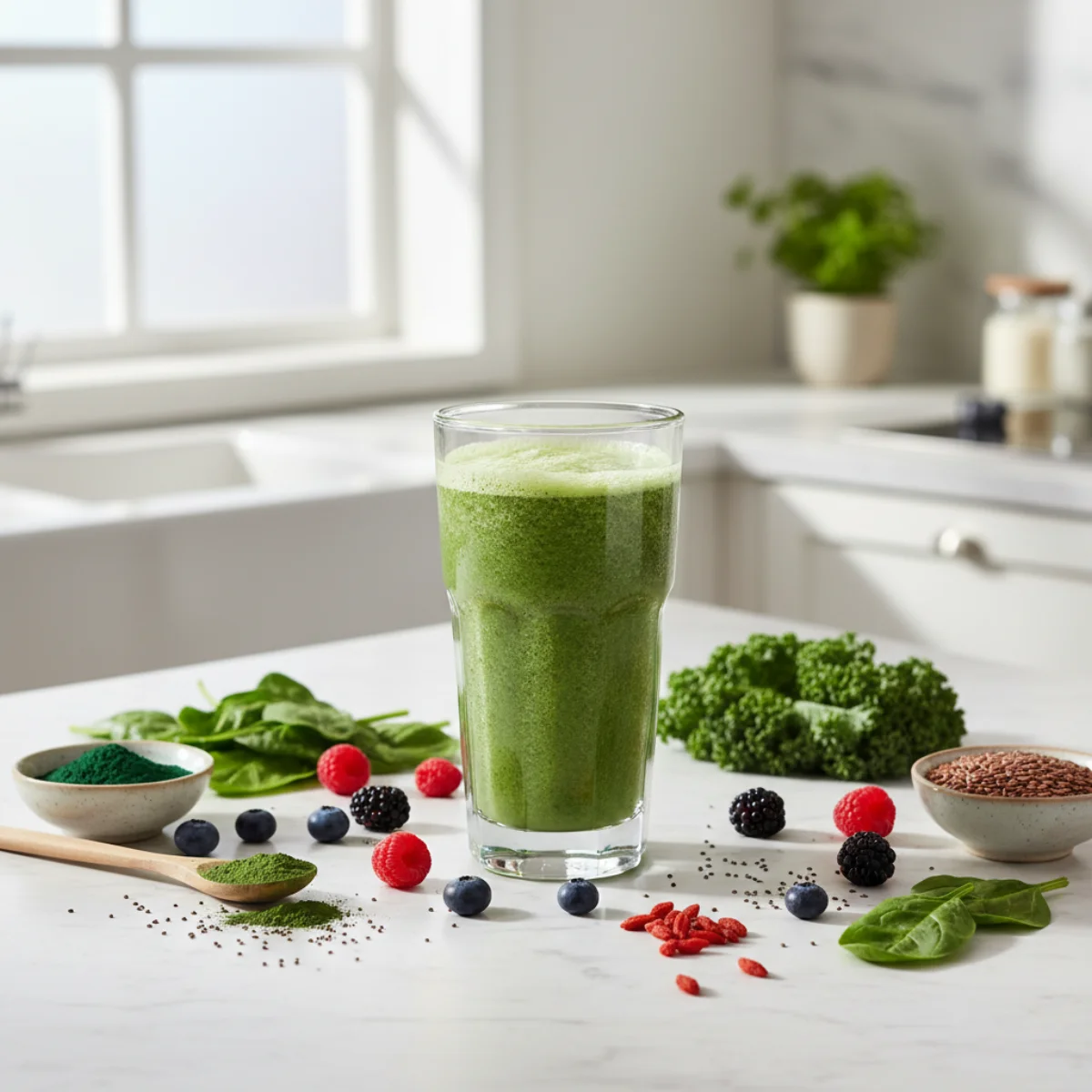
Greens powders have emerged as a popular dietary supplement, offering a convenient way to boost your daily intake of vitamins, minerals, and antioxidants often found in nutrient-dense vegetables and superfoods. For those looking to bridge nutritional gaps or simply enhance their overall wellness, finding the best greens powder can be a game-changer. This comprehensive guide will help you navigate the crowded market, understand what makes a quality product, and choose a greens powder that aligns with your health objectives.
Understanding Greens Powders: What Are They and Why Consider Them?
Greens powders are dietary supplements typically made from a blend of dried and powdered vegetables, fruits, algae, grasses, and other plant-based ingredients. These can include spirulina, chlorella, wheatgrass, barley grass, kale, spinach, broccoli, various berries, digestive enzymes, and probiotics. The primary goal of these supplements is to provide a concentrated dose of nutrients that might be missing from an average diet, offering a convenient way to increase micronutrient intake without consuming large quantities of produce.
Many individuals consider greens powders for several reasons. Firstly, modern diets often fall short of the recommended daily servings of fruits and vegetables, and a greens powder can help fill this nutritional void. Secondly, they are incredibly convenient; a quick scoop mixed into water or a smoothie can deliver a broad spectrum of nutrients in minutes. Thirdly, the diverse array of ingredients often includes compounds like antioxidants, adaptogens, and pre/probiotics, which are studied for their potential to support various aspects of health, from immune function and gut health to energy levels and stress management. While not a substitute for whole foods, they serve as a powerful complement to a balanced diet.
Our Methodology for Selecting the Best Greens Powders
Choosing the best greens powder requires a systematic approach, evaluating products based on stringent criteria to ensure efficacy, safety, and value. Our selection process focuses on several key areas:
- Ingredient Quality and Diversity: We prioritize powders that feature a wide array of organic, non-GMO ingredients, including a strong foundation of leafy greens, grasses, and algae, complemented by antioxidant-rich fruits, adaptogens, and digestive support. The absence of artificial sweeteners, colors, and fillers is also a crucial factor.
- Nutritional Profile: Beyond just the ingredient list, we assess the concentration and bioavailability of key nutrients. Products with transparent labeling that detail the amounts of each ingredient or blend are favored.
- Third-Party Testing and Transparency: Independent third-party testing for purity, potency, and contaminants (such as heavy metals, pesticides, and microbes) is non-negotiable. Brands that openly share their certificates of analysis (COAs) demonstrate a commitment to consumer safety and trust.
- Taste and Mixability: While taste is subjective, a greens powder should be palatable and mix easily into liquids without clumping or leaving a gritty residue. We consider user reviews and product formulations designed for better flavor.
- Brand Reputation and Customer Reviews: Established brands with a history of positive customer feedback and a commitment to quality and ethical sourcing are given preference.
- Value for Money: We evaluate the cost per serving in relation to the ingredient quality, nutritional density, and overall benefits offered, ensuring that the product provides good value without compromising on quality.
Top Picks for the Best Greens Powder
Based on our rigorous methodology, we've identified several top contenders that excel in different categories, catering to various needs and preferences. Remember, the 'best' powder is ultimately the one that best suits your individual health goals and dietary requirements.
Pick 1: The All-Rounder – Comprehensive Daily Nutrition
This category highlights greens powders designed to offer a broad spectrum of nutrients for general wellness and daily support. They typically feature a robust blend of foundational greens, superfoods, and often digestive aids.
Mechanism/Ingredients: These powders often contain a synergistic blend of spirulina, chlorella, wheatgrass, barley grass, kale, spinach, and broccoli. Spirulina and chlorella are nutrient-dense algae rich in protein, B vitamins, and antioxidants. Wheatgrass and barley grass provide chlorophyll, vitamins A, C, and K, and various minerals. The leafy greens contribute fiber, vitamins, and phytonutrients. Many all-rounders also include digestive enzymes (like amylase, lipase, protease) to aid nutrient absorption and probiotic strains (e.g., Lactobacillus acidophilus, Bifidobacterium lactis) to support gut health. The combined effect aims to support energy production, immune function, and overall cellular health.
Dose: Typically, one scoop (around 8-12 grams) mixed with 8-12 ounces of water or a smoothie daily. Consistency is key for observing potential benefits.
Safety: Generally well-tolerated. Some individuals may experience mild digestive upset (bloating, gas) initially as their body adjusts to the fiber and new ingredients. It's important to check for allergens if you have sensitivities. Always consult with a healthcare professional if you are pregnant, nursing, or have a pre-existing medical condition.
Who it suits: Ideal for individuals looking for a convenient daily nutritional boost, those with busy lifestyles, or anyone aiming to ensure a comprehensive intake of essential vitamins and minerals. It's a great starting point for most users.
Pick 2: For Gut Health Focus – Enhanced Digestive Support
For those whose primary concern is digestive wellness, specific greens powders are formulated with an emphasis on gut-supporting ingredients.
Mechanism/Ingredients: These powders typically feature higher concentrations or a wider variety of probiotic strains, often alongside prebiotics (like inulin or FOS) that feed beneficial gut bacteria. Digestive enzymes are also prominent. Ingredients like ginger, peppermint, and aloe vera may be included for their traditional use in soothing the digestive tract. The goal is to promote a healthy gut microbiome, aid digestion, and potentially alleviate common digestive discomforts. The evidence supporting specific probiotic strains for various gut conditions is growing, though individual responses can vary.
Dose: Similar to all-rounders, one scoop daily. Some formulations might suggest taking it with meals to maximize enzyme activity.
Safety: As with any probiotic-rich supplement, some individuals may experience initial gas or bloating as their gut microbiome adjusts. These symptoms usually subside within a few days. If symptoms persist or worsen, discontinue use and consult a doctor.
Who it suits: Individuals experiencing occasional digestive issues, those looking to support a healthy gut microbiome, or anyone seeking to enhance nutrient absorption through improved digestion.
Pick 3: Energy and Detox Support – Targeted Vitality
This category caters to those seeking an energy lift without stimulants or support for the body's natural detoxification processes.
Mechanism/Ingredients: Energy-focused greens powders often include adaptogens like ashwagandha, rhodiola rosea, or ginseng, which are studied for their potential to help the body manage stress and improve stamina. Ingredients like matcha or green tea extract provide a gentle, sustained energy boost due to L-theanine. For detoxification support, ingredients like milk thistle, dandelion root, and artichoke extract are often included, traditionally used to support liver function. These ingredients are believed to aid the body's natural processes of eliminating toxins, though robust human evidence for specific 'detox' claims is often preliminary.
Dose: One scoop daily, often recommended in the morning to leverage the energy-boosting effects.
Safety: Adaptogens can interact with certain medications, particularly those affecting the central nervous system or hormones. Milk thistle may interact with liver-metabolized drugs. Always consult a healthcare provider before starting if you are on medication. Pregnant or nursing women should avoid these formulations unless advised by a doctor.
Who it suits: Individuals looking for a natural energy boost, those experiencing stress, or people interested in supporting their liver and natural detoxification pathways.
Pick 4: Budget-Friendly & Effective – Accessible Nutrition
For consumers seeking quality without a premium price tag, this category focuses on greens powders that offer excellent value while maintaining core nutritional benefits.
Mechanism/Ingredients: These products typically streamline their ingredient list to focus on the most impactful and cost-effective greens and superfoods, such as spirulina, chlorella, wheatgrass, and a selection of common leafy greens. They might have fewer exotic adaptogens or a less diverse probiotic blend but still deliver a solid foundation of vitamins, minerals, and antioxidants. The emphasis is on providing essential micronutrients and phytonutrients efficiently.
Dose: Standard one scoop daily, mixed with water or a preferred beverage.
Safety: Generally safe, similar to the all-rounder category. Always check the ingredient list for potential allergens or specific sensitivities.
Who it suits: New users of greens powders, budget-conscious consumers, or anyone looking for a straightforward, effective way to increase their daily nutrient intake without unnecessary frills.
Key Ingredients to Look For in a Quality Greens Powder
Understanding the common ingredients in greens powders can help you make an informed decision. Here's a breakdown of what to look for:
- Algae (Spirulina, Chlorella): These blue-green algae are packed with protein, B vitamins, iron, and potent antioxidants. Spirulina is known for its phycocyanin, while chlorella is often praised for its 'chlorella growth factor' and ability to bind to heavy metals, though human evidence for this is still emerging.
- Grasses (Wheatgrass, Barley Grass, Alfalfa Grass): Rich in chlorophyll, vitamins (A, C, E, K), minerals (iron, calcium, magnesium), and amino acids. Chlorophyll is often associated with detoxification and oxygenation, though direct human evidence is limited.
- Leafy Greens (Spinach, Kale, Broccoli, Parsley): Provide essential vitamins (K, A, C), minerals (magnesium, potassium), and fiber. These are foundational for overall health and contribute to the powder's nutrient density.
- Antioxidant Blends (Berries, Green Tea Extract, Acai, Goji): These ingredients are rich in polyphenols and anthocyanins, powerful antioxidants that help combat oxidative stress in the body. Green tea extract also provides a natural, mild energy boost due to caffeine and L-theanine.
- Digestive Enzymes (Amylase, Lipase, Protease, Cellulase): These enzymes help break down food, potentially improving nutrient absorption and reducing digestive discomfort.
- Probiotics (Lactobacillus, Bifidobacterium strains): Beneficial bacteria that support gut health, immune function, and may influence mood and metabolism. Look for specific strains and colony-forming units (CFUs).
- Adaptogens (Ashwagandha, Rhodiola Rosea, Ginseng): Herbs that may help the body adapt to stress, supporting adrenal function and promoting balance. Evidence for their efficacy is growing but often from traditional use or preliminary studies.
- Mushrooms (Reishi, Shiitake, Maitake): Often included for their immune-modulating properties and rich antioxidant content.
How to Choose the Best Greens Powder for Your Needs
With so many options, selecting the right greens powder can feel overwhelming. Here's a step-by-step guide to help you make an informed choice:
- Define Your Health Goals: Are you looking for general wellness, improved digestion, an energy boost, or immune support? Your goals will dictate which ingredients you should prioritize.
- Scrutinize the Ingredient List: Look for a diverse range of whole-food ingredients. Prioritize organic and non-GMO options to minimize pesticide exposure. Be wary of proprietary blends that don't disclose individual ingredient amounts, as this can hide minimal effective doses.
- Check for Third-Party Testing: This is paramount for safety. Reputable brands will have their products tested by independent labs for heavy metals, pesticides, and microbial contaminants. Look for certifications like NSF Certified for Sport or Informed-Sport if you are an athlete.
- Assess Taste and Mixability: While not the most critical factor, a greens powder you enjoy taking consistently is more likely to be effective. Read reviews regarding flavor and how well it dissolves. Many brands offer unflavored options or natural fruit flavors.
- Consider Your Dietary Restrictions and Allergies: If you're vegan, gluten-free, or have specific allergies (e.g., soy, nuts), ensure the product is certified to meet those requirements.
- Evaluate Price and Value: Compare the cost per serving, not just the upfront price. A more expensive product might offer superior ingredients and third-party testing, providing better long-term value.
- Read Reviews and Research the Brand: Look for consistent positive feedback and a brand with a strong reputation for quality and customer service.
For a deeper dive into specific product options and to compare different formulations, you might find it helpful to explore various greens powder products on our site, such as those listed under dietarysupplement.ai/products/greens-powder.
Maximizing the Benefits: Dosing, Timing, and Integration
To get the most out of your greens powder, proper dosing, timing, and consistent integration into your routine are essential.
General Dosing Guidelines: Always follow the manufacturer's recommended serving size, typically one scoop (8-12 grams) per day. Starting with half a scoop for the first few days can help your body adjust, especially if you're new to high-fiber supplements, to minimize potential digestive discomfort.
Best Time to Take: Many people prefer to take their greens powder in the morning, either with breakfast or as part of a morning routine. This can provide an early nutrient boost and help set a healthy tone for the day. Taking it on an empty stomach might enhance absorption for some, while others prefer it with food to avoid any mild stomach upset. There's no strict rule, so experiment to find what works best for you.
Mixing Suggestions:
- Water: The simplest method. Use cold water for the best taste.
- Smoothies: A popular choice, as the flavors of fruits and other ingredients can mask the earthy taste of some greens powders. Blend with berries, banana, plant-based milk, or protein powder.
- Juice: Mixing with apple or orange juice can also make it more palatable, though be mindful of added sugars.
- Other: Some adventurous users mix it into yogurt, oatmeal, or even salad dressings, though mixability might be an issue.
Importance of Consistency: Like most supplements, the potential benefits of greens powders are typically observed with consistent, long-term use. Don't expect immediate dramatic results; think of it as a daily nutritional insurance policy.
Greens Powders as a Supplement, Not a Replacement: It's crucial to remember that greens powders are designed to supplement, not replace, a diet rich in whole, unprocessed foods. They offer concentrated nutrients but lack the full spectrum of fiber, water content, and phytonutrients found in fresh fruits and vegetables. Continue to prioritize a diverse diet with plenty of whole foods.
Potential Side Effects and When to Exercise Caution
While greens powders are generally safe for most healthy adults, it's important to be aware of potential side effects and situations where caution is advised.
Mild Digestive Upset: Some individuals may experience mild bloating, gas, or stomach discomfort, especially when first introducing a greens powder. This is often due to the increased fiber content or the introduction of new ingredients like probiotics. Starting with a smaller dose and gradually increasing can help mitigate these effects.
Interactions with Medications: Certain ingredients in greens powders can interact with medications. For example, greens rich in Vitamin K (like kale, spinach, wheatgrass) can interfere with blood-thinning medications such as warfarin. Adaptogens or specific herbal extracts might interact with medications for blood pressure, diabetes, or mental health conditions. Always consult your doctor or pharmacist if you are taking any prescription medications.
Heavy Metal Contamination: A significant concern with greens powders, especially those derived from algae or grown in contaminated soil, is the potential for heavy metal contamination (lead, cadmium, arsenic, mercury). This underscores the critical importance of choosing products that undergo rigorous third-party testing and provide transparent Certificates of Analysis (COAs). This is why we emphasize checking for third-party testing when considering greens powder products.
Allergies: Individuals with known allergies to specific ingredients (e.g., gluten, soy, specific herbs) must carefully review the ingredient list and allergen warnings.
Specific Populations: Pregnant or nursing women, children, and individuals with underlying medical conditions (such as kidney disease, autoimmune disorders, or thyroid issues) should always consult a healthcare professional before taking any new supplement, including greens powders. The safety and efficacy in these populations are often not well-studied.
In conclusion, greens powders can be a valuable addition to a healthy lifestyle, offering a convenient and concentrated source of essential nutrients. By understanding what to look for in terms of ingredients, quality, and third-party testing, you can confidently choose the best greens powder to support your unique health journey. Remember to integrate it as a supplement to, not a replacement for, a balanced diet and consult with a healthcare professional when in doubt.