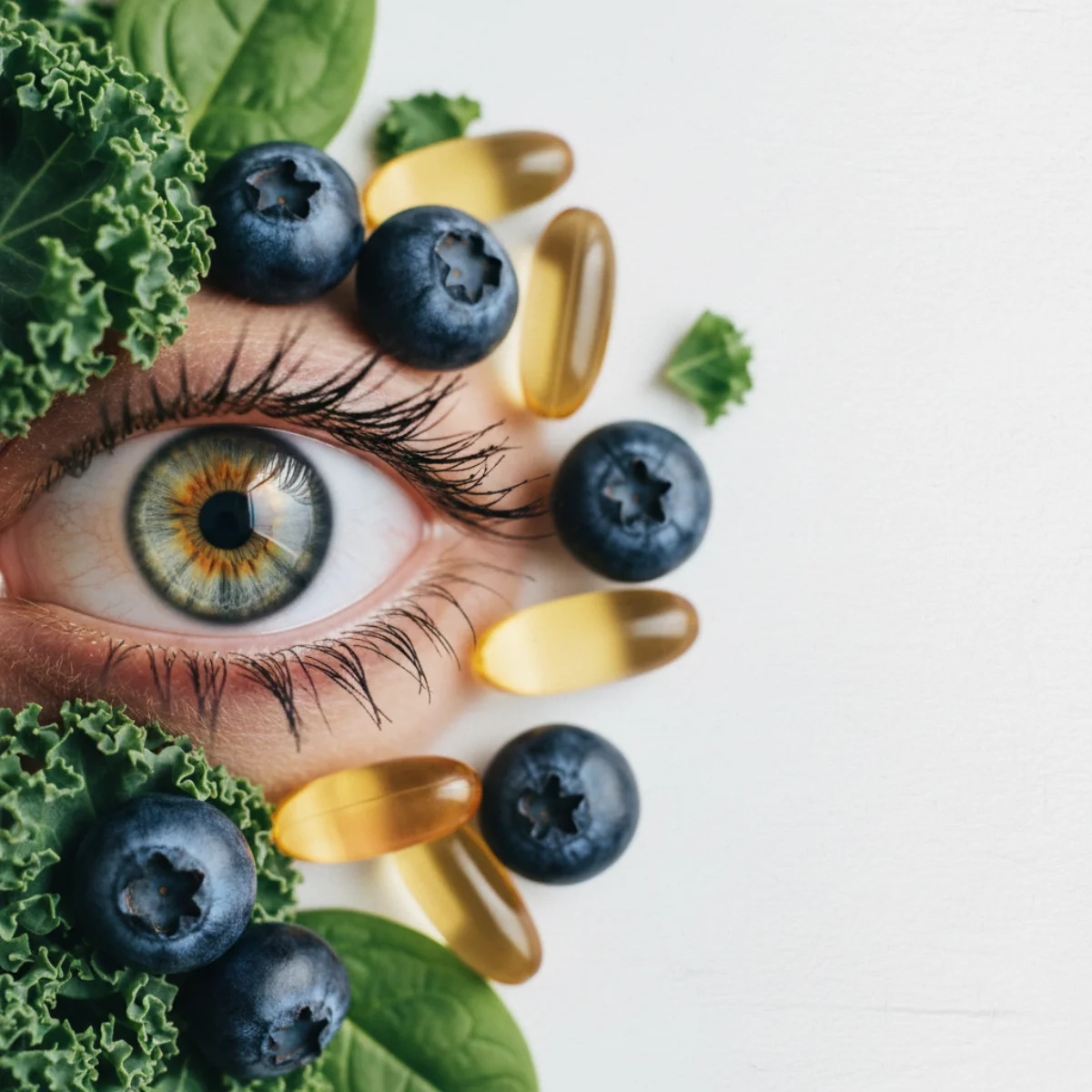
Choosing the best eye health supplement can feel overwhelming given the array of options available. While no single supplement is a universal solution, a targeted approach based on individual needs, existing conditions, and robust scientific evidence can significantly support ocular health. This guide will explore the key nutrients, evidence-backed formulations, and practical considerations to help you make an informed decision, whether you're looking to support general vision, manage specific concerns like dry eyes, or address age-related changes.
Understanding Eye Health and the Role of Supplements
Our eyes are complex organs constantly exposed to environmental stressors, including UV light, blue light from digital screens, and oxidative stress. As we age, the risk of developing certain eye conditions, such as age-related macular degeneration (AMD), cataracts, and dry eye syndrome, increases. Nutrition plays a pivotal role in maintaining eye health, providing the building blocks and protective compounds necessary for optimal function. While a balanced diet rich in fruits, vegetables, and omega-3 fatty acids is foundational, dietary supplements can help bridge nutritional gaps and provide concentrated doses of specific compounds that have been studied for their ocular benefits.
It's important to differentiate between general eye health support and specific medical interventions. Supplements are intended to complement a healthy lifestyle, not replace medical treatment for diagnosed conditions. Always consult with an eye care professional to understand your specific needs and before incorporating any new supplement into your routine.
Key Nutrients for Optimal Eye Health
Several nutrients have garnered significant attention for their potential to support eye health. Understanding their mechanisms and evidence base is crucial for selecting the best eye health supplement.
Lutein and Zeaxanthin
Lutein and Zeaxanthin are carotenoids, pigments found in high concentrations in the macula, the central part of the retina responsible for sharp, detailed vision. They act as natural filters for harmful blue light and potent antioxidants, protecting the delicate photoreceptor cells from oxidative damage. Research suggests that higher dietary intake and supplemental intake of these carotenoids are associated with a reduced risk of AMD and cataracts. The typical supplemental dose studied for eye health is 10 mg of Lutein and 2 mg of Zeaxanthin daily, often derived from marigold flowers.
Omega-3 Fatty Acids (DHA & EPA)
Docosahexaenoic acid (DHA) is a primary structural component of the retina, particularly in the photoreceptor cell membranes. It plays a crucial role in retinal development and function. Eicosapentaenoic acid (EPA) also contributes to eye health through its anti-inflammatory properties. Omega-3s, especially DHA, are extensively studied for their potential benefits in dry eye syndrome, where they may help improve the quality and quantity of tears. Some evidence also suggests a role in supporting retinal health and potentially reducing the risk of AMD progression. A common recommended dose for eye health is around 1000 mg of total omega-3s, with a significant portion being DHA (e.g., 500-700 mg DHA).
Vitamins C and E
These are powerful antioxidants that help protect eye cells from damage caused by free radicals. Vitamin C is found in high concentrations in the aqueous humor of the eye, where it helps protect against oxidative stress. Vitamin E, a fat-soluble antioxidant, works in conjunction with other antioxidants to safeguard cell membranes. Both are integral components of the AREDS2 formulation, which has demonstrated benefits for individuals at risk of advanced AMD.
Zinc and Copper
Zinc is an essential trace mineral highly concentrated in the eye, particularly in the retina and choroid. It plays a vital role in the metabolism of vitamin A, which is crucial for vision, and in the activity of numerous enzymes involved in eye health. Copper is often included with zinc in supplements because high doses of zinc can interfere with copper absorption. The AREDS2 formulation includes specific doses of both to ensure balance and efficacy.
Astaxanthin
Astaxanthin is another potent carotenoid, known for its exceptional antioxidant capacity, which is even stronger than that of Lutein and Zeaxanthin in some measures. Preliminary research suggests astaxanthin may help reduce eye fatigue and improve visual accommodation in individuals experiencing digital eye strain. It is also being investigated for its potential to improve blood flow to the retina and protect against oxidative damage. Typical doses range from 4-12 mg daily.
The AREDS2 Formulation: A Gold Standard for AMD
The Age-Related Eye Disease Studies (AREDS and AREDS2) conducted by the National Eye Institute are landmark clinical trials that identified a specific combination of vitamins and minerals that can slow the progression of moderate to advanced age-related macular degeneration (AMD). The original AREDS formulation included Vitamin C, Vitamin E, Beta-Carotene, Zinc, and Copper. The AREDS2 formulation refined this by replacing Beta-Carotene with Lutein and Zeaxanthin (due to concerns about Beta-Carotene and lung cancer risk in smokers) and reducing the dose of Zinc.
The AREDS2 formulation is specifically recommended for individuals with intermediate AMD or advanced AMD in one eye. It is not recommended for people with early AMD or for general eye health prevention, as studies have not shown a benefit in these groups. The precise daily doses in AREDS2 are: Vitamin C (500 mg), Vitamin E (400 IU), Lutein (10 mg), Zeaxanthin (2 mg), Zinc (80 mg as zinc oxide), and Copper (2 mg as cupric oxide). If you have been diagnosed with AMD, your eye care professional may recommend an AREDS2 supplement.
Our Top Picks for Best Eye Health Supplement
Given the diverse needs, we've categorized our top picks based on common eye health goals. Remember, these are general recommendations, and individual results may vary. For specific product recommendations, you might explore our curated list of eye health supplements.
Pick 1: Comprehensive Macular Support
Who it suits: Individuals looking for broad-spectrum support for macular health, especially those concerned about age-related changes or prolonged screen time, but without a diagnosis of advanced AMD requiring the full AREDS2 formulation.
Mechanism: These supplements typically combine Lutein and Zeaxanthin with Omega-3 fatty acids (DHA/EPA), and often include other antioxidants like Vitamin C, Vitamin E, and potentially Astaxanthin. The carotenoids protect the macula from blue light and oxidative stress, while omega-3s support retinal structure and function. The synergistic effect aims to provide robust protection against various environmental stressors.
Dose: Look for products providing at least 10 mg Lutein and 2 mg Zeaxanthin, along with 500-1000 mg of total Omega-3s (with a high DHA content). Additional antioxidants will vary by formulation.
Safety: Generally well-tolerated. High doses of Vitamin E can interact with blood thinners. Always check for interactions with existing medications.
Pick 2: Targeted Dry Eye Relief
Who it suits: Individuals experiencing symptoms of dry eye syndrome, such as irritation, grittiness, redness, or blurred vision, particularly those who spend long hours on digital devices or live in dry climates.
Mechanism: High-quality Omega-3 fatty acid supplements, particularly those rich in DHA and EPA, are the cornerstone here. These fatty acids are precursors to anti-inflammatory compounds and are incorporated into cell membranes, including those of the meibomian glands in the eyelids, which produce the oily layer of the tear film. By improving the quality of this oily layer, omega-3s can help reduce tear evaporation and inflammation, leading to improved dry eye symptoms.
Dose: Studies on dry eye often use doses ranging from 1000 mg to 3000 mg of total Omega-3s daily, with a good balance of EPA and DHA (e.g., 600 mg EPA and 400 mg DHA, or higher). It may take several weeks to notice significant improvement.
Safety: Omega-3s are generally safe, but high doses can thin the blood, so caution is advised for those on anticoagulant medications. Minor side effects can include fishy aftertaste or gastrointestinal upset.
Pick 3: Antioxidant Powerhouse for Digital Eye Strain
Who it suits: Individuals who experience significant eye fatigue, strain, or discomfort from prolonged computer use, gaming, or reading, and are looking for additional antioxidant support.
Mechanism: This category often features Astaxanthin, sometimes combined with Lutein and Zeaxanthin. Astaxanthin's superior antioxidant properties are thought to help mitigate oxidative stress induced by intense visual tasks. It may also support the ciliary muscle's ability to accommodate (focus) and improve blood flow to the eyes, potentially reducing fatigue and improving visual acuity under challenging conditions. Lutein and Zeaxanthin contribute by filtering blue light and offering additional antioxidant defense.
Dose: For Astaxanthin, studies often use 4-12 mg daily. If combined with Lutein and Zeaxanthin, the standard 10 mg Lutein/2 mg Zeaxanthin ratio is typically maintained.
Safety: Astaxanthin is generally considered safe with no significant side effects reported at common doses. As with other carotenoids, it is fat-soluble and best taken with a meal containing some fat for optimal absorption.
How to Choose the Best Eye Health Supplement for You
Selecting the right supplement requires a thoughtful approach. Beyond understanding the active ingredients, consider these practical factors.
Consider Your Specific Needs and Goals
- General Maintenance: If you have no specific eye conditions but want to support overall eye health, a supplement with Lutein, Zeaxanthin, and Omega-3s is a good starting point.
- Age-Related Macular Degeneration (AMD): If you have intermediate or advanced AMD, an AREDS2 formulation is the evidence-backed choice, but only under the guidance of your eye doctor.
- Dry Eye Syndrome: High-quality Omega-3 supplements with a good balance of EPA and DHA are often recommended.
- Digital Eye Strain: Supplements featuring Astaxanthin, Lutein, and Zeaxanthin may offer relief.
- Family History: If you have a strong family history of certain eye conditions, discuss preventative strategies, including supplements, with your ophthalmologist.
Look for Quality and Third-Party Testing
The supplement industry is not as tightly regulated as pharmaceuticals. To ensure you're getting a safe and effective product, look for supplements that:
- Are third-party tested: Certifications from organizations like NSF International, USP (U.S. Pharmacopeia), or ConsumerLab verify that the product contains what it claims and is free from harmful contaminants.
- Have transparent labeling: The label should clearly list all ingredients, their forms, and dosages. Proprietary blends can make it difficult to ascertain the exact amounts of each active ingredient.
- Are from reputable brands: Established brands with a history of quality and positive customer reviews are generally a safer bet.
Check Dosages and Forms
Ensure the supplement provides the active ingredients in clinically relevant dosages. For example, if a supplement claims to support macular health but only provides 1 mg of Lutein, it's unlikely to be effective. Also, consider the form: softgels are common for fat-soluble vitamins and omega-3s, while capsules or tablets are used for others. Some people prefer liquid forms or gummies, though these may have lower concentrations or added sugars.
Potential Side Effects and Interactions
While most eye health supplements are generally safe for healthy individuals when taken at recommended doses, potential side effects and interactions can occur:
- Omega-3s: High doses can increase the risk of bleeding, especially if you're on blood-thinning medications like warfarin or aspirin. They can also cause gastrointestinal upset or a fishy aftertaste.
- Vitamin E: Very high doses can interfere with blood clotting and may interact with anticoagulant drugs.
- Zinc: High doses of zinc (especially above 40 mg/day long-term) can interfere with copper absorption, potentially leading to copper deficiency. This is why copper is included in AREDS2 formulations.
- Carotenoids (Lutein, Zeaxanthin, Astaxanthin): Generally very safe. Extremely high doses of beta-carotene (not typically found in eye health supplements but sometimes in multivitamins) have been linked to an increased risk of lung cancer in smokers. Lutein and Zeaxanthin have not shown this risk.
- General: Always inform your healthcare provider about all supplements you are taking, especially before surgery or if you have any chronic health conditions. Some supplements may interact with prescription medications or exacerbate underlying health issues.
Conclusion
The journey to finding the best eye health supplement is a personal one, guided by scientific evidence and individual needs. Key nutrients like Lutein, Zeaxanthin, Omega-3s, and the specific AREDS2 formulation for AMD have demonstrated significant benefits for various aspects of ocular health. Prioritizing quality, appropriate dosages, and third-party testing are paramount when selecting a product. Remember, supplements are a complement to, not a replacement for, a healthy diet, regular eye exams, and professional medical advice. By making informed choices and consulting with your eye care professional, you can effectively support your vision and maintain optimal eye health for years to come. For more detailed product information, consider exploring our comprehensive guide to eye health supplements.