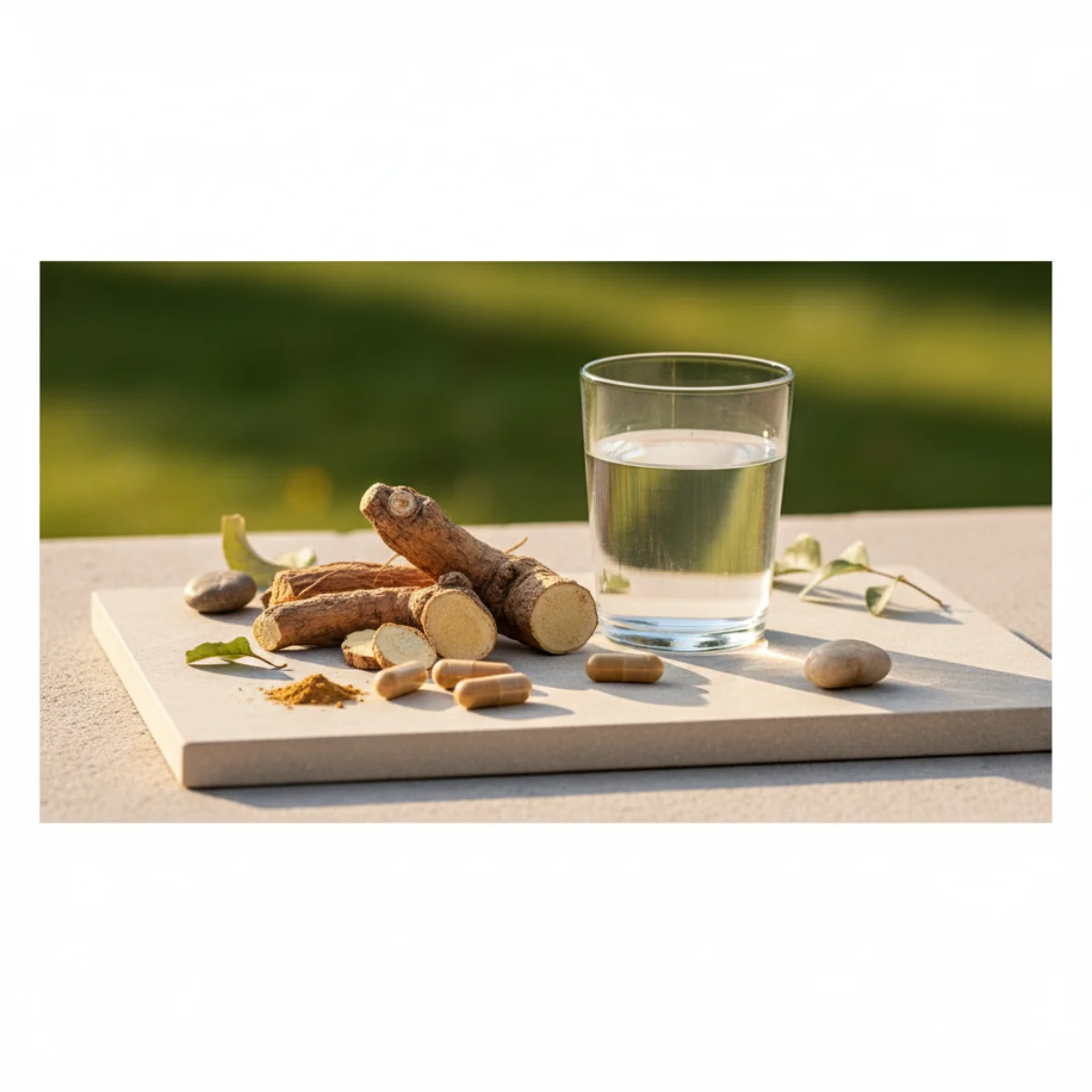
Managing cortisol levels effectively is a crucial aspect of maintaining overall health and well-being, especially in today's fast-paced world. Cortisol, often dubbed the "stress hormone," plays a vital role in numerous bodily functions, from regulating metabolism and inflammation to influencing memory formation. While essential for our "fight or flight" response, chronically elevated cortisol can contribute to a range of issues, including fatigue, weight gain, impaired immune function, and mood disturbances. For those seeking to support their body's natural stress response and promote balance, identifying the best cortisol manager supplements can be a valuable step. This article delves into evidence-backed options, exploring their mechanisms, efficacy, and how they can fit into a holistic approach to stress management.
Understanding Cortisol and the Stress Response
Cortisol is a glucocorticoid hormone produced by the adrenal glands, which sit atop your kidneys. Its release is primarily controlled by the hypothalamic-pituitary-adrenal (HPA) axis, a complex neuroendocrine system. When you encounter a stressor – be it physical, emotional, or psychological – your hypothalamus signals the pituitary gland, which then signals the adrenal glands to release cortisol. This surge in cortisol provides a temporary boost in energy, sharpens focus, and dampens non-essential bodily functions to help you cope with the perceived threat. It's a survival mechanism that has served humanity well for millennia.
However, in modern life, stressors are often chronic rather than acute, leading to prolonged activation of the HPA axis and persistently elevated cortisol levels. This sustained elevation can have detrimental effects. It can disrupt sleep patterns, suppress the immune system, increase blood sugar, contribute to abdominal fat storage, and negatively impact mood and cognitive function. Therefore, supporting the body's ability to regulate cortisol and promote a healthy stress response is paramount for long-term health. While lifestyle interventions like adequate sleep, regular exercise, and mindfulness are foundational, certain dietary supplements can offer additional support in managing cortisol.
Our Approach to Selecting the Best Cortisol Managers
When evaluating supplements for cortisol management, our methodology prioritizes scientific evidence, safety, and practical application. We look for compounds with established mechanisms of action that directly or indirectly influence the HPA axis or mitigate the downstream effects of elevated cortisol. Our selection process considers:
- Clinical Evidence: Preference is given to supplements with human clinical trials demonstrating efficacy in modulating cortisol or improving stress-related symptoms.
- Mechanism of Action: Understanding how a supplement works at a physiological level is crucial for informed recommendations.
- Safety Profile: We assess potential side effects, contraindications, and interactions with medications.
- Quality and Bioavailability: While not always explicitly detailed for each, we generally advocate for high-quality, bioavailable forms of ingredients.
- Holistic Integration: We consider how these supplements fit into a broader strategy for stress management, emphasizing that they complement, rather than replace, healthy lifestyle choices.
It's important to remember that individual responses to supplements can vary, and what works well for one person may not be as effective for another. Always consult with a healthcare professional before starting any new supplement regimen, especially if you have pre-existing health conditions or are taking other medications.
Our 7 Top Picks for Cortisol Management
Ashwagandha (Withania somnifera)
Ashwagandha is perhaps the most well-known adaptogenic herb, widely used in Ayurvedic medicine for centuries. Adaptogens are a class of natural substances that help the body adapt to stress and exert a normalizing effect on physiological processes. Ashwagandha's primary active compounds are called withanolides, which are believed to contribute to its stress-reducing properties. In a 60-day randomized, double-blind, placebo-controlled trial published in the Indian Journal of Psychological Medicine, Chandrasekhar et al. (2012) found that 300 mg of a high-concentration ashwagandha root extract taken twice daily significantly reduced serum cortisol and perceived-stress scores compared with placebo.
Mechanism: Ashwagandha is thought to modulate the HPA axis, reducing the release of cortisol. It may also enhance GABAergic signaling, promoting a calming effect on the nervous system. Some studies suggest it can reduce inflammation and provide neuroprotective benefits.
Evidence: Several human clinical trials have found Ashwagandha helpful for reducing stress and anxiety, in some cases accompanied by a reduction in serum cortisol. In addition to the Chandrasekhar trial above, a randomized, double-blind, placebo-controlled study by Lopresti et al. (2019), published in Medicine, reported reduced stress-related symptoms and lower morning cortisol with 240 mg/day of a standardized ashwagandha extract in stressed adults. Trials to date are mostly small and short-term. Doses studied typically range from 240-600 mg of a standardized extract per day.
Dosing and Safety: Common doses are 300-600 mg daily, often split into two doses. It is generally well-tolerated, but some individuals may experience mild gastrointestinal upset, drowsiness, or, rarely, liver issues. Pregnant or breastfeeding women, and individuals with autoimmune diseases, should avoid it or consult a doctor. It may interact with sedatives, thyroid medications, and immunosuppressants.
Who it Suits: Individuals experiencing chronic stress, anxiety, or sleep disturbances due to elevated cortisol. It's an excellent choice for those seeking a broad-spectrum adaptogenic support.
Rhodiola Rosea
Another powerful adaptogen, Rhodiola Rosea, has a long history of use in traditional European and Asian medicine for improving physical and mental performance, and for reducing fatigue. Its active compounds, rosavins and salidrosides, are believed to be responsible for its beneficial effects on stress response and energy levels.
Mechanism: Rhodiola is thought to influence neurotransmitter levels (serotonin, norepinephrine, dopamine) and protect against oxidative stress. It is proposed to help the body adapt to stressors by modulating the HPA axis, though direct human evidence that it lowers cortisol is limited. It may also support cellular energy production.
Evidence: Rhodiola's best-supported use is for stress-related fatigue. In a double-blind crossover trial published in Phytomedicine, Darbinyan et al. (2000) found that a standardized SHR-5 rhodiola extract reduced stress-induced fatigue and improved mental performance in young physicians during night duty. Note that this trial did not measure cortisol, and direct evidence that rhodiola lowers cortisol in humans remains limited. Studied doses typically use extracts standardized to 3% rosavins and 1% salidrosides.
Dosing and Safety: Doses typically range from 200-600 mg per day of a standardized extract. Rhodiola is generally well-tolerated, but some users may experience dizziness, dry mouth, or difficulty sleeping if taken too close to bedtime. It should be used with caution by individuals with bipolar disorder as it may exacerbate manic symptoms. It may interact with antidepressants and other stimulants.
Who it Suits: Those experiencing stress-related fatigue, mental fog, or decreased performance. It's particularly beneficial for individuals who feel "burned out" and need support for both mental and physical resilience.
Phosphatidylserine (PS)
Phosphatidylserine is a phospholipid that is a vital component of cell membranes, particularly abundant in brain cells. It plays a crucial role in cell signaling and communication, especially within the brain. PS has gained attention for its ability to blunt the cortisol response to stress.
Mechanism: PS is believed to directly influence the HPA axis, specifically by inhibiting the release of adrenocorticotropic hormone (ACTH) from the pituitary gland, which in turn reduces cortisol secretion from the adrenal glands. It also supports neuronal health and neurotransmitter function.
Evidence: In an early controlled study published in the European Journal of Clinical Pharmacology, Monteleone et al. (1992) found that chronic oral phosphatidylserine administration blunted the ACTH and cortisol response to physical exercise stress in healthy men. The human trials on PS and cortisol are small and mostly decades old, so conclusions should be held tentatively. PS has also been studied for its potential to support cognitive function, particularly in older adults.
Dosing and Safety: Typical doses range from 100-400 mg per day, often taken in divided doses. PS is generally considered safe with few side effects, though high doses may cause mild stomach upset or insomnia. It may interact with blood thinners due to its potential to affect blood clotting. It's important to note that most effective PS supplements are derived from sunflower lecithin, as soy-derived PS may have different effects or be less preferred by some users.
Who it Suits: Individuals who experience significant cortisol spikes in response to acute stress, such as intense exercise or high-pressure situations. It's also suitable for those looking for cognitive support alongside stress management.
Magnesium
Magnesium is an essential mineral involved in over 300 enzymatic reactions in the body, including those related to energy production, muscle and nerve function, and blood glucose control. It is also critical for a healthy stress response, and many people are deficient in this vital mineral.
Mechanism: Magnesium plays a key role in regulating neurotransmitters that promote relaxation, such as GABA. It may also play a role in regulating the HPA axis, though this has not been clearly demonstrated in human trials. Furthermore, magnesium deficiency itself may worsen the body's response to stress. It supports muscle relaxation and can improve sleep quality, both of which are crucial for cortisol balance.
Evidence: The evidence here is weaker than is often claimed. A systematic review published in Nutrients by Boyle et al. (2017) concluded that the existing evidence for magnesium's benefit on subjective anxiety and stress is suggestive but inconclusive, in large part because of the poor quality of the available trials, and called for well-designed randomized controlled trials. Direct evidence that magnesium lowers cortisol in healthy individuals is likewise mixed. Correcting a genuine magnesium deficiency is still sensible for overall health, and may help with sleep for some people.
Dosing and Safety: Recommended daily intake for adults is typically 300-420 mg, but therapeutic doses for stress management can sometimes be higher, under clinical guidance. Various forms exist, with magnesium glycinate or citrate often recommended for better absorption and fewer gastrointestinal side effects compared to magnesium oxide. Excessive doses can cause diarrhea. Individuals with kidney disease should use magnesium supplements only under medical supervision. Magnesium can interact with certain antibiotics and diuretics.
Who it Suits: Almost anyone experiencing stress, especially those with signs of magnesium deficiency (muscle cramps, restless legs, fatigue, difficulty sleeping). It's a foundational nutrient for overall health, though the evidence for it as a direct cortisol reducer is weaker than for adaptogens like ashwagandha.
Omega-3 Fatty Acids (EPA & DHA)
Omega-3 fatty acids, particularly eicosapentaenoic acid (EPA) and docosahexaenoic acid (DHA), are polyunsaturated fats found abundantly in fatty fish. They are renowned for their anti-inflammatory properties and their crucial role in brain health.
Mechanism: Omega-3s can modulate the stress response by influencing neurotransmitter systems and reducing systemic inflammation, which is often exacerbated by chronic stress. Some research suggests they can directly impact the HPA axis, leading to a reduction in cortisol and adrenaline secretion during stressful events. They also support overall brain function and mood regulation.
Evidence: In a randomized, controlled trial published in Molecular Psychiatry, Madison et al. (2021) found that omega-3 supplementation (up to 2.5 g/day for four months) reduced cortisol and inflammatory reactivity to a laboratory stressor in sedentary, overweight adults. This is promising but comes from a single population, so broader replication is still needed. The anti-inflammatory effects of omega-3s are also beneficial for mitigating the long-term impacts of chronic stress on the body.
Dosing and Safety: Doses for stress and mood support typically range from 1,000-2,000 mg of combined EPA and DHA per day. It's important to look for high-quality, third-party tested supplements to ensure purity and potency. Side effects are usually mild and may include fishy aftertaste or mild gastrointestinal upset. High doses can increase the risk of bleeding, so individuals on blood-thinning medications should consult their doctor. Some people prefer a combination product, such as an adrenal support supplement that includes these fatty acids, though combination formulas are generally less well studied than single ingredients.
Who it Suits: Individuals looking for broad-spectrum support for brain health, mood, and inflammation, alongside stress and cortisol management. Especially beneficial for those with diets low in fatty fish.
L-Theanine
L-Theanine is an amino acid found almost exclusively in tea leaves, particularly green tea. It is well-regarded for its ability to promote relaxation without causing drowsiness, making it a popular choice for stress relief and cognitive enhancement.
Mechanism: L-Theanine readily crosses the blood-brain barrier and influences brain activity by increasing alpha brain wave activity, which is associated with a state of relaxed alertness. It also increases levels of calming neurotransmitters like GABA, serotonin, and dopamine, while potentially reducing the release of stress hormones like cortisol. It can also counteract the jitteriness associated with caffeine.
Evidence: In a four-week randomized, placebo-controlled crossover trial published in Nutrients, Hidese et al. (2019) found that 200 mg/day of L-theanine reduced stress-related symptoms — including depression and anxiety scores and sleep problems — and improved some measures of cognitive function in healthy adults. Direct effects on cortisol levels are not consistently reported, so L-theanine is better viewed as a general calming aid than as a proven cortisol reducer.
Dosing and Safety: Common doses range from 100-400 mg per day. L-Theanine is generally considered very safe with no known serious side effects or interactions. It can be taken as needed for acute stress or daily for ongoing support. It is often found in combination with other stress-reducing ingredients in comprehensive formulas.
Who it Suits: Individuals seeking a gentle, non-drowsy way to reduce anxiety, improve focus, and promote relaxation. Excellent for those who feel overstimulated or struggle with mild to moderate stress.
Holy Basil (Ocimum sanctum)
Holy Basil, also known as Tulsi, is another revered adaptogenic herb in Ayurvedic medicine. It is traditionally used for its wide range of health benefits, including stress reduction, immune support, and anti-inflammatory properties.
Mechanism: Holy Basil contains compounds such as eugenol, rosmarinic acid, and ursolic acid, which are believed to contribute to its adaptogenic effects. It is proposed to support the stress response by modulating the HPA axis, though this mechanism has not been firmly established in humans. It also possesses antioxidant and anti-inflammatory properties in laboratory studies.
Evidence: A systematic review of human trials published in Evidence-Based Complementary and Alternative Medicine by Jamshidi and Cohen (2017) found that the available studies reported favorable effects of tulsi on psychological stress and on some metabolic and immune measures, with no serious adverse events. However, the reviewed trials were small and methodologically varied, and the authors concluded that larger, well-designed studies are needed before firm claims can be made. Direct evidence that holy basil lowers cortisol in humans remains preliminary.
Dosing and Safety: Doses typically range from 300-2,000 mg per day of dried leaf powder or standardized extract. Holy Basil is generally well-tolerated. However, it may have anti-fertility effects in some animal studies, so pregnant or breastfeeding women should avoid it. It may also slow blood clotting, so caution is advised for those on blood thinners or before surgery. It can also lower blood sugar, so diabetics should monitor their levels closely.
Who it Suits: Individuals seeking a traditional adaptogen for comprehensive stress management, mood support, and overall vitality. It's a good alternative for those who may not respond as well to other adaptogens.
Other Supportive Nutrients and Compounds
While the above are our top picks, several other nutrients play crucial roles in supporting the body's stress response and can indirectly help manage cortisol:
- B Vitamins: The entire B-complex group is vital for nervous system function and energy metabolism. B5 (pantothenic acid) is particularly important for adrenal gland health, as it's a precursor to coenzyme A, which is involved in the synthesis of adrenal hormones. B6, B9 (folate), and B12 are essential for neurotransmitter synthesis, including serotonin and dopamine, which are crucial for mood regulation. Chronic stress can deplete B vitamins, making supplementation beneficial for maintaining energy levels and supporting overall neural health.
- Vitamin C: The adrenal glands contain one of the highest concentrations of Vitamin C in the body, as it is crucial for the synthesis of adrenal hormones, including cortisol. During periods of stress, Vitamin C is rapidly utilized. While it doesn't directly lower cortisol, adequate Vitamin C is essential for healthy adrenal function, protecting adrenal cells from oxidative stress, and supporting the body's overall resilience to stress.
- GABA (Gamma-Aminobutyric Acid): GABA is the primary inhibitory neurotransmitter in the brain, helping to calm nervous activity and reduce feelings of anxiety. While direct oral supplementation of GABA has debated efficacy due to its limited ability to cross the blood-brain barrier, precursors or co-factors that enhance natural GABA production (like magnesium or L-theanine) are often more effective. Some forms of GABA, particularly liposomal or micronized, may offer better absorption.
- L-Tyrosine: This amino acid is a precursor to neurotransmitters like dopamine, norepinephrine, and epinephrine, which can become depleted during chronic stress. Supplementing with L-Tyrosine may help maintain cognitive function and mood under stressful conditions, although its direct impact on cortisol reduction is less direct than adaptogens.
These foundational nutrients are often included in a well-rounded adrenal support supplement, designed to provide comprehensive aid for the body's stress response system, ensuring that the body has the building blocks it needs to cope with daily demands.
Lifestyle Foundations for Cortisol Balance
No supplement, however effective, can fully compensate for an unhealthy lifestyle. For optimal cortisol management, integrating these supplements with foundational lifestyle practices is essential:
- Adequate Sleep: Chronic sleep deprivation is a potent stressor that significantly elevates cortisol. Aim for 7-9 hours of quality sleep per night.
- Regular Exercise: Moderate, consistent physical activity can help burn off excess adrenaline and cortisol, but overtraining can be a stressor itself.
- Balanced Diet: A diet rich in whole foods, fruits, vegetables, lean proteins, and healthy fats supports overall physiological function and reduces inflammatory stress. Avoid excessive sugar, processed foods, and caffeine.
- Mindfulness and Relaxation Techniques: Practices like meditation, deep breathing, yoga, and spending time in nature can directly activate the parasympathetic nervous system, counteracting the stress response.
- Social Connection: Strong social ties and emotional support can buffer the effects of stress.
Choosing the Right Cortisol Manager for You
Selecting the best cortisol manager is a personalized process. Consider your specific symptoms, lifestyle, and any underlying health conditions. If you primarily experience:
- Chronic, generalized stress and anxiety: Ashwagandha is the most evidence-backed starting point; Rhodiola or Holy Basil are alternatives, though their supporting evidence is thinner.
- Acute stress responses or performance anxiety: Phosphatidylserine or L-Theanine could be particularly beneficial for blunting immediate cortisol spikes and promoting calm focus without sedation, making them ideal for high-pressure situations.
- Fatigue and burnout: Rhodiola Rosea is often favored for its energy-boosting and anti-fatigue effects, helping to restore vitality when stress has drained your reserves. Magnesium may also help here through its roles in energy metabolism and sleep.
- Sleep disturbances and muscle tension: Magnesium, especially forms like glycinate, may help through its role in muscle relaxation and neurotransmitter regulation — keeping in mind that the clinical evidence for its anti-stress effects is suggestive rather than conclusive.
- Overall brain health and inflammation: Omega-3 fatty acids offer broad benefits that complement stress management by supporting cognitive function and reducing systemic inflammation, which is often exacerbated by chronic stress.
For many, a multi-ingredient approach can be most effective. Many high-quality adrenal support supplement formulas combine several of these ingredients, such as adaptogens with B vitamins and magnesium. Bear in mind that most clinical evidence comes from single-ingredient trials, so the benefit of any particular blend is less certain. Starting with a single supplement and observing its effects before adding others is often a good strategy, allowing you to identify what works best for your unique physiology. Always prioritize high-quality products from reputable brands that provide third-party testing for purity and potency, ensuring you are getting exactly what is stated on the label.
When to Consult a Healthcare Professional
While dietary supplements can be valuable tools for managing stress and supporting cortisol balance, they are not a substitute for professional medical advice. You should consult a healthcare professional if:
- You suspect you have chronically high cortisol levels, indicated by symptoms like unexplained weight gain (especially around the abdomen), muscle weakness, easy bruising, high blood pressure, or persistent fatigue.
- You have an existing medical condition, such as thyroid disorders, diabetes, or autoimmune diseases.
- You are taking prescription medications, as supplements can interact with them.
- You are pregnant or breastfeeding.
- Your stress or anxiety symptoms are severe, debilitating, or do not improve with lifestyle changes and supplementation.
A doctor can help diagnose underlying conditions, provide personalized advice, and ensure that any supplement regimen is safe and appropriate for your individual health needs. They can also guide you toward comprehensive solutions, which may include further testing, dietary changes, or other therapeutic interventions.