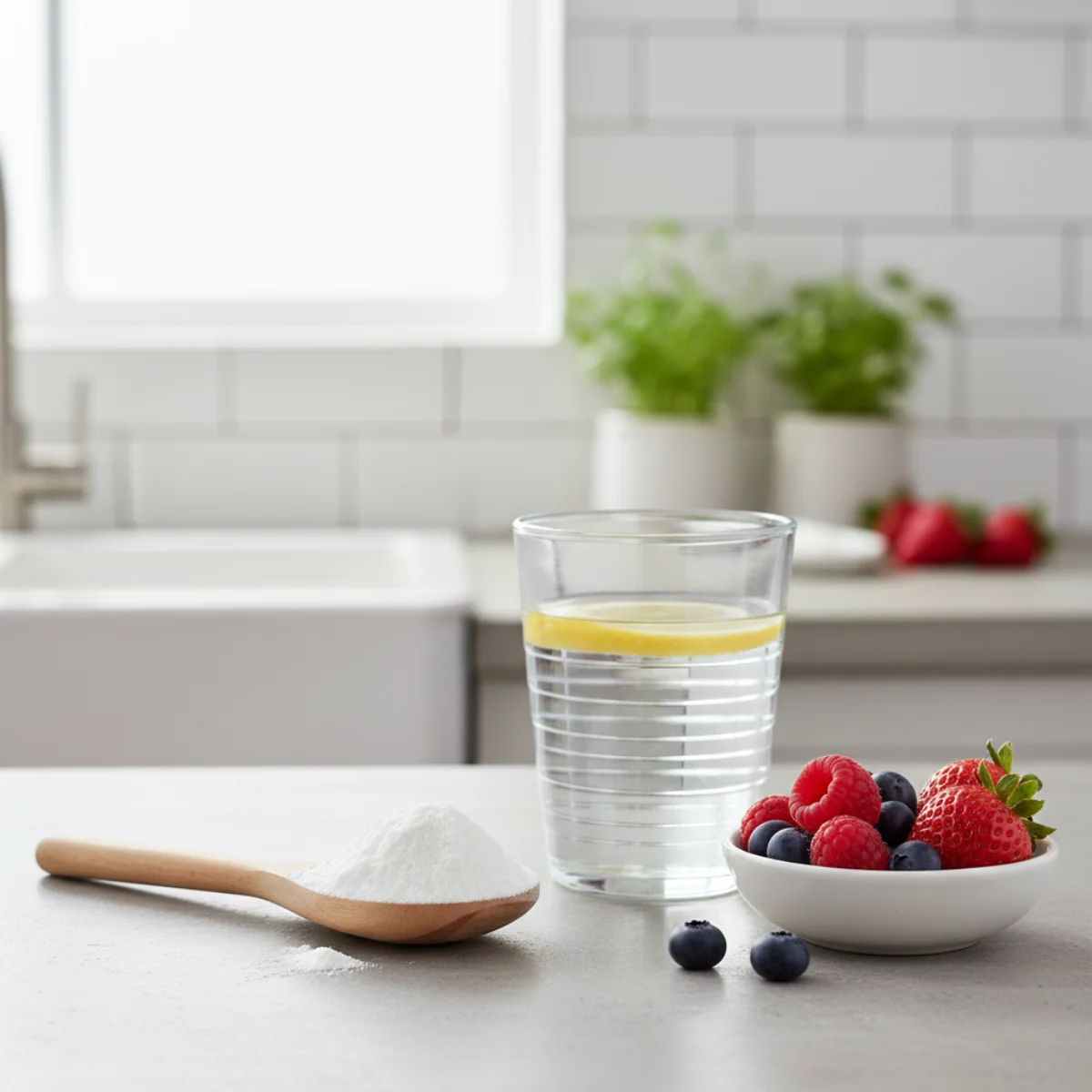
Navigating the vast market of collagen supplements can be daunting, but choosing the best collagen supplement ultimately depends on your individual health goals, dietary preferences, and budget. While many products promise transformative results, the most effective collagen supplements are typically hydrolyzed collagen peptides, known for their superior bioavailability and versatility. This guide will help you understand the different types of collagen, what to look for in a high-quality product, and how to select the ideal supplement to support your specific needs, from skin elasticity to joint comfort.
Understanding Collagen: Types, Sources, and Benefits
Collagen is the most abundant protein in the human body, serving as a primary building block for skin, bones, tendons, ligaments, and other connective tissues. It provides structural integrity, elasticity, and strength. As we age, our natural collagen production declines, leading to common signs of aging like wrinkles, sagging skin, and joint stiffness. Supplementing with collagen aims to replenish these diminishing stores.
There are at least 28 known types of collagen, but a few are most relevant to dietary supplements:
- Type I Collagen: This is the most prevalent type, found in skin, tendons, vascular ligature, organs, and bone. It's crucial for skin elasticity, bone strength, and connective tissue integrity.
- Type II Collagen: Primarily found in cartilage, Type II collagen is essential for joint health and flexibility.
- Type III Collagen: Often found alongside Type I, Type III is abundant in skin, muscles, and blood vessels, contributing to skin elasticity and organ structure.
- Type V and X Collagen: Less common in supplements but sometimes included in multi-collagen blends, these types play roles in cell surfaces, hair, and bone formation.
Collagen supplements are derived from various animal sources:
- Bovine Collagen: Sourced from cow hides, this is a common and cost-effective option, rich in Types I and III collagen. It's excellent for skin, hair, nails, bones, and gut health.
- Marine Collagen: Derived from fish skin and scales, marine collagen is primarily Type I. It's often considered to have higher bioavailability due to smaller peptide sizes and is a good option for those avoiding bovine products. It's particularly popular for skin health.
- Chicken Collagen: Typically rich in Type II collagen, chicken collagen is often used for joint support.
- Eggshell Membrane Collagen: This source naturally contains Types I, V, and X collagen, along with other beneficial compounds like hyaluronic acid and chondroitin sulfate, making it a comprehensive option for joint and connective tissue health.
The potential benefits of collagen supplementation are broad and include supporting skin hydration and elasticity, reducing the appearance of wrinkles, strengthening hair and nails, promoting joint comfort and mobility, supporting bone density, and aiding gut health by supporting the integrity of the intestinal lining. While research is ongoing, many small trials suggest promising outcomes across these areas.
What Makes a Collagen Supplement "Best"? Our Selection Methodology
When evaluating the best collagen supplement, we consider several critical factors to ensure efficacy, safety, and value. Our methodology focuses on providing a comprehensive guide rather than endorsing specific brands, emphasizing the characteristics that define a superior product.
- Bioavailability and Form: The most crucial factor. Collagen must be broken down into smaller peptides to be absorbed effectively. Hydrolyzed collagen (collagen peptides) undergoes a process called hydrolysis, which breaks down the large collagen protein into smaller, more digestible peptides. This significantly enhances bioavailability compared to unhydrolyzed collagen.
- Purity and Sourcing: High-quality collagen should be sourced from healthy, ethically raised animals (grass-fed, pasture-raised for bovine; wild-caught for marine) to minimize exposure to hormones, antibiotics, and pesticides. Transparency in sourcing is key.
- Third-Party Testing: Independent third-party testing verifies the product's purity, potency, and absence of contaminants like heavy metals, microbes, and allergens. Certifications from organizations like NSF, USP, or Informed-Sport provide an extra layer of assurance.
- Collagen Type Specificity: The 'best' type depends on your goal. We prioritize products that clearly state their collagen types and sources, allowing consumers to choose based on their needs (e.g., Type I/III for skin, Type II for joints).
- Form Factor and Mixability: Collagen powders are highly versatile, easily mixed into hot or cold beverages and foods. Capsules offer convenience. The best powders dissolve easily without clumping or altering the taste of your drink.
- Ingredient Quality and Additives: We favor products with minimal ingredients, free from artificial sweeteners, flavors, colors, and unnecessary fillers. Some products may include beneficial co-factors like Vitamin C, which is essential for collagen synthesis, or hyaluronic acid for skin hydration.
- Value: While not always the cheapest, a good collagen supplement offers a reasonable price per serving relative to its quality, purity, and efficacy.
Top Picks for the Best Collagen Supplement Categories
Based on our methodology, here are the categories of collagen supplements that excel for different needs, providing a framework for choosing the best option for you.
Best Overall & Most Versatile: Hydrolyzed Bovine Collagen Peptides (Types I & III)
For most individuals seeking general wellness benefits, including improvements in skin, hair, nails, bones, and gut health, hydrolyzed bovine collagen peptides are an excellent choice. This form is rich in both Type I and Type III collagen, making it highly versatile. The hydrolysis process ensures that the collagen is broken down into small, bioavailable peptides that are easily absorbed and utilized by the body. Bovine collagen is typically flavorless and dissolves well in various liquids, making it easy to incorporate into daily routines. It's also often more cost-effective than other sources. Many high-quality collagen powder products fall into this category, offering a convenient way to boost your daily intake.
- Mechanism: Provides amino acid building blocks (glycine, proline, hydroxyproline) essential for the body's own collagen synthesis, supporting the dermal matrix, bone structure, and connective tissues.
- Typical Dose: 10-20 grams daily.
- Safety: Generally very safe with a low risk of side effects.
- Who It Suits: Anyone looking for comprehensive support for skin elasticity, hair strength, nail growth, bone density, and digestive health.
Best for Joint Health: Undenatured Type II Collagen
While Types I and III collagen offer some joint benefits by supporting connective tissues, undenatured (native) Type II collagen is specifically recognized for its targeted effects on joint comfort and mobility. Unlike hydrolyzed collagen, undenatured Type II collagen is processed at low temperatures to preserve its natural triple-helix structure. This allows it to interact with the immune system in the gut, promoting oral tolerance and helping to modulate the immune response that can contribute to cartilage degradation. Small trials suggest it may help reduce joint discomfort and improve function.
- Mechanism: Works via immune modulation in the gut (oral tolerance) to help reduce the body's inflammatory response to its own cartilage, rather than directly providing building blocks.
- Typical Dose: Much lower than hydrolyzed collagen, typically 40 mg daily.
- Safety: Generally well-tolerated.
- Who It Suits: Individuals specifically concerned with joint discomfort, stiffness, or those looking to support cartilage health, such as athletes or older adults.
Best Marine Collagen: Hydrolyzed Marine Collagen Peptides (Type I)
For those who prefer a non-bovine source or are pescatarian, hydrolyzed marine collagen is an outstanding alternative. Primarily composed of Type I collagen, it is particularly beneficial for skin, hair, and nails. Marine collagen peptides are often smaller than bovine peptides, which some research suggests may lead to even higher bioavailability and faster absorption. It's sourced from fish skin and scales, typically from wild-caught fish to ensure purity and sustainability. Marine collagen is also a popular choice for its perceived superior benefits for skin hydration and elasticity.
- Mechanism: Provides Type I collagen peptides that support the skin's dermal layer, promoting elasticity and hydration, and strengthening hair and nails.
- Typical Dose: 5-10 grams daily.
- Safety: Generally safe, suitable for those with bovine allergies or dietary restrictions.
- Who It Suits: Individuals prioritizing skin health, hair strength, and nail growth, or those seeking a pescatarian-friendly collagen source.
Best Multi-Collagen Blend: For Comprehensive Support
A multi-collagen blend combines collagen from several sources (e.g., bovine, marine, chicken, eggshell membrane) to provide a broader spectrum of collagen types (I, II, III, V, X). This approach aims to offer comprehensive benefits, addressing various aspects of health from skin and hair to joints and gut. These blends are ideal for individuals who want to cover all their bases without having to purchase multiple single-source supplements. When choosing a multi-collagen, ensure all sources are high-quality and the product is third-party tested.
- Mechanism: Delivers a diverse range of collagen types and associated compounds (like hyaluronic acid from eggshell membrane) to support multiple bodily systems simultaneously.
- Typical Dose: Varies significantly by product; follow manufacturer's instructions.
- Safety: Generally safe, provided individual components are well-tolerated.
- Who It Suits: Those seeking broad, holistic support for overall connective tissue health, or individuals unsure which specific collagen type best meets their needs.
Best for Specific Dietary Needs: Vegan Collagen Boosters
It's important to note that true collagen is an animal-derived protein. Therefore, there is no such thing as 'vegan collagen' in the traditional sense. However, 'vegan collagen boosters' or 'collagen builders' are supplements designed to provide the necessary amino acid building blocks and cofactors that the body needs to synthesize its own collagen. These typically include plant-based amino acids (like glycine, proline, and lysine), Vitamin C (crucial for collagen synthesis), silica, and biotin. While they don't directly supply collagen, they aim to support the body's natural production processes.
- Mechanism: Supplies precursors and cofactors to stimulate the body's endogenous collagen production.
- Typical Dose: Varies widely based on the specific blend of ingredients.
- Safety: Generally safe, composed of vitamins, minerals, and plant extracts.
- Who It Suits: Vegans and vegetarians who wish to support their body's natural collagen production without consuming animal products.
How to Choose the Right Collagen Supplement for You
With so many options, making an informed decision about the best collagen supplement requires careful consideration of your personal circumstances and goals.
- Define Your Goals: Are you primarily looking to improve skin elasticity, reduce joint pain, strengthen nails, or support gut health? Your primary goal will dictate the most appropriate collagen type and source. For example, Type I/III for skin, hair, and nails; Type II for specific joint issues.
- Consider Your Dietary Preferences: If you are pescatarian, marine collagen is your best bet. If you avoid all animal products, a vegan collagen booster is the only option. Bovine collagen is a versatile choice for most omnivores.
- Evaluate the Form Factor: Collagen powders are highly popular due to their versatility and often better value per serving. They can be mixed into coffee, smoothies, water, or food. Capsules offer convenience for those on the go or who dislike mixing powders. Liquid forms are also available but can be more expensive. For many, a high-quality collagen powder provides the most flexible and effective option.
- Look for Third-Party Testing: Always prioritize products that have been independently tested for purity, potency, and contaminants. This ensures you're getting what's advertised and avoiding harmful substances.
- Check the Ingredients List: Opt for products with minimal ingredients. Avoid artificial sweeteners, flavors, colors, or excessive fillers. If a product includes additional beneficial ingredients like Vitamin C or hyaluronic acid, ensure they are in effective doses.
- Read Reviews and Research Brands: While individual results vary, reputable brands with positive, consistent feedback often indicate a reliable product. Look for transparency in sourcing and manufacturing processes.
- Assess Price vs. Value: The most expensive collagen isn't always the best, nor is the cheapest. Consider the cost per serving, the quality of ingredients, and the certifications to determine the overall value.
Dosing, Timing, and Consistency
Effective collagen supplementation relies heavily on consistent use and appropriate dosing. While general guidelines exist, it's always best to follow the manufacturer's recommendations or consult a healthcare professional.
- Hydrolyzed Collagen (Types I & III): The most common recommendation is 10-20 grams per day. Some individuals may start with a lower dose and gradually increase.
- Undenatured Type II Collagen: Due to its different mechanism of action, the dose is much smaller, typically 40 mg daily.
- Timing: Collagen can be taken at any time of day, with or without food. Some prefer to take it on an empty stomach in the morning, believing it may enhance absorption, though robust evidence for this is limited. Others find it convenient to add to their morning coffee or smoothie. The most important factor is consistency.
- Consistency is Key: Collagen benefits are not immediate. It typically takes 4-12 weeks of consistent daily supplementation to observe noticeable improvements in skin, hair, nails, and joint comfort. Bone density benefits may take even longer. Missing days can delay or diminish results.
Potential Side Effects and Interactions
Collagen supplements are generally well-tolerated by most individuals, with a low incidence of side effects. However, some people may experience:
- Digestive Upset: Mild bloating, gas, or feelings of fullness can occur, especially when starting with higher doses. This can often be mitigated by starting with a smaller dose and gradually increasing it, or by taking collagen with food.
- Allergic Reactions: Since collagen is derived from animal sources, individuals with allergies to beef, fish, or chicken should choose a collagen source they are not allergic to. For example, someone with a fish allergy should avoid marine collagen.
- Unpleasant Taste: While most hydrolyzed collagen powders are unflavored, some may have a subtle taste or odor that some individuals find unpleasant. Mixing it with strongly flavored beverages can help.
There are no known significant drug interactions with collagen supplements. However, if you have any underlying health conditions, are pregnant or breastfeeding, or are taking medications, it is always prudent to consult with your healthcare provider before starting any new supplement regimen.
Integrating Collagen into Your Daily Routine
Making collagen supplementation a consistent habit is crucial for experiencing its benefits. Here are some practical tips for seamless integration:
- Morning Boost: Stir unflavored collagen powder into your morning coffee, tea, or smoothie. It dissolves easily and adds a protein boost without altering flavor significantly.
- Meal Enhancement: Mix collagen powder into oatmeal, yogurt, soups, or sauces. It's a simple way to increase protein content.
- Hydration Helper: Add it to your water bottle and sip throughout the day. Many unflavored powders are designed to dissolve clear.
- Capsule Convenience: If you prefer not to mix powders, collagen capsules offer a convenient, pre-dosed option that can be taken with water at any time.
- Baking: Some individuals even incorporate collagen powder into baked goods like muffins or pancakes, though high heat might theoretically impact some peptide structures, the overall benefit is likely still present.
By finding a method that fits your lifestyle, you can ensure consistent daily intake, paving the way for the potential long-term benefits of collagen supplementation.