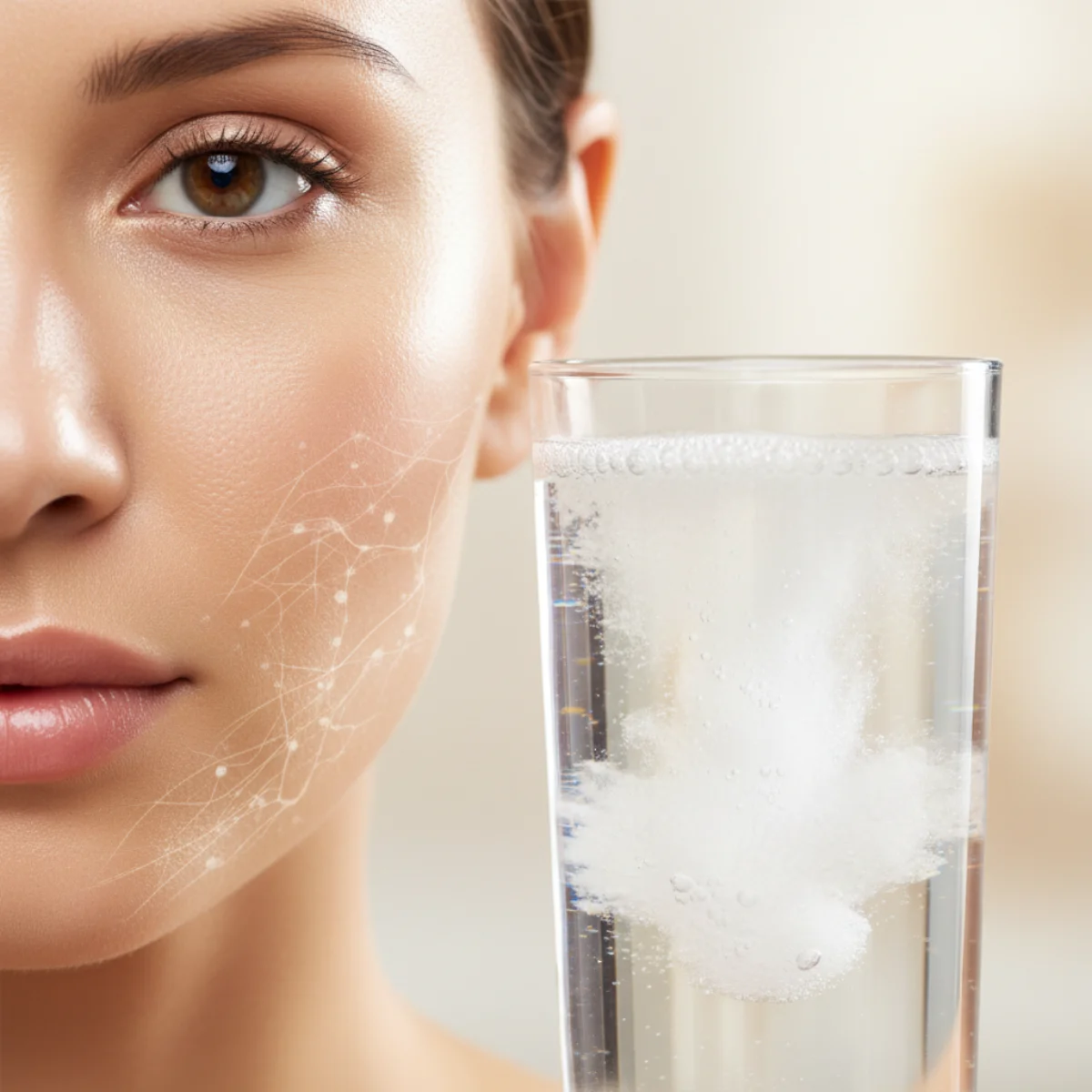
For those seeking to enhance skin health from within, hydrolyzed collagen peptides, particularly derived from marine or bovine sources and rich in types I and III collagen, are widely considered the best collagen for skin. These broken-down protein fragments are readily absorbed by the body, where they can stimulate the natural production of collagen and other vital skin components like elastin and hyaluronic acid, leading to improvements in skin elasticity, hydration, and overall appearance.
Understanding Collagen and Skin Health
Collagen is the most abundant protein in the human body, forming the structural framework of our skin, bones, tendons, ligaments, and other connective tissues. In the skin, collagen provides strength, elasticity, and a youthful plumpness. It works in conjunction with elastin, which gives skin its flexibility, and hyaluronic acid, which helps retain moisture.
As we age, typically starting in our mid-20s, the body's natural collagen production begins to decline. This decline is accelerated by factors such as sun exposure, pollution, smoking, and poor nutrition. The reduction in collagen leads to common signs of aging like fine lines, wrinkles, sagging skin, and decreased hydration. While topical creams containing collagen exist, the collagen molecules are generally too large to penetrate the skin barrier effectively. This is why many turn to oral collagen supplements, aiming to replenish collagen stores from the inside out.
The goal of oral collagen supplementation is not to directly deposit collagen into the skin, but rather to provide the body with the amino acid building blocks and signaling peptides it needs to synthesize its own new collagen. This process can help to counteract the natural decline and support healthier, more resilient skin.
How We Chose the Best Collagen for Skin
Our selection methodology for identifying the best collagen for skin is rooted in scientific evidence, bioavailability, purity, and user experience. We prioritize forms of collagen that have demonstrated efficacy in human clinical trials for skin health benefits.
- Hydrolyzed Collagen Peptides: This is paramount. Collagen must be broken down into smaller peptides to be effectively absorbed and utilized by the body.
- Collagen Types I and III: These are the predominant types found in skin and are most relevant for skin health benefits.
- Source Purity and Sustainability: We consider the source (bovine, marine) and look for products that are free from heavy metals, contaminants, and unnecessary additives. Sustainable sourcing is also a plus.
- Bioavailability: The ability of the body to absorb and utilize the collagen is crucial. Hydrolyzed forms are inherently more bioavailable.
- Evidence-Based Dosing: We look for products that provide dosages consistent with those used in successful clinical studies.
- Third-Party Testing: Independent verification of purity and potency provides an extra layer of assurance for consumers.
- Formulation and Mixability: While not directly impacting efficacy, ease of use contributes to consistent supplementation.
By adhering to these criteria, we aim to provide recommendations that are not only effective but also safe and reliable for long-term use.
The Top Contenders: Best Collagen Types for Skin
Hydrolyzed Collagen Peptides (Type I & III)
Hydrolyzed collagen, also known as collagen peptides, is the gold standard when it comes to oral collagen supplementation for skin health. The hydrolysis process breaks down large collagen molecules into smaller, more digestible peptides. These peptides are rich in specific amino acids like glycine, proline, and hydroxyproline, which are crucial for the body's own collagen synthesis.
Once absorbed, these peptides travel through the bloodstream to various tissues, including the skin. Here, they act in two primary ways: first, by providing the raw materials for fibroblasts (skin cells) to produce new collagen, elastin, and hyaluronic acid; and second, by signaling to these fibroblasts to increase their activity. Numerous studies have shown that consistent intake of hydrolyzed collagen can lead to significant improvements in skin elasticity, hydration, and a reduction in the appearance of wrinkles.
The efficacy of hydrolyzed collagen is well-supported by research, making it the primary recommendation for anyone looking to improve their skin from within. Doses typically range from 2.5 grams to 10 grams per day, with benefits often observed after 8-12 weeks of consistent use.
Marine Collagen Peptides
Marine collagen is derived from the skin and scales of fish, primarily cod or snapper. It is predominantly Type I collagen, which is the most abundant type found in human skin. One of the key advantages often cited for marine collagen is its potentially superior bioavailability compared to other sources. Its smaller peptide size is thought to allow for easier absorption into the bloodstream.
Research suggests that marine collagen can be particularly effective for skin health due to its high concentration of glycine, proline, and hydroxyproline. Studies have indicated its potential to improve skin elasticity, hydration, and reduce the depth of wrinkles. It's also a popular choice for those who avoid bovine products for dietary or ethical reasons.
Marine collagen is generally well-tolerated, with a low risk of allergic reactions (though individuals with fish allergies should avoid it). It's often favored for its clean taste profile when mixed into beverages. When considering which product is right for you, exploring dedicated resources like our guide to collagen for skin products can provide valuable insights into specific formulations and brands.
Bovine Collagen Peptides
Bovine collagen, sourced from the hides of cows, is another highly effective option for skin health. It is rich in both Type I and Type III collagen, making it an excellent choice for supporting the structural integrity of the skin. Type I collagen contributes to skin strength and elasticity, while Type III is often found alongside Type I in rapidly growing tissues and plays a role in skin suppleness.
Similar to marine collagen, bovine collagen undergoes hydrolysis to create peptides that are easily absorbed. Clinical studies on bovine collagen peptides have demonstrated their ability to improve skin hydration, elasticity, and reduce the signs of aging. It's a widely available and often more cost-effective option than marine collagen.
Bovine collagen is a robust choice for general skin support and is suitable for most individuals, provided there are no specific dietary restrictions against beef products. It often comes in a tasteless, odorless powder form, making it versatile for mixing into various foods and drinks. Many individuals find great success in incorporating a high-quality hydrolyzed collagen supplement into their daily regimen, and for more detailed product recommendations, you can refer to our curated selection of collagen for skin options.
Vegan Collagen Boosters
It's important to clarify that true collagen is an animal-derived protein. Therefore, there is no such thing as