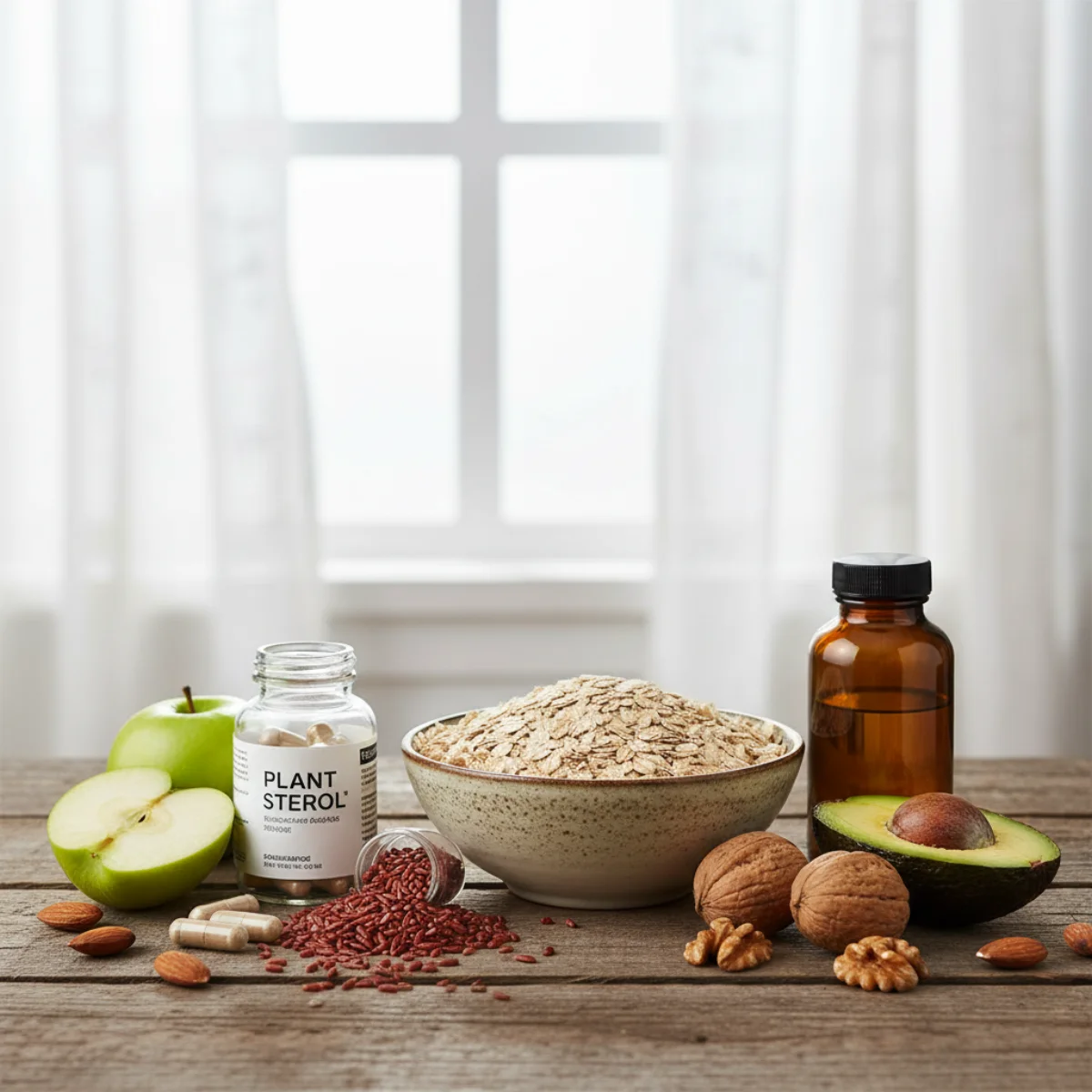
For many individuals seeking to proactively manage their cardiovascular health, the quest for the best cholesterol supplement is a significant one. While lifestyle modifications like diet and exercise form the bedrock of cholesterol management, certain dietary supplements have demonstrated the potential to support healthy lipid levels. This comprehensive guide delves into the most evidence-backed options, exploring their mechanisms of action, optimal dosing, safety profiles, and who stands to benefit most, empowering you to make informed decisions in consultation with your healthcare provider.
Understanding Cholesterol and the Role of Supplements
Cholesterol, a waxy, fat-like substance found in all cells of your body, is essential for producing hormones, vitamin D, and substances that help you digest foods. However, high levels of certain types of cholesterol, particularly low-density lipoprotein (LDL) cholesterol, often referred to as 'bad' cholesterol, can lead to plaque buildup in arteries, increasing the risk of heart disease and stroke. High-density lipoprotein (HDL) cholesterol, or 'good' cholesterol, helps remove excess cholesterol from the body.
While diet and exercise are primary tools for managing cholesterol, some individuals may look to dietary supplements to further support their efforts. It's crucial to understand that supplements are not a substitute for prescribed medications or a healthy lifestyle, but rather a complementary approach. The effectiveness of a cholesterol supplement can vary widely depending on the specific ingredient, individual physiology, and overall health context.
Our Methodology for Selecting the Best Cholesterol Supplements
Our selection of the best cholesterol supplements is rooted in an evidence-led approach, prioritizing ingredients with robust scientific backing from human clinical trials. We consider several key factors:
- Efficacy: How consistently and significantly does the supplement impact LDL, HDL, and triglyceride levels?
- Safety Profile: What are the potential side effects, drug interactions, and contraindications?
- Mechanism of Action: How does the supplement work at a physiological level to influence cholesterol?
- Dosing and Bioavailability: Is there a clear, effective dose, and is the supplement well-absorbed by the body?
- Quality and Purity: While we don't endorse specific brands, we emphasize the importance of third-party testing and reputable manufacturers for any cholesterol supplement.
- Accessibility: Are these supplements generally available and practical for long-term use?
Based on these criteria, we have identified several top contenders that offer distinct benefits for cholesterol management.
Top Picks for Cholesterol Management
1. Plant Sterols and Stanols
What they are and how they work: Plant sterols and stanols are natural compounds found in small amounts in plant foods like fruits, vegetables, nuts, seeds, cereals, and vegetable oils. Structurally similar to cholesterol, they compete with dietary cholesterol for absorption in the intestine. By blocking cholesterol absorption, they effectively reduce the amount of cholesterol that enters the bloodstream.
Evidence by outcome: Numerous clinical trials have consistently shown that consuming 2-3 grams of plant sterols or stanols daily can reduce LDL cholesterol by 5-15% without significantly affecting HDL cholesterol or triglycerides. This effect is well-established and recognized by major health organizations worldwide.
Bioavailability and dose-form: Plant sterols and stanols are often incorporated into fortified foods like margarine, yogurt, and orange juice, or available as dietary supplements in capsule or tablet form. The recommended daily intake for cholesterol lowering is typically 2-3 grams, divided into two doses with meals for optimal absorption.
Safety and interactions: Plant sterols and stanols are generally considered safe and well-tolerated. Minor gastrointestinal issues like constipation or diarrhea are rare. They do not typically interact with cholesterol-lowering medications like statins, and in some cases, may offer an additive benefit. However, they can slightly reduce the absorption of fat-soluble vitamins (A, D, E, K), so it's advisable to ensure adequate intake of these vitamins, especially with long-term use.
Who should pick them: Plant sterols and stanols are an excellent choice for individuals with mildly elevated LDL cholesterol, those looking for an additional tool to complement statin therapy (under medical guidance), or anyone seeking a safe and effective dietary intervention for cholesterol management.
2. Red Yeast Rice
What it is and how it works: Red yeast rice is a traditional Chinese fermented food product that contains several compounds known as monacolins. One of these, monacolin K, is chemically identical to lovastatin, a prescription statin drug. Monacolin K works by inhibiting HMG-CoA reductase, an enzyme in the liver crucial for cholesterol synthesis, thereby reducing the body's production of cholesterol.
Evidence by outcome: Studies have shown that red yeast rice, particularly formulations standardized for monacolin K, can significantly lower LDL cholesterol, total cholesterol, and triglycerides. The degree of reduction can be comparable to low-dose statins, with LDL reductions often ranging from 15-25%.
Bioavailability and dose-form: Red yeast rice is available in capsule or tablet form. Dosing varies widely depending on the monacolin K content, but common recommendations range from 600 mg to 1200 mg taken once or twice daily. Due to regulatory complexities and quality control issues, the actual monacolin K content can vary significantly between products, with some containing little to none, and others containing high, unregulated amounts.
Safety and interactions: Because monacolin K is a statin, red yeast rice carries similar potential side effects to prescription statins, including muscle pain (myopathy), liver enzyme elevations, and gastrointestinal upset. It can interact with other medications metabolized by the same liver enzymes, such as grapefruit juice, certain antibiotics, and antifungals. Pregnant or breastfeeding women, individuals with liver disease, and those taking other cholesterol-lowering medications should avoid red yeast rice unless specifically advised and monitored by a healthcare professional.
Who should pick it: Red yeast rice may be considered by individuals who cannot tolerate conventional statin medications due to side effects, but only under strict medical supervision and with careful monitoring of liver function and muscle symptoms. Due to significant quality control concerns, choosing a reputable brand that provides third-party testing for monacolin K content and absence of contaminants (like citrinin, a kidney toxin) is paramount.
3. Soluble Fiber (Psyllium, Beta-Glucans)
What it is and how it works: Soluble fiber is a type of dietary fiber that dissolves in water to form a gel-like substance. Common sources include psyllium husk, oats (beta-glucans), barley, apples, and beans. In the digestive tract, soluble fiber binds to bile acids, which are made from cholesterol and are essential for fat digestion. By binding to bile acids, soluble fiber promotes their excretion from the body. To replenish bile acids, the liver must draw more cholesterol from the bloodstream, thereby lowering circulating LDL cholesterol.
Evidence by outcome: Extensive research consistently demonstrates that increasing soluble fiber intake can lead to modest but significant reductions in LDL cholesterol (typically 5-10%). It also contributes to better blood sugar control and digestive health. The FDA has recognized the heart-health benefits of soluble fiber from oats and psyllium.
Bioavailability and dose-form: Soluble fiber is readily available in whole foods and as supplements. Psyllium husk is a popular supplement, often taken as a powder mixed with water. Beta-glucans are found in oat bran and barley. A daily intake of 5-10 grams of soluble fiber is generally recommended for cholesterol-lowering effects, often divided into multiple doses throughout the day.
Safety and interactions: Soluble fiber is very safe. The most common side effects are bloating, gas, and abdominal discomfort, especially when first introduced or if intake is increased too rapidly. These can be mitigated by starting with a low dose and gradually increasing it, along with ensuring adequate fluid intake. Soluble fiber can interfere with the absorption of some medications if taken simultaneously, so it's advisable to take medications at least 1-2 hours before or after fiber supplements.
Who should pick it: Soluble fiber is a foundational supplement suitable for almost everyone, particularly those looking for a gentle, natural way to support cholesterol levels, improve digestive regularity, and enhance satiety. It's an excellent addition to any heart-healthy diet.
4. Niacin (Vitamin B3)
What it is and how it works: Niacin, or vitamin B3, is a water-soluble vitamin that plays a role in various metabolic processes. At pharmacological doses (much higher than typical dietary intake), niacin has powerful effects on lipid profiles. It primarily works by inhibiting the synthesis of very-low-density lipoprotein (VLDL) in the liver, which in turn reduces the production of LDL cholesterol and triglycerides. Niacin is also unique in its ability to significantly raise HDL cholesterol levels.
Evidence by outcome: Niacin has a long history of use in lipid management. It can lower LDL cholesterol by 10-20%, reduce triglycerides by 20-50%, and increase HDL cholesterol by 15-35%. However, recent large-scale clinical trials have questioned whether these favorable changes in lipid markers translate into a significant reduction in cardiovascular events when added to statin therapy, especially given its side effect profile.
Bioavailability and dose-form: Niacin is available in immediate-release, sustained-release, and extended-release forms. The extended-release form (often prescription) is generally preferred for lipid modification due to a lower incidence of flushing. Doses for cholesterol management are typically high, ranging from 1 to 3 grams per day, gradually titrated upwards under medical supervision.
Safety and interactions: The most common and bothersome side effect of niacin is the 'niacin flush,' characterized by redness, warmth, itching, and tingling of the skin, caused by prostaglandin release. This can be minimized by starting with low doses, taking it with food, and sometimes by pre-treating with aspirin. Other potential side effects include gastrointestinal upset, liver toxicity (especially with sustained-release forms), increased blood sugar, and increased uric acid (potentially worsening gout). Niacin can interact with statins (increasing muscle side effects), blood pressure medications, and blood thinners.
Who should pick it: Niacin is generally reserved for individuals with specific lipid abnormalities (e.g., very high triglycerides, low HDL) who cannot tolerate statins or as an adjunct therapy under strict medical guidance. Due to its significant side effects and potential for interactions, niacin should always be initiated and monitored by a healthcare professional.
5. Berberine
What it is and how it works: Berberine is a bioactive compound extracted from several different plants, including Berberis aristata (Indian barberry) and Coptis chinensis (goldthread). Its mechanism of action for cholesterol lowering is multifaceted. It is believed to activate AMP-activated protein kinase (AMPK), an enzyme that plays a central role in cellular energy homeostasis and lipid metabolism. This activation can lead to reduced cholesterol synthesis in the liver, increased LDL receptor expression (leading to more LDL clearance from the blood), and reduced triglyceride synthesis.
Evidence by outcome: Preliminary studies and meta-analyses suggest that berberine can significantly lower total cholesterol, LDL cholesterol, and triglycerides, while also having a modest effect on raising HDL cholesterol. It has also shown promise in improving blood sugar control and reducing insulin resistance, making it a compound of interest for metabolic health broadly.
Bioavailability and dose-form: Berberine has relatively poor oral bioavailability, meaning a significant portion may not be absorbed into the bloodstream. It is typically available in capsule form, with common doses ranging from 500 mg taken 2-3 times daily. Some formulations aim to improve bioavailability.
Safety and interactions: Berberine is generally well-tolerated, but gastrointestinal side effects such as constipation, diarrhea, flatulence, and abdominal pain are common, especially at higher doses. It can interact with several medications, particularly those metabolized by the cytochrome P450 system in the liver, potentially altering their effectiveness or increasing their side effects. These include blood thinners, immunosuppressants, and some diabetes medications. Pregnant or breastfeeding women should avoid berberine.
Who should pick it: Berberine may be considered by individuals seeking a natural compound to support multiple aspects of metabolic health, including cholesterol, triglycerides, and blood sugar. It is particularly appealing for those with prediabetes or type 2 diabetes who also have dyslipidemia. However, due to potential drug interactions and GI side effects, it should be used with caution and under medical advice.
6. Omega-3 Fatty Acids (EPA/DHA)
What they are and how they work: Omega-3 fatty acids, primarily eicosapentaenoic acid (EPA) and docosahexaenoic acid (DHA), are polyunsaturated fats found abundantly in fatty fish like salmon, mackerel, and sardines, and available as fish oil supplements. While often associated with overall heart health, their primary impact on cholesterol is through triglyceride reduction. They work by reducing the liver's production of VLDL (which carries triglycerides) and enhancing the clearance of triglycerides from the blood.
Evidence by outcome: Omega-3s are highly effective at lowering high triglyceride levels, with doses of 2-4 grams of EPA+DHA daily capable of reducing triglycerides by 20-30% or more. They have a modest effect on raising HDL cholesterol but generally do not significantly lower LDL cholesterol; in some cases, very high doses might slightly increase LDL. However, their overall cardiovascular benefits, particularly in individuals with high triglycerides and established heart disease, are well-documented.
Bioavailability and dose-form: Omega-3 supplements are widely available as fish oil capsules, often standardized for EPA and DHA content. Prescription-grade omega-3 formulations exist for very high triglycerides. For general heart health, 1 gram of EPA+DHA daily is common, while 2-4 grams daily are typically used for triglyceride lowering. The triglyceride form (rTG) is generally considered to have superior bioavailability compared to ethyl ester (EE) forms.
Safety and interactions: Omega-3s are generally safe. Common side effects include fishy aftertaste or burps, and mild gastrointestinal upset. At very high doses (e.g., >3 grams EPA+DHA daily), there's a theoretical increased risk of bleeding, especially in individuals taking blood thinners like warfarin or aspirin. However, clinical evidence for significant bleeding risk at these doses is mixed. It's prudent to consult a doctor if you are on blood-thinning medication.
Who should pick them: Omega-3 fatty acids are an excellent choice for individuals with elevated triglyceride levels. They also offer broader cardiovascular benefits, including anti-inflammatory effects and support for blood pressure, making them a valuable supplement for general heart health maintenance.
How to Choose the Right Cholesterol Supplement for You
Selecting the best cholesterol supplement is a personalized process that should involve careful consideration and, ideally, guidance from a healthcare professional. Here are key steps:
- Understand Your Lipid Profile: Know your specific LDL, HDL, and triglyceride levels. Different supplements target different aspects of cholesterol.
- Consult Your Doctor: This is paramount. Discuss your cholesterol levels, overall health, current medications, and any potential supplement choices with your physician. They can help identify potential interactions and ensure the supplement is appropriate for your individual health needs.
- Prioritize Lifestyle: Remember that no supplement can fully compensate for an unhealthy diet or lack of exercise. Supplements are meant to complement, not replace, a heart-healthy lifestyle.
- Consider Side Effects and Interactions: Be aware of the potential side effects and drug interactions for any supplement you consider.
- Look for Quality: Choose reputable brands that provide third-party testing for purity, potency, and absence of contaminants. This is especially critical for supplements like red yeast rice.
- Start Low, Go Slow: When introducing a new supplement, start with a lower dose and gradually increase it to assess tolerance and minimize potential side effects.
Important Considerations and When to Talk to Your Doctor
While dietary supplements can play a supportive role, it's crucial to approach cholesterol management holistically. Regular monitoring of your lipid levels is essential to assess the effectiveness of any intervention, whether it's lifestyle changes, medication, or supplements.
You should always talk to your doctor before starting any new cholesterol supplement, especially if:
- You are already taking prescription medications for cholesterol (e.g., statins) or other conditions.
- You have a history of liver disease, kidney disease, diabetes, or other chronic health issues.
- You are pregnant or breastfeeding.
- You experience any new or worsening symptoms after starting a supplement.
Your doctor can help you integrate supplements safely into your overall health plan, ensuring they work synergistically with other treatments and lifestyle choices.
Conclusion
The journey to optimal cardiovascular health is multifaceted, and the best cholesterol supplement is one that aligns with your individual needs, is supported by evidence, and is used safely under professional guidance. Plant sterols, red yeast rice (with caution), soluble fiber, niacin (under strict medical supervision), berberine, and omega-3 fatty acids each offer distinct mechanisms to support healthy lipid levels. By combining informed choices with a commitment to a heart-healthy lifestyle, you can take proactive steps toward better cholesterol management and overall well-being.