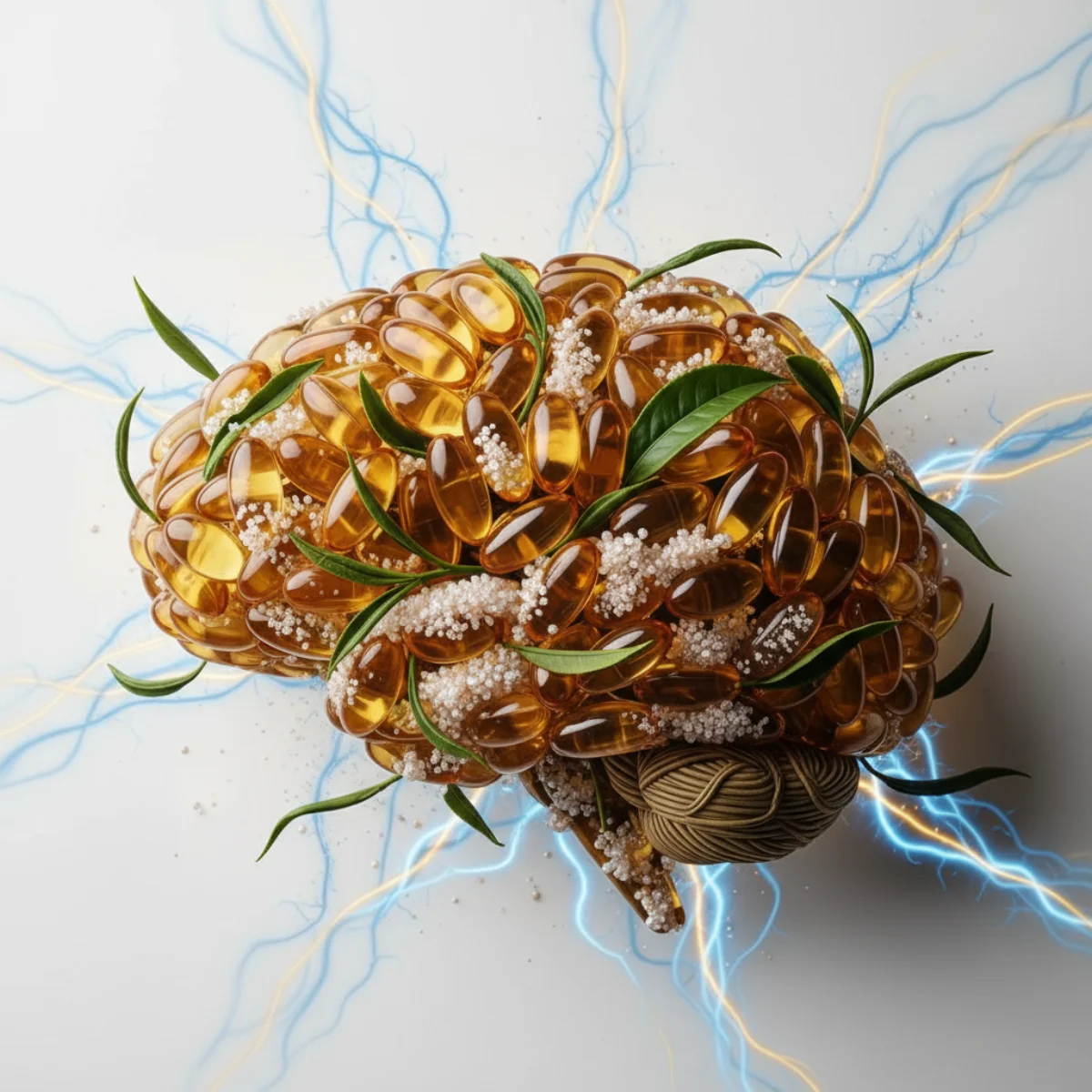
When searching for the best brain supplement, it's crucial to understand that no single 'magic pill' exists. Cognitive function is complex, influenced by diet, lifestyle, and genetics. However, certain dietary supplements have garnered significant scientific attention for their potential to support various aspects of brain health, from memory and focus to mood and energy. This article delves into the most evidence-backed options, providing a comprehensive guide to help you make informed choices based on your individual needs and goals.
Understanding Brain Supplements: Our Approach
The market for brain supplements, often called nootropics, is vast and can be overwhelming. Our approach to identifying the 'best brain supplement' is rooted in scientific evidence, safety, and practical application. We prioritize ingredients that have demonstrated efficacy in human trials, focusing on those with a clear mechanism of action and a favorable safety profile. We also consider the accessibility and affordability of these supplements, ensuring our recommendations are practical for a wide audience.
It's important to recognize that 'best' is subjective and depends on individual needs. What works for one person seeking improved focus might not be ideal for another aiming to support long-term memory. This guide will present a curated list of top contenders, explaining their benefits, mechanisms, recommended dosages, and who might benefit most from each. Remember, supplements are intended to complement a healthy lifestyle, not replace it. Factors like adequate sleep, a balanced diet, regular exercise, and stress management form the bedrock of optimal brain health. For a broader selection of cognitive enhancers, explore our dedicated section on brain supplements.
Creatine: Fueling Brain Energy
While often associated with muscle building, creatine is also a powerful brain supplement with significant cognitive benefits. It plays a crucial role in cellular energy production, particularly in tissues with high energy demands like the brain.
Mechanism and Benefits
Creatine helps to regenerate adenosine triphosphate (ATP), the primary energy currency of cells. In the brain, this means a more readily available energy supply for neurons, which is vital for complex cognitive tasks. Research suggests that creatine supplementation may improve short-term memory, reasoning ability, and processing speed, especially in situations of sleep deprivation or mental fatigue. It may also support cognitive function in vegetarians and vegans, who typically have lower dietary creatine intake.
Recommended Dosage and Safety
For cognitive benefits, a typical dosage ranges from 3 to 5 grams per day. It can be taken at any time of day, with or without food. Creatine is one of the most extensively studied supplements and is generally considered safe for healthy individuals when taken within recommended doses. Potential side effects are usually mild and may include gastrointestinal upset, particularly with very high doses, and water retention. Adequate hydration is important when supplementing with creatine.
Who It Suits Best
Creatine is particularly beneficial for individuals who experience mental fatigue, those with demanding cognitive tasks, or anyone looking for a boost in processing speed and memory. Vegetarians and vegans may find it especially useful due to their typically lower dietary intake.
Omega-3 Fatty Acids (DHA/EPA): The Brain's Building Blocks
Omega-3 fatty acids, particularly docosahexaenoic acid (DHA) and eicosapentaenoic acid (EPA), are essential fats that are critical for brain health and function. They are integral components of brain cell membranes.
Mechanism and Benefits
DHA is a major structural component of the cerebral cortex, the area of the brain responsible for memory, language, and abstract thought. EPA, while also important, is more recognized for its anti-inflammatory properties, which can indirectly benefit brain health by reducing systemic inflammation. Together, omega-3s support neurotransmitter function, improve synaptic plasticity (the ability of synapses to strengthen or weaken over time), and protect against oxidative stress. Studies suggest that adequate omega-3 intake is associated with better memory, improved mood, and a reduced risk of cognitive decline.
Recommended Dosage and Safety
For general brain health, a combined daily dose of 250-500 mg of DHA and EPA is often recommended. Higher doses may be used for specific conditions under medical supervision. Omega-3 supplements are generally safe. Potential side effects are usually mild and include a fishy aftertaste, bad breath, heartburn, nausea, or diarrhea. High doses may have blood-thinning effects, so individuals on anticoagulant medications should consult a doctor.
Who It Suits Best
Omega-3s are beneficial for nearly everyone, especially those whose diets are low in fatty fish (like salmon, mackerel, and sardines). They are particularly important for supporting long-term brain health, memory, and mood regulation across all age groups.
L-Theanine: Calm Focus from Green Tea
L-Theanine is an amino acid found primarily in green tea, known for its unique ability to promote a state of relaxed alertness without sedation.
Mechanism and Benefits
L-Theanine directly influences brain activity by increasing alpha wave production, which is associated with a state of 'wakeful relaxation.' It also modulates the levels of several neurotransmitters, including GABA (an inhibitory neurotransmitter that calms the nervous system), dopamine, and serotonin. This combination results in improved focus and attention, reduced anxiety and stress, and enhanced cognitive performance, particularly when combined with caffeine. It can smooth out the jittery effects of caffeine while enhancing its cognitive benefits.
Recommended Dosage and Safety
A common dose for L-Theanine is 100-200 mg, often taken 1-2 times daily. When combined with caffeine, a 1:1 or 2:1 ratio (L-Theanine to caffeine) is frequently used. L-Theanine is very well-tolerated with an excellent safety profile and very few reported side effects, even at higher doses. It does not typically cause drowsiness.
Who It Suits Best
L-Theanine is ideal for individuals seeking to improve focus and attention without the jitters often associated with stimulants. It's excellent for students, professionals, or anyone needing to concentrate for extended periods, especially when combined with coffee or other caffeinated beverages.
Bacopa Monnieri: Traditional Wisdom for Memory
Bacopa monnieri is an herb used for centuries in Ayurvedic medicine for its cognitive-enhancing properties, particularly its ability to support memory and learning.
Mechanism and Benefits
The active compounds in Bacopa monnieri are bacosides, which are believed to enhance nerve impulse transmission, repair damaged neurons, and improve synaptic communication. Bacopa also possesses antioxidant properties, protecting brain cells from oxidative damage. Clinical studies suggest that consistent supplementation with Bacopa monnieri can lead to improvements in memory recall, learning rate, and information processing. Some research also indicates a potential for reducing anxiety and improving mood.
Recommended Dosage and Safety
Typical dosages range from 300-450 mg of an extract standardized to 50% bacosides, taken once daily. It's often recommended to take Bacopa with food to minimize potential gastrointestinal upset. Bacopa monnieri is generally considered safe for long-term use, though some individuals may experience mild side effects such as nausea, stomach cramps, or dry mouth. Its effects are not immediate and usually become noticeable after several weeks of consistent use.
Who It Suits Best
Bacopa monnieri is particularly suitable for individuals looking for long-term support for memory, learning, and overall cognitive function. It may be especially beneficial for students, older adults, or anyone seeking to enhance their ability to retain new information and recall existing memories.
Ginkgo Biloba: Supporting Cerebral Circulation
Ginkgo biloba is one of the oldest living tree species and its leaf extract has been widely studied for its potential benefits on brain health, primarily related to blood flow.
Mechanism and Benefits
Ginkgo biloba extract contains flavonoids and terpenoids, which are powerful antioxidants and compounds that may improve blood circulation, particularly to the brain. By enhancing cerebral blood flow, Ginkgo may ensure that brain cells receive adequate oxygen and nutrients, which are essential for optimal function. Preliminary evidence suggests it may support memory, attention, and cognitive speed, especially in older adults. It also acts as an antioxidant, protecting brain cells from damage caused by free radicals.
Recommended Dosage and Safety
Common dosages for standardized Ginkgo biloba extract (typically 24% flavone glycosides and 6% terpene lactones) range from 120-240 mg per day, often divided into two or three doses. Ginkgo is generally well-tolerated, but potential side effects can include mild gastrointestinal upset, headache, or dizziness. Due to its potential blood-thinning effects, individuals on anticoagulant medications or with bleeding disorders should consult a healthcare professional before use. It's also advisable to discontinue use prior to surgery.
Who It Suits Best
Ginkgo biloba is often chosen by older adults seeking to maintain cognitive function and memory as they age. It may also appeal to individuals looking to support overall brain circulation and antioxidant protection.
Choline (Alpha-GPC/CDP-Choline): Neurotransmitter Precursors
Choline is an essential nutrient that plays a vital role in various bodily functions, including brain health. Two highly bioavailable forms, Alpha-GPC and CDP-Choline (Citicoline), are popular as brain supplements.
Mechanism and Benefits
Choline is a precursor to acetylcholine, a crucial neurotransmitter involved in memory, learning, and muscle control. By providing the building blocks for acetylcholine, Alpha-GPC and CDP-Choline can help optimize its levels in the brain. Alpha-GPC is known for its ability to readily cross the blood-brain barrier and increase acetylcholine synthesis. CDP-Choline not only provides choline but also cytidine, which is converted into uridine, a nucleotide that supports brain cell membrane repair and synthesis. Both forms are studied for their potential to enhance memory, focus, and overall cognitive performance, and may offer neuroprotective benefits.
Recommended Dosage and Safety
For Alpha-GPC, typical doses range from 300-600 mg per day. For CDP-Choline, 250-500 mg per day is common. These supplements are generally well-tolerated. Possible side effects are usually mild and can include headache, nausea, or gastrointestinal upset, especially at higher doses. It's always best to start with a lower dose to assess tolerance.
Who It Suits Best
Choline supplements like Alpha-GPC and CDP-Choline are ideal for individuals looking to enhance memory, improve focus, and support overall brain health, particularly those interested in optimizing acetylcholine levels. They are often favored by students, professionals, and older adults.
How to Choose the Best Brain Supplement for You
Selecting the best brain supplement involves more than just picking a popular option; it requires a thoughtful consideration of your individual needs, health status, and goals. Here's how to make an informed decision:
Factors to Consider
- Your Specific Goals: Are you looking for improved memory, better focus, reduced anxiety, or overall brain health? Different supplements target different aspects of cognition.
- Dietary Habits: If you're vegetarian or vegan, creatine might be particularly beneficial. If you don't eat much fish, omega-3s are a strong contender.
- Age and Health Status: Older adults might benefit more from Ginkgo or Bacopa for memory, while younger individuals might prioritize L-Theanine for focus. Always consider any existing health conditions or medications, and consult a healthcare professional.
- Quality and Purity: Always choose reputable brands that provide third-party testing for purity and potency. Look for transparent labeling and avoid proprietary blends that don't disclose individual ingredient amounts.
- Budget: Supplements vary widely in price. Consider what you can consistently afford, as many brain supplements require long-term use for optimal effects.
Stacking and Synergies
Some individuals choose to 'stack' multiple brain supplements to achieve synergistic effects. For example, L-Theanine and caffeine are a classic combination for calm focus. Omega-3s can be combined with almost any other nootropic for foundational brain health. However, always introduce new supplements one at a time to monitor your body's response and avoid potential interactions. Consulting a healthcare provider before starting a complex supplement regimen is always recommended.
When to Consult a Professional
While brain supplements can support cognitive function, they are not a substitute for medical advice or treatment for serious cognitive decline or neurological conditions. If you experience significant or sudden changes in memory, concentration, or mood, it's crucial to consult a doctor. They can help diagnose underlying issues and recommend appropriate interventions. Supplements should always be discussed with your healthcare provider, especially if you are pregnant, nursing, have a medical condition, or are taking other medications. For more detailed information on specific products and their benefits, you can explore our comprehensive range of brain supplements.