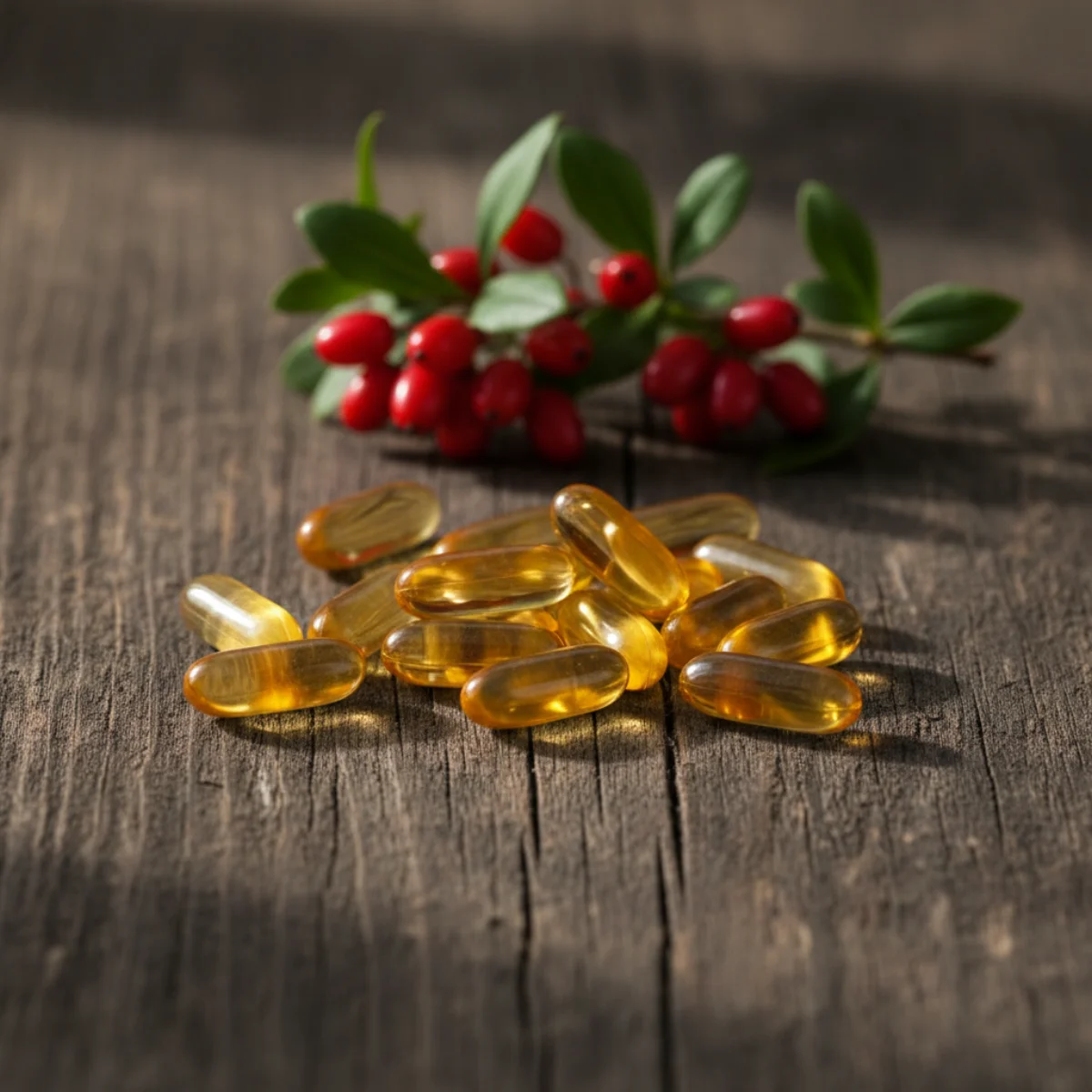
Navigating the vast world of dietary supplements can be challenging, especially when seeking a specific compound like berberine. This powerful plant alkaloid has garnered significant attention for its potential to support various aspects of metabolic health, making the quest for the best berberine supplement a common one. This article aims to cut through the noise, providing you with an evidence-led guide to understanding berberine, evaluating different products, and ultimately choosing the supplement that best aligns with your individual health objectives. We'll delve into what makes berberine effective, how to identify high-quality formulations, and what factors to consider before making your purchase.
Understanding Berberine: A Potent Botanical Compound
Berberine is a bioactive compound extracted from several different plants, including Berberis aquifolium (Oregon grape), Berberis vulgaris (barberry), Coptis chinensis (goldthread), and Hydrastis canadensis (goldenseal). Historically, it has been used for centuries in traditional Chinese and Ayurvedic medicine for its broad range of therapeutic properties. Modern scientific research has begun to validate many of these traditional uses, focusing primarily on berberine's profound impact on metabolic health.
The primary mechanism through which berberine exerts its beneficial effects is by activating adenosine monophosphate-activated protein kinase (AMPK). AMPK is often referred to as a 'master switch' for metabolism, playing a crucial role in cellular energy homeostasis. When activated, AMPK helps regulate glucose and lipid metabolism, promotes fatty acid oxidation, and influences insulin signaling pathways. This activation leads to a cascade of effects, including improved insulin sensitivity, reduced glucose production in the liver, and enhanced glucose uptake by cells.
Beyond AMPK activation, berberine is also studied for its influence on the gut microbiome. Emerging evidence suggests it can modulate the composition of gut bacteria, promoting beneficial species and potentially reducing harmful ones. A healthy gut microbiome is increasingly recognized as vital for overall metabolic health, immune function, and even mood regulation. Berberine's interaction with the gut may contribute to its systemic effects, including its ability to support healthy blood sugar and lipid levels. Furthermore, berberine exhibits antioxidant and anti-inflammatory properties, which are beneficial for cellular health and may contribute to its overall supportive role in various physiological processes. It's important to note that while research is promising, many of these mechanisms are still being fully elucidated.
How to Evaluate Berberine Supplements
Choosing the best berberine supplement requires a systematic approach that prioritizes efficacy, safety, and value. The framework below is rooted in evidence-based criteria and walks through the key factors that separate genuinely high-quality products from merely popular ones in a crowded market.
Form of Berberine: Berberine HCl Preference
The most common and extensively studied form of berberine is berberine hydrochloride (HCl). This form has demonstrated consistent bioavailability and efficacy in clinical trials. While other forms exist, berberine HCl is generally preferred due to its established track record and stability. Prioritize products that feature berberine HCl, ensuring you receive the form with the most robust scientific backing.
Potency and Purity: Third-Party Testing and COAs
A supplement's potency refers to the amount of active ingredient per serving, while purity ensures it's free from contaminants like heavy metals, pesticides, and microbial impurities. We prioritize brands that provide transparent third-party testing results, often in the form of Certificates of Analysis (COAs). These independent lab tests verify that what's on the label is in the bottle, and that the product meets stringent safety standards. Without this verification, it's difficult to trust a supplement's quality.
Bioavailability: Enhanced Formulations and Delivery Systems
Berberine naturally has relatively low oral bioavailability, meaning only a small percentage is absorbed into the bloodstream. Some manufacturers address this by incorporating bioavailability enhancers such as piperine (black pepper extract), milk thistle extract (silymarin), or by utilizing advanced delivery systems like liposomal formulations. While not strictly necessary for all users, these enhancements can improve absorption and potentially increase efficacy, especially for individuals who may struggle with absorption or experience gastrointestinal discomfort with standard berberine.
Ingredient Synergy: Complementary Compounds
Some berberine supplements are formulated with other beneficial ingredients that work synergistically to enhance specific outcomes. Common additions include alpha-lipoic acid (ALA), chromium, or Ceylon cinnamon, which also support metabolic health. We consider these formulations when they are well-researched and contribute meaningfully to the supplement's overall profile, without compromising the berberine's primary function.
Brand Reputation and Transparency
A brand's reputation for quality, ethical manufacturing practices, and customer service is paramount. We look for companies that are transparent about their sourcing, manufacturing processes, and quality control measures. Brands that are open about their practices and readily provide information instill greater confidence in their products.
Customer Reviews and Value
While not a primary scientific criterion, real-world customer feedback can offer insights into product experience, taste (if applicable), ease of use, and perceived effectiveness. We consider a broad range of customer reviews to gauge overall satisfaction. Finally, we assess the overall value, balancing price with the quality, potency, and features offered by the supplement.
Example Formulation Profiles: Four Common Types of Berberine Supplement
An honest note before we start: the four profiles below are illustrative formulation profiles created to show how the evaluation criteria above apply in practice. They are not reviews or endorsements of specific brands on the market — we have not purchased or tested any product, and the labels used ("Profile A" through "Profile D") describe formulation types, not real products we recommend. Each profile caters to slightly different needs or preferences; use them as templates for comparing the labels of real products you are considering.
Profile A: Standard Berberine HCl 500mg (Standardized Purity)
This profile fits those seeking a straightforward, high-quality berberine HCl product without additional ingredients. A strong formulation of this type is built on purity and potency, with readily available third-party testing results for every batch. Each capsule delivers a potent 500mg of berberine HCl, standardized to ensure consistent active compound levels. This standardization is crucial for reliable dosing and predictable effects. Look also for brands that emphasize sustainable sourcing and manufacturing practices. The mechanism of action here primarily revolves around the direct activation of AMPK, supporting glucose metabolism and lipid regulation. This format suits individuals new to berberine or those who prefer a single-ingredient supplement to easily control their dosage and monitor its effects. Typical dosing involves taking one capsule two to three times daily with meals, adjusting based on individual response and healthcare provider advice. Safety is generally good, but as with all supplements, starting with a lower dose and monitoring for any gastrointestinal discomfort is recommended. A single-ingredient profile like this is a sensible baseline when comparing berberine supplements.
Profile B: Berberine with Milk Thistle (Enhanced Absorption)
For individuals concerned about berberine's natural low bioavailability or those seeking additional liver support, a formulation combining berberine with milk thistle extract (silymarin) is a common option. Milk thistle is well-known for its hepatoprotective properties and has been shown to potentially enhance the absorption of berberine. This synergistic blend means you might experience more pronounced effects from a given dose of berberine, while also benefiting from milk thistle's antioxidant and liver-supportive qualities. Each serving typically provides 500mg of berberine HCl alongside a standardized dose of milk thistle extract. This combination is particularly suited for those focusing on comprehensive metabolic health, including liver function, which plays a critical role in glucose and lipid metabolism. The enhanced absorption can also be beneficial for those who have experienced mild gastrointestinal upset with standard berberine, as a more efficient uptake might reduce the amount of unabsorbed berberine in the gut. Dosing usually involves one capsule two times daily with meals. While generally safe, individuals with allergies to milk thistle or those on specific medications should consult a healthcare professional. This type of formulation takes a bioavailability-first approach to berberine supplementation.
Profile C: Extended-Release Berberine (Sustained Action)
Convenience and consistent blood levels are the hallmarks of an extended-release berberine formulation. This innovative formulation is designed to release berberine gradually over several hours, which can help maintain more stable concentrations of the compound in the body throughout the day. This sustained release can be particularly advantageous for minimizing the frequency of dosing – often just once or twice daily – and potentially reducing the likelihood of gastrointestinal side effects that some individuals experience with immediate-release forms. The consistent delivery supports continuous AMPK activation and metabolic regulation. Each tablet typically contains a higher dose, such as 1000mg, designed for prolonged action. This format suits busy individuals who prefer fewer doses or those who have found standard berberine challenging on their digestive system. The sustained action ensures that the body benefits from berberine's effects over a longer period, which can be crucial for maintaining healthy blood sugar and lipid levels. As with all berberine products, it's wise to discuss the appropriate dosage and timing with a healthcare professional, especially when transitioning from an immediate-release product. Extended-release delivery is a newer approach in berberine supplementation, aimed at convenience and steadier levels.
Profile D: Berberine & Alpha Lipoic Acid Complex (Metabolic Support)
For those seeking a more comprehensive approach to metabolic health, a complex combining berberine HCl with Alpha Lipoic Acid (ALA) is a common pairing. ALA is a powerful antioxidant and a coenzyme involved in energy metabolism, known for its ability to support healthy blood sugar levels and nerve function. When paired with berberine, these two compounds offer synergistic benefits for glucose utilization, insulin sensitivity, and antioxidant defense. Each serving typically provides 500mg of berberine HCl and 300mg of ALA, creating a potent duo for metabolic support. This formulation is particularly suited for individuals looking for broad-spectrum support for their metabolic pathways, beyond just the effects of berberine alone. The combined action helps to optimize cellular energy production and protect against oxidative stress, which are both critical for long-term health. Dosing usually involves one capsule two to three times daily with meals. While both ingredients are generally well-tolerated, the combination might require a gradual introduction to assess individual tolerance. This type of complex targets holistic metabolic wellness rather than berberine's effects alone.
Essential Considerations When Buying Berberine
Beyond the example profiles above, understanding the critical factors that define a quality berberine supplement is essential for making an informed decision. These considerations empower you to evaluate any product on the market and ensure you're investing in a supplement that is safe, effective, and suitable for your needs.
Berberine HCl vs. Other Forms
As highlighted in our methodology, berberine hydrochloride (HCl) is the gold standard. While some products might feature berberine sulfate or other derivatives, berberine HCl is the most extensively researched and clinically validated form. It demonstrates consistent efficacy and absorption, making it the preferred choice for most users. Always check the supplement facts label to confirm the specific form of berberine used.
Dosage and Administration
Effective doses of berberine typically range from 500mg to 1500mg per day, often divided into two or three doses. It's generally recommended to take berberine with meals to minimize potential gastrointestinal discomfort and to optimize its effects on post-meal glucose metabolism. Starting with a lower dose (e.g., 500mg once daily) and gradually increasing allows your body to adjust and helps identify your optimal dosage. Always adhere to the manufacturer's recommendations or, ideally, your healthcare provider's advice.
The Role of Bioavailability Enhancers
Berberine's inherent low bioavailability can be a concern for some. Ingredients like piperine (from black pepper), milk thistle extract (silymarin), or specialized delivery systems (e.g., liposomal berberine) are designed to improve absorption. If you've tried standard berberine and haven't experienced the desired effects, or if you're particularly sensitive to gastrointestinal issues, a formulation with a bioavailability enhancer might be beneficial. However, these additions can also increase the cost, so weigh the potential benefits against your budget and individual needs.
Third-Party Testing and Certifications
This cannot be stressed enough: always look for evidence of third-party testing. Reputable brands will submit their products to independent laboratories to verify purity, potency, and absence of contaminants like heavy metals, microbes, and pesticides. Certifications from organizations like NSF International, USP, or ConsumerLab.com provide an extra layer of assurance. If a brand doesn't readily provide COAs or mention third-party testing, it's a red flag. This transparency is crucial for your safety and for ensuring you're getting a product that actually contains what it claims.
Potential Interactions and Contraindications
Berberine is a potent compound and can interact with certain medications. It may lower blood sugar, so individuals taking diabetes medications should use it with caution and under medical supervision to avoid hypoglycemia. It can also affect blood pressure and may interact with blood thinners, immunosuppressants (like cyclosporine), and medications metabolized by the cytochrome P450 system in the liver. Berberine is generally not recommended for pregnant or breastfeeding women due to insufficient safety data. Always discuss any new supplement, including berberine, with your healthcare provider, especially if you have pre-existing health conditions or are taking prescription medications. This proactive step helps prevent adverse interactions and ensures the supplement is appropriate for your individual health profile.
Maximizing Your Berberine Supplement Experience
Taking the best berberine supplement is just one piece of the puzzle for achieving your health goals. To truly maximize its potential benefits, it's important to integrate it within a holistic approach to wellness. Berberine works best when supported by a healthy lifestyle, and understanding how to optimize its use can significantly enhance your results.
Lifestyle Factors: Diet and Exercise
No supplement, including berberine, is a magic bullet. Its effects are often amplified when combined with a balanced diet rich in whole foods, lean proteins, and healthy fats, and low in refined sugars and processed carbohydrates. Regular physical activity also plays a crucial role in metabolic health, improving insulin sensitivity and supporting healthy weight management. Incorporating berberine into a lifestyle that already prioritizes nutrition and exercise will yield the most significant and sustainable benefits.
Monitoring Effects and Adjusting Dosage
Pay attention to how your body responds to berberine. If you're using it to support blood sugar levels, regular monitoring of your glucose can help you and your healthcare provider assess its effectiveness. Similarly, if you're tracking lipid levels, follow up with blood tests as recommended. If you experience any gastrointestinal discomfort, consider reducing your dose, taking it with larger meals, or exploring an extended-release or enhanced-bioavailability formulation. It's a journey of finding what works best for your unique physiology.
When to Consult a Healthcare Professional
While berberine is available over-the-counter, it's a powerful compound with significant physiological effects. It is always advisable to consult with a healthcare professional before starting any new supplement, particularly if you have underlying health conditions, are pregnant or breastfeeding, or are taking any prescription medications. Your doctor can provide personalized advice, help you determine the appropriate dosage, monitor for potential interactions, and ensure that berberine is a safe and suitable addition to your health regimen. This is especially true when considering a product like a berberine supplement for specific health concerns, as professional guidance ensures safe and effective integration into your overall health plan. For more information on specific products, you might find valuable insights by exploring various berberine supplement options.
Conclusion
Choosing the best berberine supplement involves more than just picking a popular brand; it requires an understanding of the compound itself, the different forms available, and the critical factors that contribute to a supplement's quality and effectiveness. By prioritizing berberine HCl, seeking third-party tested products, considering bioavailability enhancers, and being mindful of dosage and potential interactions, you can make an informed decision that supports your health goals.
Remember, berberine is a powerful tool, but it works best as part of a comprehensive wellness strategy that includes a healthy diet, regular exercise, and ongoing communication with your healthcare provider. Your journey to optimal health is unique, and selecting the right berberine supplement is a step towards empowering that journey with evidence-backed choices. Always consult with a medical professional to ensure berberine is appropriate for your individual health needs and to discuss the best way to incorporate it into your routine.