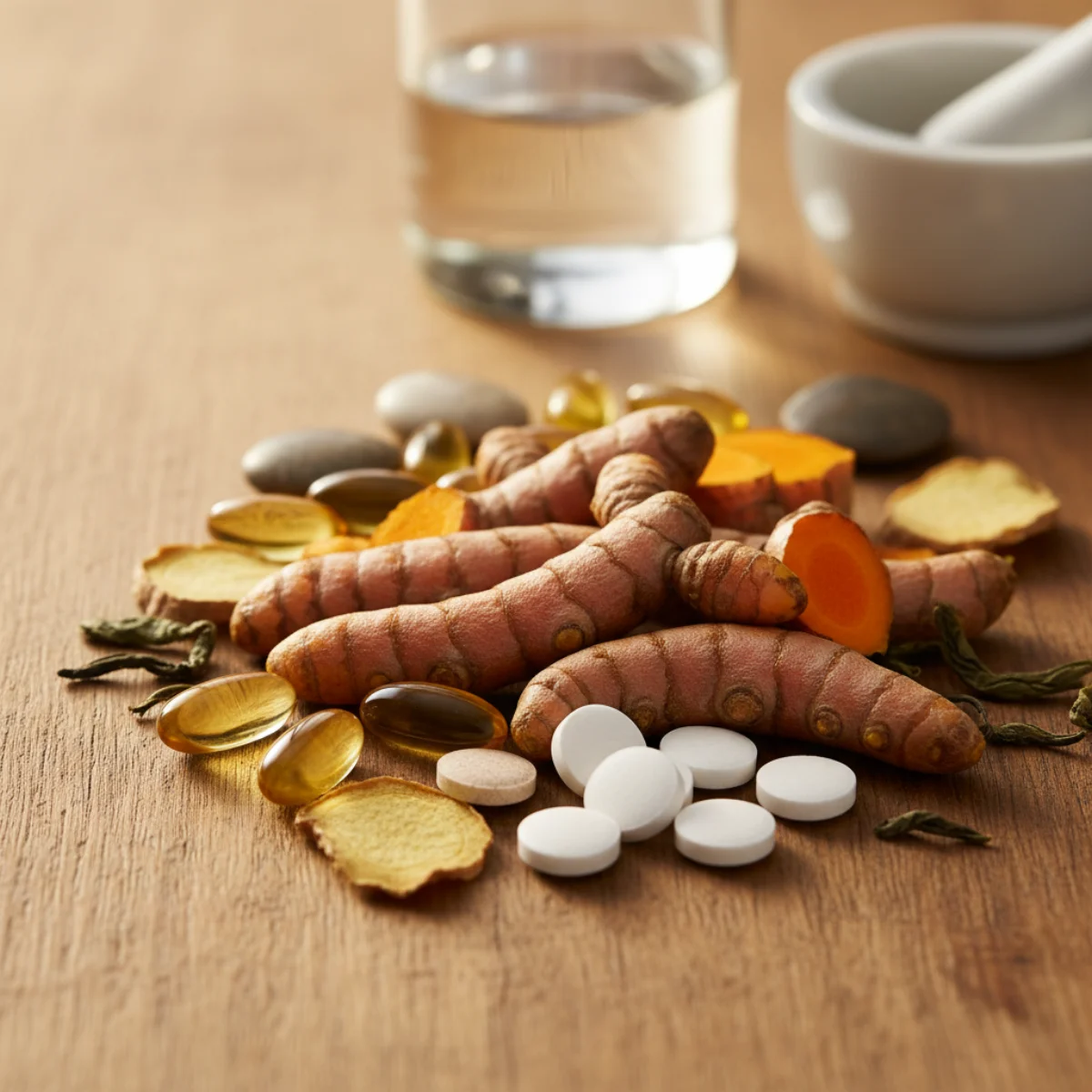
For millions worldwide, managing arthritis pain and stiffness is a daily challenge. While conventional medical treatments form the cornerstone of care, many individuals explore dietary supplements as a complementary approach to support joint health and enhance comfort. The sheer volume of available products, each promising relief, can make choosing the best arthritis supplement feel overwhelming. This comprehensive guide cuts through the noise, providing an evidence-led review of the most promising supplements for arthritis, detailing their mechanisms, scientific backing, appropriate dosages, and safety considerations, empowering you to make informed decisions for your joint health journey.
Understanding Arthritis and Supplementation
Arthritis is not a single disease but a term encompassing over 100 conditions characterized by joint inflammation. The two most common forms are osteoarthritis (OA) and rheumatoid arthritis (RA). Osteoarthritis, often called 'wear-and-tear' arthritis, involves the breakdown of cartilage, the protective tissue that cushions the ends of bones. Rheumatoid arthritis, on the other hand, is an autoimmune disease where the body's immune system mistakenly attacks its own joint tissues, leading to inflammation, pain, and potentially severe joint damage.
Dietary supplements for arthritis aim to address various aspects of these conditions. Some focus on supporting cartilage structure and repair, while others target inflammation, a common denominator in most forms of arthritis. The goal is often to reduce pain, improve joint function, and potentially slow disease progression, though it's crucial to understand that supplements are generally considered complementary therapies and not replacements for prescribed medical treatments. Their role is to work alongside conventional care, offering additional support for symptoms and overall joint well-being.
Our Methodology for Selecting the Best Arthritis Supplements
Choosing the 'best' arthritis supplement requires a rigorous, evidence-based approach. Our selection process is rooted in several key criteria to ensure that the recommendations are both effective and safe for our readers:
- Scientific Evidence: We prioritize supplements with robust human clinical trials demonstrating efficacy for arthritis symptoms, particularly pain reduction, improved function, and reduced stiffness. Preliminary studies or animal research are noted but given less weight than well-designed human trials.
- Mechanism of Action: Understanding how a supplement is theorized to work provides insight into its potential benefits and helps align it with specific types of arthritis or symptoms.
- Safety Profile: We evaluate the general safety of each ingredient, common side effects, and potential interactions with medications or pre-existing health conditions.
- Bioavailability and Dose: A supplement's effectiveness is tied to its absorption by the body and the dosage used in successful studies. We highlight forms and dosages that have shown promise.
- Quality and Purity: While not directly assessing specific brands, we emphasize the importance of third-party testing and reputable manufacturers to ensure product quality, purity, and accurate labeling.
- Expert Consensus: We consider the opinions and recommendations from leading medical organizations and rheumatology experts where available.
By adhering to this methodology, we aim to provide a reliable and actionable guide to the best arthritis supplement options available today.
Top Picks: Evidence-Backed Arthritis Supplements
Based on our rigorous methodology, several supplements consistently emerge as strong contenders for supporting joint health and alleviating arthritis symptoms. Each offers unique benefits and mechanisms of action.
Glucosamine and Chondroitin
Mechanism: Glucosamine and chondroitin are natural components of cartilage, the connective tissue that cushions joints. Glucosamine is an amino sugar that plays a crucial role in building and repairing cartilage. Chondroitin sulfate is a complex carbohydrate that helps cartilage retain water, providing elasticity and shock absorption. Together, they are believed to support cartilage structure, inhibit enzymes that break down cartilage, and potentially reduce inflammation.
Evidence: The evidence for glucosamine and chondroitin is mixed but generally more favorable for osteoarthritis, particularly in the knee. Some large-scale studies, such as the Glucosamine/Chondroitin Arthritis Intervention Trial (GAIT), have shown that the combination may provide significant pain relief for individuals with moderate-to-severe knee OA, comparable to some prescription drugs. However, other studies have found no significant benefit over placebo, especially for mild OA. It's important to note that results can vary depending on the specific form (sulfate vs. hydrochloride for glucosamine) and quality of the supplement. For rheumatoid arthritis, the evidence is less compelling.
Dose: Typical dosages used in studies are 1500mg of glucosamine sulfate daily (often taken as 500mg three times a day) and 800-1200mg of chondroitin sulfate daily (often split into two or three doses). It's often recommended to take them together for synergistic effects.
Safety: Glucosamine and chondroitin are generally considered safe with few side effects, primarily mild gastrointestinal upset (nausea, diarrhea, constipation). Chondroitin may have a mild blood-thinning effect, so individuals on anticoagulant medications (like warfarin) should consult their doctor before use. Glucosamine is derived from shellfish, so those with shellfish allergies should seek plant-based alternatives.
Who it suits: Individuals with mild to moderate osteoarthritis, especially those experiencing knee pain, who are looking for a supplement to support cartilage health and potentially reduce discomfort. It may take several weeks to months to notice effects.
Omega-3 Fatty Acids (Fish Oil)
Mechanism: Omega-3 fatty acids, specifically eicosapentaenoic acid (EPA) and docosahexaenoic acid (DHA), are potent anti-inflammatory agents. They work by being incorporated into cell membranes, where they compete with pro-inflammatory omega-6 fatty acids (like arachidonic acid). This competition leads to the production of less inflammatory signaling molecules (eicosanoids), thereby reducing systemic inflammation that contributes to joint pain and stiffness.
Evidence: The evidence for omega-3s is particularly strong for inflammatory forms of arthritis, such as rheumatoid arthritis. Numerous studies have shown that high doses of fish oil can reduce joint pain, morning stiffness, and the need for NSAIDs in RA patients. For osteoarthritis, while the anti-inflammatory benefits are still relevant, the direct impact on cartilage repair is less clear. However, some research suggests it can help reduce OA pain and improve physical function, likely due to its overall anti-inflammatory effects.
Dose: For therapeutic effects in arthritis, dosages typically range from 1000mg to 3000mg of combined EPA and DHA daily. It's crucial to look at the EPA and DHA content, not just the total fish oil amount. For instance, a 1000mg fish oil capsule might only contain 300mg of EPA+DHA.
Safety: Omega-3 supplements are generally safe. Common side effects include a fishy aftertaste, burping, and mild gastrointestinal upset. High doses (above 3 grams of EPA+DHA daily) can increase the risk of bleeding, so individuals on blood thinners or with bleeding disorders should exercise caution and consult a healthcare professional. It's also important to choose high-quality fish oil that is tested for heavy metals and contaminants.
Who it suits: Individuals with both osteoarthritis and rheumatoid arthritis, especially those with significant inflammatory components to their joint pain and stiffness. It's a good foundational supplement for overall health as well.
Curcumin (from Turmeric)
Mechanism: Curcumin is the primary active compound in turmeric, a spice widely recognized for its powerful anti-inflammatory and antioxidant properties. It works through multiple pathways, including inhibiting NF-κB (a key regulator of inflammatory responses), suppressing the activity of enzymes like COX-2 and LOX (which produce inflammatory mediators), and scavenging free radicals that contribute to joint damage.
Evidence: A growing body of research supports curcumin's role in managing osteoarthritis pain and improving function. Several clinical trials have shown that curcumin extracts can be as effective as, or even superior to, NSAIDs like ibuprofen or diclofenac in reducing OA pain, often with fewer side effects. Its antioxidant properties also contribute to protecting joint tissues. For rheumatoid arthritis, preliminary studies suggest it may help modulate immune responses and reduce inflammatory markers, but more robust research is needed.
Dose: Curcumin has poor bioavailability, meaning it's not easily absorbed by the body. Therefore, it's crucial to choose a supplement that uses enhanced absorption formulations, such as those combined with piperine (black pepper extract), liposomal curcumin, or phospholipid complexes (e.g., Meriva, BCM-95). Dosages typically range from 500mg to 1500mg of standardized curcumin extract daily, depending on the formulation's bioavailability.
Safety: Curcumin is generally well-tolerated. Mild side effects can include gastrointestinal upset (diarrhea, nausea, indigestion). Due to its potential anti-platelet effects, individuals on blood thinners should consult their doctor. It may also interact with certain medications, including antacids and diabetes drugs.
Who it suits: Individuals with osteoarthritis seeking a natural anti-inflammatory and pain-relieving agent, especially those who may be sensitive to NSAIDs. It's also a promising option for those with inflammatory arthritis, though more research is ongoing.
MSM (Methylsulfonylmethane)
Mechanism: MSM is an organic sulfur-containing compound naturally found in plants, animals, and humans. Sulfur is a critical component of connective tissues, including cartilage, ligaments, and tendons. MSM is believed to exert its benefits by providing sulfur for these tissues, reducing inflammation, and acting as an antioxidant. It may also help reduce nerve pain signals and improve blood flow.
Evidence: While research on MSM is still developing, several small clinical trials suggest it can significantly reduce pain and improve physical function in individuals with osteoarthritis, particularly knee OA. Some studies have shown it to be effective when used alone or in combination with glucosamine. The evidence for other forms of arthritis is more limited, but its general anti-inflammatory properties may offer broader benefits.
Dose: Typical dosages range from 1000mg to 6000mg daily, often split into two or three doses. It may take several weeks to notice significant improvements.
Safety: MSM is generally considered very safe with a low risk of side effects. Mild gastrointestinal issues (nausea, diarrhea, bloating) are the most commonly reported. It has no known significant drug interactions, but as with any supplement, consulting a healthcare provider is advisable.
Who it suits: Individuals with osteoarthritis looking for additional pain relief and joint support, often used in conjunction with other supplements like glucosamine and chondroitin. It's also an option for those seeking a sulfur source for connective tissue health.
Undenatured Type II Collagen (UC-II)
Mechanism: Unlike hydrolyzed collagen, which provides building blocks for collagen synthesis, undenatured type II collagen (UC-II) works through an immune-mediated mechanism. It contains specific epitopes that, when ingested, are recognized by immune cells in the gut. This interaction is thought to induce oral tolerance, essentially